Compare Fleet Management Platforms Without Overbuying
Most fleet managers pay for enterprise-level tools they do not use. Selecting the wrong software tier leads to feature bloat that drains your budget. You need a modular system that scales as your team grows.
Book a consultation to compare fleet management platforms around your fleet’s real goals.
Comparing fleet management platforms well requires matching your actual needs to software tiers instead of buying every ready feature. A good check starts with looking at five core areas: fleet systems, tracking, staff training, vehicle care, and journey logs. This method, backed by fleet safety management audits, ensures you only pay for tools that drive real results. Fleetistics solves this with five plan levels, from basic tracking to higher data tools. By starting with a modular setup and a 60-day trial, you can avoid the costs of buying too much. This plan scales your tools easily while keeping monthly costs low. You stay focused only on metrics that improve your fleet’s work and safety.
You might wonder how to sift through hundreds of options without getting lost in the technical details. Most owners start by looking at price tags, but there is a better way to find the right fit for your team. You should compare fleet management platforms by outcomes first to ensure the new software meets your goals, and the path begins with
Compare fleet management platforms by outcomes first
Most buyers start their search by listing every feature they might ever use. This path often leads to overbuying complex tools that your team never touches. To truly compare fleet management platforms, you should lead with your desired results first. By mapping your specific problems to clear goals, you can find a solution that fits your needs without wasting money on unneeded extras.
Find your core problems
Start by looking at the daily hurdles your drivers and managers face. Do you need to lower fuel costs, or is your main goal to meet ELD rules? You should also check your fleet safety practices against five core areas: management systems, driver monitoring, training, vehicle care, and journey plans. Research shows that audits in these core safety categories help companies find where they need the most help. Once you know your gaps, you can pick a platform that fills them.
Match features to goals
Once you know your problems, look for the tools that solve them. If safety is your top goal, focus on platforms that use data to profile driver risk and offer gamified feedback. This method helps cut down on speeding and other risky moves. For companies that only need basic tracking, a modular platform lets you skip high-cost enterprise features. Fleetistics uses a tiered model to help you avoid overbuying features you do not need yet. This way, you pay only for what helps your fleet grow right now.
Test for real world gains
A list of specs on a page cannot tell you how a system works in the field. You should use a 60-day trial to see how a platform changes your daily work. This time lets you check if the data helps you make better choices about ROI. It also shows if the system can grow with you. Look for open tools with free API access to keep your data moving as your business evolves. Testing first ensures that the platform you pick delivers the outcomes you planned for.

Build a must-have versus later feature matrix
A feature matrix separates capabilities the fleet needs now from those it may add later. Rank requirements by business outcome, compliance need, timing, and measurable value before comparing vendor tiers.
To compare fleet management platforms well, you need a clear list of goals. Many companies buy more than they need at the start. This leads to high costs and tools that no one uses. A feature matrix helps you see which tools help right now and which ones can wait. You can group your needs into “must-have” and “later” buckets to keep your budget on track. This helps you get the most value out of your new software.
Find your core needs first
Start by looking at your daily fleet tasks. Most fleets need basic GPS tracking and safety tools to run well. These core items help you find your trucks and keep drivers safe. A study shows that a good fleet safety plan must track five areas. These include management systems, training, and vehicle journeys. Focusing on these basics first ensures you have a strong base for your daily work.
You should also think about laws and rules. If your fleet travels across state lines, you likely need ELD and IFTA tools. These are not options; they are needed for your business to stay legal. Adding these to your “must-have” list prevents big fines and legal trouble later on. You should focus on these needs before looking at fancy tech that does not help with compliance. This keeps your team focused on what matters most for the company.
Group features by rank
Once you know the basics, look at other features to evaluate for your fleet. AI dashcams and advanced analytics are great, but they may not be vital on day one. You can use a table to sort these ideas by when you will need them. This simple step helps you avoid paying for big software plans that you do not yet have the staff to manage. It also makes it easier to show the boss why you chose certain tools.
| Feature Category | Must-Have (Now) | Later (Growth) |
|---|---|---|
| Tracking & Safety | Real-time GPS and speeding alerts. | AI dashcams and driver coaching. |
| Compliance | ELD, DVIR, and IFTA reporting. | Asset tracking for remote gear. |
| Data & Tech | Basic reports and fuel tracking. | API access and CRM integrations. |
| Maintenance | Service schedules and fault codes. | Predictive parts failure alerts. |
Plan for future growth
Your fleet will change as your business grows. Choose a platform that is modular so you can add features later. An open system with API access lets you connect new tools without starting over. This approach prevents “vendor lock-in” and keeps your data easy to use across many apps. You can start with basic tracking and add complex tools when your fleet gets bigger. This way, you only pay for what you use as you grow.
Data shows that feedback helps drivers slow down and stay safe. You can add driver scoring and rewards once your team is ready for it. Starting small allows your drivers to get used to the tech. This builds trust and makes it easier to roll out new features in the future. Small steps lead to better long-term success for any fleet. If you need help, Speak With a Consultant at 855.300.0527.
How do you calculate total cost without overbuying?
Calculate total cost by adding subscriptions, hardware, installation, training, integrations, support, and switching risk. Then compare that figure with measurable fuel, maintenance, safety, compliance, and productivity gains.
Buying a fleet platform often feels like a guessing game. Many vendors push high-tier plans with tools you might never use. To compare fleet management platforms fairly, you must look at costs beyond the monthly fee. True value comes from matching the service to your real needs.
Mapping features to fleet needs
The best way to save money is to only pay for what you use. Some businesses only need basic GPS data, while others require engine diagnostics. Fleet management platforms that offer tiered plans help you avoid the all-in-one trap. You can start with a basic tier and add more power as your business grows.
When you check a new system, list your must-have tools first. These might include ELD compliance, fuel tracking, or maintenance alerts. If a plan includes ten tools but you only need three, you are overbuying. A modular approach keeps your budget tight and your data clean.
Testing for real-world ROI
Numbers on a page do not always show the full cost. Hardware, setup, and staff training can add up fast. You should also think about the cost of switching if the system fails to meet your goals. An open ecosystem with free API access helps prevent these issues by letting you connect to other tools you already own.
The most reliable way to find the total cost is through a trial. A 60-day risk-free trial lets you validate the return on investment before you sign a long contract. This test shows you exactly how much time and fuel you save. It also reveals any hidden tasks your team must handle to keep the system running.
- List your core goals. Find the specific problems you want to solve, like high fuel costs or safety risks.
- Review the hardware cost. Ask if the price includes the device, cables, and shipping.
- Check the setup fee. Know if you can install the gear yourself or if you must pay a pro.
- Match tiers to users. Use tiered subscription models to give each driver the right level of service.
- Run a solution test. Use a 60-day Solution Evaluation Process to check the fit.
- Audit the results. Use standardized audit tools to measure your progress against best practices.
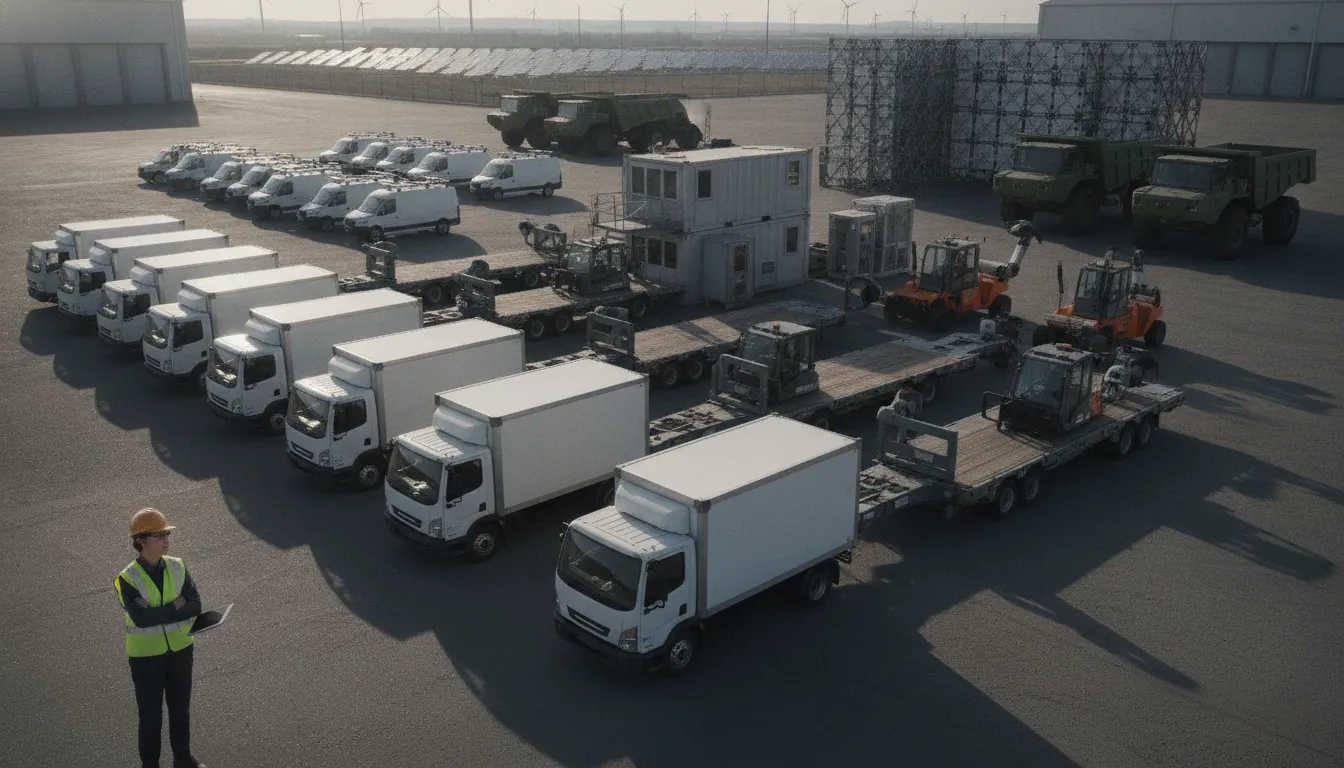
Why modular architecture reduces overbuying risk
Modular architecture reduces overbuying because a fleet can activate capabilities as needs change instead of paying upfront for a fixed enterprise bundle. Open APIs also preserve flexibility as the technology stack evolves.
Many firms get stuck with complex tools they do not fully use. This often happens because some vendors sell large, fixed plans. When you compare fleet management platforms, look for a modular setup. This design lets you start with what you need now and add more later. It is a smart way to keep costs low while you grow.
Flexible plans for every fleet
A modular system lets you pick the right set of tools for your current tasks. For example, some fleets only need simple GPS tracking to see where cars are. Others might need to track engine health or driver safety. By using a tiered model, you can match features to your real work needs. This keeps you from paying for high-end tools that do not fit your daily tasks.
Fleetistics offers five different subscription levels, such as MAP, LITE, and ONE. These tiers help you choose your fleet solution based on your budget and goals. You can start with basic tracking and move to more robust data as your fleet gets bigger. This path ensures you always have the right data without wasting cash on unused tools.
Open systems and free APIs
One big risk of overbuying is getting locked into a system that does not talk to your other apps. A good platform should have an open design. This means it can share data easily with your current software. Free API access and over 300 marketplace links help stop data silos. When your tools work together, you do not have to buy extra software to bridge the gap between them.
An open design also makes it easier to follow industry best practices. Experts suggest that vehicle technology and selection should be a core part of your safety audits. A modular platform lets you test new safety tech like AI dashcams without a huge upfront cost. You can check the ROI on a small scale before you roll it out to every vehicle. For more info, you can speak with a consultant at 855.300.0527 to see how these tiers work.
Scaling with confidence
Scaling a fleet should not mean a massive jump in price. With modular architecture, you add capabilities only when they are needed. If you need to start tracking fuel use or cooling temps, you just turn those features on. You do not have to buy a whole new system. This keeps your team focused on the features to evaluate that actually drive ROI for your specific business.
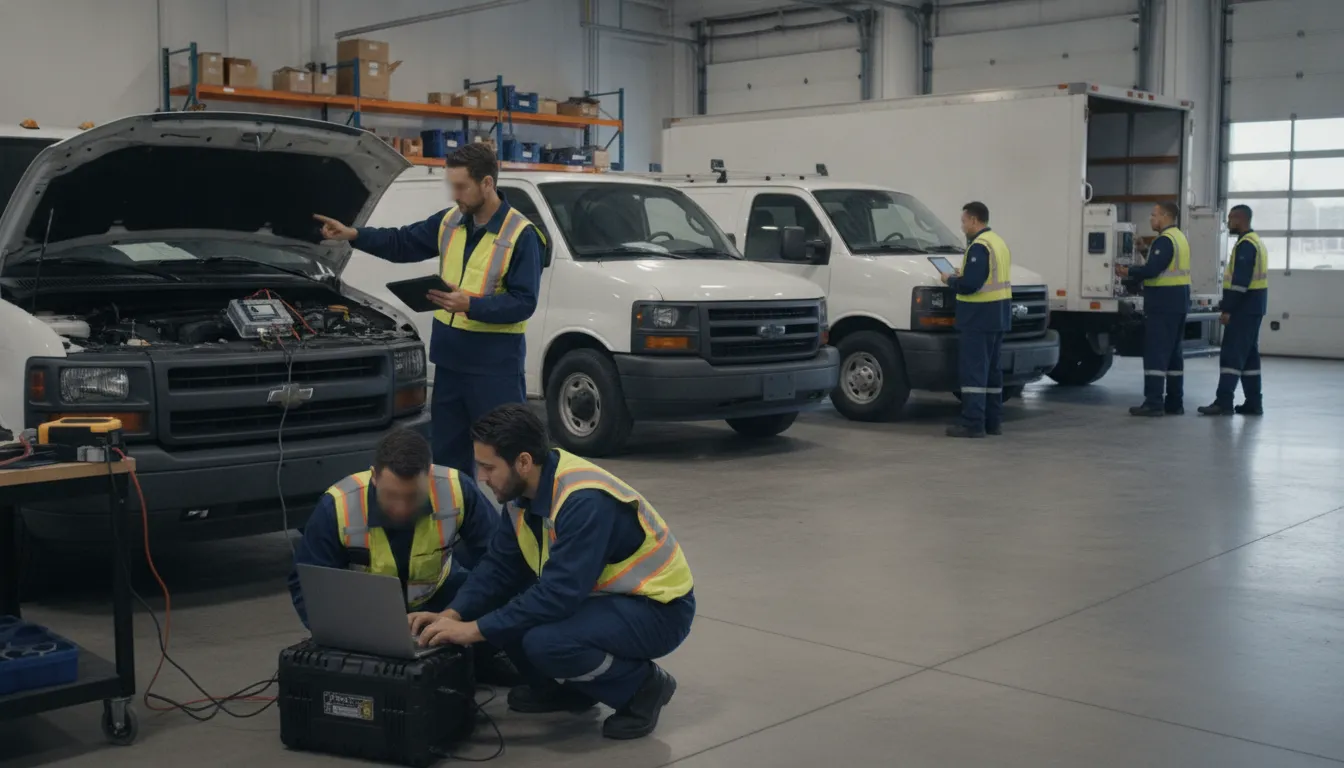
What should you test before signing a contract?
Before signing, test the platform with real vehicles, users, reports, alerts, integrations, and support requests. Confirm that the system produces usable data and measurable results during the evaluation period.
Testing a new system is the only way to know if it works for your fleet. Many people buy a platform and find out too late it does not fit their needs. Before you sign a long contract, you need to see the tool in action on your own terms. A good way to do this is to check the features to evaluate during a real-world trial. Fleetistics suggests a 60-day Solution Evaluation Process. This long trial gives you enough time to find small issues and see real value before you pay. It helps you stay safe and move fast without taking a big risk.
Test your real workflows
You must put the platform to work with your daily fleet tasks. Do not just watch a sales rep show you a demo. Give your main team access to the web portal and the mobile app. See how long it takes for a user to find one vehicle on the map. Try to run a fuel report or check for speed alerts. If the data is hard to find, your team will not use the tool. Good fleet safety management starts with a system that your staff can learn in one day. You should also check if the app works well in areas where cell signals are weak.
Check hardware and vehicle links
Test the GPS trackers on every type of vehicle in your fleet. Some systems work well in small cars but fail in big trucks or equipment. You also need to check how the tool links to your other software. An open platform should offer free API access to help you keep your data in one place. If you want to compare fleet management platforms, look at how well they sync with your fuel cards. Check if the device can read engine codes for every make and model you own. This stops you from buying tech that does not talk to your fleet.
Verify support and data
Ask the support team a hard question during your trial phase. See how fast they get back to you with a clear answer. You also need to look at the reports. Can you see data that helps you make choices based on ROI? Reports should show things like idle time, route miles, and driver safety scores. If you cannot get clear answers now, it will only get harder after you sign. Testing these points helps you avoid overbuying big sets of features that you may never use. Make sure the portal lets you set up alerts for your own rules.
Check if users like the tool
The best tech is worth nothing if your drivers and office staff hate using it. During your test, ask your drivers what they think of the mobile app. Is it easy for them to log their hours or do a pre-trip check? If a system is too hard to use, people will find ways to skip it. You want a tool that makes their job easier, not harder. A simple screen that shows what they need is better than a screen with too many buttons. Look for a platform that lets you hide features you do not need yet. This keeps the view clean and helps new users learn fast.
Can the platform fit your existing technology stack?
A suitable fleet platform should connect with your existing business systems, support reliable exports, and provide API access. These capabilities prevent data silos and reduce the cost of adding or replacing tools.
Choosing a new tool for your fleet is a big move. It is not just about the features you see today. You must also think about how the tool works with the software you already use. If a platform does not link to your other systems, it creates a data silo. This means your info is stuck in one place and hard to use. When you compare fleet management platforms, you should look for a system that is open and easy to link. This helps you avoid the risk of being locked into one vendor for years.
Use open API links
An API is like a bridge between two pieces of software. It lets them talk and share data without human help. For example, your GPS data could flow right into your payroll system. This saves time and stops errors. A good platform should offer free API access to its users. This is part of an open group of tools where many parts work as one. Fleetistics has more than 300 marketplace links ready to go. This makes it simple to add fuel cards, maintenance apps, or safety tools to your mix. Using these links helps you build a full view of your fleet without more work.
Avoid the risk of data silos
Data silos are a big problem for growing fleets. They happen when tools do not share info. This leads to slow work and missed facts. You should be able to move your data out of the platform at any time. A standard audit helps you check your setup for these points:
- Easy data exports in CSV or Excel format
- Live links to your main business apps
- A full view of your fleet analytics in one place
Experts say that a fleet audit must check how well your systems and processes link up. Using a standard audit tool can help you find gaps in your current setup. If a platform makes it hard to move your own data, it may not be the right fit.
Check setup and vendor trust
Setting up a new tech stack is not always easy. You need a vendor that gives you real help during the start. This includes help with hardware and training for your staff. A partner that stays with you after you buy is worth more than a low price. You should also look for a risk-free trial. A 60-day test lets you see if the tool fits your real work needs. It is also a way to check if the vendor keeps their promises. This test period helps you find the right features to evaluate before you commit to a long plan. It keeps the vendor honest and saves you from a bad fit.
Plan for future growth
Your fleet will change over time. Your tech should change with it. A modular system lets you add or remove features as you need them. This means you do not pay for tools you do not use. It also means you can scale up fast when you grow. Ask the vendor how they handle new tech and updates. Do they add new features often? Can they handle a fleet of five units as well as a fleet of five thousand? A system that can grow with you saves you from having to switch tools again in a few years. This keeps your costs low and your team active.
Use a scorecard to make the final decision
A weighted scorecard turns vendor selection into a defensible decision. Give the most weight to required outcomes, total cost, usability, integration fit, support, and verified trial results.
Choosing a new fleet management platform is a big move for any business. You should not just pick the one with the longest list of tools. Instead, use a clear scorecard to compare fleet management platforms based on your real goals. A good scorecard helps you find a tool that fits your team and your budget.
Focus on your actual needs
Many teams make the mistake of overbuying. They pay for high-end tools that they may never use. To avoid this, map your daily tasks to the features to judge in each platform. Fleetistics offers five tiered platforms, from MAP to GO, to help you buy only what you need now. This modular approach keeps your costs low while giving you the power to grow later.
You must look for a system that fits your current fleet size. Whether you have five vans or five thousand trucks, the tech must scale with you. A modular choice also helps you avoid being locked in with one vendor. It lets you add new tools through API links and 300 marketplace apps as your fleet needs change.
Weight your choice criteria
A scorecard works best when you give each item a weight based on its value to you. Some things, like driver safety, might be more vital than others. Expert studies show that fleet safety management audits should check five core areas:
- Management plans and rules
- Driver checks and grading
- New hire training
- Vehicle tools and upkeep
- Trip plans and safety
Talk to your staff to make sure everyone is on the same page. Drivers, shop staff, and owners all see fleet needs in different ways. Look for red flags like hidden fees or bad tech support. A good vendor acts as a partner, not just a seller. They should help you find the best ROI rather than pushing a one-size-fits-all plan.
Test with a risk-free trial
Never sign a long-term contract without a real-world test. A risk-free trial is the best way to see how a platform works in your daily life. Fleetistics uses a 60-day Solution Evaluation Process to help you check results before you commit. This time lets you test the data quality and how easy the tool is to use.
During the trial, watch how the platform handles your data. Does it help you make better, faster choices? Can it find ways to save on fuel, tires, or engine upkeep? Use this time to prove the value to your company leaders. If the tool does not meet your top goals in sixty days, it is likely not the right fit for your business.
Frequently Asked Questions
What is the typical cost for fleet management software per vehicle?
Most companies charge a monthly fee for each vehicle in your fleet. These prices often range from $4 to $30 per month. The total cost depends on the tools you choose and the type of hardware you need. To avoid paying too much, look for tiered plans that match your current needs. For example, Fleetistics offers five levels of service. This helps businesses find the right fit without buying tools they do not use yet.
How do you calculate the ROI of fleet management software?
To find your return on investment, you must track savings in fuel and repairs. Good software helps reduce idle time and speeding, which lowers fuel use. It also alerts you when trucks need service to prevent big repair bills. Research shows that reward programs for drivers can also lead to fewer crashes and lower insurance costs. Compare these total savings against the monthly software cost to see the value for your business.
What are the key features to look for in a fleet management platform?
Focus on tools that help with safety and cost control. Real-time GPS tracking and fuel use reports are key. You should also look for a platform that works with other apps you already use. An open system with API access prevents your data from getting stuck in one place. Ensure the platform can grow with your fleet. It is best to choose a partner that has a long history, such as Fleetistics, which has served fleets since 2001.
How do you compare fleet management platforms effectively?
Start by listing the specific problems you want to solve, such as high fuel costs or safety risks. Look at the data quality and how easy the system is to use. Many companies offer a 60-day trial to test the software before you commit. This risk-free period lets you see the real impact on your work. Focus on finding a modular platform. This allows you to pay for what you need now and add more tools as you grow.
Choose a fleet platform that fits today and tomorrow
A useful fleet platform should solve your highest-priority problems now without forcing you to pay for every possible capability on day one. Fleetistics can help you map requirements, evaluate modular options, and validate the fit before a wider rollout.
Speak with a Fleetistics consultant at 855.300.0527 to start a practical platform comparison focused on your fleet’s goals.