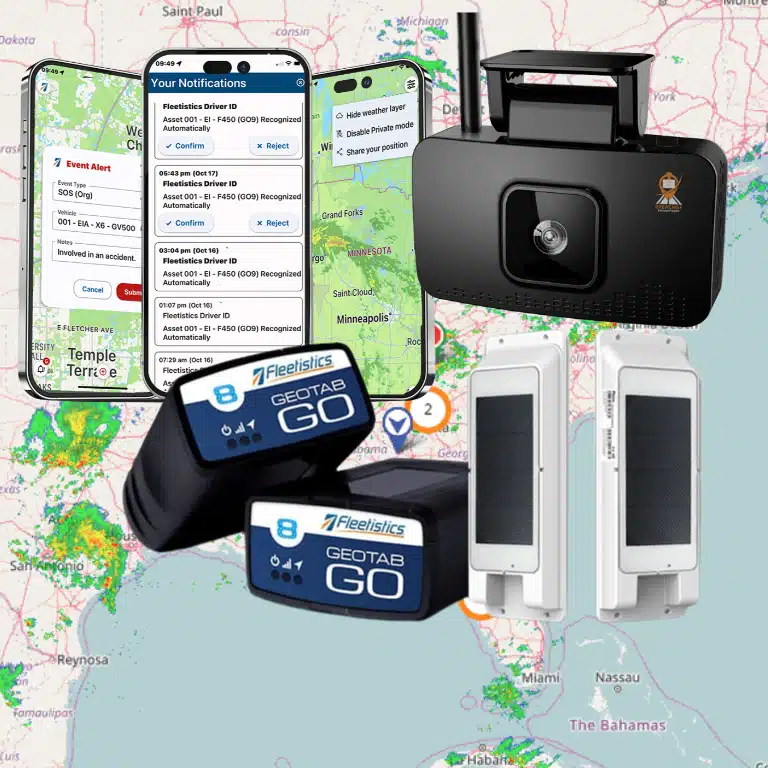
Your vehicles generate a mountain of data every single day, from location and speed to engine health and fuel consumption. The problem is that all this information can feel overwhelming, especially if it’s scattered across different systems. The real challenge isn’t collecting data; it’s turning it into clear, actionable insights that help you make smarter decisions. Top-tier fleet management companies act as your data interpreter. They provide a single, unified platform where you can see the whole picture, helping you spot trends, identify cost-saving opportunities, and proactively manage everything from vehicle maintenance to driver performance without drowning in spreadsheets.
Key Takeaways
- A partner solves real problems: A good fleet management company does more than just track vehicles; they provide tools for safety, compliance, and maintenance that help you solve expensive issues like high fuel costs, accident risks, and unexpected downtime.
- Prioritize an all-in-one system: Look for a provider that combines essential features like GPS tracking, AI dashcams, and compliance tools on a single platform. This gives you a complete picture of your fleet’s performance without the hassle of managing disconnected services.
- Choose a partner that grows with you: Your fleet’s needs will change, so select a partner whose services can scale with your business. Consider factors beyond price, such as software integration and customer support, to find a flexible, long-term solution.
What Does a Fleet Management Company Do?
So, what exactly does a fleet management company do? The term can mean a couple of different things, so let’s clear it up. First, there are companies that own huge fleets of vehicles and lease them out to businesses like yours. This is a great option if you want to avoid the significant upfront cost of buying cars or trucks.
But the second type of fleet management company, and the one we’re focusing on here, is the technology and service partner. These companies provide the tools and software you need to manage the vehicles you already own. Think of them as your operational command center. They offer comprehensive solutions that give you a real-time, bird’s-eye view of your entire operation, from vehicle location and engine health to driver performance and fuel usage. Their goal isn’t to lease you vehicles, but to empower you to run your own fleet more safely, efficiently, and profitably. This partnership is all about giving you the data and control to make smarter decisions every single day, turning information into action.
The Services You Should Expect
A good fleet management partner offers a suite of services that work together. At the core is telematics, which uses GPS tracking to show you where your vehicles are and how they’re being used. This data powers everything else. You should expect tools for route optimization, fuel management, and detailed reporting on things like idle time and personal use.
Modern services also heavily focus on safety. This includes everything from driver safety programs to advanced AI-powered dashcams that can detect risky behavior and help you coach your team. They also handle the complex paperwork for compliance (like ELD and IFTA) and provide systems for scheduling vehicle maintenance. These services are typically managed through a central software platform that gives you a single place to see all your data.
How They Save You Money
Partnering with a fleet management company is an investment that pays for itself by cutting costs across your operation. They streamline processes and give you the insights needed to run a much tighter ship. For example, smart routing and monitoring driver habits can significantly reduce fuel consumption and labor costs.
The savings go beyond the gas pump. Proactive maintenance scheduling means fewer unexpected breakdowns, which keeps your vehicles on the road and earning. Better safety measures and driver coaching can lead to fewer accidents, which in turn lowers repair bills and insurance premiums. Some studies show that monitoring driver behavior can decrease accident rates by as much as 22%. It’s all about using data to prevent costly problems before they happen, protecting both your drivers and your bottom line.
Fleet Challenges a Good Partner Can Solve
Running a fleet comes with a unique set of headaches. From unpredictable fuel prices to the constant worry of driver safety, it’s easy to feel like you’re always putting out fires. The right fleet management partner does more than just give you a map with dots on it; they provide real solutions to your most persistent problems. A good partner helps you shift from being reactive to proactive, giving you the tools and insights to run a safer, more efficient, and more profitable operation. Let’s look at some of the key challenges a fleet management company can help you solve.
Tackling Fuel Costs and Inefficient Routes
Fuel is one of the biggest line items in any fleet’s budget, and watching prices fluctuate can be stressful. A fleet management partner helps you gain control over this expense. With smart routing and real-time GPS tracking, you can create the most efficient paths for your drivers, avoiding traffic jams and unnecessary mileage. It also helps you address fuel-wasting habits like excessive idling or speeding. Studies show that this level of oversight can reduce fuel and labor costs by 16%. Even a 5% improvement in fuel efficiency can save a single vehicle around $1,500 a year, showing how quickly these savings add up across an entire fleet.
Improving Driver Safety and Compliance
The safety of your drivers and the public is paramount. A good partner provides tools that help you build a strong safety culture. Monitoring driver behavior can lower accident rates by as much as 22%, which means fewer costly repairs and lower insurance premiums. Modern AI-powered dashcams can detect risky behaviors like harsh braking or distracted driving and provide real-time alerts, creating valuable coaching opportunities. Beyond safety, staying on top of compliance for ELD, DVIR, and IFTA can feel like a full-time job. A fleet management system automates much of this record-keeping, helping you avoid fines and stay on the right side of regulations without the paperwork headache.
Reducing Vehicle Maintenance and Downtime
When a vehicle is in the shop, it’s not earning you money. Unexpected breakdowns can derail schedules, disappoint customers, and lead to expensive emergency repairs. A fleet management partner helps you get ahead of maintenance issues before they become major problems. By tracking engine hours, mileage, and diagnostic trouble codes, the system can automatically schedule preventive maintenance. This proactive approach not only prevents costly downtime but also extends the life of your vehicles. You can plan for service during off-hours instead of reacting to a breakdown on the side of the road, keeping your fleet healthy and productive.
Making Sense of Your Data and Systems
Your fleet generates a massive amount of data. The challenge is turning that data into something useful. A top-tier partner provides a centralized hub where you can see everything at once, from vehicle location and fuel usage to driver performance and maintenance schedules. Instead of drowning in spreadsheets, you get clear, easy-to-understand reports and analytics that highlight what’s working and where you can improve. The best fleet management platforms also integrate with your other business systems, like accounting or payroll, creating a seamless flow of information that makes your entire operation more efficient.
A Look at the Top Fleet Management Companies
Choosing a fleet management company is a big decision, and the right partner can make all the difference. While many companies offer similar services like GPS tracking and compliance tools, they often have different strengths. Some excel in data analytics, while others are known for their user-friendly mobile apps or all-in-one hardware solutions. Let’s walk through some of the top players in the industry so you can get a feel for what each one brings to the table.
1. Fleetistics
Fleetistics stands out by offering a truly comprehensive suite of fleet management solutions. Their platform is designed to be user-friendly, giving you real-time data and analytics to help you streamline your operations from day one. What really sets them apart is their ability to integrate diverse solutions, from GPS and asset tracking to AI dashcams and compliance tools, into a single, cohesive system. They also provide free APIs, allowing you to share data with other business software you already use. This holistic approach, combined with a strong reputation for customer service, makes them a powerful partner for optimizing your entire fleet operation.
2. Verizon Connect
As a major player in the telecommunications world, Verizon brings a lot of technical power to fleet management. Verizon Connect is known for its advanced telematics that provide deep visibility into your fleet’s performance and efficiency. Their platform is robust, integrating GPS tracking, driver behavior analysis, and compliance management tools that are suitable for fleets of any size. If you’re looking for powerful reporting capabilities and a reliable mobile app to manage your fleet on the go, Verizon Connect is a well-regarded leader in the space with a strong, established network.
3. Element Fleet Management
Element Fleet Management takes a slightly different approach, specializing in the full lifecycle of your fleet vehicles. Beyond tracking and telematics, their services extend to strategic planning, vehicle acquisition, maintenance programs, and even disposal. They act as a comprehensive partner, using data-driven insights to manage your fleet from purchase to retirement. If you’re looking for a company to handle the financial and operational aspects of your vehicles and not just monitor them, Element Fleet Management offers a complete, end-to-end service that can help you manage costs and efficiency across the board.
4. Geotab
Geotab is a great choice for businesses that want flexibility and customization. Their powerful telematics solutions are designed to help you track everything from vehicle performance to driver behavior with incredible detail. What makes Geotab particularly appealing is its open platform and marketplace, which allows for extensive customization and integration with a wide variety of third-party applications. If you have specific operational needs or want to connect your fleet data with other business systems, Geotab’s focus on data analytics and an open ecosystem gives you the tools to build a solution that fits your fleet perfectly.
5. Fleetio
If you’re looking for a modern, cloud-based software that’s incredibly easy to use, Fleetio is a fantastic option. Their platform simplifies core fleet management tasks like vehicle tracking, maintenance scheduling, and fuel management through a clean, intuitive interface. Fleetio is especially known for its user-friendly mobile app, which empowers drivers and managers to stay connected and on top of tasks from anywhere. Praised for its excellent customer support and active user community, Fleetio is a great fit for teams that want a straightforward, collaborative tool to keep their fleet running smoothly without a steep learning curve.
6. Samsara
Samsara has quickly become a popular name in fleet management by offering a polished, all-in-one solution. Their platform seamlessly combines hardware and software, integrating GPS tracking, high-quality dash cams, and driver safety features into one unified system. Samsara is designed to improve your operational efficiency and reduce costs by providing real-time data insights in an easy-to-digest format. Known for its innovative technology and focus on user experience, Samsara is an excellent choice for businesses that want a single, reliable provider for all their core fleet management needs, from safety to routing.
7. Teletrac Navman
Teletrac Navman offers a comprehensive fleet management platform with a strong focus on the essentials: GPS tracking, compliance, and driver safety. Their solutions are built to help businesses improve productivity and reduce operational costs through solid, reliable technology. Teletrac Navman is particularly recognized for its strong analytics capabilities, which help you turn raw data into actionable insights for improving your bottom line. With a long history in the industry and a reputation for dependable customer support, they are a trusted choice for fleets that prioritize safety and data-driven decision-making.
8. Motive (formerly KeepTruckin)
Originally known for its driver-friendly ELD solution, Motive has expanded into a full-featured fleet management platform. Their offerings include ELD compliance, GPS tracking, and an AI-powered driver safety program. Motive has earned a loyal following, especially among small to medium-sized fleets, thanks to its strong focus on user experience and dedicated customer support. Their technology is designed to be intuitive for both drivers and managers, helping businesses streamline their operations, enhance safety protocols, and maintain compliance without unnecessary complexity.
Comparing the Top Contenders
After reviewing the top players, you’ll notice they offer similar categories of services, but the depth and approach can vary significantly. Understanding these core features will help you compare companies and find the right fit for your specific challenges. Some providers, like Element, focus on the entire vehicle lifecycle from acquisition to resale, while others, like Verizon Connect, specialize in advanced tracking technology. The key is to identify which of these service areas are most critical for your business and find a partner who excels in them. Here’s a breakdown of the main features you’ll encounter.
GPS Tracking and Telematics
This is the foundation of modern fleet management. At its core, GPS tracking gives you a real-time map of where your vehicles are. But telematics takes it much further by collecting a rich set of data directly from the vehicle. Think of it as the central nervous system of your fleet operations. Top providers use this technology to offer route optimization, driver behavior monitoring (for things like speeding or harsh braking), and geofencing alerts. These tools are essential for improving efficiency and gaining clear oversight of your daily activities. When comparing options, look at the user-friendliness of the software and how easily you can access the data you need from different fleet management platforms.
Compliance Tools (ELD, DVIR, IFTA)
Staying compliant with transportation regulations is non-negotiable, and a good fleet management partner makes it much simpler. Many companies offer integrated solutions for the Electronic Logging Device (ELD) mandate, Driver Vehicle Inspection Reports (DVIR), and International Fuel Tax Agreement (IFTA) reporting. Instead of dealing with mountains of paper logs and complex calculations, these digital tools automate the process. Drivers can complete inspections on a mobile app, hours of service are logged automatically, and fuel tax reports can be generated with a few clicks. This not only saves administrative time but also significantly reduces the risk of costly fines during audits. These features are often part of a comprehensive package of fleet management solutions.
AI Dashcams and Safety Programs
Protecting your drivers, your vehicles, and your brand is a top priority. This is where AI-powered dashcams and safety programs come in. Unlike standard dashcams that just record footage, AI cameras can identify risky behaviors in real time, such as tailgating, distracted driving, or drowsiness, and provide immediate in-cab alerts to the driver. This proactive approach helps correct unsafe habits before an accident happens. The footage also provides indisputable evidence for accident claims, which can lower insurance costs. Many providers use this data to create driver scorecards, making it easy to identify who needs coaching and who deserves recognition. Investing in AI-powered dashcams is an investment in a safer, more accountable fleet.
Asset Tracking, Maintenance, and Analytics
Your fleet is more than just trucks on a road; it includes valuable equipment, trailers, and the vehicles themselves, all of which need to be managed. Asset tracking lets you monitor everything, not just your powered vehicles. Meanwhile, maintenance scheduling tools use telematics data to move you from a reactive to a proactive repair strategy, scheduling service based on actual usage to reduce unexpected downtime. Finally, a great partner helps you make sense of all this information. Strong analytics platforms turn raw data into clear, actionable reports, helping you drive smarter decisions about everything from fuel consumption and vehicle acquisition to driver performance and operational efficiency.
How to Choose Your Fleet Management Partner
Picking a fleet management company is a major decision that goes far beyond comparing monthly fees. You’re choosing a long-term partner who will become an integral part of your daily operations. The right one will help you cut costs, improve safety, and streamline your entire business. The wrong one can create headaches and lock you into a system that doesn’t fit your needs. To make the best choice, you need to look at the complete picture, from the technology they offer to the support they provide when you need it most. Think about where your business is today and where you want it to be in five years. Your fleet partner should be able to help you get there.
Scalability and Customization for Your Fleet
Your fleet’s needs will change over time. You might expand into new territories, add different types of vehicles, or grow from 10 trucks to 100. A great partner can scale with you. Look for a company that offers flexible solutions that cover the entire fleet lifecycle, from acquiring vehicles to managing their maintenance and eventual sale. A one-size-fits-all approach rarely works because every fleet has unique challenges. Your partner should be able to tailor their services, whether you need simple GPS tracking for a local delivery service or comprehensive management for a cross-country logistics operation. Don’t settle for a rigid plan that doesn’t match your specific goals.
Tech Integration and API Access
In a data-driven world, your fleet management system can’t be an island. The real power comes from connecting its data with your other business software, like accounting, payroll, or dispatch systems. This is where tech integration and API access become critical. A partner with a flexible platform allows you to create a seamless workflow, automating tasks and gaining deeper insights without manual data entry. Before you commit, ask about their integration capabilities. Companies that provide free APIs give you the freedom to share data between systems, creating a truly connected and intelligent ecosystem that works for your entire business, not just your fleet.
Pricing, Contracts, and Customer Support
While it’s tempting to just shop for the lowest price, the true cost of a fleet management solution is more complex. Pricing often varies based on your fleet size, the services you select, and your location. A good partner should help you operate more cheaply than you could on your own, so think of it as an investment in efficiency. Scrutinize the contract terms for hidden fees, auto-renewals, and flexibility. What happens if you need to add or remove vehicles? Equally important is customer support. When a vehicle is down or a driver has an issue, you need reliable help right away. Look for a partner who offers responsive, expert support to keep your operations running smoothly.
Support for Your Sustainability and EV Goals
Even if you aren’t using electric vehicles yet, the industry is moving in that direction. A forward-thinking fleet partner should be able to guide you through this transition when the time is right. The best companies are already helping their clients plan for an electric future. This includes offering support for choosing the right EVs, navigating the ordering process, and planning for charging infrastructure. Choosing a partner who is knowledgeable about fleet electrification ensures you’re not left behind. They can help you take the first steps or develop a full-scale adoption plan, future-proofing your fleet and aligning your business with long-term sustainability goals.
Making the Right Choice for Your Business
Choosing a fleet management partner is a major decision for your business. It’s not just about buying software; it’s about finding a solution that can streamline your operations, cut costs, and adapt to your specific needs. The right company will feel less like a vendor and more like an extension of your team.
Look for a provider that offers a truly comprehensive platform. You don’t want to be stuck juggling different systems for GPS tracking, compliance, and safety. A unified solution that integrates everything from AI-powered dashcams to maintenance scheduling saves you time and headaches. The best partners provide a holistic view of your fleet, helping you make smarter decisions without needing to piece together data from multiple sources. This is where you can really compare fleet management platforms to see which one creates the single ecosystem you need.
Of course, your budget is a key factor. Monthly costs can range from around $50 per vehicle for basic tracking to over $300 for all-inclusive services. Before you sign a contract, get a clear picture of what’s included and how the service can be tailored to your fleet. A good partner will work with you to build a package that addresses your unique challenges, whether that’s optimizing routes for a local delivery service or ensuring compliance for a long-haul trucking operation. Ultimately, the goal is to find a company that not only fits your budget but also delivers a clear return on investment by reducing fuel costs, preventing accidents, and improving overall efficiency.
Related Articles
- Fleet Apps for Logistics Efficiency and Employee Satisfaction
- Discover the 5 Best GPS Tracker Features for Your Fleet Needs
- Fleet Tracking Software and Telematics Solutions | Fleetistics
- What Is the Role of a Fleet Manager? Key Responsibilities Explained
Frequently Asked Questions
What does a fleet management company do exactly?
A fleet management company provides GPS tracking, ELD compliance, AI dashcams, maintenance scheduling, fuel management, and analytics—all in one unified platform designed to give you complete visibility into your fleet operations.
How much does a fleet management company cost per vehicle?
Fleet management typically runs between $20 and $45 per vehicle per month, depending on the features you need, hardware requirements, and fleet size. Fleetistics offers an entry point under $1 per day with a 60-day risk-free trial, so you can see the ROI before committing long-term.
How do fleet management companies help with ELD compliance?
Fleet management companies simplify ELD compliance by automating hours-of-service logging, DVIR inspections, and IFTA reporting. Fleetistics supports compliance across the USA, Canada, and Mexico, turning a paperwork-heavy obligation into a seamless digital process.
What is the difference between fleet management and GPS tracking?
GPS tracking tells you where a vehicle is. Fleet management goes much further—adding the why and how through compliance monitoring, driver safety tools, maintenance scheduling, fuel analytics, and operational reporting—all in a single dashboard.
How do I choose between fleet management companies?
Compare features, contract terms, and customer support side by side. Look for modular pricing that scales with your fleet, free trials to test the platform, open APIs for integration, and proven ROI from existing customers. Fleetistics stands out with lifetime hardware warranty, a 60-day Solution Evaluation Process, and free API access.