


Fleet Weather Intelligence
Harness hyper‑local forecasts, predictive weather, and real‑time alerts to keep your fleet moving.
Proactive Weather Insights That Protect Your Fleet, Reduce Costs, and Improve Safety
Weather is one of the most unpredictable and costly variables in fleet operations. From sudden storms to low‑visibility corridors, weather‑related hazards can lead to accidents, delays, fuel waste, and expensive downtime. Fleetistics’ Fleet Weather Intelligence Software gives fleet managers the power to anticipate weather risks before they impact operations, turning unpredictable conditions into actionable intelligence.
Why Weather Intelligence Matters for Modern Fleets
Weather affects nearly every aspect of fleet performance. Industry research shows:
20–25% of commercial vehicle crashes involve weather
Delivery delays spike 50–100% during severe weather events
Fuel consumption increases 10–30% in heavy rain, snow, or high winds
Downtime costs fleets $100–$300 per hour per vehicle
What is Weather Intelligence?
Weather data that is transformed into actionable information which an be used for enahnced decision making. Also known as Meteorological Intelligence. Traditional weather apps can’t provide the operational context fleets need. Fleetistics delivers hyper‑local, fleet‑specific weather intelligence that helps you stay ahead of risk and optimize performance.
What Is Fleet Weather Intelligence Software?
-
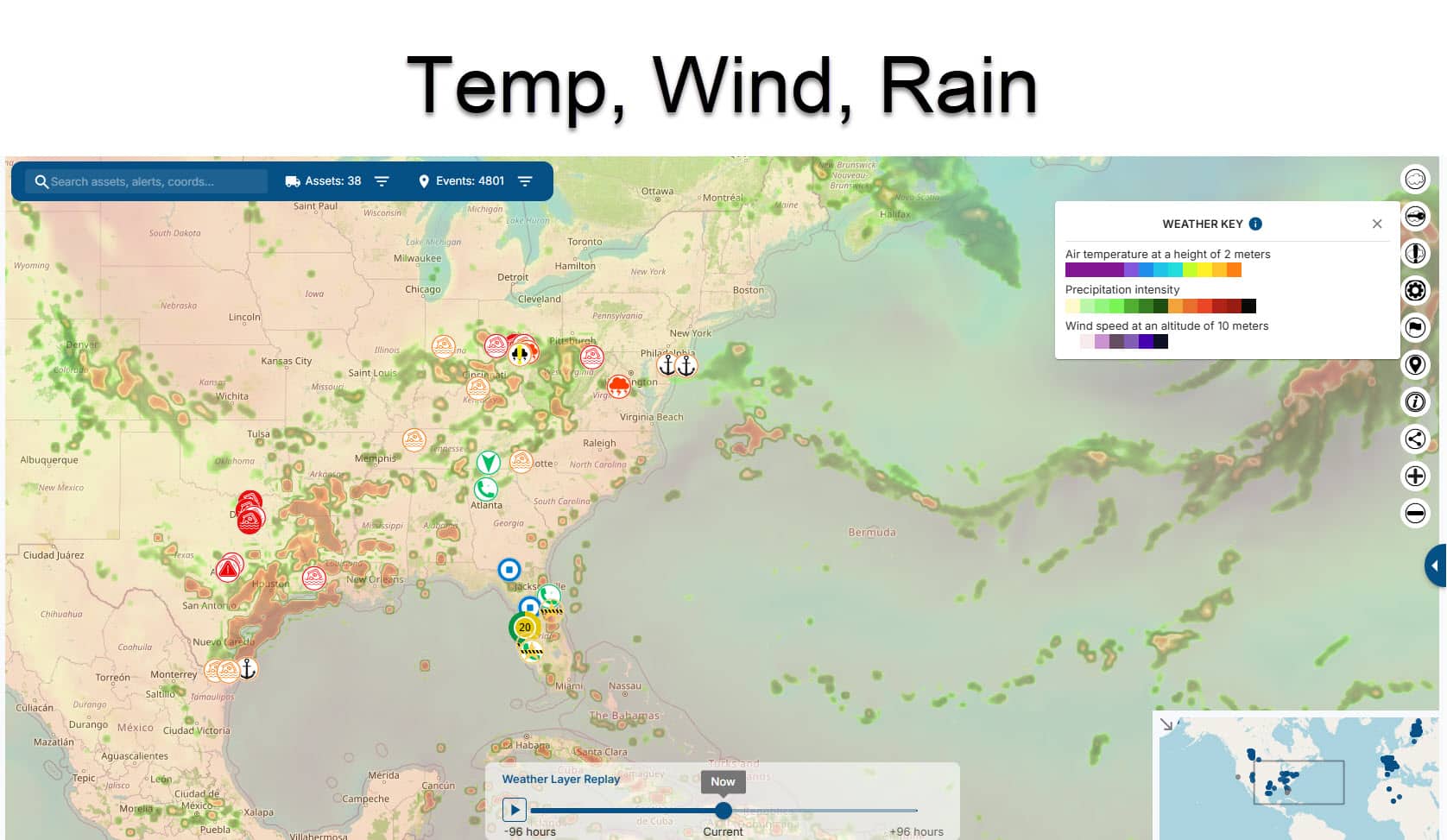
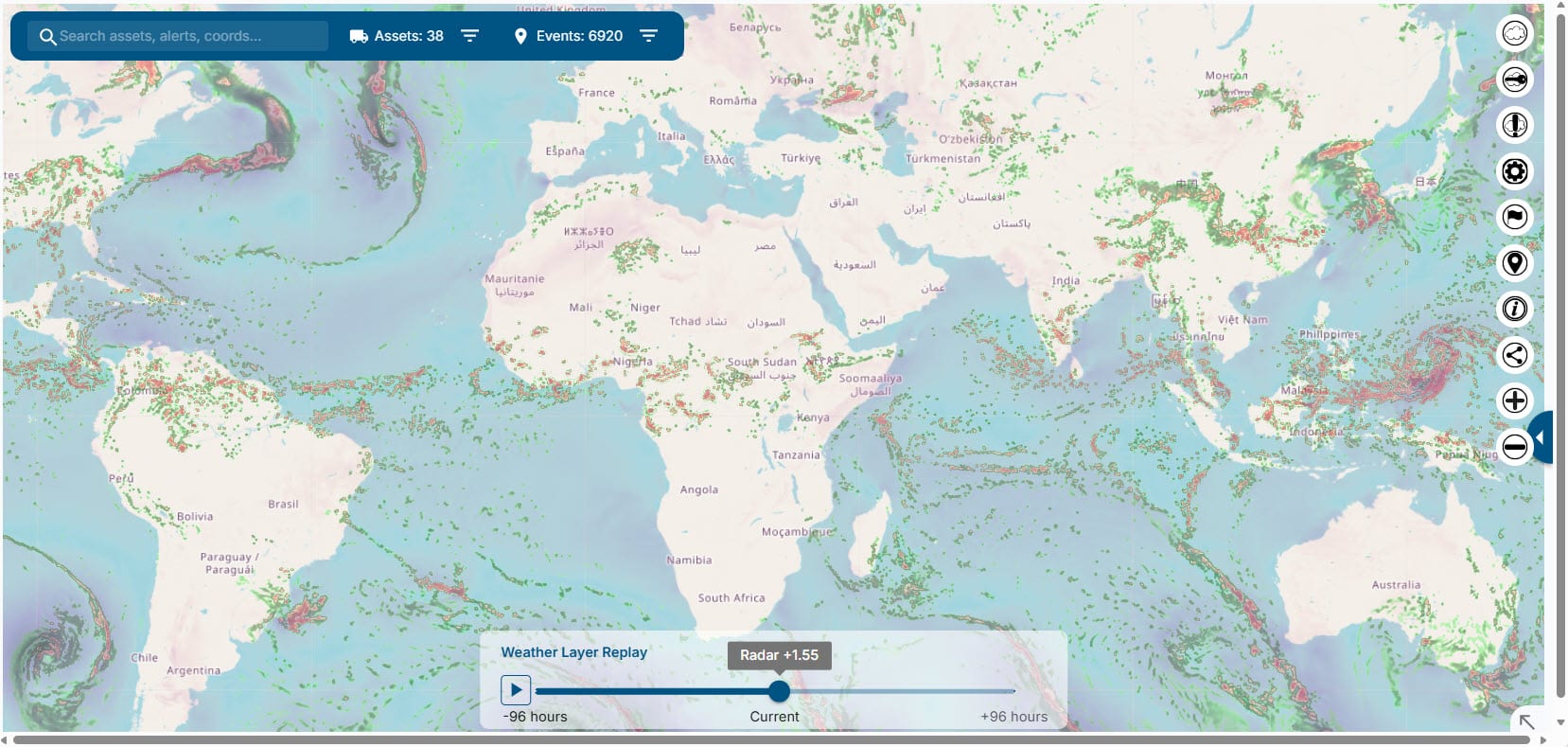
- Global weather
- Point weather anywhere in the world
- Current weather conditions
- Minute-by-minute forecasts
- Hourly and daily forecasts
- Short-term and extended outlooks
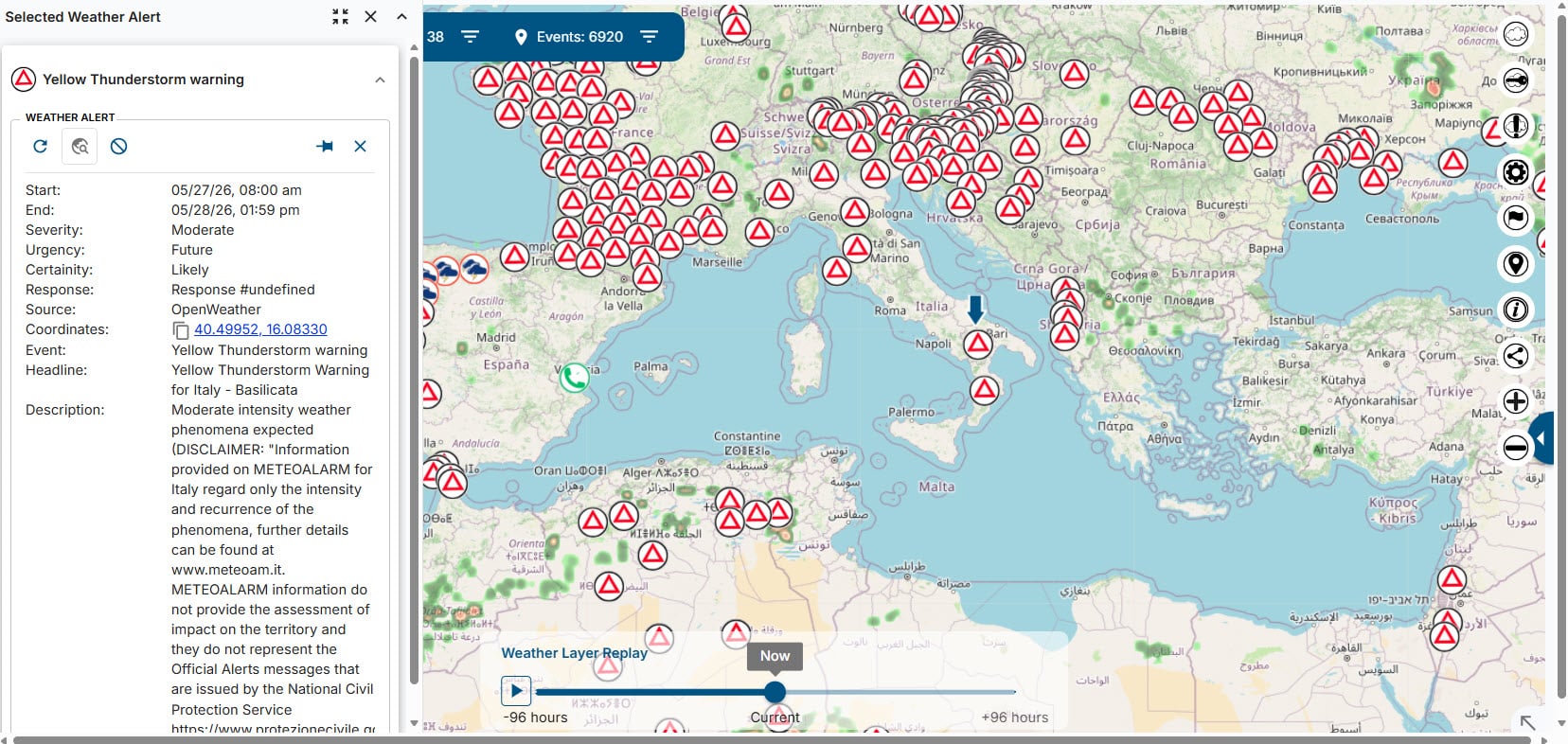
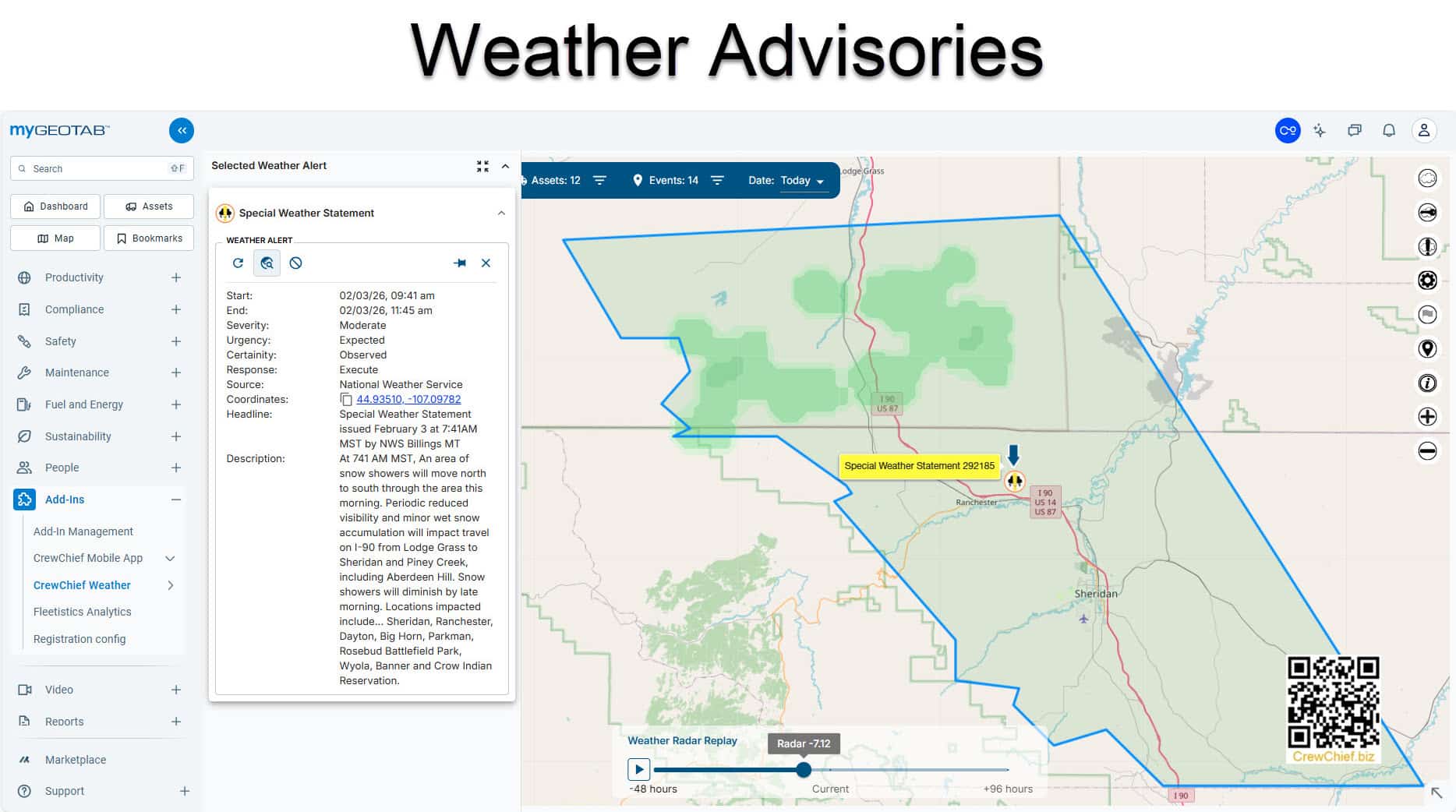
- Government weather alerts
- 47+ years of historical observations
- Historical forecast archives
- Statistical climate data
- Weather maps and geospatial layers
Key Features of Fleetistics Weather Intelligence
1. Hyper‑Local Weather Monitoring
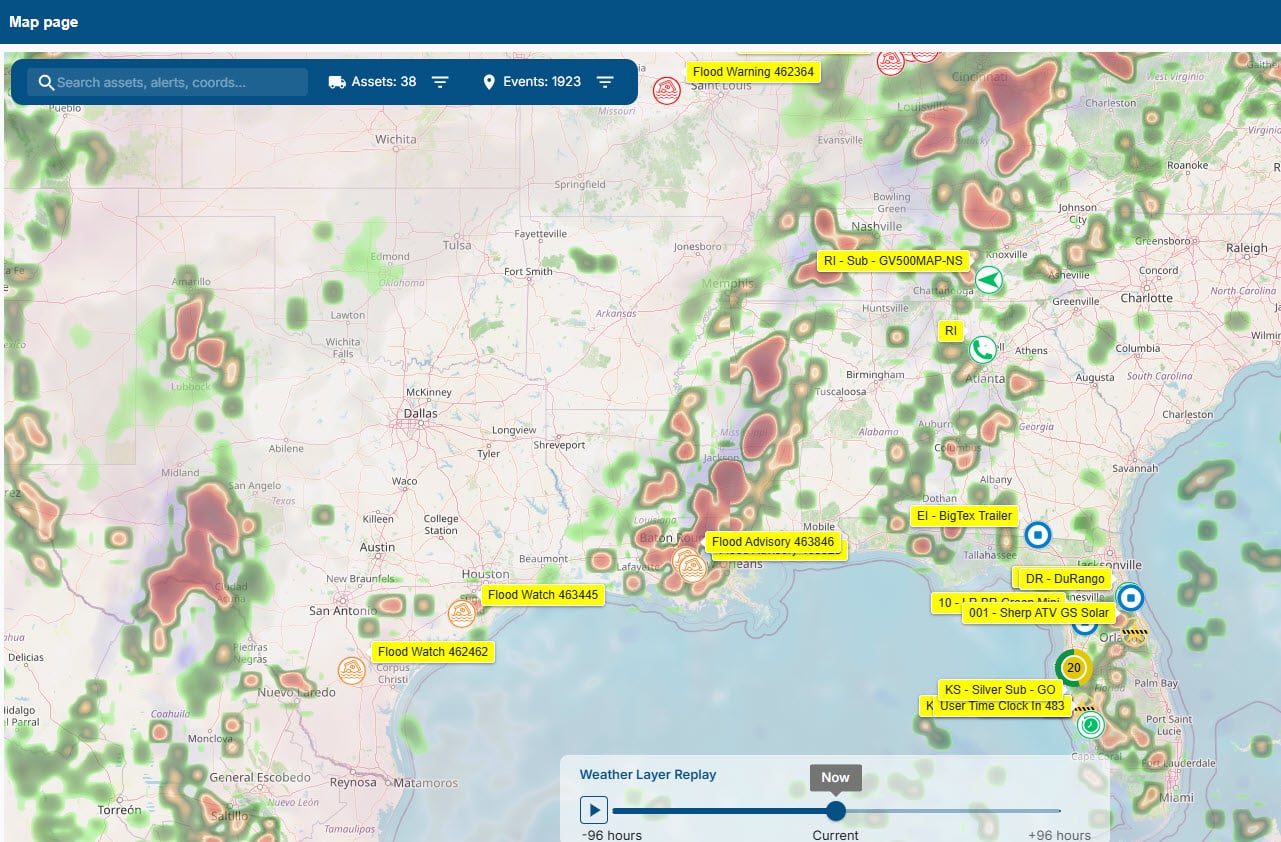
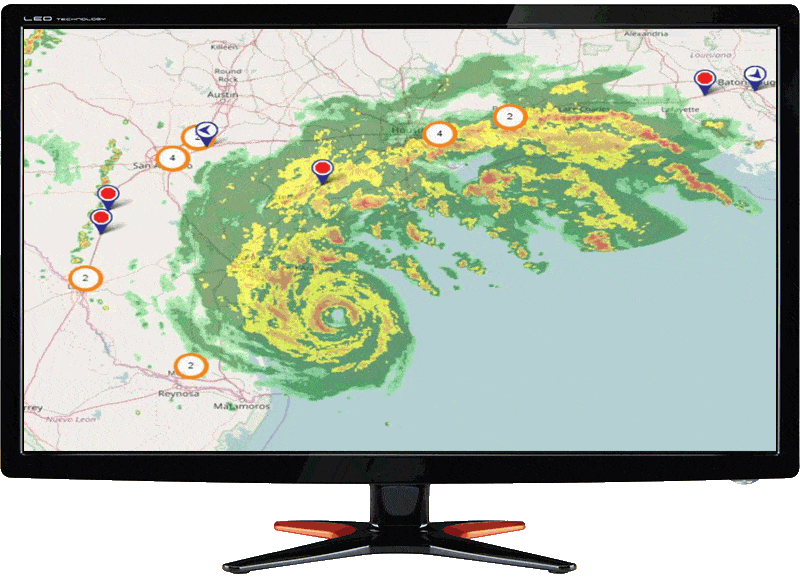
Get street‑level, minute‑by‑minute weather insights that directly impact your fleet. Unlike broad forecasts, our system identifies conditions along specific routes, lanes, and regions.
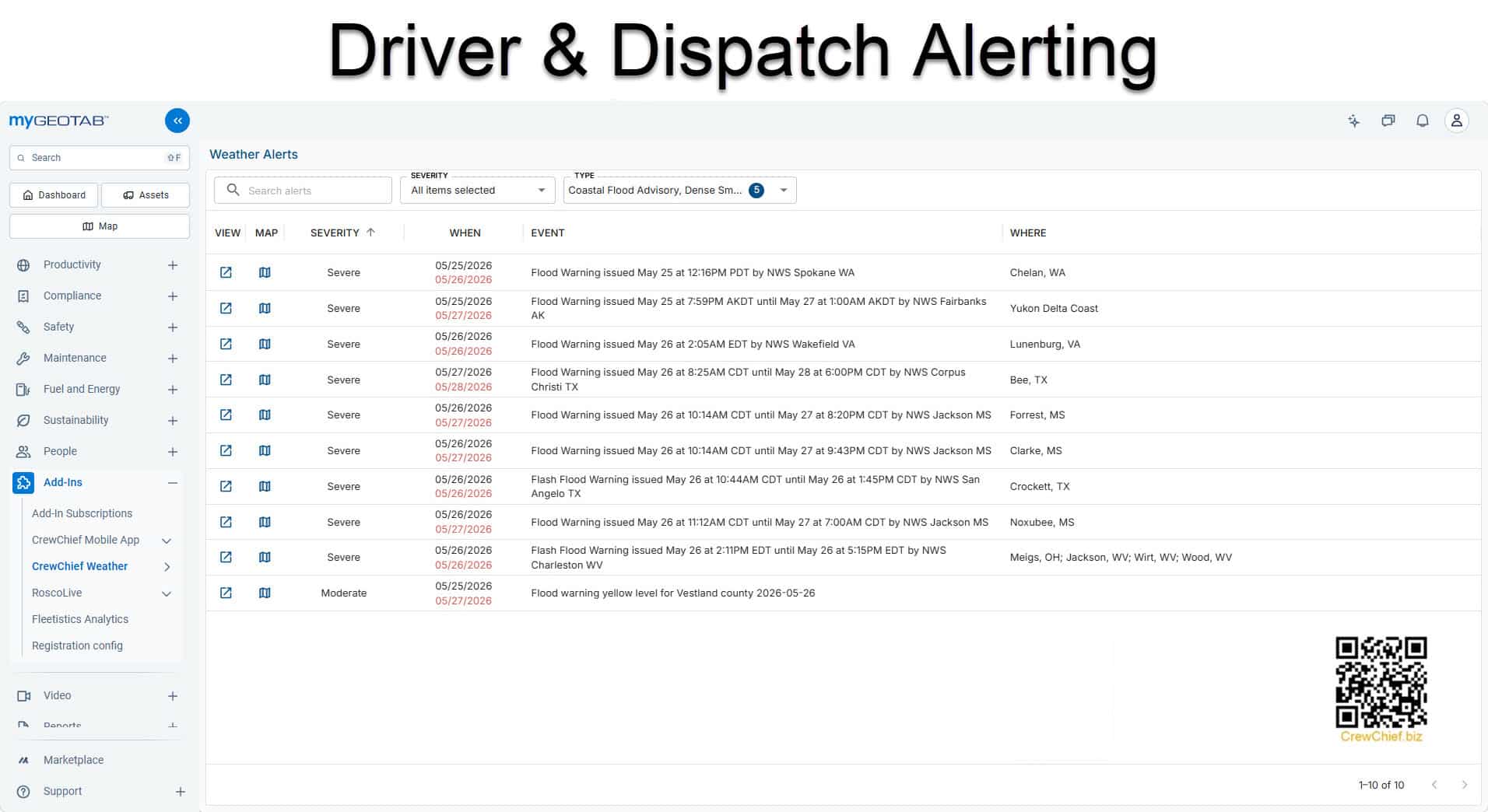
2. Real‑Time Driver Alerts
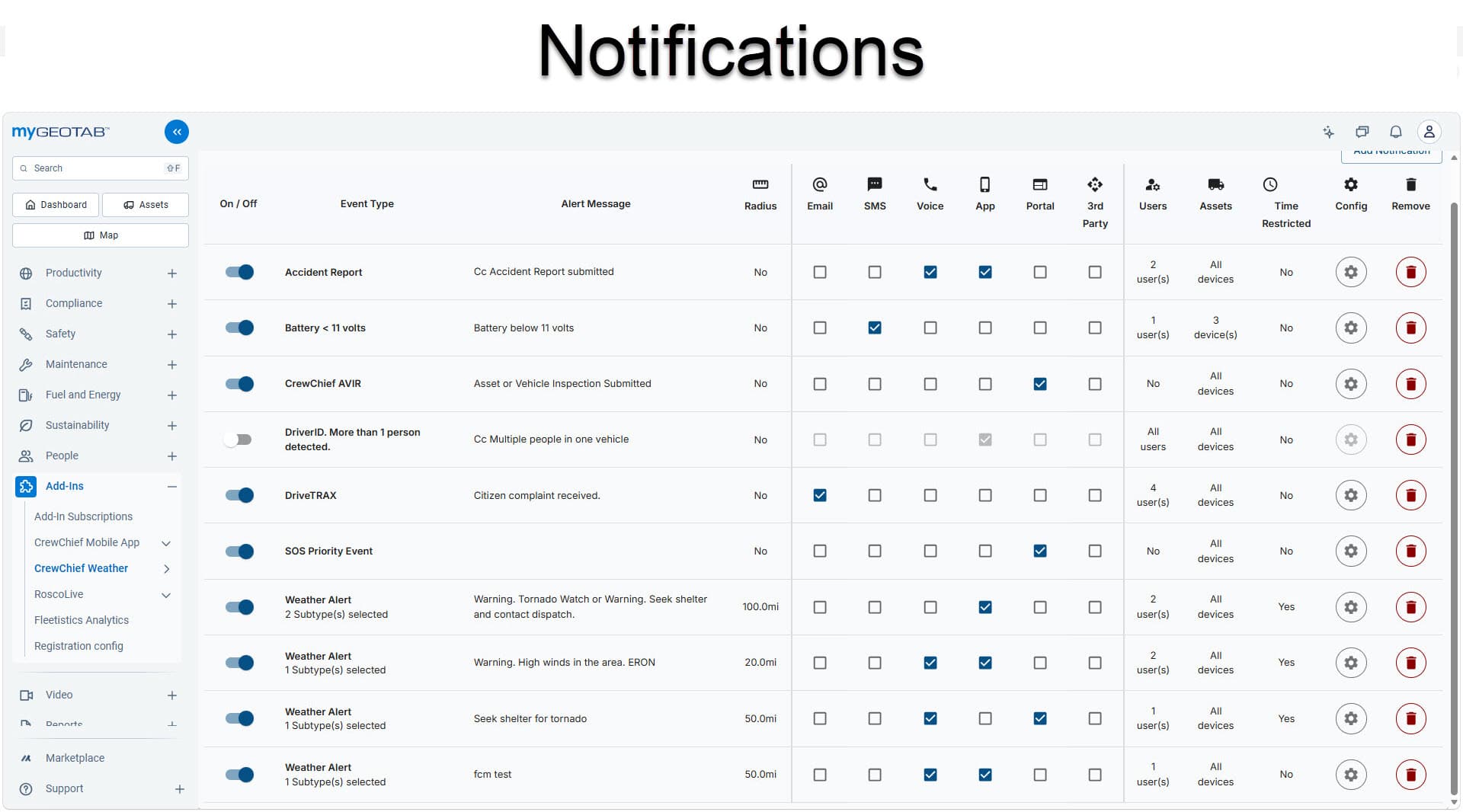
Automatically notify drivers of hazards such as:
- Sudden storms
- High‑wind corridors
- Flooding
- Snow and ice
- Low visibility
- These alerts help drivers adjust speed, reroute, or pull over safely.
3. Predictive Weather for Proactive Management
Understand how the upcoming weather will affect:
- Safety risk
- Fuel efficiency
- Travel time
- Delivery windows
This allows dispatchers to plan proactively rather than reactively.
4. Weather‑Optimized Routing
Avoid dangerous or inefficient routes with reliable data to reroute based on real‑time and forecasted conditions.
5. Fuel‑Impact Forecasting
Weather conditions can dramatically increase fuel burn. Our system identifies where and when fuel waste is likely to occur so you can adjust routing or driver behavior.
6. Seamless Telematics Integration
Fleetistics integrates weather intelligence with leading platforms like Geotab, enabling:
- Combined weather + telematics insights
- Driver coaching based on weather‑adjusted behavior
- Automated reporting
- Unified dashboards
7. Operational Risk Mitigation
Document weather‑related decisions to support:
- Compliance
- Insurance claims
- Safety audits
- SLA justification
How Fleet Weather Intelligence Supports Safer Routing
Improve On‑Time Performance
Avoid delays caused by storms, road closures, and low‑visibility conditions. Weather‑optimized routing keeps your fleet moving efficiently.
Lower Fuel Costs
High winds, rain, and snow increase fuel consumption. Weather intelligence helps you avoid inefficient routes and reduce unnecessary fuel burn.
Minimize Downtime
Proactive planning prevents vehicles from getting stuck in storms or hazardous zones, reducing costly downtime.
Enhance Driver Safety and Confidence
Drivers equipped with real‑time weather alerts make better decisions and feel more supported on the road.
Why Fleetistics Weather INtelligence Is Different From Free Weather Apps
How Drivers and Dispatchers Use Weather Alerts
Dispatcher Use Case
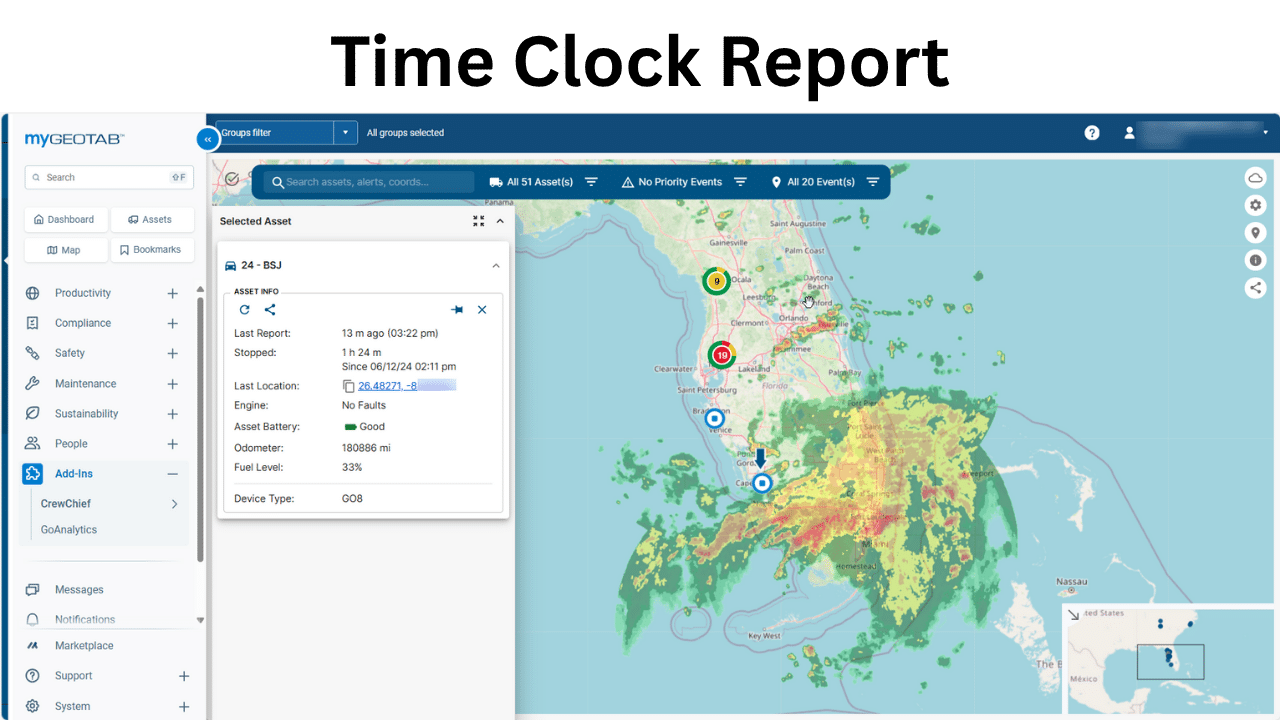
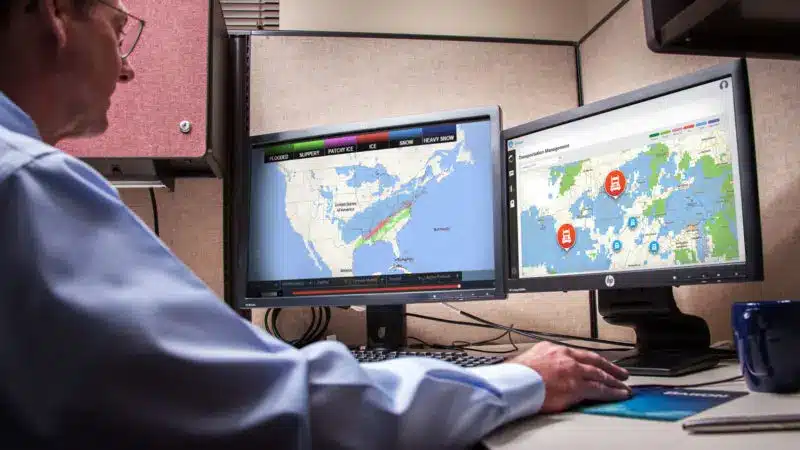
Dispatchers monitor weather along active routes, identify risk early, and decide whether to reroute or adjust schedules using weather and road condition maps and route planning and optimization.
Driver Safety Use Case
Drivers receive timely hazard alerts so they can slow down, reroute, or stop when conditions require it. Fleet managers can also review dashcam options for fleet safety to complement weather alerts with video and driver-safety tools.
As a dedicated fleet weather intelligence software, Fleetistics Critical Weather Intelligence (CWI) integrates with dispatch, routing, and driver workflows to provide real-time alerts, predictive risk insights, and historical weather reporting. This allows fleet operators to reduce exposure to hazardous conditions, protect CSA scores, support drivers, and turn weather from an uncontrollable risk into a managed operational advantage.
| Feature | Benefit to Fleet Manager | Why It Justifies a Fee |
|---|---|---|
| Driver Alerts | Alert drivers to nearby dangerous conditions | Avoid potential risk and delays |
| Dispatcher or Back Office Alerts | SMS, voice call, email, web portal map icons | Use whatever works best for your operation |
| Micro-Weather Forecasting | Road-level accuracy | Free apps are too broad |
| Global Weather | Intelligence for wherever your fleet operates or your shipments come from | No geographic limitations |
| Hyper-Local Weather | Actionable warnings for last minute adjustments | Decisions, not guesses |
| Insurance Investigations | Claims & insurance defense | Real financial protection |
| Post-Trip (historic) weather incident reports |
Shows which trips were affected by weather for claims |
Strengthens defense in liability cases |
| Feature | Why It Justifies a Fee |
|---|---|
| Driver Alerts | Alert drivers to nearby dangerous conditions |
| Dispatcher or Back Office Alerts | SMS, voice call, email, web portal map icons |
| Micro-Weather Forecasting | Road-level accuracy |
| Global Weather | Intelligence for wherever your fleet operates or your shipments come from |
| Hyper-Local Weather | Actionable warnings for last minute adjustments |
| Insurance Investigations | Claims & insurance defense |
| Post-Trip (historic) weather incident reports |
Shows which trips were affected by weather for claims or historic reference |
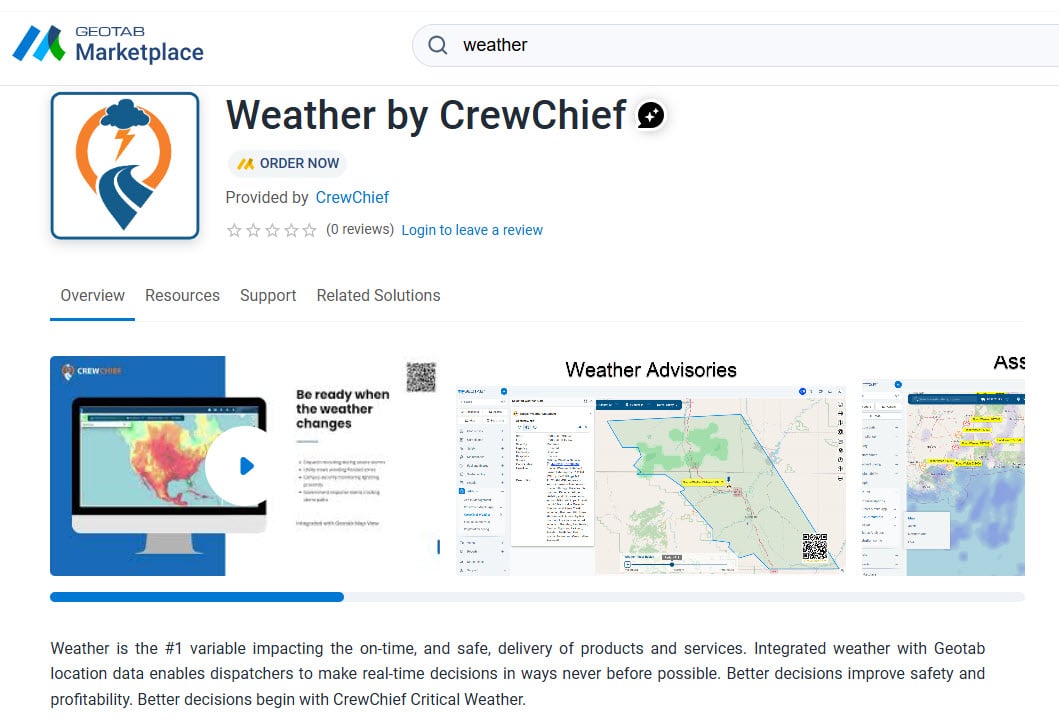
Geotab Marketplace Order Now
Fully integrated with MyGeotab and available for installation from the Geotab Marketplace using Order Now. Try it free for two weeks!

Safety and Compliance benefits
Lower Injury & Fatality Risk:
Weather is a factor in ~20–25% of all commercial vehicle crashes. Reducing exposure directly improves driver safety and company reputation.
DOT Compliance & CSA Score Protection:
Avoid violations from driving in hazardous conditions (e.g., black ice, high winds). Poor CSA scores increase inspection frequency and can lead to out-of-service orders.
Driver Confidence & Retention:
Drivers feel supported when the company provides real-time, actionable weather alerts, reducing stress and turnover.
Operational Efficiency Gains
Smarter Routing Decisions:
Real-time alerts for micro-scale events (e.g., localized heavy rain, fog, black ice on specific highways) allow rerouting before delays occur.
Proactive Maintenance Scheduling:
Heavy rain/snow/heat waves accelerate wear on tires, brakes, and engines. Predictive alerts help schedule maintenance to avoid breakdowns.
Better Load Planning:
Avoid overloading in high winds or wet conditions, reducing rollover risk and tire wear.
Industries That Benefit from Fleet Weather Intelligence
- Transportation & logistics
- Utilities
- Field services
- Construction
- Oil & gas
- Public works
- Emergency response
- Delivery and last‑mile fleets
Real-World ROI Examples
Small Fleet (10 Trucks)
-
One avoided accident + fuel savings = 5% less downtime
-
$20,000–$50,000 annual savings
-
ROI in 1–3 months
Mid-Size Fleet (50 Trucks)
-
15% fewer weather-related incidents
-
Lower fuel, insurance, and downtime costs – Massive ROI
-
$150,000–$400,000 per year
Large Fleet (200+ Trucks)
-
Even a 5% safety and efficiency gain
-
$1M+ annual savings
Why Choose Fleetistics?
- Personalized onboarding
- Integration support
- Driver alerting setup
- Custom reporting
- Ongoing training
- U.S.‑based customer support
Effective Weather Intelligence Integration
What is Fleet Weather Intelligence Software?
It is a fleet‑focused weather analysis platform that converts meteorological data into actionable insights for routing, safety, and operational planning.
How does weather intelligence reduce fleet accidents?
By alerting drivers to hazards and enabling dispatchers to reroute vehicles before conditions become dangerous.
Can weather intelligence reduce fuel costs?
Yes. Weather conditions like wind, rain, and snow increase fuel burn. Weather‑optimized routing helps reduce unnecessary fuel consumption.
Does Fleetistics Weather Intelligence integrate with Geotab?
Yes. Fleetistics provides seamless integration with Geotab for unified weather and telematics insights.
Do drivers receive real‑time weather alerts?
Yes. Drivers can receive automated alerts about storms, visibility issues, high winds, and other hazards.
Is weather intelligence useful for small fleets?
Absolutely. Weather‑related risks affect fleets of all sizes, and smaller fleets often feel the financial impact more severely.
Can weather intelligence improve delivery performance?
Yes. By avoiding weather‑related delays, fleets maintain more accurate ETAs and improve customer satisfaction.
Does Fleetistics provide training and support?
Yes. Fleetistics offers onboarding, integration assistance, and ongoing support to ensure successful adoption.
What Should Buyers Look for in Fleet Weather Software?
How is fleet weather intelligence different from a consumer weather app?
Fleet weather intelligence connects weather conditions with fleet routes, assets, driver workflows, and operational decisions rather than providing only a general forecast.
Can weather intelligence support routing and driver safety?
Yes. Dispatchers can monitor hazards and adjust routes or schedules, while drivers can receive alerts that help them slow down, reroute, or stop when needed.
Does Fleetistics weather intelligence integrate with telematics?
Yes. Fleetistics integrates weather intelligence with leading telematics platforms such as Geotab to combine weather and fleet insights.
How can a fleet evaluate the solution?
Book a demo or contact Fleetistics to discuss your fleet, routes, and weather-risk workflows. For broader tracking and telematics questions, see our GPS tracking questions.
Book a Fleet Weather Intelligence Demo
The biggest savings come from preventing problems before they occur—avoiding accidents, reducing fuel burn, and minimizing downtime. When the weather service is embedded into the daily dispatch workflow (via API/TMS/ELD integration), it becomes a seamless part of operations, not an extra task. Fleet managers see it as a high-ROI tool because it directly reduces the biggest variable costs: fuel, labor, insurance, and repairs.
If you can demonstrate even one avoided accident or 10% fuel savings in a pilot program, the monthly fee becomes a no-brainer investment.