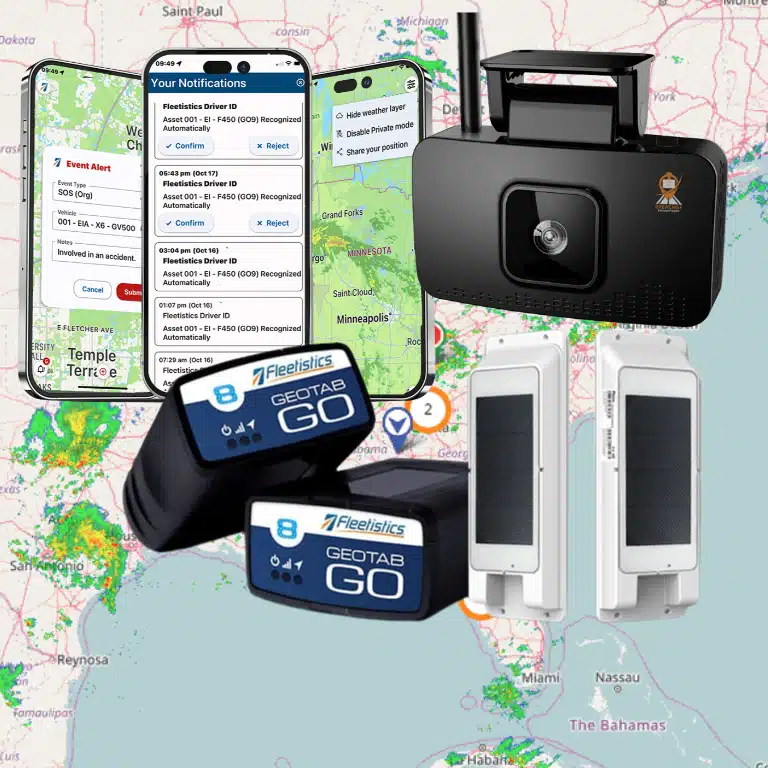

Every time one of your vehicles hits the road in Tampa, you’re taking on a certain amount of risk. Accidents happen, and false claims can lead to costly legal battles and soaring insurance rates. Protecting your drivers, your assets, and your company’s reputation is a top priority. While GPS tracking tells you what happened, integrated dashcams show you why, providing undeniable video evidence that can exonerate your driver in an incident. This powerful combination is the ultimate safety net. We’ll explore how a comprehensive Tampa vehicle tracking system with AI-powered dashcams creates a safer environment and provides peace of mind.
Key Takeaways
- Start with Your “Why”: Before looking at any providers, identify your main goals, such as improving safety or cutting fuel costs. This ensures you choose a system with features that directly address your fleet’s biggest needs instead of paying for extras you will not use.
- Calculate the True ROI: A vehicle tracking system is an investment, not just an expense. Factor in the upfront hardware costs, but focus on the long-term savings from reduced fuel use, lower maintenance bills, and better insurance rates to understand the real financial impact.
- Pair Technology with Transparency: Successful implementation goes beyond just hardware. Combine GPS with dashcams for a full picture, be open with your team by creating a clear written policy, and use the data you collect to make actionable improvements to safety and efficiency.
How to Find the Best Vehicle Tracking Service in Tampa
Finding the right vehicle tracking service in Tampa feels like a huge task, but it doesn’t have to be. The key is to break it down into a few manageable steps. Instead of getting overwhelmed by options, you can approach the search with a clear plan. By focusing on your specific business goals, comparing what you get for your money, and thinking about long-term partnership, you can confidently choose a provider that truly fits your fleet. This approach ensures you get a solution that solves today’s problems and grows with you tomorrow.
Define Your Fleet’s Needs
Before you even look at a single provider, take a moment to look inward at your own operations. What are you trying to achieve? Your answer will guide your entire search. Are you focused on improving driver safety, increasing productivity, or simply becoming more efficient with your routes and fuel? Make a list of your top three priorities. For example, maybe your primary goal is to reduce accidents, followed by cutting fuel costs and verifying hours worked. Having these clear objectives helps you filter out the noise and find fleet management solutions that directly address your biggest pain points, rather than paying for features you’ll never use.
Compare Key Features vs. Price
It’s tempting to just compare the monthly subscription fees, but the cheapest option is rarely the best value. A low price might mean you’re missing out on critical features that could save you thousands in the long run. Create a checklist of must-have features based on the needs you just defined. For instance, combining real-time GPS tracking with AI-powered dashcams gives you a complete view of fleet operations and driver behavior. When you compare providers, look at how their features stack up against your list. A slightly more expensive plan that includes geofencing, driver scorecards, and detailed analytics will almost always deliver a better return on investment.
Ask About Integration and Support
A tracking system should make your life easier, not more complicated. That’s why it’s so important to ask about scalability and support before you sign a contract. Your business is going to grow, so you need a system that can handle more vehicles without a hitch. Ask a potential provider how their platform scales. Equally important is how the system integrates with tools you already use. Can it share data with your payroll or maintenance software? Finally, what does customer support look like? You want a partner you can rely on for setup, training, and troubleshooting. You can compare fleet management platforms to see which ones offer the flexibility and support your business requires.
Must-Have Features for a Vehicle Tracking System
When you start comparing vehicle tracking systems, the number of features can feel overwhelming. While every fleet has unique needs, a few core features provide the foundation for a safer, more efficient operation. Think of these as the non-negotiables. A solid system will give you a clear view of your fleet’s daily activities and provide the data you need to make smarter decisions. From knowing where your vehicles are at all times to understanding how they’re being driven, these features work together to protect your assets, your drivers, and your bottom line.
Real-Time GPS Location
At its core, a vehicle tracking system should tell you exactly where your vehicles are in real time. This isn’t just about dots on a map; it’s about operational control. With live location data, you can dispatch the nearest driver to a new job, give customers accurate arrival times, and respond instantly to emergencies. This visibility is also your first line of defense against theft. If a vehicle goes missing, you can track its location immediately, which significantly improves the chances of recovery. A reliable fleet management solution makes this real-time information accessible and easy to understand.
Geofencing and Instant Alerts
Geofencing allows you to create virtual boundaries around specific locations, like a job site, a client’s office, or your company yard. When a vehicle enters or leaves one of these zones, the system automatically sends you an alert. This is incredibly useful for confirming that drivers are sticking to their assigned territories or for verifying service calls. You can also set up alerts for specific behaviors, such as speeding, excessive idling, or after-hours use. These instant notifications let you address issues as they happen instead of finding out about them days later, giving you proactive control over your fleet’s activity.
AI-Powered Dashcams
Dashcams provide indisputable video evidence of what happens on the road, which is invaluable for resolving accident disputes and reducing liability. When you add artificial intelligence, their power multiplies. AI-powered dashcams can detect risky behaviors like distracted driving, tailgating, or drowsiness in real time and alert the driver to correct their course. This technology acts as an in-cab coach, helping to prevent accidents before they occur. The video footage also provides concrete examples you can use for targeted driver training, creating a stronger safety culture across your entire team.
Driver Behavior Insights
How your vehicles are driven has a direct impact on fuel costs, maintenance expenses, and safety. A good tracking system monitors key behaviors like harsh braking, rapid acceleration, and speeding. This data gives you a clear picture of which drivers are operating safely and which may need additional coaching. By identifying and addressing risky habits, you can reduce wear and tear on your vehicles, improve fuel efficiency, and lower the risk of accidents. Over time, these insights help you build a team of safer, more accountable, and more professional drivers.
Fleet Analytics and Reports
Your tracking system will collect a massive amount of data. The best systems help you make sense of it all with clear, concise analytics and reports. These tools highlight important trends across your fleet, showing you where you can cut costs and improve efficiency. You can analyze fuel consumption, track maintenance schedules, review driver performance, and measure productivity. Instead of guessing, you can use hard data to find opportunities for improvement. Many fleet management platforms allow you to customize these reports to focus on the metrics that matter most to your business goals.
ELD and Compliance Management
For many fleets, staying compliant with government regulations is a top priority. A vehicle tracking system with integrated compliance tools can simplify this process immensely. Features like Electronic Logging Devices (ELDs) automate the tracking of Hours of Service (HOS), reducing the risk of violations and saving drivers from tedious paperwork. Similarly, digital Driver Vehicle Inspection Reports (DVIRs) make it easy for drivers to complete pre-trip and post-trip inspections on a mobile app. This ensures your vehicles are safe to operate and that you have a digital record ready for any audit.
Route Optimization and Mobile Access
Planning the most efficient routes for your drivers can save a significant amount of time and fuel. Route optimization features help you do just that by calculating the best path based on traffic, distance, and the number of stops. This can directly improve your fleet’s productivity and lower daily operational costs. Just as important is the ability to manage your fleet from anywhere. Mobile apps give you the freedom to check vehicle locations, review alerts, and monitor performance from your phone or tablet, ensuring you’re always connected to your operations, whether you’re in the office or on the go.
GPS + Dashcams: A Powerful Combination for Fleet Safety
When you’re managing a fleet, safety isn’t just a buzzword; it’s a top priority that protects your drivers, your assets, and your company’s reputation. While many fleet managers are familiar with GPS tracking and dashcams as separate tools, their true power is unlocked when they work together. Combining these technologies gives you a complete, 360-degree view of what’s happening on the road. You get the hard data from GPS and the visual story from the dashcam, creating an unbeatable system for improving safety and efficiency across your entire fleet.
What is GPS Tracking?
At its core, real-time vehicle tracking gives you a live map of your entire fleet. You can see exactly where every vehicle is at any moment, which is incredibly useful for optimizing routes, responding to customer inquiries, or locating a vehicle in an emergency. But it goes beyond just location. GPS tracking also monitors driver behavior, flagging events like speeding, rapid acceleration, or harsh braking. This data helps you coach drivers toward safer habits, which not only reduces the risk of accidents but also saves money on fuel and maintenance costs over time. It’s the foundation of a smarter, safer fleet.
How Dashcams Add Critical Context
While GPS data tells you what happened, dashcams tell you why. Imagine getting a harsh braking alert. Was your driver being reckless, or did they slam on the brakes to avoid a child chasing a ball into the street? AI-powered dashcams provide that crucial visual context. In the event of an accident, this video footage is undeniable proof that can protect your driver from false claims and shield your business from costly legal battles and insurance hikes. Beyond accidents, this footage becomes an invaluable training tool, allowing you to review real-world scenarios with your team to continuously improve their skills.
What’s the Real Cost of Vehicle Tracking in Tampa?
When you’re looking to invest in a vehicle tracking system for your Tampa-based fleet, the first question is almost always about cost. The truth is, there isn’t a single price tag. The final cost is a mix of monthly subscriptions, initial hardware expenses, and the specific features your business needs. Let’s break down what you can expect to pay so you can build a realistic budget and find a solution that fits your company’s goals without any surprise bills.
Understanding Subscription Models
Most vehicle tracking services work on a subscription basis, which keeps things predictable for your monthly budget. You’ll typically pay a set fee per vehicle, per month. According to industry reports, you can expect these subscription costs to be anywhere from $10 to $50 per vehicle. The price variation depends on the level of service you choose. A basic plan might just offer simple location tracking, while more premium tiers will include detailed reporting, advanced analytics, and dedicated customer support. When comparing providers, look closely at what each subscription tier includes to make sure you’re only paying for the features you’ll actually use.
Factoring in Hardware and Installation
Beyond the monthly subscription, you’ll have some upfront costs for the physical hardware and its installation. The GPS tracking devices themselves are the main component here. Depending on their capabilities, such as whether they include AI dashcam technology or simple plug-and-play functionality, the cost of GPS tracking devices can range from about $50 to $500 each. You also need to account for professional installation, which ensures the devices are set up correctly and securely. Installation fees can add another $100 to $200 per vehicle. While this is a one-time investment, it’s an important part of your initial budget calculation, so be sure to get a clear quote for all hardware and setup fees.
What Influences the Final Price?
Several key factors will influence the final price of your vehicle tracking system. The most obvious one is the size of your fleet. The good news is that many providers offer volume discounts, which can significantly reduce the per-vehicle cost for larger fleets. Another major factor is the complexity of the system and the features you need. A simple location tracker will cost less than a comprehensive platform with geofencing, automated maintenance alerts, and detailed driver behavior monitoring. When you’re getting quotes, be specific about your needs. Do you need to track fuel consumption, monitor engine diagnostics, or integrate with other software? Each of these capabilities can affect the final price, so having a clear list of must-haves will help you get an accurate estimate.
Watch Out for Hidden Fees
When you’re finalizing your budget, it’s smart to ask about any potential hidden fees so you aren’t caught off guard later. Some providers might have charges that aren’t immediately obvious in the initial quote. For example, it’s important to understand the costs associated with software updates, different tiers of customer support, or early contract termination. You should also clarify if there are extra fees for adding features down the road that aren’t part of your initial package. A transparent provider will be upfront about all potential charges. Asking these questions directly before you sign a contract is the best way to ensure the price you agree to is the price you’ll actually pay.
How to Improve Fleet Safety and Efficiency with Vehicle Tracking
Implementing a vehicle tracking system is about much more than just knowing where your vehicles are. It’s about making smarter, data-driven decisions that directly impact your bottom line. When you have clear insights into your fleet’s daily operations, you can make targeted improvements in four key areas: reducing liability, cutting operational costs, improving driver performance, and streamlining your compliance workload. These benefits work together to create a safer, more efficient, and more profitable fleet.
Reduce Accidents and Liability
On the road, anything can happen. A vehicle tracking system with integrated dashcams provides an unbiased record of events, which is invaluable when an accident occurs. Video footage can clearly show who was at fault, protecting your drivers from false claims and potentially saving your company from expensive legal battles and insurance hikes. Beyond video, GPS data provides critical context, showing the vehicle’s speed and location leading up to an incident. This combination of data gives you a complete picture, helping you manage risk and reduce liability across your entire fleet.
Cut Fuel and Maintenance Expenses
Fuel and repairs are two of the biggest expenses for any fleet. A vehicle tracking system helps you get these costs under control by monitoring driver behaviors that waste fuel and cause unnecessary wear and tear. You can easily track habits like speeding, harsh braking, and excessive idling. By identifying and addressing these behaviors, you can significantly reduce fuel consumption and extend the life of your vehicles. These small changes in driver habits add up to major savings, keeping your trucks on the road and out of the repair shop.
Increase Driver Accountability
A tracking system creates a transparent and accountable environment for your entire team. With real-time location data, you can verify service calls, confirm delivery times, and ensure drivers are sticking to their assigned routes. This eliminates guesswork and disputes over work hours or job completion. Some systems even offer in-cab speakers for real-time driver coaching, providing immediate feedback to correct unsafe behaviors as they happen. This proactive approach helps drivers improve their performance on the fly, fostering a culture of safety and personal responsibility.
Simplify Compliance
Meeting government regulations like ELD for hours of service and DVIR for vehicle inspections can be a major administrative headache. The right vehicle tracking system automates much of this process, making compliance simpler and less prone to error. Digital logs and inspection reports are easier to manage, store, and produce during an audit. By integrating these compliance tools into your daily operations, you can save countless hours on paperwork and reduce the risk of costly fines. Choosing from different platforms allows you to find the right fit for your specific compliance needs.
Calculating the ROI of Your Vehicle Tracking System
When you’re thinking about investing in a vehicle tracking system, it’s easy to get stuck on the upfront cost. But the real story is in the return on investment (ROI). A good system doesn’t just cost money; it actively saves you money and makes your entire operation more efficient. The ROI comes from tangible savings in areas you might not have even considered, like lower fuel consumption, fewer costly repairs, and even better insurance rates. It’s about turning data into dollars.
By monitoring your fleet, you gain the power to make smarter decisions that directly impact your bottom line. You can pinpoint wasteful habits, protect your assets from misuse, and build a stronger case for your company’s safety record. Let’s break down exactly where you can expect to see these returns.
Savings on Fuel and Maintenance
One of the quickest ways you’ll see a return is through significant savings on fuel and maintenance. A vehicle tracking system gives you a clear view of driver behaviors that burn through fuel, like speeding, aggressive acceleration, and excessive idling. By setting alerts and coaching drivers on these habits, you can cut your fuel budget dramatically. This responsible driving also means less wear and tear on your vehicles. Fewer instances of harsh braking and rapid acceleration lead to longer-lasting brakes, tires, and engine components, reducing your repair costs and keeping your vehicles on the road instead of in the shop. Proactive fleet management solutions also help you schedule routine maintenance on time, preventing small issues from becoming expensive breakdowns.
Potential for Lower Insurance Premiums
Having a vehicle tracking system can be a powerful tool when negotiating with your insurance provider. Many insurers offer discounts for fleets that use telematics and dashcams because they encourage safer driving. The data provides a concrete record of your fleet’s performance, proving that you are actively working to reduce risk. In the event of an accident, AI-powered dashcams provide indisputable video evidence. This footage can exonerate your driver if they weren’t at fault, protecting you from fraudulent claims and potentially saving you thousands in legal fees and insurance hikes. It’s an investment in safety that also serves as financial protection for your business.
Eliminating Unauthorized Vehicle Use
Are your company vehicles ever used for side jobs or personal errands after hours? Unauthorized use adds mileage, consumes fuel, and increases liability risk, all on your dime. A GPS tracking system puts an end to this by giving you complete visibility over your assets. You can set up geofences to create virtual boundaries around work zones or territories and receive instant alerts if a vehicle leaves a designated area. You can also establish rules for after-hours or weekend usage. This accountability ensures that company vehicles are used strictly for business purposes, protecting your assets and reducing unnecessary expenses. Choosing the right fleet management platform will give you the specific tools you need to enforce your policies effectively.
Staying Compliant: Vehicle Tracking Laws in Florida
Implementing a vehicle tracking system is a smart move for your business, but it’s crucial to handle it correctly to respect your team and stay on the right side of the law. In Florida, the rules are straightforward and designed to protect both employers and employees. By being transparent and creating clear guidelines, you can build trust with your drivers while gathering the data you need to run your fleet more efficiently. Let’s walk through the key legal points you need to know.
Notifying Your Employees
Let’s be real, nobody likes feeling like they’re being spied on. That’s why being upfront with your team about vehicle tracking isn’t just good practice; it’s a legal requirement. In Florida, employers must inform employees that they are being monitored with GPS tracking devices. The Florida Statutes are clear on the need for notice when it comes to electronic surveillance. This simple act of transparency is fundamental to maintaining a healthy and trusting relationship with your drivers. When your team understands the what and why behind tracking, they’re more likely to see it as a tool for safety and efficiency rather than a method of micromanagement.
Why You Need a Written Policy
Think of a written policy as your playbook for vehicle tracking. It’s an essential document that protects your company legally and ensures everyone is on the same page. A clear, accessible policy should outline why you’re using tracking (e.g., for safety, efficiency, or asset protection), what specific data you’re collecting, and how that information will be used. Following the best practices for GPS tracking helps you set clear expectations from the start. This simple step can prevent misunderstandings down the road and demonstrates that you’re a responsible employer committed to operating with integrity. It’s your official guide to using telematics data fairly and effectively.
Handling Data Security and Retention
The data your GPS system collects is a valuable asset, and just like any other asset, it needs protection. As an employer, you are responsible for keeping this information secure from unauthorized access. This means implementing strong security measures to protect your drivers’ location data and other personal details. The Federal Trade Commission provides excellent guidance on safeguarding personal information that every business should follow. You should also establish a data retention policy that specifies how long you’ll store the tracking data. Only keep the information for as long as it serves a legitimate business purpose, then dispose of it securely.
Meeting Federal Requirements
Florida’s rules are just one piece of the compliance puzzle. You also need to be aware of federal laws to ensure you’re fully covered. The primary regulation to know is the Electronic Communications Privacy Act (ECPA), which governs electronic monitoring in the workplace. The ECPA generally permits employers to monitor employees, including through GPS, as long as there is a legitimate business reason for doing so and employees have been notified. Since your goal is to improve safety and efficiency, you’re already on the right track. By pairing a clear business purpose with transparent employee notification, you can confidently meet both state and federal requirements.
Overcome Common Implementation Challenges
Adopting any new technology comes with a few hurdles, and vehicle tracking is no different. But with a little planning, you can make the transition smooth for your entire team. The key is to think ahead about how the system will fit into your current operations, how your team will feel about it, and how you’ll use the information it provides. Getting these pieces right from the start ensures you get the maximum benefit from your investment without the headaches. Let’s walk through the three biggest challenges and how to solve them.
Integrate with Your Existing Systems
Your new vehicle tracking system shouldn’t operate in a silo. To get a truly complete picture of your fleet’s performance, it needs to work with the tools you already use. When your GPS tracking platform and AI-powered dashcams share data, you get a full view of what’s happening on the road. Before choosing a provider, confirm that their system can connect with your other management software. This integration is what turns separate data points into a single, powerful stream of information, streamlining your operations and making everyone’s job easier.
Address Employee Privacy Concerns
Let’s be direct: no one likes feeling like they’re being watched. That’s why it’s so important to be open with your drivers about vehicle tracking from day one. Explain why you’re implementing the system, focusing on the benefits for safety and efficiency. A clear, written policy is your best friend here. It should outline what you’re tracking, why you’re tracking it, and how the data will be used. Remember to check local and state regulations, as some areas require you to notify employees about GPS trackers in company vehicles. Transparency builds trust and shows your team that the goal is a safer, smarter fleet, not micromanagement.
Turn Data into Actionable Insights
A tracking system will give you a mountain of data, but data itself doesn’t do anything. The real value comes from turning that information into action. Your platform should make it easy to spot trends and find opportunities for improvement. For example, you can see which routes are least efficient or identify drivers who could benefit from coaching on fuel-saving habits. The right fleet management solutions make it simple to see important details like vehicle speed, direction, and idling time, so you can make informed decisions that save money and improve performance.
Choose the Right Tracking Solution for Your Business
Picking a vehicle tracking solution for your business is a big decision. With so many options on the market, it’s easy to feel overwhelmed. The key is to find a system that not only solves your current challenges but also acts as a partner in your future growth. Before you sign any contracts, take a step back and think about what you truly need.
First, consider scalability. Your fleet might be a certain size today, but what about in two or five years? The last thing you want is to outgrow your system and have to start this process all over again. A great provider will offer different platforms that can grow with you, ensuring a smooth transition as you add more vehicles and drivers. The system should also be user-friendly. A complicated interface that requires weeks of training will only frustrate your team and hinder adoption. Look for intuitive screens and straightforward features that make it easy for your managers to get the information they need quickly.
Next, focus on features that give you control. A one-size-fits-all approach rarely works in fleet management. You need a system with custom alerts that you can tailor to your specific operational needs. Whether you want to monitor excessive speeding, unauthorized after-hours use, or entry into specific geofenced zones, the right system will put that power in your hands. This level of customization extends to hardware, too. While real-time GPS is the foundation, consider the added security and context provided by AI-powered dashcams. By carefully matching the features to your business goals, you can find a solution that delivers real value and a strong return on investment.
Frequently Asked Questions
What costs should I budget for besides the monthly subscription fee? It’s smart to plan for the one-time hardware costs, which include the tracking devices and any dashcams you choose. You should also account for professional installation fees, which ensure everything is set up correctly from the start. A transparent provider will give you a clear quote that includes all these initial expenses, so you know the full upfront investment before you commit.
How do I get my drivers to accept vehicle tracking? The key is open communication. Before you install anything, explain to your team why you’re implementing the system, focusing on the benefits to their safety and the company’s efficiency. A written policy that clearly outlines what data is collected and how it will be used builds trust. When drivers understand that the goal is to protect them with video evidence and make their routes more efficient, not to micromanage them, they are much more likely to be on board.
Do I really need dashcams if I already have GPS tracking? While GPS tells you what happened (like a harsh braking event), a dashcam shows you why it happened. That visual context is incredibly powerful. It can prove your driver was not at fault in an accident, protecting them and your business from false claims and high insurance costs. The video footage also becomes a fantastic tool for coaching, allowing you to review real-world situations with your drivers to build a stronger safety culture.
How soon will I see a return on my investment? You can start seeing returns fairly quickly, especially in fuel savings. By monitoring and coaching drivers on habits like idling and speeding, you’ll notice a drop in your fuel expenses almost immediately. Over a few months, you’ll also see savings from reduced vehicle wear and tear. The financial protection from a single accident exoneration can often pay for the entire system, making the ROI both immediate and long-term.
With so many features available, which ones are the most important to start with? Start by focusing on the features that solve your biggest problems. For most fleets, this means beginning with real-time GPS location and driver behavior monitoring. This combination gives you immediate operational control and helps you improve safety and fuel efficiency. From there, you can add features like geofencing for territory management or AI dashcams for enhanced safety, building a system that perfectly matches your business goals.