

Thinking about the upfront cost of outfitting your entire fleet with dashcams can be daunting. But it’s more helpful to consider the cost of not having them. One fraudulent claim, one preventable accident, or one lengthy legal dispute can easily cost your business tens of thousands of dollars, far outweighing the initial investment in cameras. A dashcam system isn’t an expense; it’s an essential piece of financial protection for your company. This guide will help you find the best truck dashcam for your needs by focusing on the return on investment, showing you how the right technology can reduce liability and improve operational efficiency.
Key Takeaways
- Think Beyond Simple Recording: A standalone camera is great for evidence, but an integrated fleet solution provides real-time alerts, remote video access, and AI analytics. This connectivity turns your dashcam into an active management tool for a safer, more efficient operation.
- Use Footage for Proactive Coaching: Don’t just wait for an accident to review footage. Use video of risky behaviors, like tailgating or distraction, as powerful training moments to help prevent incidents before they happen and build a stronger safety culture.
- Prioritize Your Must-Have Features: The “best” dashcam depends on your fleet’s specific needs. Decide what matters most to you, whether it’s crystal-clear 4K video for evidence, multi-camera systems to cover blind spots, or a rugged build for durability.
What Makes a Truck Dashcam Great?
When you’re outfitting a commercial fleet, not just any dashcam will do. The camera you’d buy for your personal car is worlds apart from the robust system a truck needs. A great truck dashcam isn’t just about recording the road; it’s about providing a complete, reliable, and actionable view of your fleet’s operations. It’s a tool that protects your drivers, your assets, and your business. So, what features should you actually look for? Let’s break down the essentials that separate a basic gadget from a true fleet-grade solution.
Get Crystal-Clear Video
When an incident occurs, fuzzy, low-quality video is almost as bad as no video at all. The primary job of a dashcam is to capture clear evidence, and that means high-resolution recording is non-negotiable. You need footage sharp enough to read license plates, see road signs, and make out small details, day or night. Look for cameras that record in at least 1080p Full HD, though 2K or 4K resolutions offer even greater clarity. This level of detail is what makes video footage truly useful for insurance claims, police reports, and exonerating your drivers when they aren’t at fault.
See the Whole Picture
A simple forward-facing camera only tells part of the story. To get a complete understanding of any event, you need to see what’s happening all around your vehicle. Multi-camera systems provide that crucial context. A dual-facing camera records both the road ahead and the driver in the cab, which is great for coaching and confirming driver behavior. For total coverage, you can add side and rear cameras to get a nearly 360-degree view. This comprehensive perspective is invaluable for reconstructing accidents, identifying risks, and getting a full picture of what your drivers encounter on the road.
Record Clearly, Day or Night
Your fleet operates in all conditions, and your dashcams need to as well. A camera that works perfectly on a sunny afternoon but fails in low light is a major liability. Look for dashcams with excellent night vision capabilities. Features like Wide Dynamic Range (WDR) help balance light and dark areas, preventing footage from being blown out by headlights or lost in shadows. For in-cabin cameras, infrared (IR) LEDs ensure you get a clear view of the driver even in complete darkness without being distracting. Your camera’s ability to perform 24/7 is essential for reliable protection.
Cover Every Angle (and Blind Spot)
Large commercial trucks have significant blind spots that create serious risks for drivers and others on the road. A great dashcam system helps mitigate this danger. While a front-facing camera is standard, adding side-mounted cameras can give drivers a live view of their blind spots, making lane changes and tight turns much safer. Some systems even integrate with turn signals, automatically displaying the relevant side-camera view on an in-cab monitor. This isn’t just about recording incidents; it’s about actively preventing them by giving your drivers the visibility they need to operate safely.
Choose a Cam That Can Handle the Road
The cab of a commercial truck is a demanding environment. Between constant vibrations, long hours of operation, and extreme temperature swings, a standard consumer dashcam just won’t last. You need a device built for the job. Look for cameras with a high operating temperature range and sturdy, reliable mounting hardware. Industrial-grade dashcams are designed to withstand the rigors of the road, ensuring they’ll be there when you need them most. Investing in a durable camera means less downtime, fewer replacements, and a better return on your investment.
Protect Your Truck, Even When Parked
Your responsibility to protect your assets doesn’t end when the engine is off. Vandalism, theft, and parking lot hit-and-runs are real threats. That’s where parking mode comes in. This feature allows the dashcam to monitor the vehicle even when it’s parked. Using motion or impact sensors, the camera will automatically wake up and record any suspicious activity. For this to work, the camera needs to be hardwired to the vehicle’s battery, but the peace of mind it provides is well worth it. It’s like having a security guard watching over your truck 24/7.
Connect Your Cam to Your Fleet
A standalone dashcam records video, but a connected one transforms your entire operation. Dashcams that integrate with a fleet management platform offer a world of possibilities. With a 4G connection, you can get real-time alerts for harsh driving events, access video footage remotely within minutes of an incident, and track your vehicle’s location with built-in GPS. This connectivity turns the dashcam from a passive recording device into an active management tool. It allows you to respond to issues immediately, coach drivers proactively, and run a smarter, safer, and more efficient fleet.
Our Top Picks for Truck Dashcams
Sorting through the dozens of dashcams on the market can feel overwhelming. That’s why I’ve put together this list of the best options available for commercial trucks. I’ve looked at everything from video quality and field of view to durability and special features that matter most when you’re managing a fleet. You need a camera that not only captures clear footage but also withstands the daily grind of life on the road.
This list includes a mix of cameras to fit different needs and budgets. You’ll find top-of-the-line consumer models that offer fantastic features for smaller fleets or owner-operators. You’ll also see how a dedicated fleet solution provides a level of integration and control that standalone cameras just can’t match. Whether you’re looking for a simple, reliable camera or a fully integrated system that works with your other fleet management platforms, you’ll find a great starting point right here. Let’s get into the cameras that made the cut.
1. Fleetistics AI-Powered Dashcams
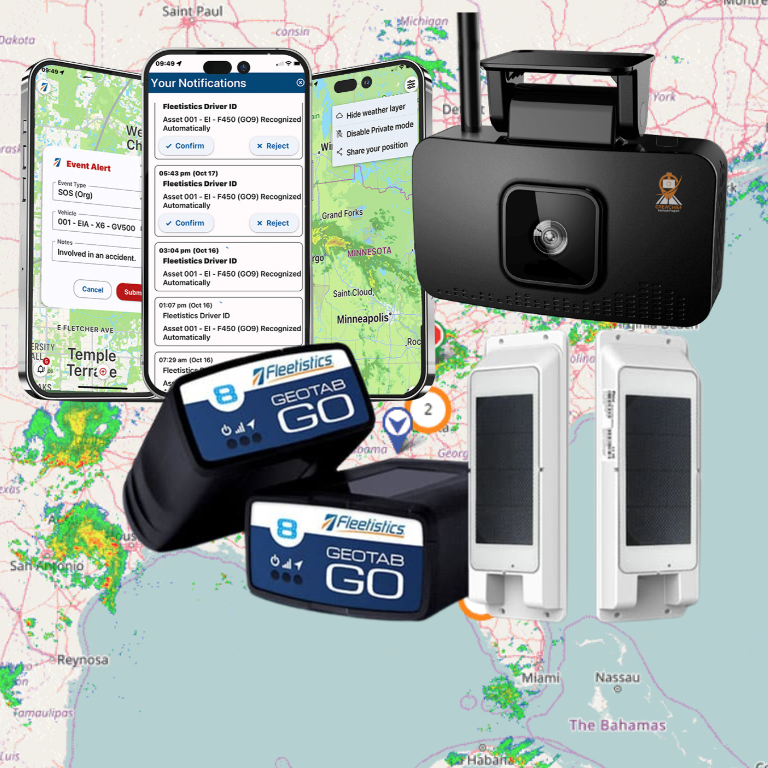
If you’re looking for more than just a recording device, the Fleetistics AI-powered dashcam is in a class of its own. This isn’t a standard consumer camera; it’s a complete safety and management tool designed specifically for fleets. The AI technology is the real game-changer here. It actively detects risky driving behaviors like tailgating, distracted driving, and drowsiness, then sends real-time alerts to both the driver and the manager.
This system goes beyond just capturing accidents. It helps you prevent them by providing actionable data for driver coaching. Because it’s part of the Fleetistics ecosystem, all the video and event data integrates seamlessly with your GPS tracking and fleet analytics. It’s the most proactive way to protect your drivers, your vehicles, and your business. These AI-powered dashcams are an investment in a smarter, safer fleet.
2. Viofo A329S
For pure video quality, the Viofo A329S is a standout. It records in crisp 4K at a smooth 60 frames per second, which means you’ll capture license plates and other small details with exceptional clarity, even when vehicles are moving fast. One of its best features for truckers is the ability to save footage to large external hard drives (SSDs), so you don’t have to worry about running out of space on long trips.
The super-fast Wi-Fi also makes transferring large video files quick and painless. The main drawback, as noted in a Car and Driver review, is that the built-in screen can be tough to see depending on your truck’s cabin layout. At around $400, it’s a powerful camera for those who prioritize top-tier video resolution.
3. Vantrue N5S
When you need to see everything, the Vantrue N5S delivers. This is a four-channel system, meaning it records from the front, rear, and both sides of your truck, giving you nearly 360-degree coverage. This is incredibly valuable for eliminating blind spots and getting a complete picture of any incident. The video quality is excellent across all four cameras, and it includes a built-in screen for easy setup and playback.
Its parking mode is also impressive, as it can capture footage of events even before an impact occurs. The trade-offs are a higher price tag (around $320 to $400) and a more involved installation process that requires running multiple cables. For fleets that need maximum visibility, however, the comprehensive coverage of the Vantrue N5S is hard to beat.
4. 70Mai T800
The 70Mai T800 hits a sweet spot between performance and price, making it a fantastic midrange option. It provides excellent coverage for the front, rear, and interior of the cab without a top-tier price tag. The front and rear cameras record in 4K, and it offers solid night vision for clearer footage after dark. It also includes a 24-hour parking surveillance mode to protect your vehicle when it’s not on the road.
While it’s a strong contender, there are a couple of things to keep in mind. Some users find the companion app a bit clunky, and fine details in low-light conditions can sometimes appear a little blurry. Still, for a price between $360 and $410, the 70Mai T800 offers a robust set of features for the money.
5. Baseus VD1 Pro
The Baseus VD1 Pro is an innovative and budget-friendly choice, perfect for those who want key features without a big investment. Its most unique feature is the solar panel, which helps charge the battery used for its parking mode. This is a clever solution that reduces the drain on your truck’s main battery. The camera itself is small and discreet, so it won’t obstruct the driver’s view.
It records in 4K from the front camera and 1080p from the rear, includes GPS to log location and speed, and has motion detection for parking incidents. The screen is quite small, which can make setup a bit tricky, but its performance and unique solar capability make it a standout. With a price of around $110 to $170, the Baseus VD1 Pro offers incredible value.
Head-to-Head: How Do These Dashcams Compare?
Choosing the right dashcam isn’t about finding a single winner; it’s about matching the camera’s strengths to your fleet’s unique needs. Your top priority will determine which model makes the most sense. Are you focused purely on capturing the highest quality accident footage, or do you need a tool that helps you coach drivers and monitor the cabin? Let’s break down how our top picks stack up against each other.
For pure video evidence, the Viofo A329S is a standout. Its 4K resolution at a smooth 60 frames per second is exceptional for capturing crisp details like license plates, even when vehicles are moving quickly. On the other hand, if total surveillance is your goal, the Vantrue N5S is built for the job. As a four-channel system, it records the road ahead, behind, and on both sides of the interior, giving you a complete picture of any event. For fleets in tight urban environments, the 70mai Omni X800 offers a unique advantage with its rotating camera that provides a 360-degree view around the front of the truck.
The biggest difference, however, comes down to integration. Consumer cameras like the Viofo, Vantrue, and 70mai are excellent standalone devices. They record high-quality footage to an SD card, but getting that footage usually requires physically retrieving it from the vehicle. In contrast, AI-powered dashcams are designed as part of a complete fleet management system. They don’t just record video; they analyze it. These systems automatically upload footage of critical events like hard braking or collisions to a central platform, sending you instant alerts.
Ultimately, the choice reflects your operational goals. If you simply need a reliable device to provide clear evidence after an incident, a high-end consumer cam will serve you well. But if you want to proactively improve driver safety, reduce risky behavior, and streamline your entire incident review process, an integrated fleet solution is the more powerful choice. It transforms the dashcam from a simple recording device into an active safety and management tool.
Finding the Right Dashcam for Your Budget
Choosing the right dashcam often comes down to balancing your budget with the features you need to protect your fleet. While consumer-grade cameras offer a great starting point, it’s important to remember that they often lack the integration and advanced features of a dedicated fleet solution. As you explore your options, think about how a camera will fit into your larger safety program. A standalone camera can record an accident, but an integrated system with AI-powered dashcams can help prevent one by detecting distracted driving in real time. Let’s break down what you can expect at different price points.
Best on a Budget (Under $170)
If you’re looking to equip your fleet without a huge upfront investment, you can still find reliable options. The Vantrue E1 Pro is a standout choice in this category, priced at around $160. It’s compact enough to be easily concealed behind a rearview mirror, yet it delivers crisp 4K video quality. One of its most practical features is a special filter that cuts down on dashboard glare, ensuring a clearer picture. While it doesn’t have the multi-camera setups of pricier models, it provides the essential front-facing evidence you need to protect your business from false claims. It’s a solid, no-frills starting point for any fleet manager.
The Sweet Spot ($170–$320)
This mid-range category is where you start to see more advanced features that provide greater context during an incident. Hitting the top of this price bracket at around $320, the Vantrue N5S is an excellent four-channel system. It records the front, back, and both sides of the vehicle’s interior, giving you nearly 360-degree coverage. This is a huge advantage for fleets that transport passengers or want a complete picture of driver behavior. For a modest increase in price, you get a significant upgrade in visibility, making it a worthwhile investment for fleets that need more than just a view of the road ahead.
Top-Tier Cams ($320+)
For fleets that want the best video quality and most comprehensive coverage, premium cameras are the way to go. The Viofo A329S, which costs about $400, captures incredibly smooth 4K video at 60 frames per second. This high frame rate makes it easier to see crucial details on moving objects, like license plates. Other top-tier options, like the 70Mai T800 and Vantrue E360 Panoramic, offer multi-camera systems for a full 360-degree view inside and out. These cameras represent the peak of consumer technology, but for true fleet management, you’ll want to compare platforms that integrate this level of hardware with powerful analytics and real-time alerts.
How Dashcams Protect Your Drivers and Fleet
Think of a dashcam as more than just a camera; it’s your fleet’s best line of defense on the road. For fleet managers, the safety of your drivers and the integrity of your brand are top priorities. Dashcams provide an unbiased, minute-by-minute record of what happens in and around your vehicles, offering crucial protection when you need it most. From providing indisputable proof in an accident to helping you coach safer driving habits, these devices are a fundamental part of a modern safety program.
The right dashcam solution acts as your eyes and ears on the road, capturing high-definition video that can exonerate your drivers, shut down fraudulent claims, and identify risky behaviors before they lead to a serious incident. When integrated with a full fleet management platform, the data they provide becomes even more powerful. You can pair video footage with GPS data, speed, and vehicle diagnostics to get a complete picture of any event. This level of insight not only protects your assets but also empowers you to build a stronger, safer, and more accountable team.
Have Proof When Accidents Happen
When an accident occurs, the first few minutes are a chaotic mix of conflicting stories. A dashcam cuts through the noise. It provides clear, objective video evidence of the moments leading up to, during, and after a collision. This footage is invaluable for police reports and insurance claims, establishing exactly what happened without relying on eyewitness accounts that can be unreliable or biased. Instead of a drawn-out “he said, she said” dispute, you have a factual record. This helps expedite the claims process, reduces administrative headaches, and ensures your driver isn’t unfairly blamed for an incident they didn’t cause. It’s the most straightforward way to protect your driver and your company.
Stop Fraudulent Claims in Their Tracks
Commercial vehicles are often seen as easy targets for fraudulent “crash-for-cash” schemes, where scammers intentionally cause an accident to file a large insurance claim. Without video proof, defending against these claims can be incredibly difficult and expensive. A dashcam is your best tool to fight back. Clear footage can instantly disprove a fraudulent claim by showing who was truly at fault, whether the other driver slammed on their brakes unexpectedly or cut your driver off. This not only saves you from massive payouts and legal fees but also protects your company’s reputation and insurance record from being tarnished by false accusations. It’s a small investment that can prevent a major financial loss.
Coach Drivers and Spot Fatigue
Modern dashcams do more than just record accidents; they help prevent them. AI-powered systems can actively monitor for risky driving behaviors like tailgating, harsh braking, cell phone use, and signs of drowsiness. When the system detects a risk, it can provide an immediate in-cab audio alert to the driver, correcting the behavior in real time. As a manager, you receive event footage that you can use for constructive coaching sessions. This transforms dashcams from a reactive tool into a proactive one, helping you build a culture of safety and reduce incidents across your entire fleet. It’s about empowering your drivers with feedback, not just monitoring them.
Lower Your Insurance Premiums
While most insurance providers don’t offer a direct discount just for having a dashcam, the indirect savings can be substantial. The real financial benefit comes from your ability to prove non-fault in accidents. By avoiding costly claims where your driver was not at fault, you keep your insurance record clean. Over time, a demonstrated history of safety and fewer claims can lead to better rates upon renewal. Furthermore, by quickly resolving disputes with video evidence, you reduce the legal and administrative costs associated with accidents. Your insurance provider will see you as a lower-risk client because you have the tools to defend your fleet and promote safe driving.
5 Dashcam Myths to Stop Believing
Dashcams have become a hot topic in fleet management, but there’s still a lot of misinformation out there. If you’ve been on the fence about adding them to your trucks, it might be because one of these common myths is holding you back. Let’s clear the air and look at what modern dashcams really bring to the table for your fleet.
Myth 1: Dashcams are just for insurance claims
It’s easy to think of dashcams as a tool you only use after an accident. While they are absolutely critical for providing clear evidence in insurance claims, their real value is in preventing incidents from happening in the first place. Think of them as a proactive coaching tool that helps improve driver behavior day in and day out. In fact, when used as part of a complete safety program, dashcams can help reduce accident rates significantly. They provide real-time monitoring and valuable footage that you can use to train drivers, recognize safe habits, and build a stronger safety culture across your entire fleet.
Myth 2: All dashcams are the same
You might think a dashcam is a dashcam, but that’s like saying all trucks are the same. The reality is that they vary widely in quality, features, and what they can do for your business. Basic consumer models might just record video, but advanced fleet dashcams offer so much more, including AI-powered event detection, GPS tracking, night vision, and secure cloud storage. For maximum benefit, it’s best to choose a system that integrates with your existing telematics platform. This creates a single, powerful hub for managing vehicle data, video footage, and driver performance, giving you a complete picture of your operations.
Myth 3: Dashcams invade driver privacy
This is a big concern for drivers and fleet managers alike, and it’s completely valid. No one wants to feel like they’re being watched constantly. However, many modern dashcams are designed with privacy in mind. Instead of recording every second of a trip, they can be configured to only capture specific events, like hard braking, sudden swerving, or an actual collision. This event-based approach respects the driver’s privacy during routine driving while still capturing the critical moments you need for safety and liability protection. The key is transparency; having a clear policy and communicating with your drivers about how and why the cameras are used builds trust.
Myth 4: Dashcams are too expensive for fleets
The upfront cost of a dashcam system can seem like a major expense, especially for a large fleet. But it’s more helpful to think of it as an investment with a strong return. The long-term savings often far outweigh the initial cost. Consider the money saved from reduced accidents, fighting fraudulent claims, and potentially lower insurance premiums. Add in the benefits of improved driver performance and better fuel efficiency, and the ROI becomes even clearer. Many fleets find that the cost-benefit analysis of dash cameras shows a return on their investment within just a few months of implementation.
Myth 5: Dashcams are only useful after an accident
Waiting for an accident to happen before you use your dashcam footage is a missed opportunity. The most effective safety programs use dashcams as a proactive tool. The video they capture provides concrete examples for driver coaching, helping you identify and correct risky behaviors before they lead to an incident. For instance, you can spot patterns of tailgating, rolling through stop signs, or distracted driving and address them with targeted training. Fleets that use dashcams for regular driver coaching often see a dramatic reduction in unsafe driving events, making the roads safer for everyone and protecting your company’s reputation.
Real Talk: What Drivers Say About These Cams
Dashcams are a fantastic tool, but they’re not just another piece of equipment. They’re in the cab with your drivers every single day, and understanding their perspective is key to a successful rollout. After all, a tool is only effective if the person using it is on board.
We’ve sifted through forums, reviews, and driver feedback to get the real story on what they love and what drives them crazy about dashcams. Getting this right means choosing a camera that not only protects your business but also supports your drivers on the road. When drivers feel the technology is there to help them, not just watch them, you create a stronger, safer team. Let’s get into what they’re actually saying.
The Good: What Drivers Love
First and foremost, drivers see dashcams as their best defense against false claims. When an accident isn’t their fault, that video footage is undeniable proof that can save their career and protect the company’s reputation. It’s an impartial witness that works for them. They also appreciate high-quality video that leaves no room for doubt. Clear, 4K resolution that can capture a license plate number from a distance is a feature drivers consistently praise.
Beyond protection, drivers value cameras that are easy to use and don’t add to their cognitive load. Simple interfaces, reliable recording, and straightforward playback are big wins. Some drivers even enjoy extra features, like creating time-lapse videos of their routes to share. When a dashcam feels like a helpful tool rather than a chore, it gets a thumbs-up from the person behind the wheel.
The Bad: Common Complaints
On the flip side, drivers have some valid complaints about consumer-grade dashcams. A common frustration is poor design. Tiny buttons and small, hard-to-see screens are difficult and unsafe to operate from the driver’s seat. Another frequent issue is the messy installation. A web of cables cluttering the dashboard and obstructing views is not just an annoyance; it’s a potential hazard.
Performance issues also top the list of grievances. Dashcams that overheat and shut down, have unreliable motion detection for parking mode, or offer poor video quality in low light don’t provide the peace of mind they promise. Many drivers also express concerns about privacy, especially with inward-facing cameras. They worry about feeling constantly monitored, which is why AI-powered dashcams that only flag critical events are often a better fit for fleets.
Consumer Cam vs. Fleet Solution: Which Do You Need?
Deciding between a standard dashcam from a big-box store and a dedicated fleet solution can feel complicated, but it really comes down to your specific needs. One is a simple recording device, while the other is a key part of a larger business management system. Let’s break down when each one makes the most sense for you.
When a Standard Dashcam Is Enough
If you’re an owner-operator or have a very small fleet, a standard consumer dashcam might be all you need. These cameras are great for creating a simple video record of what happens on the road. Think of it as a straightforward insurance policy. In the event of an accident, you’ll have footage to share with police or your insurance company to show what really happened.
Most of these cameras are easy to install; you just attach them to your windshield and plug them in. They do their job without much fuss. For many drivers, the peace of mind that comes from simply recording accidents is enough. If your main goal is just to have a video log for worst-case scenarios, a consumer cam is a solid, budget-friendly choice.
When to Choose a Fleet Solution
The moment your focus shifts from just protecting yourself to protecting your entire business, it’s time to consider a fleet solution. When you have multiple drivers and vehicles on the road, your liability grows. A professional-grade dashcam system is designed to protect your business from false claims, which can save you thousands in legal battles and insurance hikes. If another driver wrongly blames your employee for an accident, clear video evidence is your best defense.
These systems offer more than just a forward-facing view. You can get dashcams with multiple cameras to cover the interior, sides, and rear of the truck, eliminating blind spots. This comprehensive coverage gives you a full picture of any incident, protecting both your driver and your company assets.
Why AI and Fleet Integration Matter
A true fleet solution goes far beyond just recording video. When your dashcams are integrated into a fleet management platform, they become powerful data-gathering tools. This is where features like Artificial Intelligence (AI) and real-time connectivity change the game. Instead of just reviewing footage after an accident, AI can proactively identify risky behaviors like distracted driving or fatigue and send you an alert instantly.
This integration allows you to see the full context. The video is paired with GPS data, speed, and vehicle diagnostics on a single screen. You can coach drivers, optimize routes, and manage maintenance all from one place. Choosing an integrated system means you’re not just buying a camera; you’re investing in a smarter, safer, and more efficient way to run your entire fleet. You can see how these systems work on different platforms to find the right fit.
Frequently Asked Questions
What’s the real difference between a consumer dashcam and a dedicated fleet solution? Think of it this way: a consumer dashcam is a passive recording device, while a fleet solution is an active management tool. A standard camera records video to an SD card that you have to physically retrieve. A fleet solution, however, is connected. It can automatically upload important video clips to the cloud, send you real-time alerts for risky driving, and integrate video footage with GPS and vehicle data on one platform.
My drivers are worried about privacy. How do in-cab cameras work without feeling like “Big Brother”? This is a completely valid concern, and modern fleet systems are designed to address it. Instead of constant surveillance, professional-grade dashcams use event-based recording. The camera only saves and flags video clips when it detects a specific event, like hard braking, a sharp turn, or a collision. This approach respects a driver’s privacy during routine driving while ensuring you have the footage you need when it matters most.
How does a dashcam system actually save my fleet money? The savings come from several places. First, having clear video evidence helps you quickly shut down fraudulent claims and prove your driver was not at fault in an accident, which avoids costly legal battles and insurance hikes. Second, AI-powered systems help you coach drivers to be safer and more efficient, reducing wear on vehicles and preventing accidents. Over time, a better safety record can also lead to more favorable insurance rates.
With so many features, what’s the single most important thing to look for in a truck dashcam? While high-resolution video and night vision are essential, the single most important feature is connectivity. A dashcam that integrates with your fleet management platform is far more powerful than a standalone device. This connection is what allows for real-time alerts, remote video access, and the ability to pair footage with other data like speed and location. It transforms the camera from a simple recorder into a proactive safety tool.
Do I really need AI features, or is just recording video enough? Just recording video is a reactive approach; you only use it after something has already gone wrong. AI features make your safety program proactive. An AI-powered dashcam actively scans for risks like driver fatigue or cell phone use and can provide an immediate in-cab alert to correct the behavior. This helps prevent incidents from ever happening, which is always better than just having a perfect recording of a collision.