
The cost of a GPS tracking system is a common concern, but it’s important to look at the full picture. The upfront hardware price and monthly subscription fee are only part of the equation. A better question to ask is, “What is the cost of not having one?” Think about the potential savings from reduced fuel consumption, lower maintenance bills, and improved driver productivity. Consider the value of recovering a single stolen vehicle or piece of equipment, which could save your business thousands. The best real time tracking system is an investment that pays for itself, providing a clear return by making your entire operation more efficient, secure, and accountable.
Since 2001 · Trusted Fleet Management
Stop Guessing.
Start Managing Your Fleet Smarter.
GPS tracking, dashcams & compliance tools
that cut costs and keep your drivers safe.
✔ No commitment required · ✔ US-based support · ✔ Free platform comparison
Key Takeaways
- Distinguish between business and personal needs: Professional fleet systems are built for scalability and deep data analysis, while consumer trackers are designed for locating misplaced personal items.
- Focus on data to get the best return: The most valuable trackers provide more than just location; they offer detailed reports on driver behavior, fuel use, and vehicle health that lead to real savings.
- Recognize why subscriptions are necessary: For reliable, real-time tracking, a monthly subscription is essential, as it pays for the cellular connection and software access critical for managing a commercial fleet.
What Is Real-Time GPS Tracking?
Real-time GPS tracking is exactly what it sounds like: a way to see the precise location of your vehicles and assets as they move, right now. Unlike older, passive systems where you had to download data after a trip was over, real-time tracking sends live updates directly to your computer or mobile device. This gives you a constant, immediate view of your entire fleet on a single map, which is essential for effective management.
These systems work by placing a small tracking device in each vehicle. The device uses the Global Positioning System (GPS) to pinpoint its location and then transmits that data over a cellular network. This is why most professional-grade trackers operate on a subscription model; the fee covers the cellular data required to send you those constant updates. This technology is the foundation of modern fleet management solutions that help businesses run more efficiently.
For a fleet manager, this instant visibility is a game-changer. It allows you to make smarter, faster decisions that impact your bottom line. You can optimize routes on the fly to reduce fuel consumption, dispatch the closest driver to a new job, or verify that a team arrived at a customer site on time. When you can see everything as it happens, you move from reacting to problems to proactively managing your operations. You can explore different tracking platforms to see how this data is presented.
The quality of a real-time tracker often comes down to two key factors: update frequency and location accuracy. Good trackers provide location updates every 15 to 60 seconds, with premium services offering pings as fast as every 5 seconds. Accuracy is also critical, with most reliable devices being able to pinpoint a vehicle’s location to within 8 to 15 feet. This level of detail gives you the reliable information you need to manage your fleet with confidence.
Essential Features for Any Real-Time Tracker
When you start shopping for a GPS tracker, you’ll quickly find there are countless options available. To find the right one, you need to look past the flashy ads and focus on the features that will actually make a difference for you. Whether you’re tracking a fleet of commercial trucks or a single valuable asset, a few core functions separate a basic device from a truly useful tool. Understanding these key features will help you compare your options and choose a tracker that fits your goals and your budget.
Update Frequency and Location Accuracy
The term “real-time” can mean different things. For some trackers, it means an update every minute, while premium devices can ping their location every 5 to 10 seconds. A good standard to look for is an update every 15 to 60 seconds. Just as important is accuracy. Most quality GPS trackers can pinpoint a location within 8 to 15 feet in open areas. For fleet management, faster updates mean you can give customers more precise ETAs and see exactly where your vehicles are. For theft recovery, that level of accuracy can be the difference between finding your asset and losing it for good. Different fleet management platforms offer various update speeds, so consider what level of detail you truly need.
Battery Life and Power Options
How a tracker gets its power is a bigger deal than you might think, as it affects both installation and discretion. You generally have three choices. OBD-II trackers plug directly into your vehicle’s diagnostic port. They’re incredibly easy to install and draw power from the car, but they’re also easy for a driver or thief to spot and unplug. Hardwired trackers are connected to the vehicle’s battery. This makes them completely hidden and ensures a constant power source, which is ideal for theft prevention. However, they usually require professional installation. Finally, battery-powered trackers offer the most flexibility. You can hide them anywhere, but you’ll have the recurring task of recharging them, which can be a hassle for a large fleet.
Geofencing and Alert Capabilities
This is where a simple dot on a map becomes a powerful management tool. Geofencing lets you draw virtual boundaries around real-world locations, like a job site, a customer’s office, or your main yard. Once you set up a geofence, the system can automatically send you an alert via text or email. You can get notified when a vehicle enters or leaves a designated area, which is perfect for confirming arrivals or preventing unauthorized use after hours. You can also set up alerts for other events, like speeding or when a vehicle starts moving unexpectedly. These instant notifications are a core part of what makes real-time tracking solutions so effective for managing daily operations and security.
Driver Behavior Monitoring
A great tracker tells you more than just where a vehicle is; it tells you how it’s being driven. Many modern trackers can detect unsafe or inefficient driving habits like speeding, harsh braking, and rapid acceleration. This information is invaluable for coaching drivers, improving safety, and reducing wear and tear on your vehicles. Over time, addressing these behaviors can lead to significant savings on fuel and maintenance costs. For even deeper insights, some systems pair this data with AI-powered dashcams to provide video evidence and a more complete picture of what’s happening on the road. This helps protect your drivers and your business from false claims in the event of an accident.
Durability and Weather Resistance
If you’re tracking an asset that will be exposed to the elements, durability is non-negotiable. Look for trackers with a strong, rugged casing that can handle bumps and vibrations. For anything that will be mounted on the outside of a vehicle or on equipment stored outdoors, you’ll need a device that is waterproof and can operate in a wide range of temperatures. This is especially important for tracking trailers, containers, construction equipment, and watercraft. A consumer-grade tracker simply won’t last in these tough environments, so be sure to check the device’s specifications for weather resistance before you buy.
Subscription vs. One-Time Costs
Most real-time GPS trackers require a monthly subscription, which typically costs between $15 and $50 per month. This fee isn’t just for the device; it covers the cost of the cellular data the tracker uses to send its location back to you. It also includes access to the software platform where you can view maps, run reports, and set up alerts. While some simple trackers like Apple AirTags have no monthly fee, they don’t offer the same live tracking or detailed reporting capabilities. When you’re evaluating costs, think about the value that data provides. For a business, the monthly fee is often a small price to pay for the savings gained from improved efficiency and security.
Common Uses for Real-Time Tracking
Real-time GPS tracking has applications that stretch far beyond simply showing a dot on a map. From massive commercial fleets to individual valuable assets, this technology provides the data needed to make smarter, safer, and more efficient decisions. While you might be familiar with personal uses, the true power of real-time tracking is most visible in its commercial and logistical applications. It’s a versatile tool that helps businesses protect their investments, streamline operations, and gain a clear view of their day-to-day activities. Understanding these common uses can help you see how tracking technology might fit into your own operational strategy.
Fleet and Commercial Vehicle Tracking
For any business with vehicles on the road, real-time tracking is a game-changer. It’s the core of modern fleet management, giving you the ability to see your vehicles’ locations at any given moment. This visibility is about more than just knowing where your trucks are. It allows you to optimize routes on the fly, reduce idle time to save on fuel, and provide customers with accurate ETAs. More importantly, it’s a key component of improving driver safety by monitoring behaviors like speeding or harsh braking. Knowing where your vehicles are at all times helps you run a more efficient, safe, and accountable operation from top to bottom.
Asset and Equipment Monitoring
Tracking isn’t just for things with engines. Your business likely has thousands, if not millions, of dollars invested in trailers, containers, generators, and heavy machinery. Real-time GPS trackers can be attached to these valuable assets to ensure they are secure and accounted for, whether they’re on a job site or in a storage yard. This gives you a complete inventory of your equipment’s location and status without needing to be there in person. It’s an essential tool for preventing loss, confirming that equipment is where it should be, and making sure your most important tools are ready for the next job.
Personal Safety and Family Tracking
While our focus is on business applications, it’s helpful to know that GPS trackers are also widely used for personal safety. Many people use them to keep an eye on new teenage drivers, monitor elderly family members who may wander, or simply track their own vehicles for security. This widespread personal use demonstrates how reliable and accessible the technology has become. The same core principles of providing location data for peace of mind and safety are what make these devices so powerful when scaled up for professional use in a commercial fleet or for asset protection.
Theft Recovery and Logistics
One of the most critical functions of a real-time tracker is its role in theft recovery. If a vehicle or a valuable piece of equipment is stolen, a GPS device dramatically increases the odds of getting it back quickly. You can provide law enforcement with the exact location, turning a potential total loss into a successful recovery. Beyond theft, these trackers are vital for logistics. You can receive instant alerts if an asset moves outside of a designated area (a geofence) or during non-working hours. This allows you to address potential security breaches immediately instead of discovering them hours or days later.
A Comparison of the Best Real-Time GPS Trackers
With so many GPS trackers on the market, finding the right one can feel like a challenge. Each device comes with its own set of features, costs, and ideal use cases, and what works for finding your lost keys won’t work for managing a commercial fleet. To help you sort through the options, I’ve compared seven of the best real-time trackers available. We’ll look at everything from comprehensive fleet management systems to simple, budget-friendly tags. This comparison will give you a clear picture of what each tracker does best, so you can find the perfect fit for your vehicles, assets, or equipment.
1. Fleetistics (For Fleets & Assets)
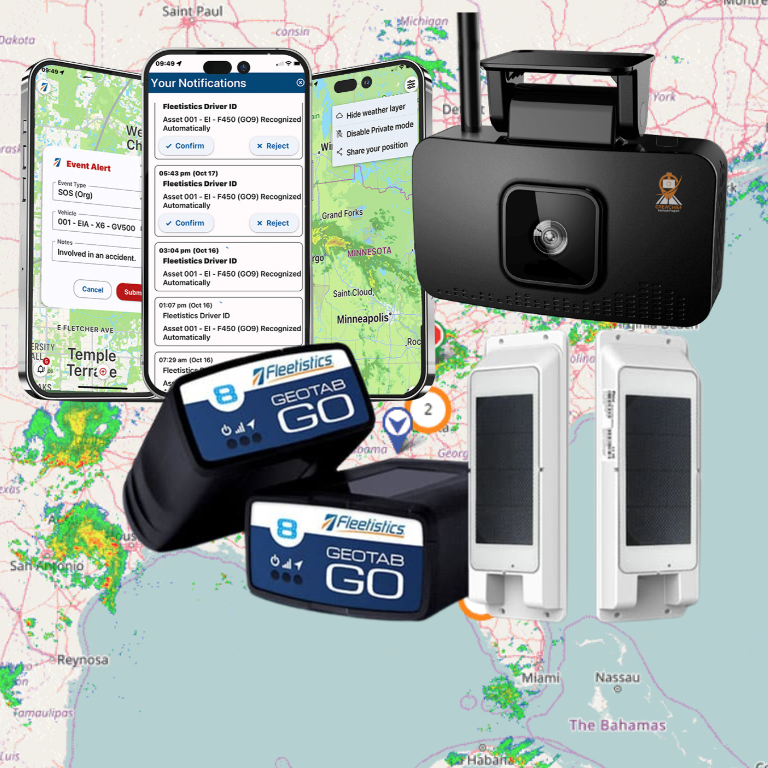
Fleetistics is a complete solution designed specifically for businesses that manage vehicles and high-value assets. It goes beyond simple location pings, offering a comprehensive platform that integrates real-time GPS tracking with AI-powered dashcams, driver behavior monitoring, and maintenance scheduling. This system is built to scale with your business, providing detailed analytics and reports that help you reduce costs, improve safety, and streamline operations. Because it’s a professional-grade system, you get robust data, reliable network coverage, and the ability to integrate information with other business software. It’s the ideal choice for any company looking for a powerful, all-in-one fleet management tool.
2. LandAirSea 54
The LandAirSea 54 is a popular choice for its durability and straightforward design. This compact, waterproof device has a powerful internal magnet, making it easy to attach to vehicles, trailers, or equipment without any complicated installation. It provides reliable real-time tracking that you can view from a web browser or a mobile app. While it’s a very capable tracker for monitoring location, it’s more of a standalone device. It doesn’t offer the deep fleet analytics or driver monitoring features found in a dedicated system like Fleetistics. It’s best suited for businesses or individuals who need a rugged, simple, and dependable way to keep an eye on a few specific assets.
3. Tracki Pro
Tracki Pro is known for its versatility and affordability, making it a solid option for tracking a wide range of items, from vehicles to individual packages. It’s a small device that offers worldwide coverage and provides alerts for movement, speeding, and geofence crossings via email and text. The Tracki Pro is a good middle-ground device; it offers more features than a basic Bluetooth tag but is less comprehensive than a full fleet management system. It’s a practical choice for small businesses or individuals who need flexible tracking for different types of assets and appreciate getting timely notifications without needing complex reporting tools.
4. Optimus 2.0
The Optimus 2.0 GPS Tracker is another strong contender, particularly for those who want detailed tracking reports without committing to a large-scale platform. It delivers fast, accurate location updates and allows you to see a vehicle’s travel history, speed, and stops. The companion app is user-friendly and provides customizable alerts for things like movement and geofencing. The Optimus 2.0 is often used for tracking individual vehicles, whether for a small business, family use, or asset protection. It strikes a good balance between providing valuable data and remaining simple enough for anyone to use, making it a great entry point into real-time GPS tracking.
5. Bouncie
Bouncie is a plug-and-play device that connects directly to a vehicle’s OBD-II port, which is the diagnostics port found on most cars made since 1996. This makes installation incredibly simple, with no wires or batteries to worry about. In addition to real-time location tracking, Bouncie provides vehicle health diagnostics, like engine trouble codes, fuel levels, and battery status. It also tracks driving habits such as hard braking and rapid acceleration. This makes it a fantastic tool for small businesses or families who want an easy way to monitor both the location and condition of their vehicles without professional installation.
6. Apple AirTag
Apple AirTags are a budget-friendly and subscription-free option for tracking personal items. They work by leveraging Apple’s massive ‘Find My’ network, which uses signals from hundreds of millions of iPhones, iPads, and Macs to report an AirTag’s location. While they are excellent for finding lost keys or a bag left at a café, they are not true real-time GPS trackers. An Apple AirTag only updates its location when another Apple device is nearby, so it isn’t suitable for professional vehicle or asset tracking where continuous, live monitoring is necessary. Think of it as a great tool for recovering misplaced items, not for managing a fleet.
7. Tile Pro
Similar to the Apple AirTag, the Tile Pro is a Bluetooth tracker designed to help you find lost personal items. It uses a smartphone app and its own network of users to locate a missing tag. The Tile Pro has a loud ringer and a longer range than many other Bluetooth trackers, making it effective for finding things around the house or in a busy area. However, like the AirTag, it relies on proximity to other devices in the Tile network and is not a real-time GPS tracker. It’s a fantastic solution for keeping track of your wallet or work tools, but it lacks the features, reliability, and live tracking capabilities required for professional fleet or asset management.
Subscription vs. No-Subscription Trackers: Which Is Better?
When you start looking at GPS trackers, one of the first questions you’ll face is whether to choose a device with a monthly subscription or one with a simple, one-time cost. While the idea of no recurring fees is appealing, the answer for any business is rarely that simple. The truth is, that monthly fee is what makes real-time tracking possible.
A subscription fee typically covers the cost of a built-in cellular connection. This connection allows the device to constantly send its location data over a network, giving you the live, up-to-the-minute updates you need to manage a fleet. Without it, the tracker is just a box that knows where it is but has no way to tell you. Subscription-based services also give you access to a powerful software platform where you can analyze data, set up geofence alerts, and monitor driver behavior. These features are the foundation of effective fleet management.
So, what about no-subscription trackers like Apple AirTags or Tiles? These devices are great for finding your keys or a lost backpack. They work by using Bluetooth to connect to a nearby phone in their network, which then reports the location. This is clever, but it’s passive and unreliable for tracking a vehicle that’s miles away and constantly moving. For professional asset and vehicle tracking, you can’t afford to hope that someone with the right app happens to drive by your missing trailer.
Ultimately, the “better” option depends entirely on your goal. If you need to track a high-value asset or a fleet of vehicles for commercial purposes, a subscription-based real-time GPS tracker isn’t just the better choice; it’s the only one that truly works. The subscription is an investment in the reliability, accuracy, and data you need to protect your assets and run your business efficiently. For personal items that you might misplace nearby, a no-fee tracker is a perfectly suitable and affordable solution.
Fleet Tracking vs. Consumer Trackers: What’s the Difference?
When you’re looking for a GPS tracker, you’ll find two main categories: consumer trackers and professional fleet trackers. While they both use GPS to pinpoint location, they are built for entirely different purposes. A consumer tracker like an AirTag is great for finding your keys or keeping an eye on your personal car. But for a business, where vehicles are valuable assets and drivers are your brand representatives, you need a solution designed for commercial use.
Fleet tracking systems are comprehensive tools built to give you visibility and control over your entire operation. They offer a level of detail, reliability, and scalability that consumer devices simply can’t match. Think of it as the difference between a personal budgeting app and a full-fledged enterprise accounting system. Both handle money, but one is designed for an individual while the other is built to run a business. Let’s break down the key differences that matter for your fleet.
Coverage and Network Reliability
For a business, knowing a vehicle’s location from five minutes ago isn’t good enough. You need real-time data you can count on. Professional fleet trackers operate on robust cellular networks and are designed for constant communication, with location updates as frequent as every 5 to 15 seconds. This gives you an accurate, live view of your fleet’s movements with an accuracy of about 8 to 15 feet.
Consumer trackers, on the other hand, often have slower update rates to conserve battery. Some, like Bluetooth trackers, rely on a “crowd-sourced” network, meaning they only report a location when another device with the same app comes nearby. This is fine for finding a lost backpack, but it’s not reliable enough for dispatching, emergency response, or managing daily operations.
Data Depth and Reporting
A consumer tracker tells you one thing: where your device is. A fleet tracking system tells you that and so much more. These systems are designed to capture a rich set of data that helps you run your business more efficiently and safely. Beyond location, they record speed, mileage, engine idling time, harsh braking or acceleration, and engine diagnostics.
This detailed information feeds into powerful reporting dashboards that reveal trends in fuel consumption, driver performance, and vehicle health. You can use this data to coach drivers, streamline routes, and schedule preventative maintenance. Ultimately, this depth of data allows you to make smarter decisions that reduce costs and protect your bottom line. A consumer device just can’t provide that level of business intelligence.
Scalability and Integrations
Your business is built to grow, and your tools should be able to grow with you. Consumer tracking solutions are designed to manage a handful of devices, but they become clumsy and inefficient when you’re trying to monitor 10, 50, or 100+ vehicles. Professional fleet management platforms are built to scale, allowing you to see your entire fleet on a single map and manage all your assets from one dashboard.
Furthermore, fleet systems are designed to integrate with other business tools. They can share data with your dispatching software, accounting systems, and even specialized hardware like AI-powered dashcams. This creates a connected ecosystem where your data works for you, automating tasks and providing a complete picture of your operations. This level of integration is something you won’t find in a standalone consumer device.
The True Cost of Real-Time GPS Tracking
When you start shopping for GPS trackers, it’s easy to focus on the sticker price. But the true cost isn’t just about what you pay for the device; it’s about the value it delivers to your business. A reliable tracking system is an investment in efficiency, safety, and security. Understanding the full financial picture, from upfront costs to long-term returns, helps you make a decision that benefits your bottom line. Let’s break down what you can expect to pay and, more importantly, what you can expect to gain.
Upfront vs. Ongoing Costs: What to Expect
Most real-time GPS tracking solutions have two cost components: the upfront price for the hardware and an ongoing subscription fee. The subscription is essential because it covers the cellular data used to send live location information from the tracker to your screen. Without it, you wouldn’t get real-time updates. These monthly fees can vary, typically ranging from $5 to $25 per device, depending on the features and the frequency of the updates you need. While a one-time cost might seem appealing, a subscription model ensures your device is always connected and providing the timely data you need to manage your fleet effectively.
How to Calculate Your Fleet’s ROI
The best way to think about the cost of GPS tracking is to measure its return on investment (ROI). Your goal is for the savings to outweigh the expense. A good tracking system helps you make smarter decisions that directly impact your budget. You can reduce fuel costs by optimizing routes and cutting down on vehicle idling. Monitoring driver behavior like speeding and harsh braking can lower accident rates and potentially reduce insurance premiums. Plus, if a vehicle or expensive piece of equipment is ever stolen, a GPS tracker can lead to a quick recovery, saving you from a massive financial loss. When you add up these savings, the monthly subscription fee often pays for itself many times over.
Why “One-Size-Fits-All” Doesn’t Work
Choosing a tracker based on price alone can be a costly mistake. The needs of a commercial fleet are vastly different from those of a consumer tracking a personal car. A basic, low-cost tracker might give you a location dot on a map, but a true fleet solution provides deep analytics, driver behavior reports, maintenance alerts, and integration capabilities. Before you buy, think about your specific goals. Are you tracking vehicles, trailers, or heavy equipment? Do you need simple location pings or comprehensive diagnostics? It’s crucial to find the right ecosystem that matches your operational needs, because the right tool will always deliver more value than a generic, one-size-fits-all device.
GPS Tracking: What Are the Rules?
Before you install any real-time tracking devices, it’s smart to get familiar with the legal side of things. The rules are generally straightforward, but they are important to follow to protect your business and build trust with your team. The legal landscape primarily revolves around three key areas: getting consent from the person being tracked, ensuring compliance when monitoring employees, and understanding that laws can change depending on your location. Getting this right from the start will save you headaches down the road and ensure your GPS program runs smoothly.
Rules for Consent and Ownership
The most important rule of GPS tracking is simple: you can’t track a person or vehicle without permission. In most places, tracking someone without their explicit consent is illegal. As a business, this means you should only install trackers on vehicles that your company owns. If you need to track a vehicle you don’t own, like a subcontractor’s truck, you must get clear, documented permission to do so. Following this rule isn’t just about staying on the right side of the law; it’s about being transparent and maintaining a trustworthy reputation. When you’re choosing between different car GPS trackers, remember that how you use them is just as important as which one you pick.
Staying Compliant When Tracking Employees
For fleets, GPS tracking is a standard tool for improving safety and efficiency. However, when you monitor vehicles driven by employees, transparency is your best friend. It’s essential to have a clear company policy that explains why you use GPS, what you track, and how the data is used. Always be upfront with your team about the tracking devices. This simple step can prevent misunderstandings and legal issues while fostering a more positive work environment. Using a GPS tracking device for vehicles is a common business practice, but making sure your employees are in the loop is the best policy for a successful and respectful operation.
A Note on State-by-State Laws
It’s crucial to remember that GPS tracking laws can vary quite a bit from one state to another. While there isn’t one single federal law that covers every situation, the general guideline remains consistent: only track property that you own or have clear permission to monitor. Some states have specific regulations about notifying employees, so it’s a good idea to do a little homework on your local laws. A quick search for your state’s vehicle surveillance or employee monitoring laws can provide the clarity you need. This ensures your practices are fully compliant and helps you avoid any potential legal complications as you manage your fleet.
How to Choose the Right Tracker for You
Finding the right GPS tracker feels a lot like buying a new tool. The best one isn’t the most expensive or the one with the most features; it’s the one that’s perfectly suited for the job you need to do. Before you get lost in spec sheets and product comparisons, take a moment to think about what you’re trying to accomplish. Your specific goals, the assets you’re tracking, and your plans for the future will point you toward the ideal solution.
Are you focused on protecting a few high-value assets from theft, or do you need to manage an entire fleet of vehicles and drivers? The answer will dramatically change the type of device and platform you need. Let’s walk through the key questions to ask yourself to make sure you invest in a tracker that truly works for your business.
Match the Device to Your Goal
First, let’s get clear on your “why.” What is the number one problem you’re trying to solve? If your main concern is recovering a stolen trailer, you’ll want a device with a long-lasting battery that can be hidden easily. But if you need to improve driver safety and efficiency, you’ll need a system that provides detailed data on speed, braking, and engine diagnostics. Your primary goal dictates which features are essential and which are just nice to have.
This is also where you’ll consider the payment structure. A simple, one-time purchase tracker might seem appealing, but it often lacks the real-time data and reporting capabilities a business needs. Subscription-based fleet management solutions typically provide the ongoing support, detailed analytics, and advanced features necessary to manage operations, reduce costs, and truly drive smarter decisions.
Vehicle vs. Personal Tracking: Key Differences
It’s important to distinguish between trackers made for professional fleets and those designed for personal use. Consumer-grade trackers are great for finding your keys or keeping an eye on a pet. They are simple, small, and focus on one thing: location. On the other hand, trackers built for vehicles, equipment, and fleets are far more robust. They are designed to withstand harsh conditions and integrate directly with a vehicle’s systems.
These professional-grade devices do more than just report a location. They can monitor engine health, track fuel usage, and provide data for compliance. Many systems also include tools like AI-powered dashcams to protect against false claims and coach drivers. Using a personal tracker for a commercial vehicle is like using a scooter to haul freight; it just isn’t the right tool for the job.
Planning for a Growing Fleet
The solution that works for your business today should also be able to support you tomorrow. If you’re planning to expand your fleet, you need a tracking system that can scale with you. A platform that works well for five vehicles can become clunky and inefficient when you’re trying to manage 50 or 500. Think about your long-term needs. Will you eventually want to track different types of assets, like vehicles, trailers, and heavy equipment, all in one place?
Look for a platform that offers detailed reporting and can handle a growing number of units without a drop in performance. A truly scalable system provides a unified view of your entire operation and can integrate with other software you use for dispatching, payroll, or maintenance. Choosing a flexible and comprehensive tracking platform from the start will save you from a costly and complicated switch down the road.
Since 2001 · Trusted Fleet Management
Stop Guessing.
Start Managing Your Fleet Smarter.
GPS tracking, dashcams & compliance tools
that cut costs and keep your drivers safe.
✔ No commitment required · ✔ US-based support · ✔ Free platform comparison
Frequently Asked Questions
Is a GPS tracker with a monthly subscription really worth it? Yes, for any business purpose, it absolutely is. Think of the subscription as the fuel that powers real-time tracking. It covers the cellular data cost that allows the device to send you constant location updates. Without it, a tracker can’t tell you where it is right now. This fee also gives you access to the software platform where you can see your whole fleet, run reports, and get alerts, which are the tools that help you save money on fuel and improve security.
How difficult is it to install a GPS tracker in my vehicles? The difficulty really depends on the type of tracker you choose. The simplest are OBD-II trackers, which you just plug into the vehicle’s diagnostic port, a task that takes only a few seconds. Battery-powered trackers are also easy since you can place them anywhere, but you have to remember to recharge them. Hardwired trackers are the most secure and discreet option, but they connect directly to the vehicle’s power source and usually require a professional installation to make sure it’s done correctly and safely.
What’s the best way to introduce GPS tracking to my employees? The best approach is to be open and honest from the very beginning. Create a clear, written policy that explains why the company is using trackers, focusing on the benefits like improved safety, accurate dispatching, and protection against false claims. Frame it as a tool to make everyone’s job easier and safer, not as a way to micromanage. When your team understands the purpose behind the technology, they are much more likely to see it as a positive step for the business.
I only have a few vehicles. Do I still need a professional fleet tracking system? Even with a small fleet, a professional system provides value that consumer-grade trackers can’t match. It gives you access to data that helps you operate more efficiently, such as reports on fuel usage, idle time, and driver habits. This information can lead to significant cost savings that quickly offset the investment. Plus, a professional platform is built to grow with you, so you won’t have to switch systems when you add more vehicles to your fleet later on.
What can a GPS tracker tell me besides where my vehicle is? A professional-grade tracker offers much more than just a dot on a map. It can provide a wealth of business intelligence, including how a vehicle is being driven by monitoring for speeding, harsh braking, and rapid acceleration. It can also report on engine health, track mileage for maintenance scheduling, and record how long a vehicle idles. This data gives you a complete picture of your operations, helping you coach drivers, reduce wear and tear, and make smarter financial decisions.