
A single false injury claim can quickly drain thousands of dollars from your fleet. Operating without video proof of your drivers’ daily performance is an expensive gamble.
Call 855.300.0527 to speak with a consultant and discover how much your fleet can save with dashcam technology.
A fleet dashcam insurance cost reduction is possible because commercial insurance premiums are driven by risk exposure. Because safer fleets pay less, underwriters increasingly favor fleets that use active video telematics as part of a complete safety program. High-definition cameras protect your business from false injury claims by providing clear, objective video proof of what actually happens on the road. This real-time video footage serves as an impartial witness that can clear your drivers and prevent expensive, painful lawsuits. By showing a clear, ongoing commitment to managing risk, you can easily negotiate better rates with your commercial insurance provider. Understanding the impact of dashcams on fleet insurance costs helps you protect your drivers while lowering your annual operating expenses.
You do not have to leave your fleet business unprotected or pay high commercial insurance premiums. Operating without proof of what happens on the road is a costly risk you can easily avoid. The path to lowering your expenses begins with understanding why insurance companies care about fleet dashcam footage.
Fleet Dashcam Insurance Cost Reduction: Why Insurance Companies Care About Fleet Dashcam Footage
Many business owners look for ways to cut operating costs. One of the best methods is to lower what you pay for insurance. Using cameras in your vehicles can make a big difference. Many business owners use these tools to achieve a permanent fleet dashcam insurance cost reduction.
Risk profiles and premium costs
Commercial insurance rates are not set in stone. Your premiums depend on your past safety record and risk level. Safer fleets that have fewer accidents always pay less. When you prove your drivers are safe, your premium goes down. This is because video data allows insurers to see how your drivers behave on the road.
State officials and lawmakers also see the value of these cameras. For instance, the Louisiana Department of Insurance published a study on how dashboard camera incentives affect automobile insurance rates. This interest from lawmakers shows that both states and insurers see video tools as a great way to lower risks. It helps fleets of all sizes prove they are a low risk to cover.
Objective video evidence for claim exoneration
False claims can cost your business a lot of money. Dashboard cameras record the facts during an accident. This objective video evidence helps clear your drivers when they are not at fault. It prevents fake injury claims from raising your rates. Insurers want to see this video because it removes any doubt about what happened.
Without video, a crash often becomes a case of one driver’s word against another. This can lead to long legal battles and higher insurance costs. Clear footage lets your insurer settle claims quickly and avoid unfair payouts. You save time, protect your brand, and keep your insurance record clean. This proof is key to keeping your long-term costs low. Fleets that combine dashcams with GPS-based driver accountability tools create an even stronger safety record for underwriters to evaluate.
Underwriting and proactive safety programs
Insurance underwriters look at how you manage your vehicles. Many now value active video telematics as a standard tool. They prefer to work with fleets that use data to prevent accidents.
Installing cameras shows insurers that you care about safety. It signals that you are active in managing your risk. Insurers view this setup as a strong commitment to safe driving.
If you want to protect your business, you need the right tools. Our checklist can help you manage insurance liability with dashcams. This guide helps you choose the best hardware and software for your team. You can use these safety features to show insurers that you are a safe bet.
How AI Dashcam Data Changes Fault Determination After an Accident
When a crash occurs, finding out who is to blame is often a long and hard task. Drivers from each side often tell different stories. This makes it hard for insurance firms to know what really happened. Adding smart cameras is a great way to show the truth and secure a fleet dashcam insurance cost reduction.
Resolving disputes with objective video proof
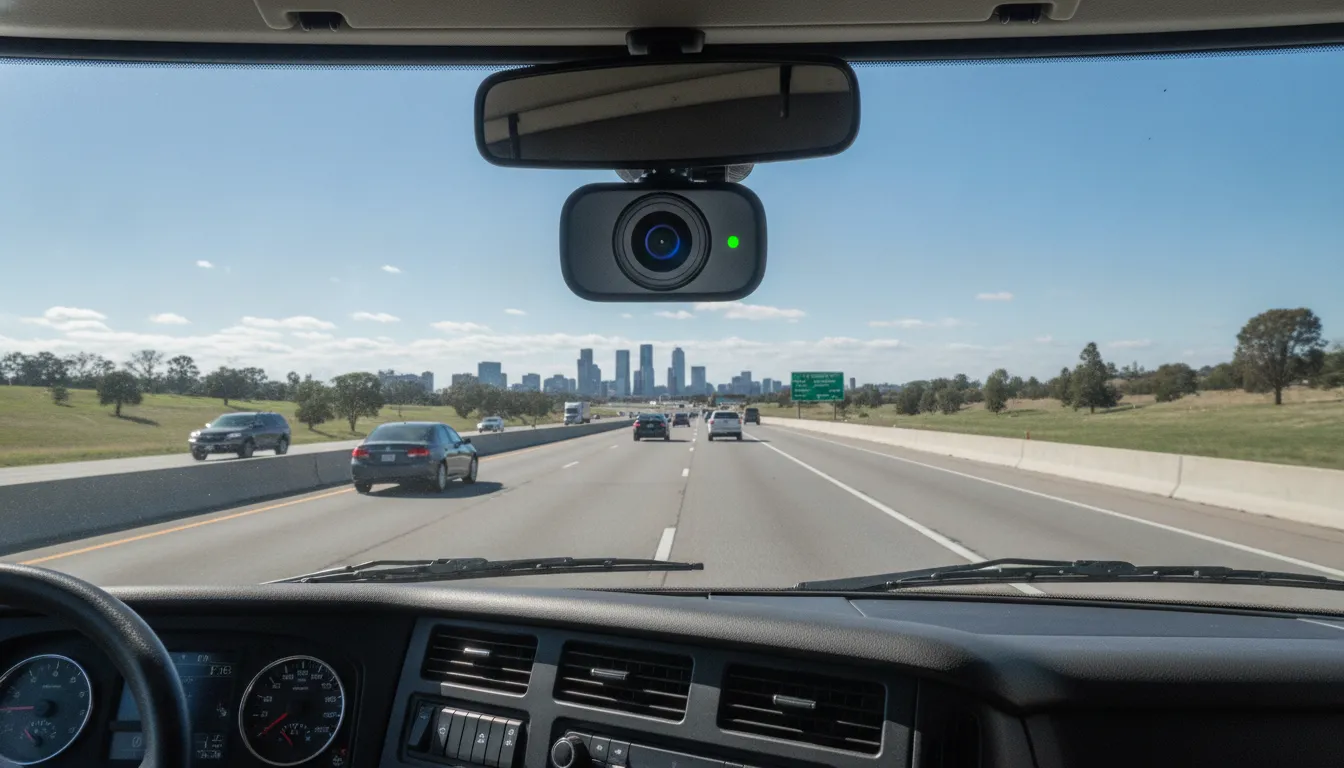
In the past, police and adjusters had to piece together what happened from tire marks and vehicle damage. Now, AI-powered dashcams record everything that happens on the road in high definition. This clear video provides the proof needed by insurers to show who is at fault. This visual proof protects you from false claims and costly fees.
Video footage from dashboard cameras acts as an impartial witness. This often prevents costly court cases and rate hikes that come from disputed accidents. When you can prove your driver is not at fault, you protect your business. Using these tools helps you reduce insurance premiums with AI dashcams.
Faster claims and lower legal risks
When a crash does happen, time is money. Getting quick access to dashcam footage allows insurance adjusters to resolve claims faster. This means you do not have to wait weeks or months for a decision. Fast results keep your vehicles on the road and lower the office costs of managing a claim.
In serious crashes, video proof is often the difference between a small payout and a major, false lawsuit. If another driver claims a major injury, video shows the real speed and force of the crash. This keeps lawyers from turning a small fender-bender into an expensive court case. Clear video keeps insurers from paying out large sums for false claims.
In addition to proving fault, active cameras show insurers that you care about safety. For instance, official state insurance reports from Louisiana show how working dashcams can help fleets get better rates. But you must keep your gear in good shape, since insurers can deny discounts if cameras do not work. Keeping your system active helps you secure the best safety and cash rewards. For fleets just getting started, our guide to the best AI dashcams for commercial trucks can help you select the right hardware.
What Insurance Discounts Are Actually Available for Fleets With Dashcams?
Typical premium savings
Many insurance firms offer rate cuts when you add safety cameras to your vehicles. Fleets can see premium savings ranging from 5% to 20% by sharing driver video data. Top firms like Progressive and HDVI now offer these options. You can reduce insurance premiums with AI dashcams by showing how your drivers behave on the road. This helps you build a clear record of safe habits. A safe record is key for fleet dashcam insurance cost reduction over time.
| Factor | With Dashcams | Without Dashcams |
|---|---|---|
| Average Premium | 5%-20% lower | Full rate |
| Claim Disputes | Quickly resolved | Lengthy litigation |
| Driver Coaching | Real-time feedback | Reactive only |
| Underwriting View | Low-risk profile | Standard risk |
How do these programs work? Insurers want to see that your drivers follow safety rules. When you share active video telematics data, insurers can lower your risk profile. This lets them offer better pricing. A lower risk profile means less chance of a crash.
State rules and mandates
State laws are also changing to help fleets save money. Louisiana is putting a new rule in place. This rule is called Regulation 138, which is now in the state approval process. This rule gives rate discounts to fleets that use dashcams paired with tracking tools. Under this rule, insurers must report their discount data to the state by March first each year. This report must list the total number of vehicles receiving the discount. It must also show the total savings provided to policyholders.
This reporting ensures that insurers actually pass savings on to local businesses. These laws show that state leaders see the value of fleet safety tech. When states force insurers to track these safety savings, it helps fleets get fairer rates. Fleet managers should also understand how fleet telematics systems integrate with dashcam data to build a comprehensive safety profile for their insurance provider.
Keeping your discount
Getting a rate cut is not a one-time event. You must keep your safety equipment in good working order to stay eligible for discounts. According to state safety studies, proper device upkeep is a must to keep your insurance discounts active. If you turn off your cameras or fail to fix broken units, you risk losing your rate cuts. In some cases, insurers can even impose a penalty for inoperable cameras or false safety reports.
To keep your fleet compliant and secure your rate cuts, you should follow these safety steps:
- Test all cameras once a month to ensure they record clear video.
- Train drivers to report any camera errors or damage right away.
- Keep clear records of your device maintenance and safety checks.
- Review driver behavior scores weekly and use coaching alerts to address risky driving patterns before they lead to claims.
Using these steps protects your drivers on the road. It also keeps your safety data clean for your next insurance review. When your broker sees a solid safety program, you have the proof you need to negotiate better rates.

Case Study: How Documented Footage Saved a Fleet $80K in Claim Costs
Consider a real fleet that faced a massive bill after a sudden crash on the highway. A passenger car cut off a box truck and slammed on its brakes. The car driver claimed the truck rear-ended them and filed an unjustified lawsuit for $80,000 in bodily injury. Without video proof, the fleet faced a long, costly court battle and major premium hikes.
The Wrongful $80,000 Accident Claim
For most fleets, a crash with no witness becomes a complex “he-said, she-said” legal mess. Insurance companies often pay out fast to avoid court. Government reports from the Louisiana Department of Insurance show how crash claims drive up commercial rates. A single false claim can trigger years of high costs that drain your cash flow.
Exonerating the Driver with Objective Proof
But this truck had an active camera that captured the car cutting in and slamming on its brakes. This objective video evidence proved the truck driver was not at fault. The fleet sent the HD clip to the adjuster, who closed the file in hours. The fleet saved $80,000 on the claim, and their clean record stayed intact.
Proving ROI with a Risk-Free Trial
This case shows how a fleet dashcam insurance cost reduction works. The investment in video telematics pays for itself through reduced claim costs and lower premiums. You can use our online tool to calculate fleet insurance cost reduction for your own vehicles. Our calculator estimates your savings based on your fleet size and safety record.
If you want to test these savings, you can start today. Fleetistics offers a 60-day Solution Evaluation Process to test dashcams in your fleet. This risk-free trial lets you see real safety data and calculate your return before you commit to a long contract. Our team will guide you through every step of the process to make setup simple. To see how Fleetistics compares against other options, read our fleet management software comparison.
Steps to Present Dashcam Data to Your Insurance Broker
Using dashcams is a great start, but you must act to get your reward. To secure a fleet dashcam insurance cost reduction, you have to present your safety data to your insurance broker. Brokers need clear proof of risk reduction before they can lower your rates. Good data is the key to a successful meeting.
How to Prepare Safety Reports
Before you talk with your broker, you must gather your records. Analytics dashboards track safety trends over time to show the real value of your safety spend. You should print reports that show a drop in speeding, harsh braking, and quick turns. If you want to find your savings first, use our tool to calculate fleet insurance cost reduction online.
Five Steps for Broker Meetings
Once your safety reports are ready, follow these five steps to build a strong case. These steps show your broker that your fleet is safe and easy to protect.
- Gather your dashcam and telematics records. Pull reports that show your total miles driven and driver safety scores to prove you monitor your vehicles.
- Build a safety report with analytics dashboards. Use clear charts to show your safety trends over time so underwriters can see your progress.
- Measure safety gains from driver coaching. Show how real-time coaching has cut risky habits and reduced risky driving behaviors to lower claims.
- Prove your system maintenance. Insurers need to know that your cameras work, as the state notes that inoperable cameras can lead to penalties and lost discounts.
- Negotiate your premium adjustments. Present your final safety package and use your low-risk scores to ask for lower premiums and better terms.
Tracking Safety Over Time
Your safety work should not end after you get a discount. Showing a drop in claim frequency and severity is the best way to keep your rates low. Brokers can use your safety reports to negotiate better rates year after year. Keep your driver coaching active to ensure your savings last. Combining dashcam footage with comprehensive ELD compliance data creates a complete safety dossier that strengthens your negotiating position at every renewal.
Frequently Asked Questions
How much can you save on commercial insurance with fleet dashcams?
Most fleets save between 5% and 20% on their commercial insurance premiums. To get these savings, you must share your safety data with niche insurance firms. These firms reward fleets that show they drive safely. This active safety focus shows underwriters that you work hard to cut your risk.
Can a fleet lose its dashcam insurance discount if a camera stops working?
Yes. You must keep your dashcams in proper working order to save money on your rate. According to a report by the Louisiana Department of Insurance, insurance firms may deny discounts or fine fleets if cameras do not work. Doing routine checks helps you avoid these issues.
Do fleet dashcams speed up the insurance claim process?
Yes. Having instant access to high-definition video lets insurance adjusters resolve claims much faster. According to safety experts at Fleetistics, dashcam footage acts as a neutral witness. It quickly disproves false claims, prevents costly court battles, and stops unfair rate hikes for your business.
What types of dashcam footage do insurance companies request after an accident?
Insurers typically request forward-facing footage showing the road ahead at the moment of impact. As well as any driver-facing footage that captures the driver’s state and actions before the crash. AI-enhanced dashcams can also provide event-triggered clips showing the seconds before and after a collision. Having both angles available helps adjusters make faster, more accurate fault determinations.
Do all commercial insurance carriers offer dashcam discounts?
Not all carriers offer specific dashcam discounts, but the trend is growing rapidly. Major commercial insurers including Progressive, Travelers, Nationwide, and HDVI now offer premium reductions for fleets with active video telematics programs. Even carriers that do not offer explicit discounts still factor video safety programs into their overall risk assessment, which can result in better pricing during renewal negotiations.
How does AI dashcam data integrate with fleet telematics for insurance reporting?
AI dashcams integrate directly with fleet management platforms like Geotab to correlate video events with telematics data such as speed, braking, and route information. This integrated data stream gives insurers a complete picture of fleet safety performance, making it easier to justify rate reductions. Fleetistics offers open APIs and 300+ integrations that make connecting dashcam data to insurance reporting systems straightforward.
Ready to Reduce Your Fleet’s Insurance Liability Today?
Every single day that you delay putting video cameras in your fleet vehicles, your business remains exposed to high premium rates and false injury claims. Acting right now allows you to collect the solid driving data your insurance broker needs to secure much lower rates before your next renewal. You can use our free online fleet telematics ROI calculator to see how much extra cash your business can save each year.
Ready to protect your drivers and lower your high insurance costs? Call 855.300.0527 to book a free consultation with our team. Our expert advisors are standing by right now to help you choose the perfect dashcam setup for your unique fleet.