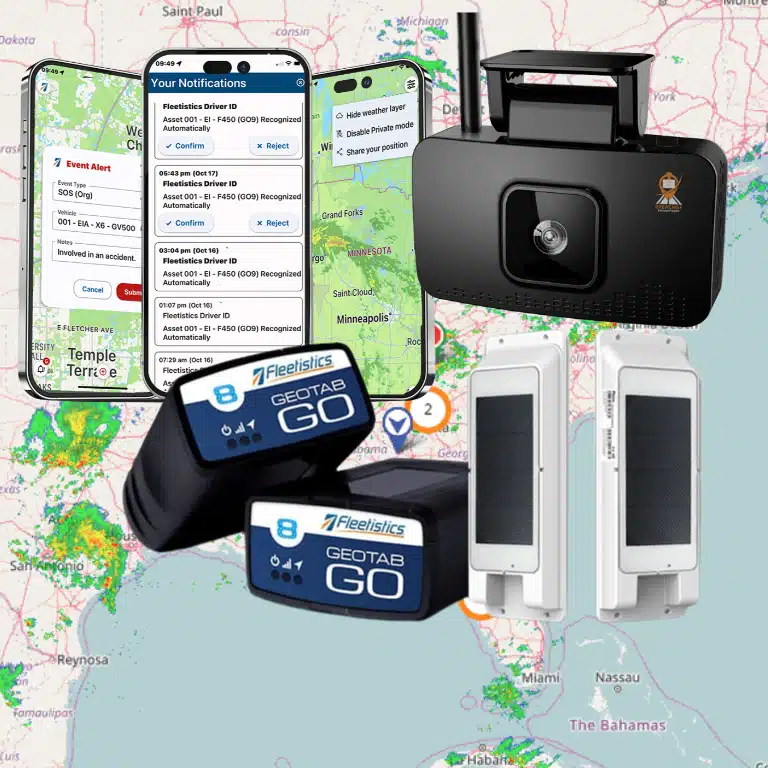

Fleet managers who fail to track telematics ROI likely waste thousands of dollars in fuel and insurance premiums every month. You need a clear way to measure these savings to justify your budget. Learn more in our Fleet GPS Tracking and Telematics: The Complete Business Buyer Guide.
Ready to calculate your fleet’s potential savings? Call 855.300.0527 to speak with a consultant and get started with a free ROI analysis.
The fleet telematics roi calculator framework measures your investment by comparing monthly costs against savings in fuel, upkeep, and insurance. By tracking data like idle time and safety scores, businesses can prove their return on investment before making a long-term commitment. A well-built calculator helps you find waste in your daily operations, such as excessive idling, speeding, or personal vehicle use. According to the General Services Administration (GSA), activating factory-installed telematics saved their fleet $1.5 million in setup costs alone. Using this data allows you to see how quickly your system pays for itself while improving safety and driver habits across your organization.
It can be difficult to know where to start when you look at all these different data points. You need a clear process to turn raw numbers into a solid business case for your team. The sections below show you exactly how to measure these gains, starting with the core formula.
Fleet Telematics ROI Calculator: How to Calculate Fleet Telematics ROI (The Framework)
You can find the real value of a telematics investment by using a simple formula. To calculate your fleet telematics ROI: (Total Annual Savings – Annual Costs) divided by Annual Costs, then multiplied by 100. This result gives you a clear percentage of your return. Before you start, you must understand your fleet’s current baseline by looking at both what you spend and what you save each year.
The Cost Side of the Calculation
Counting your total spend is the first step in this framework. You need to account for hardware costs and setup labor. Some fleets save money here by using factory-installed telematics already in their vehicles. For example, the GSA avoided about $1,455,000 in costs by using systems that came from the factory. This shows how choosing the right hardware can lower your startup spend.
Beyond the initial purchase, you must track your monthly subscription fees. These fees cover the software platform and data services for your fleet. You should also factor in training time for your staff. When you evaluate the return on investment for fleet management, these costs form the baseline of the calculation. Keeping these costs manageable helps you reach positive ROI sooner.
Tracking Real Savings
The savings side of the equation is where the major wins occur. To get an accurate picture, you must evaluate fuel, maintenance, and insurance. Telematics tools help you identify where you waste fuel or which vehicles need preventive maintenance. Using this data, you can build a strong fleet tracking and telematics strategy. These factors are the main components of your Total Cost of Ownership (TCO) analysis.
You can also amplify savings by integrating your data with other platforms. An open system with free API access enables over 300 integrations. This means your fleet data can connect with your accounting software or scheduling tools. When all your systems work together, you eliminate slow manual processes. This improves your total ROI over time.
Testing Before You Commit
You do not have to guess whether a system will work for your fleet. Calculating your ROI before signing a long-term agreement is the safest approach. A 60-day risk-free Solution Evaluation Process lets you test the tools in a real-world environment. You can see actual data from your own vehicles and drivers before making a significant investment. This step removes the risk and validates the value of the solution.
Using real data from your evaluation period makes your final calculation more accurate. You can see whether your drivers are reducing idle time or your routes are more efficient. This proof gives you confidence to move forward with a full deployment. By verifying the facts first, you ensure that your fleet stays lean and keeps costs low for years to come.
Fuel Savings: What to Expect per Vehicle per Month
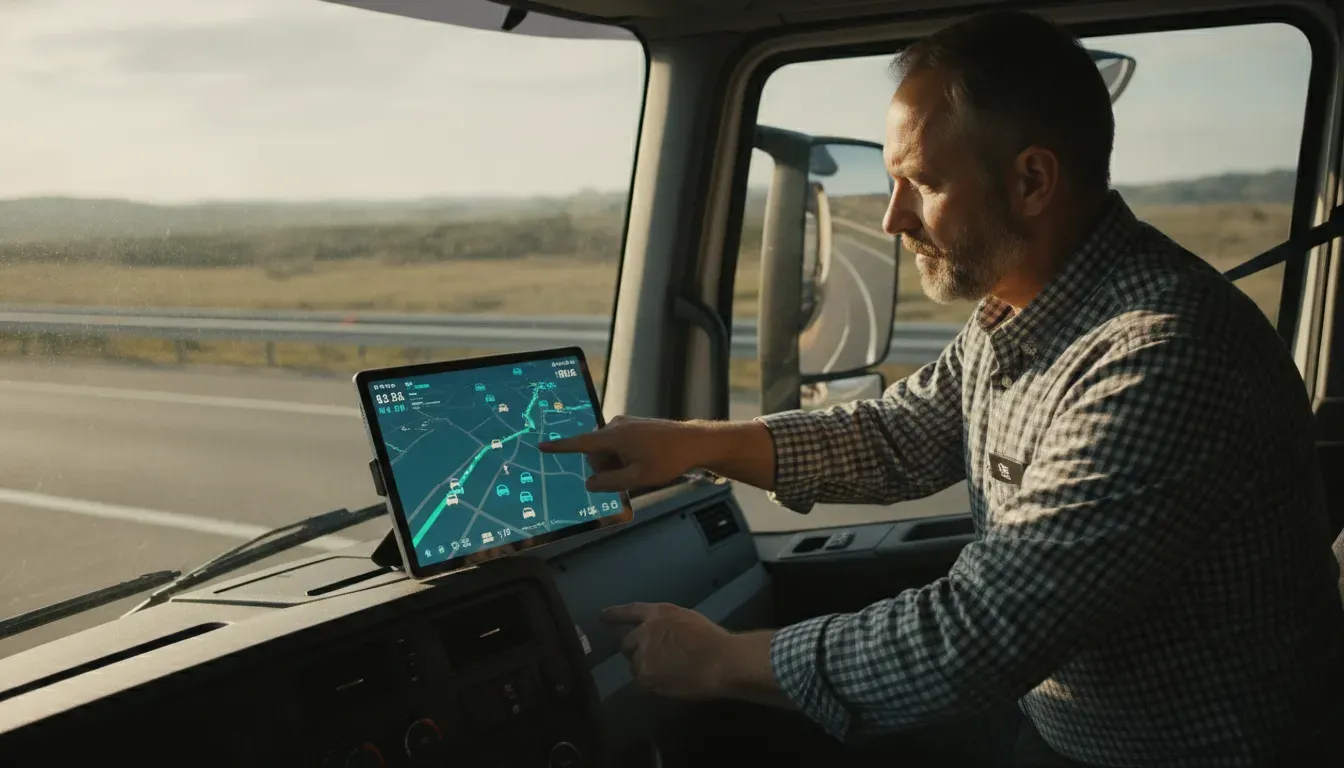
Fuel savings from fleet telematics represent the reduction in fuel consumption achieved by tracking vehicle behavior and optimizing routes. Fuel is often the largest operating cost for a fleet, yet it is also the easiest to reduce with the right data. Most businesses can expect a 10% to 25% decrease in fuel usage after implementing a telematics program. These gains come from identifying waste that was previously hidden.
Reducing Idling and Mileage Waste
Excessive idling is a major cause of fuel loss that often goes unnoticed. Telematics tools track when an engine runs while the vehicle is stationary. This idle time impacts fuel economy and adds unnecessary wear to the engine. By setting alerts for extended idle events, managers can coach drivers to turn off their vehicles. This simple change can save several gallons per vehicle each month.
Route optimization also plays a significant role in your ROI. Instead of taking longer or less efficient routes, the system identifies the fastest path between stops. This reduces total miles driven per vehicle. Fewer miles mean less fuel consumed and less time on the road. For many fleets, these incremental improvements add up to substantial savings across the entire organization. Using the fleet telematics roi calculator helps you see these gains in real dollars.
Driver Scores and Fuel Card Data
Driver behavior has a significant impact on fuel consumption. Speeding, rapid acceleration, and hard braking all burn more fuel. Telematics systems assign each driver a fuel efficiency score based on these actions. When drivers know they are being monitored, they tend to operate more efficiently. This behavioral shift can produce an immediate reduction in operating costs.
Matching fuel card data against telematics data is another way to prevent waste. By comparing fuel purchases against actual miles driven, you can identify fraud or errors. The system flags if a card was used when the vehicle was not near a pump. This layer of verification ensures that every dollar spent on fuel goes toward legitimate business operations.
The City of Seattle Case Study
Real-world data demonstrates how substantial these savings can be. The City of Seattle implemented telematics across a fleet of 4,100 vehicles. Through better tracking and monitoring, they achieved $2 million in documented fuel savings. This case study proves that the technology delivers results at scale. For smaller fleets, the per-vehicle savings are equally measurable and repeatable.
If a vehicle consumes $800 in fuel per month, a 15% reduction saves $120 per month. Over a year, that is $1,440 for a single vehicle. Multiply that across your entire fleet, and the return becomes substantial. These data points help you build a compelling business case for telematics investment.
Insurance Reduction: What Fleet Dashcam and Telematics Data Achieves
Insurance costs represent a significant portion of your fleet budget, but telematics data gives you the leverage to reduce these expenses. Using a fleet telematics roi calculator, you can see how real-time tracking translates into tangible savings. Many insurance providers offer fleets with proven safety technology a premium reduction of 5% to 15%.
Lowering Accident Costs with Video Evidence
Dashcam systems provide clear visibility into roadway incidents, which helps protect your bottom line. Video telematics can reduce accident costs through improved driver behavior and video-based fault determination. This data is essential for tracking ROI through telematics metrics because it shows who is at fault during a collision.
Fraudulent claims can drain your resources and increase your insurance premiums. Research indicates that video telematics users get stronger protection against fraudulent claims. By providing immediate evidence, you can avoid expensive legal disputes and prevent premium increases for incidents you did not cause.
Improving Safety Scores to Lower Rates
Safe driving is a measurable metric that you can use to negotiate better insurance rates. Demonstrating improved driver safety scores through telematics data can lead to reduced insurance costs. Fleet managers use these scores to identify risky behaviors and correct them before an accident occurs.
Safety tools also reduce the administrative burden of monitoring driver performance. Using telematics for automated mileage reporting reduces paperwork while providing insurers with the objective data they require. This demonstrates that you operate your fleet with professionalism and diligence.
Insurance Costs With and Without Telematics
Implementing telematics changes how your fleet interacts with insurance providers. The table below illustrates the typical shifts in costs and risk after deploying these tools.
| Cost Factor | Without Telematics | With Telematics and Dashcams |
|---|---|---|
| Annual Premiums | Standard market rate | 5% to 15% discount potential |
| Accident Costs | Full liability and legal fees | Reduced by fault determination |
| Claim Protection | Relies on witness accounts | Stronger defense against false claims |
| Safety Monitoring | Manual or periodic reviews | Real-time safety scores and alerts |
| Data Reporting | Manual logbooks | Automatic mileage and behavior logs |
Long-Term Safety Through Driver Habits
Sustained savings come from changing how your team drives every day. Using video evidence for driver coaching helps build lasting safe habits. Alerts for hard braking and speeding help prevent accidents while also reducing vehicle maintenance costs over time.
Driver Productivity Gains: Idle Time, Route Efficiency, and Overtime
A critical component of any fleet telematics roi calculator is driver productivity. Telematics tools provide the data needed to identify and eliminate inefficiencies in your daily schedule. By monitoring real-time movement, you can see where drivers lose time and where they can accomplish more. Small gains in efficiency and routing compound into significant improvements to your bottom line.
Reducing Waste and Idle Time
Excessive idle time wastes fuel and accelerates engine wear. When vehicles sit with the engine running, they generate no revenue. Data shows that identifying excessive idling is a primary method for reducing costs. You can use automated alerts to remind drivers to turn off their vehicles when parked. This simple change saves fuel and extends vehicle lifespan.
Better management also helps you retain your best drivers. When drivers have clear performance goals and fair schedules, they are more likely to stay with your company. This reduces hiring and training costs. You can use telematics metrics to track ROI and show drivers how they are improving. This builds a culture of accountability and pride across your fleet.
Optimizing Routes and Asset Utilization
Smart routing enables your team to complete more stops in less time. When a new job comes in, you can identify the nearest available driver and dispatch them immediately. This leads to faster response times and more completed jobs per day. It also provides critical support during emergencies by showing exactly where every vehicle is located. Higher throughput means increased revenue without additional costs.
You can also use data to identify underutilized vehicles. Many fleets have vehicles that sit idle for days. By identifying these unused assets, you can right-size your fleet. Selling or reassigning surplus vehicles reduces insurance and maintenance costs. You can also prevent unauthorized after-hours use of company vehicles. This prevents loss and ensures your equipment is ready for the next workday.
Modular Tools for Better ROI
You do not need to purchase every feature to realize value. Modular fleet solutions allow you to pay only for what you use. You can start with basic tracking and add capabilities as your needs grow. This keeps your initial costs low while you validate the system’s value. Many companies find that the right combination of tools pays for itself within months through reduced overtime and improved resource utilization.
City of Seattle Case Study: 4,100 Vehicles, $2M in Documented Fuel Savings
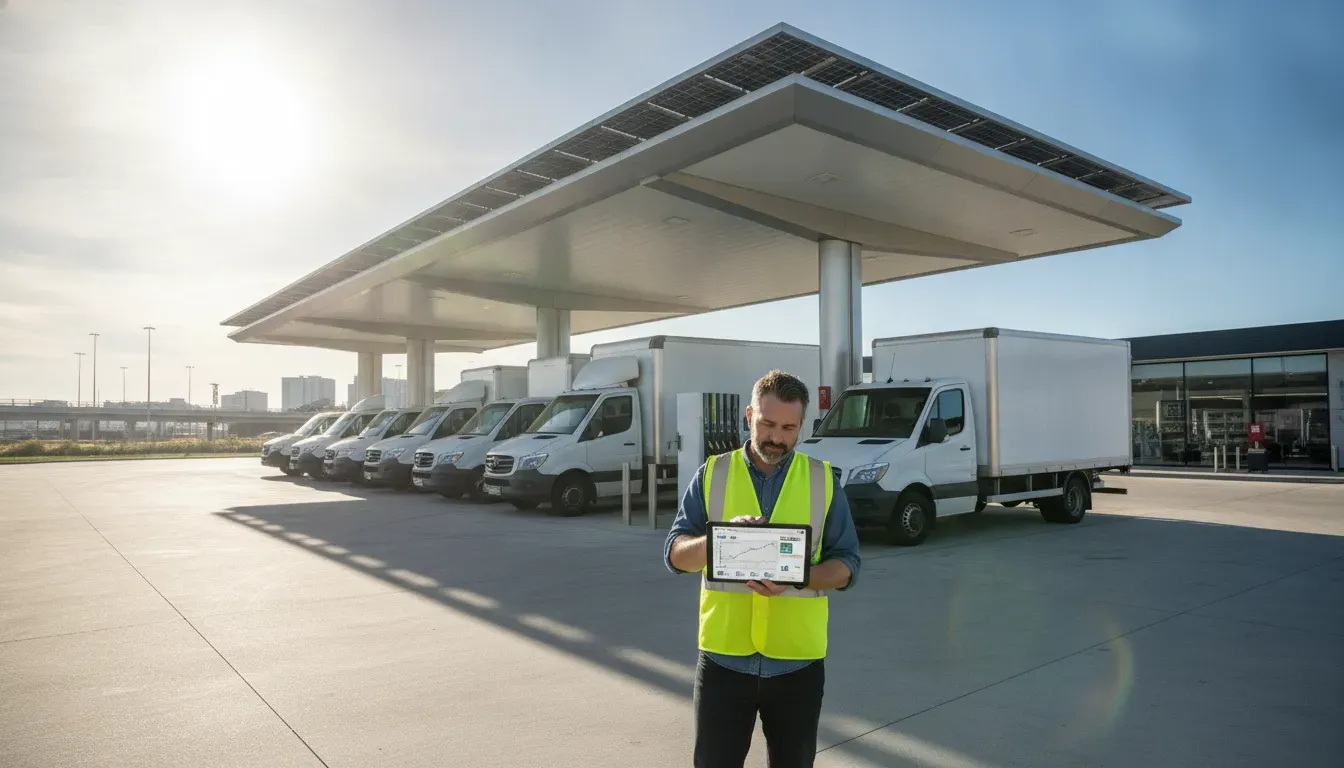
The City of Seattle case study demonstrates how a large municipal fleet achieved significant results through telematics. With 4,100 vehicles to manage, the city faced high fuel costs and excessive idle time. They deployed telematics to track fleet operations and identify savings opportunities. By the end of the program, they had saved $2 million in fuel costs. This success story proves that large fleets can achieve substantial return on investment with data-driven decision-making.
Managing Results for a Large Fleet
Managing thousands of vehicles is a complex challenge. The City of Seattle needed visibility into where every vehicle was located and how it was being used. They implemented a system to track idle time and route selection. Reducing idle time was a primary focus because it is a major source of fuel waste. A federal report on telematics confirms that identifying excessive idling helps fleets reduce fuel consumption and prevent premature engine wear.
The city tracked more than just location data. They analyzed how long drivers kept engines running while parked. They also used route mapping to identify shorter paths to destinations. These measures helped them reduce total miles driven. By calculating fuel savings with telematics, you can see how small operational changes add up. Across thousands of vehicles, these improvements become very substantial.
Calculating the Return on Investment
The city did not estimate their savings. They used a structured methodology to calculate their ROI. They measured fuel consumption before and after telematics deployment. By comparing these figures, they proved the system paid for itself many times over. If you are building a fleet telematics roi calculator, the Seattle case provides an excellent model. It demonstrates that you must track fuel, maintenance, and insurance to see the complete picture.
Large fleets typically include diverse vehicle types. The Seattle fleet included sedans, light trucks, and heavy vehicles. The city used data to identify which vehicles were used most intensively. This helped them determine which vehicles were outdated or unnecessary. When tracking your ROI, you can also evaluate whether your fleet is optimally sized. This prevents you from paying for vehicles that are not actively used.
Start With a 60-Day Solution Evaluation
You do not need to be a large municipality to achieve these results. Fleetistics has been a premier Geotab partner for over 20 years. They have helped organizations of all sizes implement telematics solutions since 2001. Their team has the expertise to handle deployments of any scale, from small businesses to enterprise fleets like Seattle. They understand that every operation is unique and requires a customized approach.
To help you get started, Fleetistics offers a 60-day risk-free Solution Evaluation Process. This allows you to test the technology and verify the ROI for yourself before making a long-term commitment. You can use this period to see how the data improves your fleet operations. For more guidance on selecting the right tools, read our Fleet GPS Tracking and Telematics: The Complete Business Buyer Guide. This evaluation process makes it easy to determine whether the solution is right for your business.
Use This Calculator to Estimate Your Fleet’s First-Year ROI
Calculating the potential return on investment for fleet telematics helps you move from assumptions to data-driven decisions. By using the fleet telematics roi calculator framework, you can see how fuel savings and safety improvements offset your monthly costs. This approach compares your current expenditures against established industry benchmarks for savings.
Gather Your Baseline Fleet Data
To begin working with the fleet telematics roi calculator, you need to know your current costs. Collect data on your annual fuel spending, maintenance expenses, and insurance premiums. You should also evaluate labor hours spent on manual reporting and any costs from recent accidents. These figures serve as the foundation for evaluating telematics investment costs and returns with accuracy.
Six Steps to Calculate Your Return
Follow these steps to determine the total value a telematics system will deliver to your business each year:
- Identify your fleet composition. List your total vehicles and group them by type. Heavy trucks often achieve different fuel savings than light vans or equipment.
- Apply fuel savings projections. Use telematics to track idle time and speed. According to the General Services Administration (GSA), real-time data identifies waste like excessive idling. Most fleets reduce fuel spending by 11% to 25% through better routing and reduced idle time.
- Calculate safety and insurance savings. Video telematics and safety alerts can reduce accident-related costs. You may also qualify for a 5% to 15% reduction in insurance premiums as your safety scores improve.
- Factor in productivity and maintenance savings. Expect 15% to 25% improvements in driver productivity. Better route planning and automated health monitoring help you avoid major repair expenses.
- Subtract your investment costs. Take your total projected savings and subtract the cost of the telematics system. Fleetistics offers flexible pricing to help you achieve positive ROI quickly.
- Run the final calculation. Use this formula: (Total Savings – Total Costs) / Total Costs x 100. This gives you a clear percentage for your first-year return.
Validate Your Numbers Before Committing
While the fleet telematics roi calculator provides a reliable estimate, real-world testing is the best way to confirm value. You can use a 60-day risk-free Solution Evaluation Process to see these gains in your own fleet before signing a long-term agreement. This step ensures your evaluation of telematics investment costs and returns is based on your actual driver behavior and route patterns.
Ready to calculate your fleet’s actual ROI? Contact our team at 855.300.0527 to start your free 60-day Solution Evaluation Process.
Frequently Asked Questions
How long does it take to see a return on investment from fleet tracking?
Most fleets achieve a clear return on their tracking investment within three to six months. The timeline depends on how quickly you act on the data the system provides. Using a 60-day trial process, managers can validate savings in fuel and labor before making a long-term commitment. Prompt implementation of safety alerts and route optimization helps your fleet realize these financial gains sooner.
What is the typical insurance discount for fleets using telematics?
Many insurance companies offer reduced premiums for fleets that use telematics to monitor safety. These savings come from demonstrating improved driving behavior and reduced accident risk. Based on Fleetistics, using video telematics can also reduce accident costs by providing clear evidence during claims. This combination of lower premiums and reduced claim costs improves the total return for your business.
Does fleet telematics help small businesses with few vehicles?
Yes, telematics delivers strong returns for small businesses by targeting the largest expenses like fuel and maintenance. Even a small fleet can achieve meaningful savings from better route planning and fuel tracking. Based on the GSA, telematics provides data that reflects actual vehicle usage and helps reduce fuel waste. By identifying underutilized vehicles, owners can right-size their fleet to eliminate unnecessary costs.
Can telematics help recover stolen assets or vehicles?
Real-time GPS tracking is a valuable tool for asset security and theft recovery. These systems continuously report vehicle location, which helps prevent unauthorized use. If a vehicle or piece of equipment is stolen, the live tracking data helps law enforcement recover it quickly. This saves the significant cost of replacing stolen assets and keeps your operations running, which protects your overall investment.
Ready to Calculate Your Fleet Telematics ROI?
Waiting to track your fleet costs you money every day through fuel waste, excessive idling, and unseen safety risks. You can get actionable data now to stop these losses and improve your bottom line within weeks of implementation. Every day you delay is another day you miss out on lower insurance costs and better driver safety scores for your entire team.
Ready to see your ROI results? Our experts have helped fleets since 2001 identify hidden savings and achieve their goals through our risk-free 60-day evaluation process. Call 855.300.0527 to speak with a consultant about your fleet’s telematics ROI and start your path toward a more profitable operation.