Fleet GPS Tracking for Business: Complete Guide
Operating a commercial fleet without clear visibility into daily routes creates a massive financial leak. Most companies struggle with rising fuel costs and unplanned vehicle downtime.
Book a Fleetistics demo to see how a connected fleet tracking system can support your business goals.
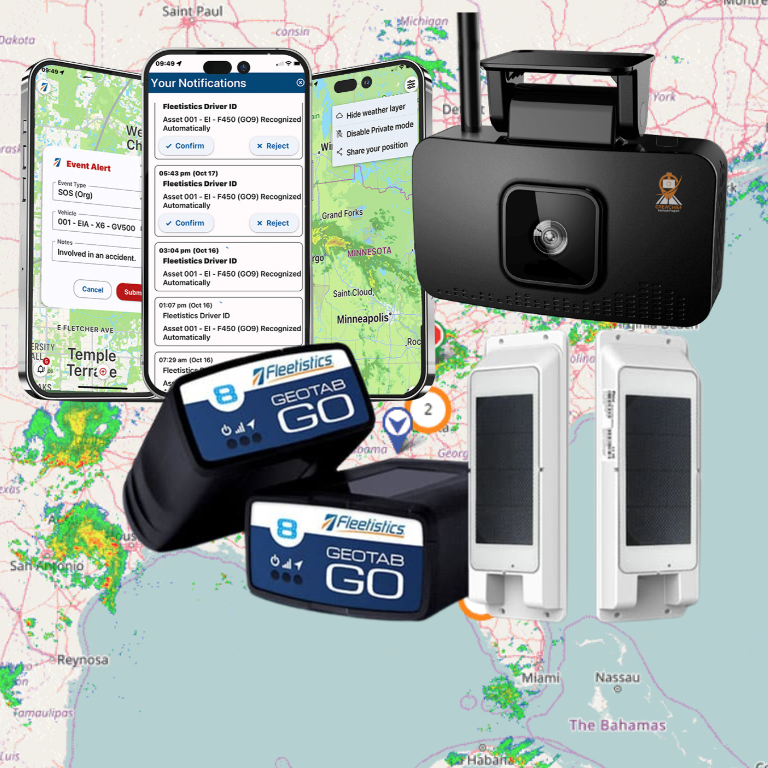
Fleetistics combines Geotab-powered fleet GPS tracking for business with personalized implementation and support. The system connects vehicle locations, driver activity, engine data, safety events, maintenance needs, and compliance records in one platform. Business leaders can use that verified operational data to reduce waste, protect drivers, and make better fleet decisions.
Many owners wonder how these tools turn into real-world profit for their firms. Understanding what fleet GPS tracking for business actually does is the first step toward choosing the right tools without paying for features your team will never use.
What fleet GPS tracking for business actually does
Fleet GPS tracking for business gives managers a current view of vehicle location, movement, use, and related operating data. With a telematics platform, that location context can connect to driver behavior, engine health, fuel use, maintenance, compliance, and alerts so teams can act on problems instead of simply watching vehicles move.
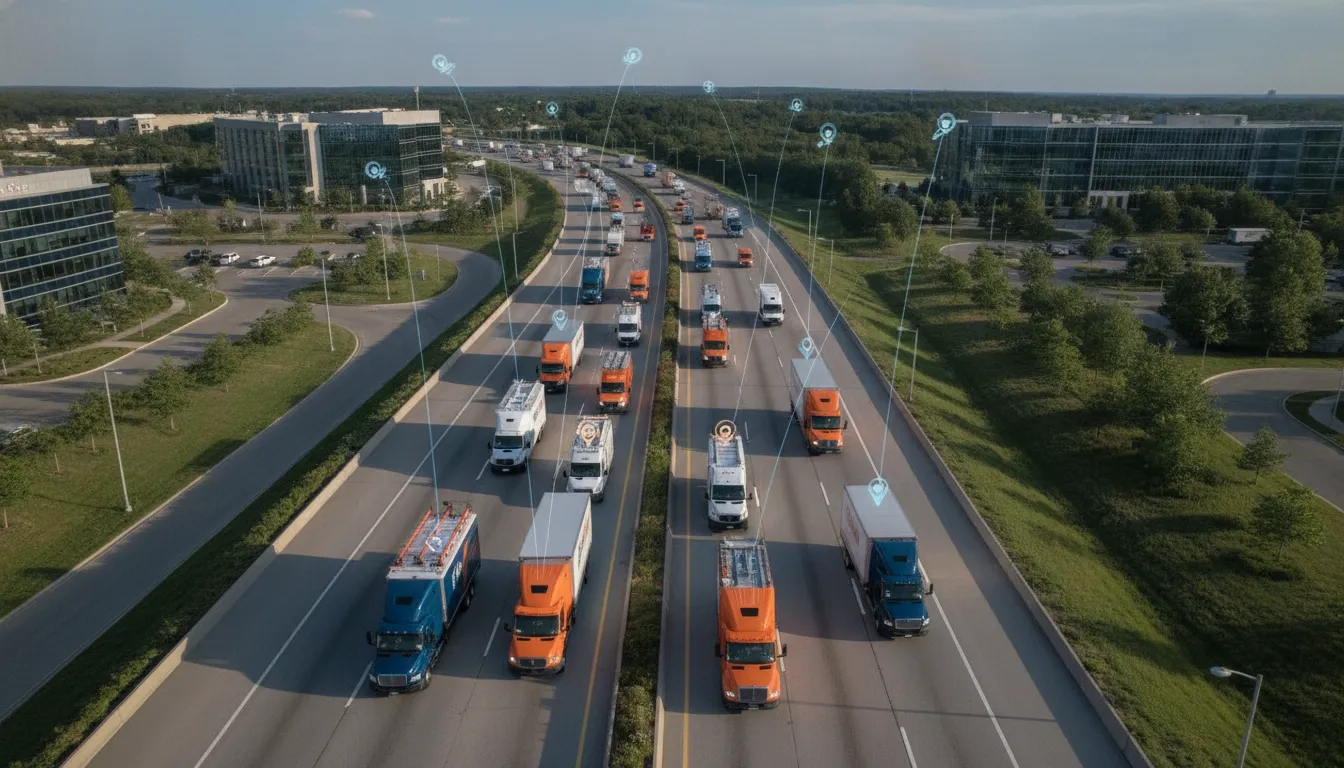
Fleet GPS tracking for business helps owners and managers see where their vehicles are at all times. It uses a network of satellites to find a truck or car’s exact spot on a map. But for a modern company, these systems do much more than show dots on a screen. They help teams work faster and save money by showing how each vehicle is used during the day.
When you use fleet GPS tracking, you get a full view of your daily work. This view helps you spot waste and find ways to get more done with the tools you already have. Many systems can update a vehicle’s spot as often as every 1 to 30 seconds. This speed ensures that the data you see is fresh and right when you need to make a quick choice.
GPS tracking versus full telematics
It is common to hear people use the terms GPS tracking and telematics to mean the same thing. However, there is a key difference in how they help a business. Basic tracking tells you where a vehicle is located. Telematics goes a step further by showing what the vehicle is doing and how the person is driving it. If you want to know more about the details, you can read our guide on fleet management software vs GPS tracking.
Telematics systems gather data from the vehicle’s own computer. This allows you to track engine health, fuel use, and even safety habits like seatbelt use. By using wireless telematics, companies can turn raw data into smart choices. This helps managers move away from manual logs and rely on facts to run their fleet.
How the tracking system works
The process starts with a small device that plugs into a vehicle. This device picks up signals from satellites to find its location. Then, it sends that data through a cellular or satellite network to a cloud portal. You can log in to this portal from a computer or a phone to see your whole fleet at once. This setup makes it easy to check on drivers whether you are in the office or out in the field.
Once the data is in the portal, the software organizes it into useful views. You can see past routes and stops for up to three years. This history is great for proving a job was done or finding ways to plan better paths. The system also tracks total engine hours. This gives a better measure of wear and tear than just looking at the miles on the screen.
Real-time alerts and business tools
A big part of what these systems do is watch for specific events. You can set up alerts that tell you if a driver is speeding or braking too hard. These alerts help with driver coaching and keep everyone safer on the road. Some systems can even rebuild the scene of an accident if one happens. This data is vital for safety analysis and helps protect your business from blame.
Finally, modern fleet tracking links up with other tools you use. With open APIs, you can connect your tracking data to over 300 different apps. This lets you share info with your billing or payroll software without extra work. By using these fleet management services, you create a smooth workflow that saves time for everyone on your team.
Which fleet tracking features should buyers prioritize?
Buyers should prioritize reliable location data, useful alerts, driver-safety tools, reporting, maintenance workflows, compliance support, integrations, and responsive implementation help. The best feature set is the one tied directly to measurable business goals, not the platform with the longest list of tools that operators may never use.
Picking the right tech for your fleet can feel hard. With many options on the market, you should focus on tools that help your team work fast and stay safe. Smart fleet GPS tracking gives you a full view of your daily work. This data helps you cut costs and find new ways to grow. When you choose the right GPS tracking system, you gain more than just dots on a map.
Core tracking and safety tools
Daily fleet work needs live data to run well. Modern systems update your vehicle spots every 1 to 30 seconds to keep data fresh. You also need to look at trip history and geofences. These tools show you where your trucks have been and when they enter or leave a job site. This helps you track total hours on a site without using paper logs. Using fleet GPS tracking software gives you the visibility needed to manage daily tasks.
Safety is a top goal for any fleet owner. You should look for systems that give driver coaching alerts. These tools track hard braking, fast starts, and seatbelt use. By watching these habits, you can help your team avoid accidents. Some advanced tools even offer full accident reconstruction to help you see exactly what happened during a crash.
Compliance and maintenance needs
For many business fleets, keeping up with laws is a major task. Your software should handle ELD, DVIR, and IFTA needs. This keeps your team on the right side of the law and avoids big fines. Automated fuel tax reports also save your office team hours of work each month. Using fleet management software vs GPS tracking alone makes these tasks much easier to handle.
Keeping your trucks on the road is vital for your ROI. Look for tools that track engine health like oil life and tire pressure. A good system can set reminders for service based on miles or engine hours. This helps you fix small issues before they lead to a breakdown. By watching battery health and fault codes, you can keep your fleet moving with fewer stops for repairs.
Key features for business owners
To get the most from your tech, use this list to check your options:
- Live map views: Get a 360-degree view of all your vehicles in near real-time.
- Historical data: Store and review your routes and stops for up to three years.
- Smart reports: Use automated reports to find where you can save time or fuel.
- Asset tracking: Keep tabs on big gear and tools along with your trucks.
- Open APIs: Link your tracking data with other apps using free API access.
- Mobile access: Check your fleet status from any spot using a mobile app.
- Security tools: Use device tampering alerts to keep your hardware safe.
Fleetistics has helped teams find the right path since 2001. We offer modular plans that start at under $1 per day to fit your budget. Our fleet management services are built to help you make better business choices. With 24/7 support and a risk-free 60-day trial, you can test the tech before you commit.
GPS tracking vs telematics: which level fits your fleet?
Basic GPS tracking answers where vehicles are and where they have been. Telematics adds vehicle, driver, safety, maintenance, fuel, and compliance data. Businesses that only need location visibility may start with GPS, while fleets seeking broad operational improvement usually gain more value from an integrated telematics platform.
When you look for a way to watch your vehicles, you will find two main paths. Simple GPS tracking shows you where your trucks are on a map. Full telematics goes much deeper by pulling data from the engine itself. Most companies start with basic tools and move to complex ones as they grow. Choosing the best fleet management software vs GPS tracking setup depends on your goals. If you only need to see routes and stops, a simple tool works well. But if you need to cut fuel costs or track safety, you need a full system. Each level has its own cost and value for your team.
Finding the right fit for your business
Your fleet size and your field help you pick the best level of tech. Small local teams often find that a basic map view is enough to keep customers happy. They can see when a driver arrives and how long they stay. Larger firms or those with heavy trucks need more data to stay safe and follow the law. You should choose the right GPS tracking system based on what you need to solve right now. It is easy to start small and add more features as your business gets bigger.
Business owners often worry about the cost of new tech. Modern tools are open, so you only pay for the parts you use. Some simple plans start for less than one dollar per day. This low cost lets you test the tools without a big risk to your budget. As you see the gain from better routes, you can move to a high-end level. This path keeps your costs low while you learn what data helps you the most.
GPS tracking basics for smaller fleets
Basic tools focus on location and time. They give you a near real-time view of your daily work, which helps you spend less and do more. These systems are easy to set up and often use simple plug-in units. Many businesses use them to verify service calls or find the closest driver for a new job. This level of fleet GPS tracking for business is great for trade firms like plumbers or roofers.
These simple tools help you see stops and routes for up to three years. They are perfect for small teams that do not need to follow complex federal laws. You can set up digital fences to get alerts when a truck enters or leaves a job site. This helps you track time on site without calling the driver. It also keeps your assets safe by letting you know if a vehicle moves after hours.
Telematics and full fleet operations
High-end systems do more than just track dots on a map. They connect to the vehicle computer to read engine health and fuel use. This lets you see engine fault data and mileage reports in real time. These facts help you plan repairs before a truck breaks down on the road. Tracking engine hours also gives you a better sense of wear and tear than miles alone.
Full systems also track how your drivers act behind the wheel. They send alerts for hard braking, fast starts, and seatbelt use. This data helps you coach your team to stay safe and save fuel. Large fleets use these tools to stay in line with federal rules for logs and safety checks. Full tools can even help you piece together what happened after a crash. This data is key for insurance and safety audits as your fleet grows.
| Feature | Basic GPS Tracking | High-end Telematics | Full Fleet Ops |
|---|---|---|---|
| Primary Focus | Location and Routing | Safety and Compliance | Full Business Facts |
| Hardware | Plug-and-play units | Engine-linked units | Units plus dashcams |
| Engine Data | None | Faults and Fuel Use | Full Health Facts |
| Compliance | Not Included | ELD, IFTA, and DVIR | Enterprise Audit Ready |
| Target Fleet | 1 to 10 vehicles | 10 to 50 vehicles | 50 or more vehicles |
How do you calculate fleet telematics ROI?
Calculate telematics ROI by comparing the system total cost against verified savings and avoided costs over the same period. Establish a baseline for fuel, idle time, overtime, crashes, maintenance, and asset use before deployment. Then track changes consistently so leadership can separate platform impact from normal business variation.
What is the total cost of ownership?
To find the true value of fleet gps tracking for business, you must first list all costs. Many owners look only at the price of the device, but that is just the start. You need a full view of your spend to see the real return on your cash.
A full cost list includes the hardware and the monthly fee for the data plan. You should also add the cost of putting the device in the vehicle. If you have a big fleet, these fees can add up fast. Expert help for the setup makes sure the gear works right from the first day.
Soft costs are also part of the total cost of ownership. Your staff will need time to learn the new software and mobile apps. You may also need to pay for 24/7 support to help with any tech issues. A clear tracking system implementation guide can help you map out these needs.
Also, think about the cost of linking the tracker with your other business tools. Many systems use an open API to share data with your payroll or dispatch software. This setup may have a one-time fee or a higher monthly rate. Knowing these facts helps you build a solid plan for your spend.
Where do the main savings come from?
Savings often start with fuel. Fleet trackers show you when drivers leave the engine running or take long routes. By cutting these habits, you can see a fast drop in gas spend. Some studies show that tracking can lead to fuel savings and better route plans for most teams.
Labor is another area where you can find big wins. Real-time data shows where your trucks are and how long they stay at a job site. This helps you find wasted time and get more done each day. When you can fit more jobs into one shift, your revenue goes up without adding more staff.
Maintenance savings also boost your ROI over time. Modern systems track engine health, such as oil life and tire pressure. Watching engine fault data in real time lets you fix small issues before they become big break-downs. This keeps your trucks on the road and avoids costly tow bills.
Safety and compliance also help save money. Watching for hard braking or fast starts helps you coach drivers to be safer. This can lower your risk and may even reduce what you pay for insurance. Staying on top of ELD and IFTA rules also prevents costly fines from the state.
How do you measure against a baseline?
You need a clear starting point to see how much you have saved. Record your current fuel costs and labor hours for at least one month before you start. This baseline data lets you compare your old ways to your new results. Without this step, it is hard to prove the value of the tech.
A pilot test is a great way to check your ROI on a small scale. Many businesses test the hardware on five or ten trucks first. This lets you see the data and learn how to use the reports without a big risk. Fleetistics offers a 60-day trial to help you test the system in your daily workflow.
Use the data from your pilot to project your savings for the whole fleet. Look for trends in idling and miles driven during the test. If you save two percent on fuel with ten trucks, you can guess what you will save with one hundred. This choose the right GPS tracking system method helps you buy with confidence.
Once the system is live, check your ROI reports every month. Fleet tracking is not a “set it and forget it” tool. You must use the data to keep making changes as your business grows. Small tweaks to your routes or driver habits can lead to big gains over the life of your fleet.
How should your business choose and deploy a system?
Choose a fleet tracking system by defining business outcomes first, then testing whether the technology, integrations, reporting, support, and contract terms fit those outcomes. A controlled pilot with a representative vehicle group lets the business validate data quality, driver adoption, workflows, and ROI before a wider rollout.
Picking the best fleet gps tracking for business needs a clear plan. You must first look at what your team wants to solve. Some fleets need to cut fuel costs, while others focus on safety or rules. When you choose the right GPS tracking system, you set the stage for success. You should look for a setup that can grow with you. A modular tool lets you start with basic tracking and add more later. This keeps your costs low at the start but gives you power when you need it.
Understand your business goals
Your search should start with a list of must have tools. Do you need to track engine health like oil life and coolant temperature? Maybe you need to monitor driver habits like hard braking or speeding. These data points help you find waste and improve safety. A good system gives you a 360 degree view of fleet work to help you make better daily choices. This view is key to reducing costs and boosting how much work your team gets done each day.
You should also think about rules and compliance. If your trucks cross state lines, you likely need help with ELD or IFTA laws. Modern systems do these tasks for you to save you time and reduce errors. Look for a partner that knows these rules well. Fleetistics has served fleets since 2001. They know the complex needs of businesses in the USA, Canada, and Mexico. They help you find a path that meets all legal needs while keeping your drivers happy and productive. This consultative approach ensures you do not buy more than you need at the start.
Check the technology and support
Not all tracking tools are the same. You need to know who owns your data and how you can use it. A top system should have free API access. This lets you link your fleet data to other tools you already use. It also helps to have many pre-built links to other apps. These links make it easy to add dashcams or route tools without a lot of extra work. When you test a vendor, ask about their support team. Having 24/7 support is a big plus when a driver has a problem in the middle of the night.
You should also look for a risk-free way to test the system. Fleetistics offers a 60-day Solution Evaluation Process. This lets you see the tool in your own vehicles before you commit to a long term deal. You can check the hardware for device tampering detection to ensure the data is real. It is also a good time to see if the mobile app is easy for your managers to use. A tool that is hard to use will not help your team, no matter how many stats it tracks. Make sure the software is fast and works well on phones and tablets.
Growth is another big point to check. Your business may have five vans today, but you might have more in the future. Your system should handle that growth without a hitch. Ask if the vendor can add new features as your fleet gets bigger. You do not want to switch systems in a few years because you outgrew the old one. A modular B2B solution is best for this. It lets you add depth to your data and fleet metrics as your needs change over time.
Launch your pilot and rollout
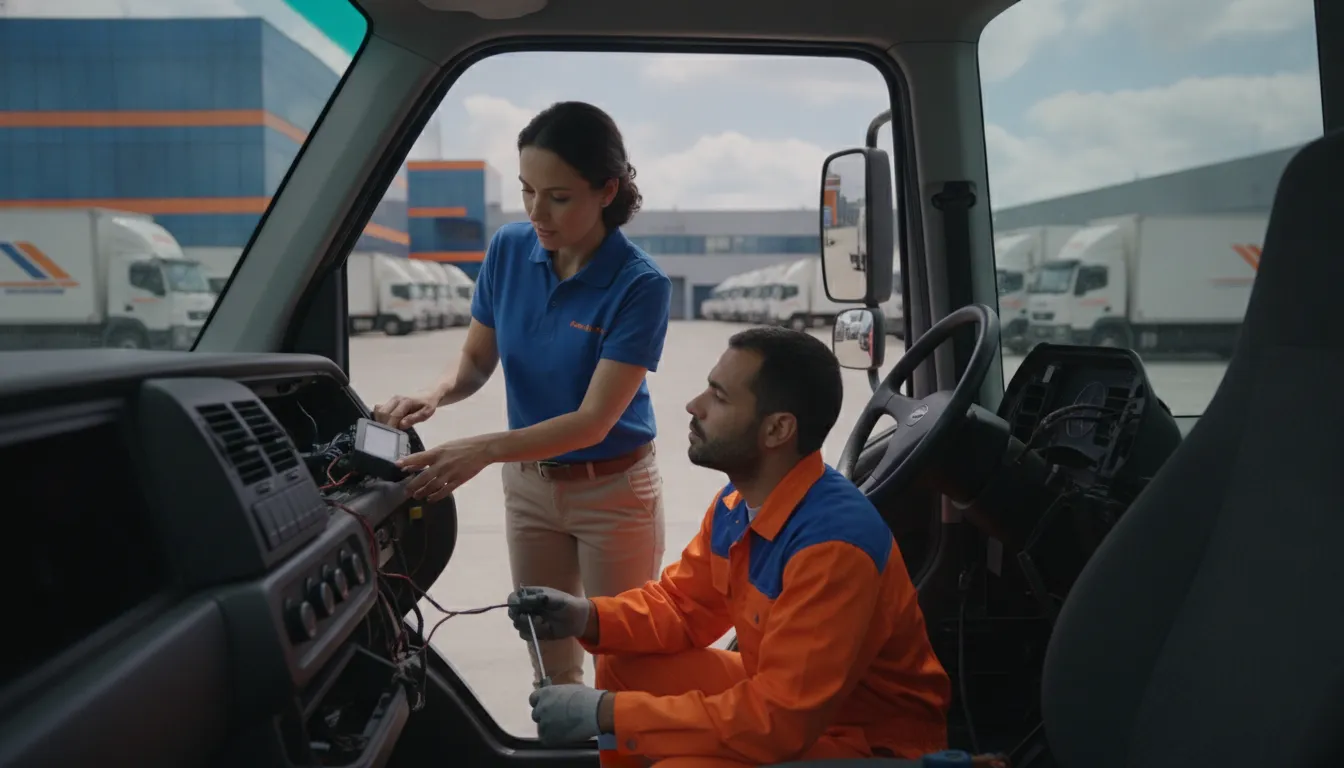
A smooth tracking system implementation starts with a small test. Pick a few vehicles and drivers for a pilot phase. This helps you find any small bugs before you go fleet wide. Use this time to train your team and show them the benefits. If drivers see that the tool helps them drive safer or find better routes, they will be more likely to use it. Clear talk with your team is the best way to get everyone on board.
Once the pilot is done, move to a full rollout. You should have a set schedule for when each vehicle gets its tracker. Check that each device works right away and that the data flows to your dashboard. After the launch, keep looking at your reports to find wins. You might see a drop in fuel use or fewer safety alerts in the first few weeks. These early wins show your ROI and prove the value of the system to your leaders. It also helps to share these wins with your drivers to keep them excited.
Finally, set a date to review your progress. After three or six months, look at your first goals. Did you save as much on fuel as you hoped? Do your routes save time? Use this data to tweak your setup. You might find that you need more alerts or a different type of report. A good fleet tracking system is not something you set and forget. It is a tool that you refine over time to keep your business moving forward. With the right choice and a solid plan, you will see the gains in your bottom line very soon.
Frequently Asked Questions
These common questions cover pricing, legality, buying criteria, and contracts for fleet GPS tracking. Exact answers depend on fleet size, jurisdiction, selected hardware, service level, and business goals, so buyers should verify requirements and compare a proposed solution against their own operating baseline.
How much does fleet GPS tracking cost for business?
Fleet tracking costs often depend on the number of trucks and the features you need. Basic services can start at about one dollar per day for each vehicle. More complex tools for engine data and rules might cost more. Most providers charge a monthly fee for each unit. You should also check for setup or hardware costs when you compare different vendors for your small business.
Is it illegal to put a tracker on a company vehicle?
It is mostly legal for a business to track vehicles that the company owns. Most areas allow this for work tasks like safety and route plans. However, you should tell your drivers about the tools to keep trust and follow local privacy laws. According to the GSA, these tools help with safety and work flow in large fleets. Check your local laws to be sure you follow all the rules.
What should I look for in a business fleet GPS tracker?
You should look for a system that gives fast updates and easy software. Good trackers show data on fuel use, driver speed, and truck health. It is also helpful to find a tool with all-day support and many links to other apps. According to Fleetistics, using a flexible system lets you add parts as your business grows. Make sure the tool helps you meet all federal laws and safety rules.
Does fleet GPS tracking require a long-term contract?
Many companies offer flexible terms, but some may ask for a long deal. You can often find firms that give month-to-month plans or short trials. For example, some experts suggest using a 60-day test to see if the tool fits your needs before you sign a long contract. This helps you try the hardware and software without a big risk. Always read the fine print about fees to stop the service or return the gear.
Ready to find the right fleet tracking solution?
Fleetistics helps businesses evaluate Geotab-powered fleet tracking against real operating goals before a broad rollout. A consultative review can identify the right devices, platform features, integrations, implementation plan, and measurement framework for your vehicles, equipment, drivers, compliance needs, and budget.
Each day you wait to set up a tracking system, you lose money on fuel and vehicle wear. Bad routes and poor driver habits can quickly drain your budget. Starting now lets you see where your assets are and how to save on costs before the next billing cycle. By picking a plan today, you gain the data you need to make fast choices and stay ahead of others. Waiting too long makes it harder to fix old habits that hurt your bottom line. You can stop waste and improve safety for all your drivers with the right tools in place. Our team is here to help you choose a system that fits your exact business needs and goals. We make the process simple so you can focus on growing your fleet and serving your clients better.
Ready to book a consultative fleet telematics demo? Call 855.300.0527 to get started.