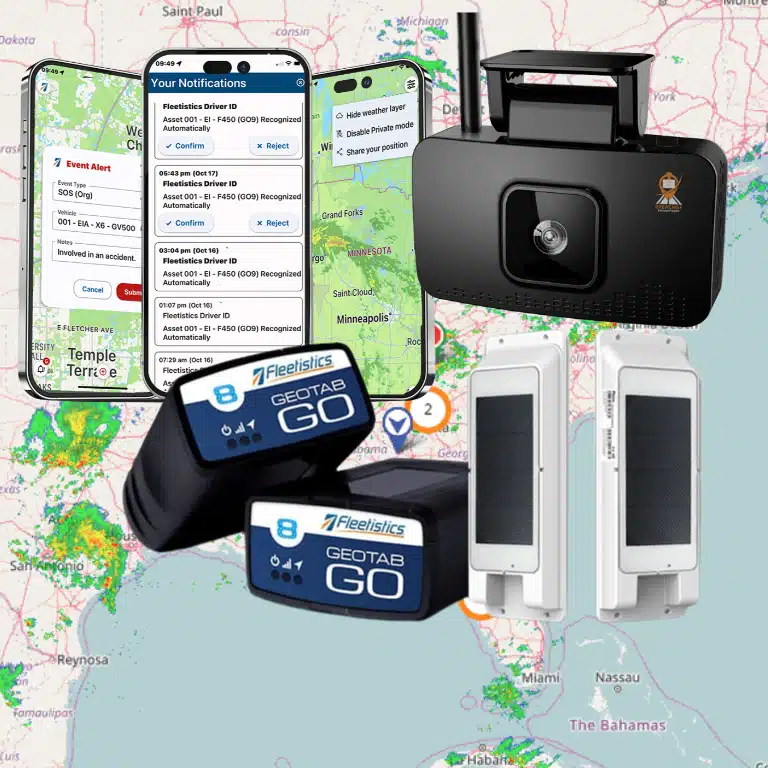

Motor vehicle crashes are a leading cause of workplace deaths, so safety managers need a structured way to compare fleet safety software before committing budget and drivers to a new system.
Book a fleet safety software consultation with Fleetistics
Fleet safety software is a vital tool for any business that needs to lower road risks and protect its drivers from the many daily dangers of the road. These systems combine AI dashcams, GPS tracking, and live alerts to give managers a full view of the road while helping fleets fix risky habits through better coaching. This path is proven to work, as research shows that specific fleet safety management practices lead to much lower rates of work-related crashes and serious injuries. A good platform also helps you stay compliant with federal rules and lower your insurance costs by turning raw data into a clear plan for better driver safety.
Finding the right tool is easy when you focus on the goals that matter most to your team. You should start with the fleet safety software outcomes you need to avoid paying for extra tools you will never use. The path begins as you
Start with the fleet safety software outcomes you need
Choosing the right tool starts with knowing what you want to do. Many teams buy software first and set goals later. But you should find your starting point before you look at features. Motor vehicle crashes are the main cause of deaths at work according to the CDC. Cutting these risks protects your team and your money. Good fleet management software helps you reach these goals by tracking the right facts from day one. It lets you turn raw data into a plan that saves lives.
Identify your safety baseline
You cannot manage what you do not measure. Start by looking at your current crash rates and fuel costs. Check how often your drivers speed or brake too hard. These numbers show where you are now. You need these facts to see if a new tool really helps. Use your past insurance claims to find high-risk spots on your routes. This step helps you set clear goals for the coming year. When you know your baseline, you can see if your safety culture is growing. It gives you a way to prove that your efforts are working.
Know what your team needs
Different people in your firm need different things from a tool. Safety managers want to stop crashes before they happen. They need driver scores and tools to help with coaching. Route managers may need real-time alerts to help drivers avoid bad weather or traffic. Owners focus on the return on their spend and lower risk. Government fleets might need to follow Sourcewell rules for buying. Talk to your team to find out which reports they need each day. This ensures the fleet safety management plan works for everyone.
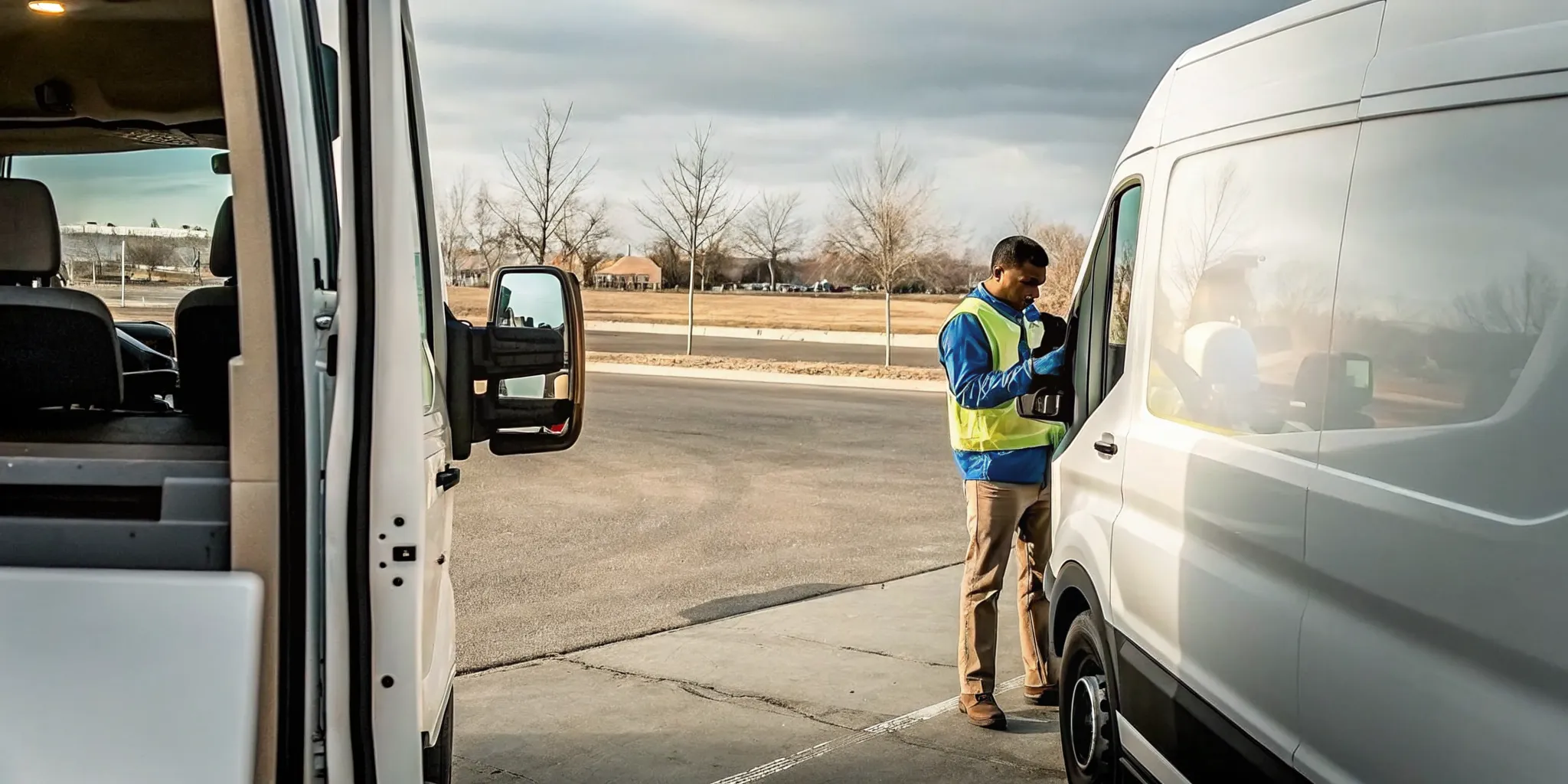
How should you evaluate AI dashcams and video evidence?
Choosing the right hardware for your fleet is about more than just recording video. You need to know how the system finds risks and helps your team improve. High-quality AI safety cameras do not just watch the road; they study events in real time to stop crashes before they happen.
Compare road and driver views
Most fleets start with road-facing cameras to capture outside events. These are great for proving what happened during a crash. But adding driver-facing lenses gives you a full picture of what led to the event. Systems that track eye movement or phone use can warn drivers to stop risky habits right away.
When you look at different models, check the field of view and low-light quality. Clear video is key for insurance claims and legal proof. Using video cameras with GPS tracking tools helps managers show staff exactly where they can improve. This leads to better safety results and lower costs for the business.
Check event detection and retrieval
Old dashcams required you to pull SD cards to see video. Modern fleet safety software uses the cloud to send clips of harsh braking or speeding right to your desk. This saves hours of work and ensures you never miss a key event. You should ask how long the system stores video and how fast you can get a clip when you need it.
Trusted systems use AI to filter out false alerts. You do not want a system that pings you every time a driver hits a small pothole. Look for tools that rank the risk of events so you can focus on the biggest needs. This helps you keep a strong safety culture without wasting time on minor tasks.
| Feature | Basic Dashcam | AI Safety Camera |
|---|---|---|
| Risk Alerts | Manual review only | Real-time AI detection |
| In-Cab Coaching | None | Voice or light alerts |
| Cloud Storage | Limited or none | Auto-upload of events |
| Integration | Stand-alone tool | Fits with telematics |
Compare driver scorecards for fairness and actionability
Driver scorecards are the core of any fleet safety software. They show you who is safe and who needs help. Not all scores are the same. Some systems use old data that does not tell the whole story. You need a tool that lets you change settings to fit your own fleet. This makes the scores fair for every driver. It also helps you focus on the key risks.
Use fair data for driver scores
A fair score must look at more than just a few bad events. It should look at how many miles a person drives. A driver who goes 1,000 miles a week may have more small slips than one who goes 100 miles. Good software fixes this by using miles driven to make the scores equal. This makes the math fair for all. It helps you find the real risks in your fleet without blaming drivers who spend more time on the road.
The kind of data also matters for trust. If a driver thinks a score is wrong, they will not listen to coaching. Modern tools use AI safety cameras to get the full picture. These cameras can tell if a hard brake was a mistake or if the driver tried to stop a crash. Clear video gives you proof for better talks with your team. This builds a sense of fairness and respect.
Balance early signs and past facts
Most fleets focus on crashes and tickets. These are past facts. They tell you what went wrong before today. To stop crashes later, you need to watch for early signs. These are things like speeding, fast turns, or harsh braking. Watching these habits is a key part of fleet safety work that lowers crash rates.
- Speeding and harsh braking events.
- Seat belt use and phone use.
- How often a driver stops too fast.
- Total time spent on the road and night driving.
By looking at these early signs, you can act before a crash happens. This makes your fleet safety software much more useful. You can set up alerts to warn you about bad habits in real time. Then, you can use mobile fleet tools to help your team stay safe. This early step saves lives and cuts costs for the business.
Will alerts focus attention instead of creating noise?
A flood of data can be hard to handle. Many leads worry that adding new tools will just create more noise. But the right fleet safety software should do the other thing. It should filter out the noise so you can see what is vital. By using smart rules, you can turn a stream of data into clear tasks for your team. This keeps your drivers safe and your costs low.
Set levels for alert risk
Not every event on the road is a crisis. A driver who goes two miles over the limit for a few seconds is not the same as one who runs a stop sign. To stay sane, you must group your alerts. Good tools let you set tiers for other risks. You can choose to get a text for a crash but a daily email for idling. This way, you only act when needed. These rules in your fleet safety software focus your time on big risks right away.
You can also route alerts to the right person. A shop lead might need to know about low power or a check engine light. A safety head needs to know about hard braking. This keeps each person from seeing data they do not need. It makes the whole office run well. The right data lets the right person solve the problem fast. This keeps small issues from turning into big, costly repairs or crashes.
Stop alert fatigue before it starts
Alert fatigue is a real risk for busy teams. If a phone pings every minute, the brain starts to tune it out. This means a boss might miss a vital warning. To stop this, you should use tools that only send pings for large risks. Research from the CDC links clear fleet safety rules with lower rates of crashes. One of these rules is showing grouped results to bosses instead of raw data. This keeps the team from feeling buried in pings.
You can also change the limits for your alerts as your fleet gets safer. As drivers improve, you can tighten the rules to catch smaller habits. This keeps your safety plan active and fresh. It also helps you spot who needs more help from your driver coaching tools. When you use data to teach rather than just to watch, your team feels more helped. They see the pings as a way to stay safe rather than a way to be caught doing wrong.
Talk with Fleetistics about a safer, connected fleet
Test the coaching workflow from alert to improvement
A good coaching plan is the heart of any strong safety program. It moves your team from just watching data to taking real action. When you use driver coaching tools, you can find and fix risky habits before they lead to crashes. This work needs more than just a quick talk. It works best when your leaders show they care about safety. Research from the CDC shows that firms with strong safety rules and leader support have much better results.
Real time event alerts
First, your fleet safety software must catch risky acts as they happen. This includes things like harsh stops, speeding, or tailgating. AI safety cameras help here by seeing what the driver sees in the cab. They can spot when a driver is tired, looking at a phone, or not focused on the road. These alerts give you the facts you need to start a helpful talk with your team. Without clear data, coaching can feel like a guess or a blame game.
Review and task setup
Once an alert comes in, you should check the video and data right away. You can then see if the event was a real risk or a safe move to avoid a crash. If the driver needs help, you can set a coaching task right in the software dashboard. This keeps it all in one place and helps you track each step. It also makes sure no one misses a lesson or a follow-up talk. This closed-loop system turns a single event into a chance for the whole team to grow.
- Get an alert from the truck when a risky event occurs, such as a sudden stop or a hard turn.
- Look at the video and the data to see why it happened and how the driver acted in that moment.
- Give a coaching task to the driver so they can learn how to avoid that risk next time.
- Ask the driver to watch the clip and sign a form that says they learned the safety lesson.
- Check the driver’s progress on their scorecard to see if their habits get better over the next month.
- Keep a record of the coaching to show you are taking steps to keep everyone on the road safe.
Using these steps helps you build a safe culture. It is not about blaming people for every mistake. Instead, it is about giving them the skills they need to get home safe. Modern systems make this easy by doing most of the work for you. You can even use scorecards to reward drivers who stay safe over a long time. This keeps them focused on doing their best work every day and helps you keep your best people.
What reporting proves the safety program is working?
Good reports turn raw data into clear proof. It shows if your safety plan is meeting its goals. Using fleet safety software makes this easy by storing all your team data in one spot. You can see which drivers are safe and which ones need more help. This keeps your team focused on the right tasks and helps lower risk for the whole group.
Results trends for leaders
Leaders need to see the big picture to make wise choices. They want to know if crashes are going down over time. Smart tools help by showing trends in how people drive. Research from the CDC shows that firms that sum up facts for top bosses have better safety results. This proof helps bosses see the value of the safety tools. It also shows where to spend money to save lives and cash.
Field leaders use these reports to stay on top of daily tasks. They can set up daily reports that land in their inbox each morning. These lists show key facts like hard braking or speeding events. When leaders have this data, they can use driver coaching tools to talk with their team. This makes it simple to fix bad habits before they lead to a crash. These reports also show which drivers are doing a great job, which helps build a better culture.
A trend review looks at data over weeks or months. It helps you see if your training is working as it should. If speeding drops after a class, you have proof that the class was worth the time. You can also spot new risks that might be starting. This lets you change your plan to meet new needs as they arise. Tracking these trends is a key part of a long-term safety plan.
Dashboards and proof storage
Custom dashboards let you pick the facts that matter most to your fleet. You might want to track idle time, fuel use, or seat belt alerts. A good dashboard puts these facts on one screen so you can act fast. This helps you find small problems before they turn into big bills. It also gives you a way to show that your program is hitting its marks. Leaders can check these screens at any time to get a live look at how the fleet is doing.
Keeping proof is also key for any firm with vehicles on the road. When an event happens, you need to have the facts ready. Safety software stores video and data from each trip for a set amount of time. This lets you look back at exactly what took place during a crash. Having this proof helps protect your firm from false claims and high legal costs. It also gives you the data you need to learn from every mishap on the road.
Sharing these facts with the whole team can also help. When drivers see their own scores, they often try to improve. This creates a goal for everyone to be safer. It takes the guesswork out of how to be a better driver. Clear data makes it easy for everyone to see that safety is a top goal for the firm.
Verify fleet tracking integrations and data ownership
Safe fleets do not work in silos. To get the most from your fleet safety software, you must link it to your other business tools. Your safety data should flow into your GPS tracking, maintenance, and HR systems. This lets you see how driver behavior affects costs and compliance across your entire fleet.
Connect safety with core systems
Modern fleet tools use an open ecosystem to bridge the gap between different departments. When you link AI safety cameras with telematics, you get a full view of every road event. This helps you with accident reconstruction and targeted training. The CDC reports that using monitoring systems with video and coaching leads to better safety results. You can also connect your safety data to HR tools to track driver training and reward safe habits.
Check API and vendor support
A good fleet system must be easy to scale and adapt. Look for vendors that provide free API access and many marketplace options. Fleetistics supports over 300 marketplace links to help you connect with your current tools. This flexibility ensures your fleet safety management plan can grow with your business. It also means you only pay for the specific tools you need at any given time.
Run a clear pilot before choosing a system
Before you buy new fleet safety software, you should run a test. A pilot trial lets you see how the tools work in the real world. You can find out if the tech fits your team and if it saves you money. Testing first helps you avoid costly errors. It also gives you a chance to see if the vendor gives the help you need to succeed.
Set clear goals for your test
Start by picking what you want to achieve. Most safety managers want to lower crash rates or save on fuel. You should use a fleet safety software tool that tracks these facts for you. When you have clear data, it is easier to show your boss the value of the system. You should also look at how easy the software is to use every day. If the tools are too hard, your team will not use them.
Pick a small group of drivers and trucks
You do not need to set up the whole fleet at once. Pick a few normal drivers and trucks for the trial. Choose a mix of your best drivers and those who may need more coaching. This helps you find any tech issues early. You can also see how well your drivers use the new tools. Good fleet safety management depends on getting your team to follow the new rules.
Frequently Asked Questions
How does fleet safety software work?
These tools link to your trucks and gather data on how they are driven. The software then shows this data on a screen for leaders to see. It tracks things like GPS place, speed, and safety events. This lets you see which drivers need more training and which parts of your fleet are at risk.
What are the key benefits of using fleet safety software?
Fleet safety tools help you lower risks and save money. Using these systems can lead to fewer crashes and lower fuel use. They also help you follow road laws and rules. By watching driver habits, you can build a safer work way that keeps your team and your gear safe every day.
How can fleet safety software help reduce accidents?
These tools track driver habits like speeding and hard braking. They give real time alerts so drivers can fix their habits right away. As shown by Geotab, fleets that use these tools see a 21 percent drop in crash rates. By using data to train drivers, leaders can stop crashes before they happen.
How does AI enhance fleet safety software capabilities?
AI tools can spot risks that human eyes might miss. High tech dashcams use AI to find signs of driver fatigue or focus loss. These systems can then alert the driver to stay focused on the road. Linking AI dashcams with telematics also helps leaders see what happened after a crash. This video proof is vital for training.
Ready to book a fleet safety software consultation?
Every day you hit the road without the right tools is a day you face high risk from costly crashes and high insurance rates. The cost of doing nothing grows with each mile, but you can change that path today and see better driver habits in just weeks. Our team is here to help you keep your crew safe with our fleet safety software that fits your exact needs. You can stop the risk and start moving your fleet forward with confidence. Do not let another month go by with blind spots in your safety plan. Your fleet and your drivers are far too important to leave to chance.
Call 855.300.0527 to book your fleet safety software consultation