
A single distracted driver can cost your business thousands of dollars in a split second. Passive cameras record these crashes, but they cannot stop them. Fleet managers need active tools to stop costly wrecks before they happen.
Comparing an ai dashcam vs standard dashcam for fleets highlights the main differences between reactive recording and proactive driver coaching. Basic standard cameras only record video footage to a local memory card during a wreck, which works well for insurance claims after a crash. However, these passive tools cannot detect distracted driving, alert a tired driver, or help stop a dangerous collision before the impact occurs. Understanding how AI dashcams compare to standard dashcams helps fleet managers find risk behaviors like cell phone use and lane drifting in real time. These smart systems use machine learning to issue instant in-cab warnings, letting your drivers correct their behavior and avoid costly road wrecks completely.
You must decide if passive video is enough, or if your business needs active risk prevention. To make this choice, you need to understand the limits of traditional hardware. The path begins with What Does a Standard Dashcam Record (and What Does It Miss)?
Ai Dashcam Vs Standard Dashcam For Fleets: What Does a Standard Dashcam Record (and What Does It Miss)?
When you look at an ai dashcam vs standard dashcam for fleets, you must first check what a basic camera does. A standard dashcam is a passive tool. It mounts on the windshield and records video on a loop to a local SD card. It writes over old files once storage gets full. If a driver brakes hard or swerves, a basic G-sensor saves that video clip for later review.
Passive video recording
Basic cameras work well to record road events. They give you clear video after a crash. But these devices only record what is in front of the lens. They do not watch the driver or check habits in real time. If you want to know how AI dashcams compare to standard dashcams, the main change is how they handle data. A standard camera acts as a silent witness. It holds proof on a card, but it cannot stop a crash from happening.
A standard camera does not connect to live systems. A fleet manager must pull the SD card to view most footage. This manual task takes time. It also means you only see bad driving habits after they lead to a costly claim.
Distracted driving hazards
Standard cameras miss major risks inside the cab. They cannot see if a driver is texting, eating, or looking away from the road. This lack of sight is a big gap. Distracted driving is a massive risk for modern fleets. Reports from the National Highway Traffic Safety Administration show that distracted driving caused more than 400,000 crashes in 2024. Many of these crashes were linked to mobile phone use. A basic camera cannot warn a driver to put down a phone. It only records the moment of impact.
The microsleep warning window
Driver fatigue is another area where standard cameras fail. When a driver gets tired, they may experience brief lapses in focus called microsleep. A passive camera cannot detect these moments. Yet research shows that these events have clear warning signs. According to a study on microsleep in truck crashes, changes in body movement and lane drifting happen before a crash.
The study found that a driver’s anti-sleepiness actions drop while signs of sleepiness rise. Most crashes occur within 40 seconds of these changes. This 40-second window is a vital chance to prevent a crash. Standard cameras cannot see these changes or warn the driver. Only an active AI system can track eye blinks, body movement, and lane drifting to send a loud alert in time to stop a crash.
What AI Dashcam Systems Add: Event Detection, Coaching, and Real-Time Alerts
Comparing an ai dashcam vs standard dashcam for fleets shows a clear difference in safety. Understanding the benefits of AI dashcams over standard dashcams is key for modern fleets.
Standard cameras only record video after a crash occurs. This passive style cannot prevent a collision. An AI camera scans the road and the driver at the same time to spot risks. This gives you a way to stop accidents before they happen.
Proactive Event Detection
AI systems go far beyond basic video feeds. They track over 20 distinct safety events with up to 99% accuracy. These events include tailgating, phone use, and sudden lane changes. This proactive method helps you find risk early.
Distracted driving is a major road hazard. The National Highway Traffic Safety Administration reports that distracted driving caused over 400,000 collisions in 2024. While standard cameras only show phone use after a crash, AI cameras detect phones in a driver’s hand instantly.
Driver fatigue is another critical issue on the road. A study on PubMed shows that critical events often occur within 40 seconds of noticeable body movement changes. By tracking driver face and vehicle behavior, AI cameras spot these signs before a crash. This proactive care helps drivers stay safe.
Real-Time Alerts and Cloud Uploads
When an AI camera spots a safety event, it acts fast. The system gives an in-cab voice alert to the driver. This real-time warning tells them to focus on the road or slow down. Drivers can adjust their behavior in the moment to avoid an accident.
The system also uploads the video clip to the cloud on its own. You do not have to wait for the vehicle to return to the office. You do not have to pull an SD card from the camera to view the clip. Instead, you get instant access to the video on your dashboard.
Smarter Driver Coaching
The biggest long-term gain is better driver coaching. While standard dashcams force you to review hours of footage by hand, AI cameras do the heavy lifting. They tag every clip with the exact event type. This provides clean safety data to help you train your team.
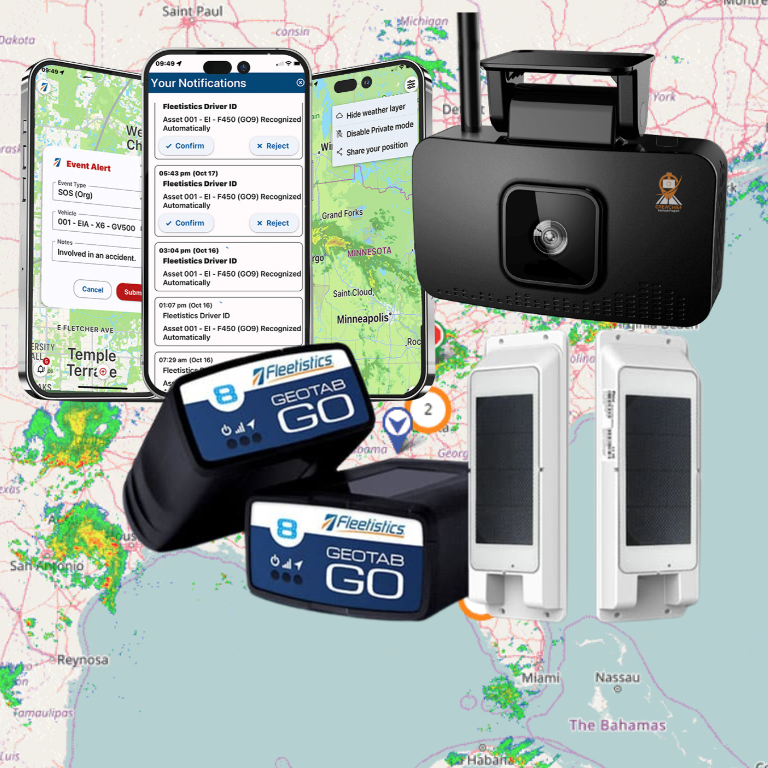
Through our long-running partnership with Geotab, Fleetistics offers top-tier AI dashcam systems. This technology works with Geotab’s open platform to turn raw video into driver safety scores. You can see which drivers need help and who is doing well. Instead of guessing, you can use real data to build a safer fleet.
Cost Comparison: Upfront and Monthly Costs Side by Side
Upfront hardware vs ongoing software fees
Standard dashcams have low upfront costs. They cost between $100 and $400 per camera. These units do not need monthly fees because they save video right to a local memory card. However, this means you only get video after a crash happens and you must pull the card yourself.
AI dashcams cost more upfront, ranging from $300 to $800 or more per camera. They also need a monthly software fee of $15 to $35 per vehicle to run the platform. This ongoing fee covers cell data and cloud space for your video.
While standard dashcams seem cheaper, they do not prevent crashes. The National Highway Traffic Safety Administration (NHTSA) reports that distracted driving caused more than 400,000 crashes in 2024. Active driver coaching makes up for the monthly software cost by preventing these expensive crashes before they happen.
A side-by-side cost breakdown
Checking standard vs AI-powered dashcam hardware options helps you find the right fit for your budget. The table below shows upfront costs, ongoing fees, and common brand pricing. It shows the gap between passive recording and active safety tools.
| Cost Component | Standard Dashcams | AI-Powered Dashcams |
|---|---|---|
| Upfront hardware cost | $100 to $400 per camera | $300 to $800+ per camera |
| Monthly software fee | No monthly fees | $15 to $35 per vehicle |
| Competitor examples | Not applicable | Samsara at $27-$33; Verizon at $35-$45 |
| Hardware warranty | 1 to 2 years basic warranty | Lifetime warranty on PRO or ONE platforms |
| Value and safety | Passive local video storage | Proactive alerts and active coaching |
This cost breakdown shows that standard cams have lower upfront prices. However, they lack the tools to reduce fleet risks. AI dashcams need a monthly fee, but they protect your drivers in real time. This can save your business thousands of dollars in crash costs.
Risk reduction with modular pricing
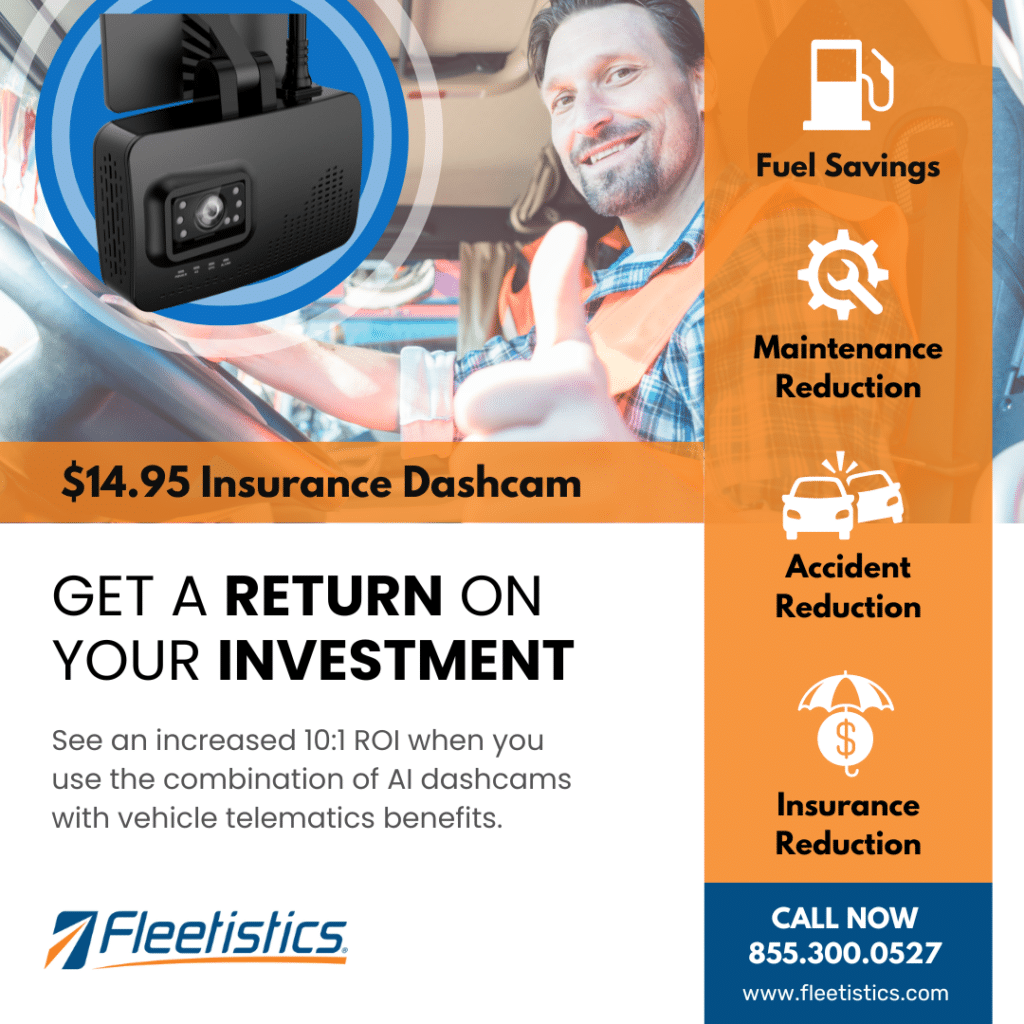
Fleetistics offers modular tiers starting under $1 per day. These low rates fit any fleet budget. Tiers include MAP, LITE, ONE, GO, and BY IoT options. This modular structure means you only pay for the features you need. You can also link these cameras with Geotab telematics to build a single system.
To lower your risk, Fleetistics uses a 60-day Solution Evaluation Process. This trial is risk-free. It lets you test the hardware and software in the field before you buy. You also get a lifetime hardware warranty on the PRO and ONE platforms.
Insurance Discount Impact: What Carriers Are Offering for AI Dashcam Data
When you look at an ai dashcam vs standard dashcam for fleets, you see a big change in how insurers view your risk. Standard cams only record a crash after it happens. But AI systems help stop wrecks before they start. Insurers like this shift from passive recording to active prevention.
Premium savings and fewer crashes
Using smart video tools can lead to lower rates. Many insurance firms offer premium discounts when fleets use AI tools. For instance, data shows that advanced cameras can reduce crash rates by 60% and cut accident costs by 86%. Insurers pass these savings directly to you because your risk is lower.
Our modular platform works with top tools to help you get these rate cuts. You can track all safety data in one place. This makes it easy to prove your safe driving habits to your insurer. Over time, these rate drops can pay for your whole camera system.
Driver coaching and safety events
Insurance savings are tied to driver coaching. Fleet data shows a big safety gain. Using dashcams with a coaching program led to a 52% drop in safety events.
Standard cameras do not give you the data needed to coach drivers. AI cameras find risky acts like phone use and tailgating in real time. This keeps drivers safe and keeps your insurance rates low.
Video proof in liability claims
Another big return comes from crash proof. Many wrecks between trucks and cars are not the truck driver’s fault. In fact, federal data shows that trucks are at fault in only 26% of car-truck crashes.
Standard cameras often fail in court because they lack context. They may only show the road ahead after a crash has already happened. AI tools show what led up to the event, proving your driver was alert and did not cause the crash.
Without video proof, trucks are often blamed first. A standard dashcam might miss the side views or the driver’s cab. AI tools track the whole road and the driver. This gives you instant, clear proof to show police and save on high court costs.
Which Should Your Fleet Choose? Decision Framework by Fleet Size and Risk
Choosing the right tools is vital for your drivers and your bottom line. The choice between an ai dashcam vs standard dashcam for fleets depends on your fleet size and daily risk levels. A simple tool can record road events, but advanced tools can help prevent them.
You can start by choosing between AI and standard dashcams based on your local driving routes. This choice will shape how you guide driver safety and how you handle crash claims.
Fleet safety and road risk
Your team must look at the types of roads your drivers use every day. Long highway trips bring a high risk of driver fatigue. According to research on PubMed, major safety events often happen within forty seconds of a driver showing signs of sleepiness. Standard cams only show you what happened after a crash, which is too late to prevent injuries.
In contrast, smart cams can watch for body signs of sleepiness and warn the driver in real time. If your drivers face high traffic on city streets, active warnings can prevent rear-end crashes. Knowing your daily risks will help you choose the best tools for your team.
Your step-by-step guide
Follow these steps to find the best cam tier for your company and drivers:
- Assess your fleet size and risk profile. Look at your daily driving miles and driver fatigue risks to see if you need real-time alerts.
- Review your current crash rate and driver coaching. Decide if your team has time to review raw clips manually or if you need smart event alerts.
- Match cam tier to fleet needs. Small fleets of 5 to 50 vehicles may start with standard cams, while teams with 50 to 500 trucks benefit from active AI systems.
- Calculate total cost of ownership including insurance savings. Compare monthly costs against how much you will save on claims when you prevent crashes.
- Use the 60-day trial to test results. Test a few active cams on your busiest routes to see how driving habits change before you buy.
Flexible tiers to scale
You do not have to buy a costly tier right away. Fleetistics offers a modular approach to help you start small and scale up as your company grows. You can choose from tiers like MAP, LITE, ONE, GO, or BY IoT to match your budget.
This allows you to set up basic tracking first and add active safety cams later. You can work with a Geotab gold partner to build a custom plan that fits your exact needs. This modular plan keeps your upfront costs low while giving you room to grow.
How to Start Your AI Dashcam Evaluation
A simple fleet talk
Testing new tools for your fleet does not have to be hard. When choosing an ai dashcam vs standard dashcam for fleets, you need real-world facts to make the best choice. Your first step is a simple chat with an expert. Call Fleetistics at 855.300.0527 to discuss your specific needs. As a Gold Reseller with twenty years of Geotab history, we help you find the right fit without high sales pressure.
Our team focuses on coaching and safety, not just tracking. We listen to your goals first, whether you run five service vans or a large interstate transport fleet. This consultative approach ensures you get the exact features you need to manage risk.
The 60-day trial process
You should always test cameras in your real trucks before you buy. Fleetistics offers a 60-day Solution Evaluation Process to let you do this. You can install the hardware and see how your drivers react in real time. When you test safety tools, you want to see if they truly reduce risk. Based on data from the National Highway Traffic Safety Administration, distracted driving causes hundreds of thousands of road crashes each year. A hands-on trial lets you see if live alerts can block these events in your fleet.
Choosing your modular tier
We do not believe in one-size-fits-all plans. Our platform is modular, meaning you only pay for what you use. Tiers start under one dollar per day for basic tracking, and you can add advanced AI cameras as your business grows. Plus, we offer a lifetime GPS warranty on our PRO and ONE platforms. This ensures your investment stays safe for the long haul.
We build our systems to work with Geotab’s open ecosystem. This means you can connect free APIs and add over three hundred custom integrations as your fleet needs change. You never have to worry about outgrowing your hardware or getting locked into old tech.
Frequently Asked Questions
What is the main difference between AI dashcams and standard dashcams?
Standard dashcams record video passively to a memory card. They capture road footage after an incident occurs. AI dashcams use computer vision to analyze video in real time, detect risky behaviors like phone use or drowsiness, and issue in-cab voice alerts before a crash happens. AI systems also upload clips to the cloud automatically for driver coaching.
Will my insurance go down if I use AI dashcams?
Yes, many insurance carriers offer premium discounts for fleets that use AI dashcam technology. Studies show AI dashcams can reduce collision frequency by up to 60% and accident-related costs by 86%. Insurers pass those savings to fleets that can prove they are using active safety tools. Check with your carrier to see what discount programs they offer.
How much do AI dashcams cost per vehicle compared to standard dashcams?
Standard dashcams cost between $100 and $400 per camera with no monthly fee. AI dashcams cost $300 to $800 or more upfront plus $15 to $35 per vehicle per month for software, cloud storage, and cellular data. Fleetistics offers modular tiers starting under $1 per day and a 60-day risk-free trial so you can test the system before you commit.
Can standard dashcams detect distracted driving?
No, standard dashcams cannot detect distracted driving. They record video of the road ahead but do not analyze driver behavior. They cannot tell if a driver is texting, eating, or looking away from the road. Only AI dashcams with computer vision and machine learning can identify distracted driving in real time and alert the driver to refocus.
What kind of driver coaching do AI dashcams support?
AI dashcams tag every safety event with the exact type of behavior such as hard braking, phone use, tailgating, or lane drifting. They upload these clips to a cloud dashboard so fleet managers can review them without pulling SD cards. This data makes coaching specific and objective. Studies show that combining dashcams with driver coaching reduces safety events by 52%.
Are AI dashcams worth the extra cost for small fleets?
For small fleets with 5 to 50 vehicles, it depends on your risk profile. If your drivers face high-traffic routes, long highway miles, or frequent fatigue risks, AI dashcams can pay for themselves by preventing even one major collision. Fleetistics offers modular pricing starting under $1 per day so small fleets can start with basic tracking and add AI safety features as they grow.
Are You Ready to Get a Free Consultation and Secure Your Fleet?
Every day you delay upgrading your older fleet cameras is another day you risk facing expensive lawsuits, high insurance rates, and preventable accidents. If you continue to rely on basic recording systems, you will only learn about safety errors after a crash has already caused severe damage. Choosing to start your sixty-day trial process right now gives your managers the live views they need to correct habits before they become collisions.
Ready to talk to a helpful fleet specialist today? Call 855.300.0527 to speak with a consultant about upgrading your fleet dashcam system. Our team is standing by to help you choose the best modular solution for your fleet.