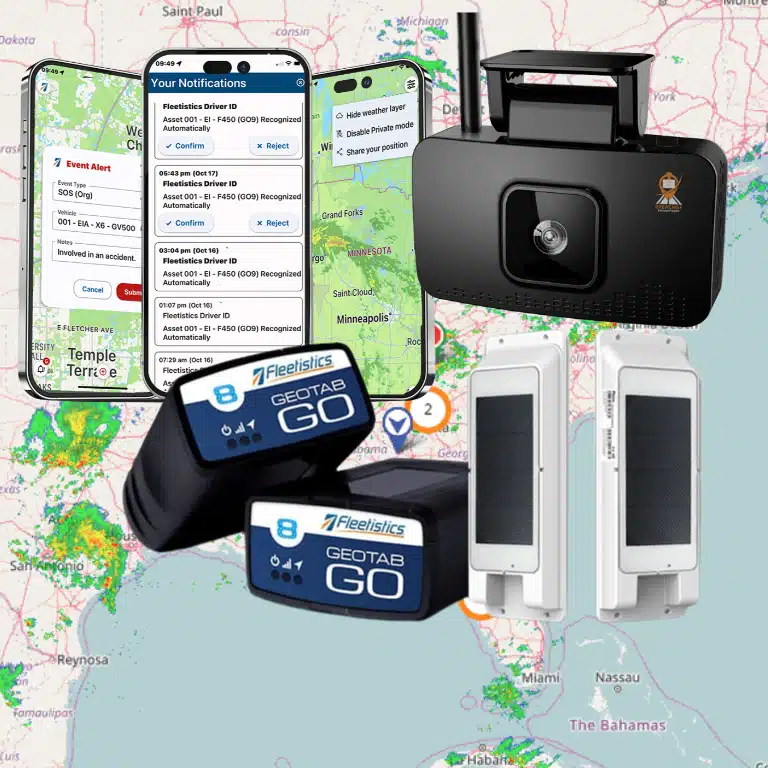
How to Interpret Vehicle Diagnostic Codes in Fleet Operations
Learn how to interpret vehicle diagnostic codes, prioritize fleet repairs, verify faults, and turn telematics alerts into safer maintenance decisions.

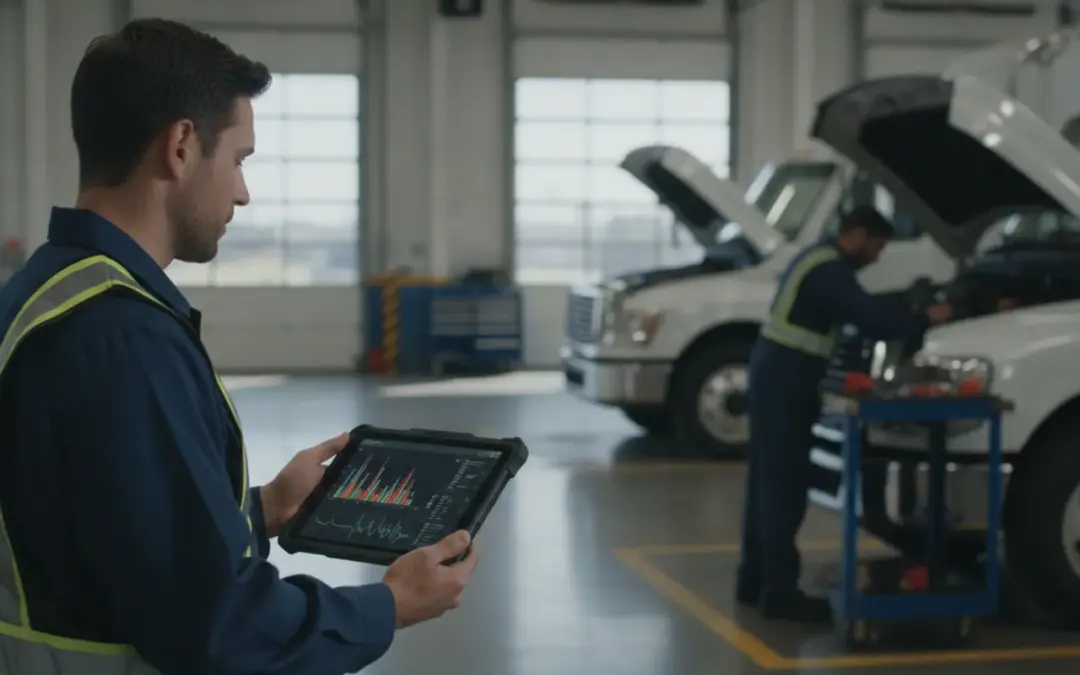
Learn how to interpret vehicle diagnostic codes, prioritize fleet repairs, verify faults, and turn telematics alerts into safer maintenance decisions.

Compare paper logs, spreadsheets, and vehicle maintenance log book apps to improve inspections, reminders, records, reporting, and fleet uptime.

Learn how GPS fleet tracking route optimization connects live location data, route constraints, dispatch decisions, and ROI measurement for fleet operations.

Learn how fleet management route optimization reduces empty miles, protects service windows, improves driver adoption, and keeps customers informed.

See how predictive analytics fleet management connects historical and real-time data to maintenance, utilization, safety, and cost decisions.

Evaluate fleet route optimization software with a checklist for constraints, windows, live changes, driver adoption, reporting, and ROI validation.

DOT fleet compliance guide for inspections, records, ELD rules, audits, and corrective action, with steps for fleet managers.

Use fleet safety analytics to track risk, review trends, coach drivers fairly, and govern safety data with a practical fleet management process.

Learn how construction fleet telematics connects trucks, equipment, jobsites, maintenance, and safety workflows for clearer fleet decisions.

Plan GPS tracking for fleet vehicles with practical guidance on devices, visibility, alerts, integrations, employee notice, and rollout adoption.

Learn how fleet maintenance management software organizes schedules, work orders, diagnostics, service history, reporting, and practical fleet decisions.

Evaluate fleet telematics solutions with an implementation-fit audit covering data, hardware, workflows, integrations, rollout ownership, and fleet ROI.