
For a service fleet, fuel waste may come from long idle periods at job sites, inefficient dispatching, or unauthorized purchases. For a long-haul operation, the biggest opportunities may be speed management, out-of-route miles, fuel-stop strategy, or tractor-trailer matching. The technology matters, but the operating process around it determines whether fuel data produces savings.
What Fleet Fuel Management Should Control
Fuel management is more than watching average miles per gallon. It is a control system for purchasing, vehicle use, driver behavior, route performance, and maintenance. The goal is not to push drivers toward an unrealistic MPG target. The goal is to identify the conditions that increase consumption and correct the conditions your operation can control.
A useful program answers straightforward questions: Which vehicles consume more fuel than comparable units? Which drivers idle excessively or make avoidable trips? Are fuel-card purchases occurring at the correct vehicle, location, time, and price? Are maintenance issues affecting efficiency? Are dispatched routes creating unnecessary miles?
The answers should be visible in one operating view, not split among fuel-card reports, spreadsheets, GPS screens, and maintenance records. When data remains fragmented, supervisors spend their time reconciling transactions rather than acting on exceptions.
Start With a Baseline Before Setting Targets
Do not begin with a generic MPG target copied from another fleet. A loaded utility truck, refrigerated vehicle, delivery van, and police cruiser will not consume fuel the same way. Compare like assets operating in similar conditions.
Build a baseline using at least 60 to 90 days of fuel transactions, odometer or engine-hour data, GPS mileage, idle time, and maintenance history. Separate vehicles by class, vocation, territory, and fuel type. If a vehicle has spent half the period in the shop or has recently changed routes, flag it rather than treating its results as normal performance.
Look beyond total gallons. Calculate cost per mile, gallons per engine hour, miles per gallon, idle fuel use, fuel cost per completed stop, and fuel spend by job or service area where possible. A fleet with rising MPG can still have rising fuel cost per job if route density has declined or trucks are making more repeat visits.
Validate the Data First
Fuel decisions are only as reliable as the underlying data. Confirm that fuel-card transactions match the right vehicle and driver, that odometer readings are reasonable, and that GPS mileage is consistent with reported mileage. A sudden 300-mile variance may be a data-entry issue, a swapped fuel card, or a vehicle that needs attention.
Telematics can help validate transactions by comparing the purchase time and location with the vehicle’s location, tank capacity, recent fuel level, and distance traveled. This creates a practical exception process. Instead of reviewing every transaction, managers can review the purchases that do not fit the vehicle’s operating pattern.
Put Controls at the Point of Purchase
Fuel cards should reduce risk before a transaction occurs. A card without limits can become an open spending account, especially when a driver is under time pressure or a card is shared across vehicles.
Set purchase controls that reflect how each fleet segment operates. Restrict fuel type, limit transactions per day, cap dollar amounts, block non-fuel products when appropriate, and require driver identification. Use time-of-day and geographic controls where they fit the work schedule. A 24-hour emergency response fleet needs different rules than a daytime local delivery fleet.
Location controls require judgment. The lowest posted price is not always the lowest total cost if a driver travels several extra miles, waits in a long line, or leaves the route to reach it. For many local fleets, the better policy is to identify approved stations near recurring routes and monitor price variance, rather than forcing drivers to chase pennies per gallon.
Fuel-theft monitoring should also be specific. Watch for repeated fill-ups too close together, purchases that exceed tank capacity, transactions far from the assigned vehicle, and fuel activity when the vehicle is not operating. One exception does not prove misuse. It does create a reason to verify the event quickly.
Use Telematics to Reduce Consumption on the Road
Telematics turns fuel management from a monthly finance exercise into a daily operations process. Vehicle location, speed, idle status, engine data, route history, and fuel-card transactions can show where consumption is occurring and what is driving it.
Focus on Idling, Speed, and Unproductive Miles
Idling is often the first visible opportunity, but it needs context. A truck idling for cab comfort may need a different solution than a service vehicle powering tools, a vehicle warming up in severe weather, or a patrol unit maintaining onboard systems. Set policies by vocation and track excessive idling after accounting for legitimate operating needs.
Speed also affects fuel use, particularly on highway routes. Rather than using one fleet-wide rule, compare fuel consumption at different speed ranges and balance savings against delivery commitments and safety requirements. A speed policy that cannot meet customer schedules will be ignored or create workarounds.
Unproductive miles frequently create a larger fuel opportunity than driver behavior alone. Geofences, route replay, and planned-versus-actual route reports can reveal unnecessary return trips, missed service locations, poor territory assignments, and vehicles traveling past closer jobs. Dispatch and route optimization teams should review these findings together. Fuel savings often start with better work allocation.
Connect Fuel Performance to Maintenance and Driver Coaching
A drop in fuel economy can be an operating behavior issue, a mechanical issue, or both. Underinflated tires, alignment problems, engine faults, clogged filters, refrigeration-unit issues, and excessive regeneration events can all raise fuel consumption. If a vehicle’s MPG drops sharply compared with comparable units, create a maintenance inspection trigger instead of immediately blaming the driver.
Driver coaching works best when it is timely and specific. A monthly scorecard is useful for trend reporting, but it is a weak tool for correcting a repeated behavior that occurred weeks earlier. Supervisors need short exception-based conversations: excessive idling at a location, high-speed events on a route, extended detours, or repeated card exceptions.
Keep coaching fair by considering route type, load, weather, and vehicle assignment. Drivers will reject a program that compares a heavily loaded urban truck with a lightly loaded suburban van. They are more likely to engage when the data is accurate, the expectations are clear, and good performance is recognized.
Implement the Fleet Fuel Management Guide in Phases
Trying to deploy every control, dashboard, and policy at once can overwhelm drivers and managers. Start with the issues that have the clearest cost and accountability impact. For many fleets, that means transaction validation, idle reporting, and out-of-route mileage.
A practical first 90 days can follow five checkpoints:
- Clean up vehicle, driver, fuel-card, and asset assignments so records match the field.
- Establish baseline fuel metrics by vehicle class and operating segment.
- Configure fuel-card limits and automated alerts for high-risk exceptions.
- Review idle, speeding, and route exceptions with operations and dispatch leaders each week.
- Send persistent vehicle-efficiency issues into the maintenance workflow for inspection.
After the first phase, add route optimization, driver scorecards, job-cost reporting, and deeper analytics where the data supports action. Small and midsize fleets may start with essential tracking and card controls. Larger fleets may need integrations with ERP, dispatch, maintenance, payroll, or government reporting systems. The right platform is the one that matches the operation without forcing unnecessary complexity.
Measure Savings Without Overstating Results
Fuel prices fluctuate, seasons change, and workload shifts. Measuring only total spend can make a good program look ineffective during a price spike, or make weak controls look successful when prices fall. Pair total spend with operational measures such as cost per mile, gallons per engine hour, idle percentage, route miles per completed job, and exception resolution time.
Document the starting point and track results by fleet segment. If idle time falls by 20 percent but total gallons remain flat because the fleet added vehicles, the program may still be producing a meaningful result. Normalize the data before declaring a win or changing policy.
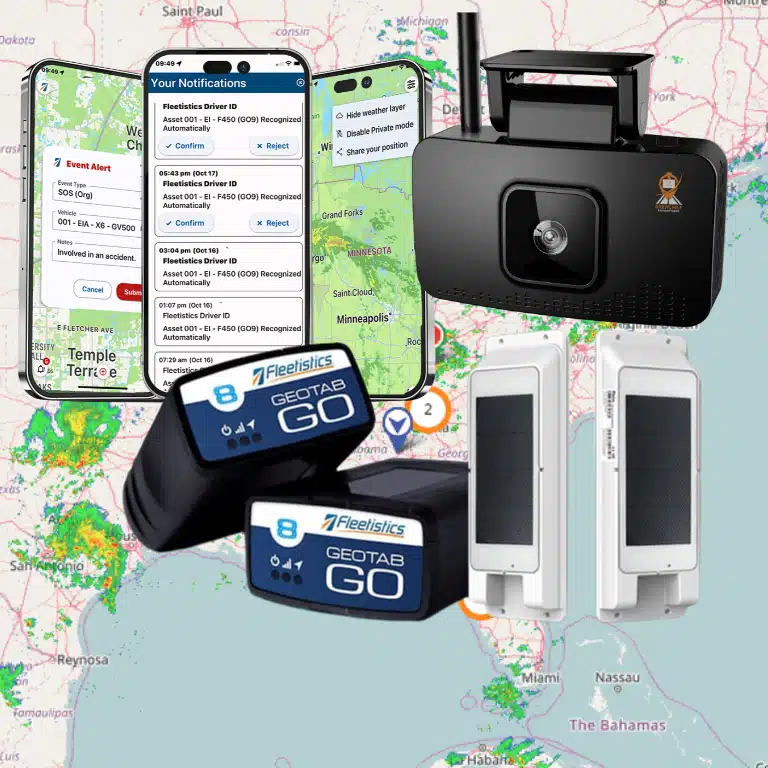
Fleetistics helps operators connect telematics, fuel controls, routing, maintenance, and reporting in a modular fleet-management environment. The value is not another dashboard. It is giving managers a clear path from a fuel exception to a corrective action.
The most useful fuel program is one your team can run every week: a short exception review, clear ownership, and evidence that the fleet is spending each gallon to complete productive work.