

A service truck that misses a customer appointment because of a failed alternator does not create just one repair bill. It creates overtime, rescheduling, lost utilization, driver frustration, and a customer who may question your reliability. Preventive maintenance scheduling fleet programs are built to prevent that chain reaction by turning vehicle data, service intervals, and shop capacity into planned action.
For most fleets, the challenge is not knowing that oil changes, inspections, and tire rotations matter. The challenge is running a schedule that works across different vehicles, duty cycles, driver behaviors, locations, and operating demands. A calendar-based reminder alone is rarely enough. Effective maintenance scheduling uses real operating data to bring vehicles in before a small issue becomes an expensive roadside event.
What preventive maintenance scheduling should control
Preventive maintenance is the planned service performed before a component fails. Scheduling is the operating discipline that determines when the work occurs, who owns it, where the vehicle goes, and whether the work was completed on time.
A useful program gives maintenance and operations leaders control over three things: service triggers, work prioritization, and proof of completion. A vehicle may need service at a mileage interval, an engine-hour threshold, a date interval, or a combination of those triggers. The right choice depends on how the asset is used.
A long-haul tractor accumulates miles quickly, so mileage and engine hours may be the most meaningful triggers. A bucket truck, generator, or seasonal municipal vehicle may accumulate relatively few miles while still requiring time-based inspections and fluid changes. Idling also matters. High idle time adds engine wear without adding road miles, which is why telematics data can improve maintenance decisions for field-service fleets and equipment-heavy operations.
The goal is not to service every vehicle early just to be safe. Overservicing wastes labor, parts, and vehicle availability. Waiting too long raises the risk of failures, safety defects, and avoidable repair costs. The best schedule is based on manufacturer requirements, actual utilization, asset age, operating conditions, and the fleet’s tolerance for downtime.
Build a preventive maintenance scheduling fleet program around real data
Start by creating a complete asset record. Every vehicle, trailer, and powered piece of equipment should have a unique profile that includes its VIN or serial number, make, model, year, engine type, assigned location, current odometer or hour-meter reading, and maintenance history. Without accurate asset data, maintenance reminders become unreliable quickly.
Next, create service templates by asset class. A light-duty pickup should not follow the same plan as a diesel box truck, refrigerated unit, police vehicle, or heavy-duty tractor. Templates keep recurring work consistent while allowing exceptions where the equipment requires them.
A practical service template may include oil and filter service, tire inspection and rotation, brake inspection, cooling-system checks, transmission service, annual inspections, and required emissions-related maintenance. The specific tasks should reflect OEM recommendations and your own failure history. If a certain component repeatedly fails before the recommended inspection interval, that pattern deserves attention.
Then set service rules using the trigger that best matches the task. For example, oil service may be due at a mileage or engine-hour threshold, while annual safety inspections are due by date. Use early-warning thresholds as well. A vehicle due in 30 days or 1,000 miles should appear on the maintenance team’s radar before it becomes overdue.
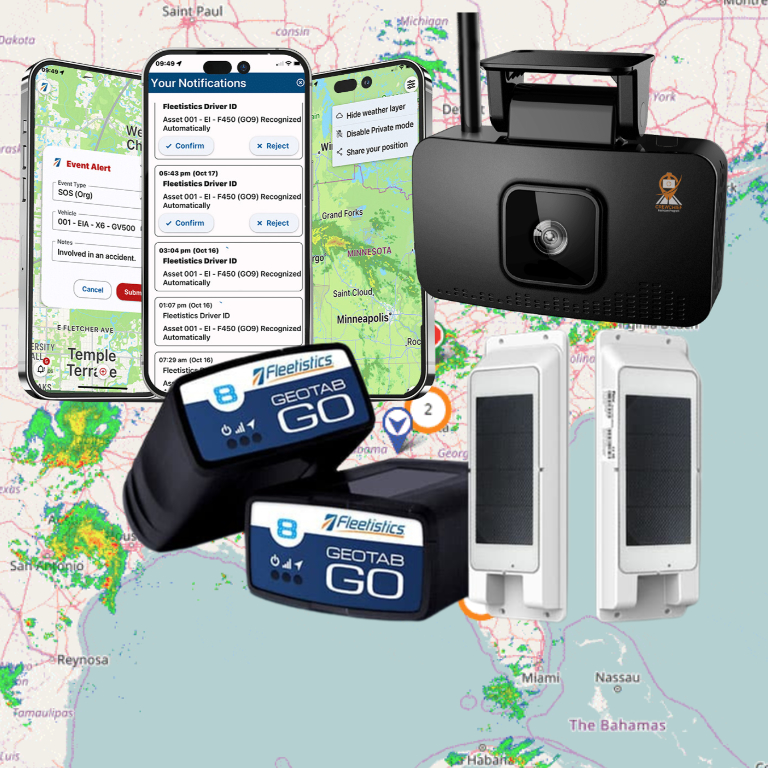
This is where connected fleet technology changes the workload. Instead of collecting odometer readings through driver calls, fuel receipts, or handwritten forms, GPS and telematics devices can update mileage, engine hours, fault codes, and utilization automatically. That gives schedulers current information and reduces the administrative gaps that cause vehicles to slip past their service dates.
Prioritize work by risk, not by the loudest request
A preventive maintenance schedule is only valuable when the shop can execute it. Most maintenance teams face limited bays, technician shortages, parts delays, and vehicles that operations wants on the road. A flat list of due services does not solve those conflicts.
Classify work by operational and safety risk. Overdue brake inspections, active diagnostic trouble codes, severe tire issues, and defects reported through DVIRs should move ahead of routine convenience work. A vehicle with a low-severity service item due next week may be able to wait. A unit showing an engine-temperature warning may not.
Build maintenance windows around actual dispatch patterns. If a vehicle returns to the yard every evening, schedule short inspections and fluid checks during off-hours. If it is deployed across multiple states for weeks at a time, plan authorized service locations along its route or arrange service before departure. The right approach depends on your operating model, but the decision should be deliberate rather than reactive.
Driver input also matters. Drivers are often the first people to notice vibration, steering changes, warning lights, fluid leaks, or declining braking performance. Mobile DVIR workflows give them a direct path to report defects, while maintenance teams gain a timestamped record for review, assignment, repair status, and documentation. That is better than relying on a paper form that stays in a cab or reaches the shop days later.
Connect maintenance with safety, compliance, and cost control
Maintenance data should not sit in a separate system where only the shop can see it. Operations needs to know whether a vehicle is available. Safety needs visibility into unresolved defects. Finance needs repair and downtime costs by vehicle. Leadership needs to understand whether replacement decisions are supported by facts.
A connected platform can bring these views together. Maintenance alerts can be compared with vehicle location and upcoming routes. DVIR defects can create maintenance actions. Engine diagnostics can flag emerging issues. Fuel consumption can reveal declining efficiency that may point to tire, engine, or driver-behavior concerns.
For regulated fleets, documentation is part of the value. A well-managed schedule helps demonstrate that inspection and repair work is being addressed consistently. It also helps teams identify recurring defects, overdue repairs, and assets that should be removed from service until they are safe to operate. Technology does not replace management responsibility, but it makes accountability easier to enforce.
Cost reporting is equally important. Track planned maintenance costs separately from unplanned repairs, then compare those numbers by vehicle class, location, age, and vendor. A rise in emergency repairs may show that intervals are too long, inspections are incomplete, or a particular model has an emerging issue. A vehicle with repeated downtime may have reached the point where replacement is more economical than continued repair.
Measure schedule compliance, not just completed work
A maintenance program can look busy and still underperform. Measuring completed work orders is useful, but it does not show whether the right work happened before it became overdue.
Track on-time PM completion, overdue services, days or miles overdue, breakdown frequency, road-call costs, downtime hours, and repeat repairs. Review these metrics by location and asset type. A 95% on-time completion rate may be strong for one fleet and inadequate for another if the remaining 5% includes high-risk vehicles.
Also watch the handoff between drivers, dispatchers, and the shop. If drivers report defects but repairs stay open, the issue is not a lack of inspection. It is a workflow failure. Assign owners, set escalation rules, and make vehicle status visible to the people who decide whether equipment is dispatched.
Fleetistics can support this connected approach by combining telematics, maintenance workflows, DVIR tools, analytics, and integrations in a platform that can scale from essential tracking to enterprise fleet operations. The practical benefit is simple: maintenance decisions are based on current fleet activity, not stale spreadsheets and incomplete paperwork.
Preventive maintenance works best when it becomes part of daily fleet control rather than a monthly administrative task. Start with the assets that create the most downtime or service risk, tighten the service triggers, and make overdue work visible before a vehicle becomes a roadside problem. Each avoided breakdown protects more than a repair budget – it protects the schedule, the driver, and the customer commitment your fleet is expected to keep.