

A fuel transaction can look legitimate on a monthly statement while hiding a costly operational problem. A driver may be buying premium fuel for a vehicle that does not require it, filling an unauthorized container, purchasing during an off-shift hour, or paying at a station nowhere near the assigned route. Without context, the charge is just another line item. With the right fleet fuel card controls, it becomes a decision point your operation can manage.
Fuel cards should do more than replace cash and reimbursements. They should enforce purchasing policy at the pump, document exceptions, and connect fuel spend to the vehicles, drivers, routes, and operating conditions behind it. That is how fleets reduce preventable fuel expense without creating unnecessary friction for drivers who are doing the job right.
What Fleet Fuel Card Controls Actually Do
Fleet fuel card controls are rules that determine when, where, and how a card can be used. The most useful controls restrict purchases based on the driver, vehicle, product type, transaction amount, time of day, location, and purchase frequency. They turn a general-purpose payment method into a controlled operating tool.
For example, a service fleet can allow regular unleaded fuel only, set a per-transaction gallon limit that matches tank capacity, and block purchases outside approved hours. A construction fleet may need different settings for pickups, heavy trucks, and mobile equipment. A government fleet may require stricter authorization workflows and a full audit trail. The policy should reflect the work, not force every asset into the same rule set.
Controls do not eliminate every exception. A driver may need fuel after a customer delay, during a weather event, or while covering an emergency call. The goal is not to make legitimate work harder. It is to identify activity outside normal operating conditions quickly enough for a manager to verify it and act.
Start With a Clear Fuel Policy
Technology can enforce a weak policy, but it cannot improve one that has never been defined. Before configuring cards, establish what an approved transaction looks like for each vehicle class and operating group.
Set expectations for approved fuel grades, allowable convenience-store items, fueling hours, preferred stations, required odometer or driver-ID entry, and who can approve temporary exceptions. Keep the rules direct. If drivers cannot understand the policy in the field, supervisors will spend their time handling avoidable calls and overrides.
The best policies also separate operating needs from assumptions. A vehicle assigned to a wide rural territory may need a larger geographic fueling area than an urban service van. A 24-hour response team needs different time restrictions than a fleet working a fixed daytime schedule. Controls should be tight enough to prevent misuse and flexible enough to support service reliability.
Configure Controls Around Vehicle Reality
The most effective fleet fuel card controls use vehicle-specific information rather than broad spending limits. A $150 transaction cap may be reasonable for one asset and far too high or too low for another. Tank size, fuel type, average miles per gallon, duty cycle, and scheduled routes provide a better basis for limits.
Start with four control categories that produce fast operational value:
- Product restrictions that allow approved fuel and block items such as alcohol, tobacco, food, or unauthorized automotive purchases.
- Dollar, gallon, and transaction-frequency limits tied to the assigned vehicle or equipment.
- Time and location parameters that reflect shift schedules, territories, and approved fueling networks.
- Driver and vehicle authentication requirements that make every purchase attributable to a specific operator and asset.
These controls work best together. A gallon limit alone can still allow a purchase for the wrong vehicle. A driver PIN without vehicle data creates accountability but may not reveal an impossible fuel quantity. Combining card data with telematics creates a much stronger control environment.
Connect Fuel Transactions to Telematics Data
A fuel card system becomes more valuable when it can be compared against GPS, engine, route, and driver data. This connection allows managers to investigate exceptions based on facts instead of guesswork.
Consider a transaction that exceeds the vehicle’s expected fuel capacity. Telematics can show whether the vehicle was at the station, how much fuel it likely had remaining, and whether the driver was on an approved route. If the vehicle was parked 30 miles away, the manager has a clear exception to address. If the vehicle had been idling through a long emergency response and arrived at the station with a nearly empty tank, the purchase may be justified.
This is also where fuel controls support broader cost management. Excessive idling, aggressive driving, unauthorized route deviations, and poor preventive maintenance all affect fuel consumption. A fuel purchase may be valid, yet still signal that the vehicle is operating inefficiently. Connecting these systems helps the fleet address the source of the expense, not just the transaction.
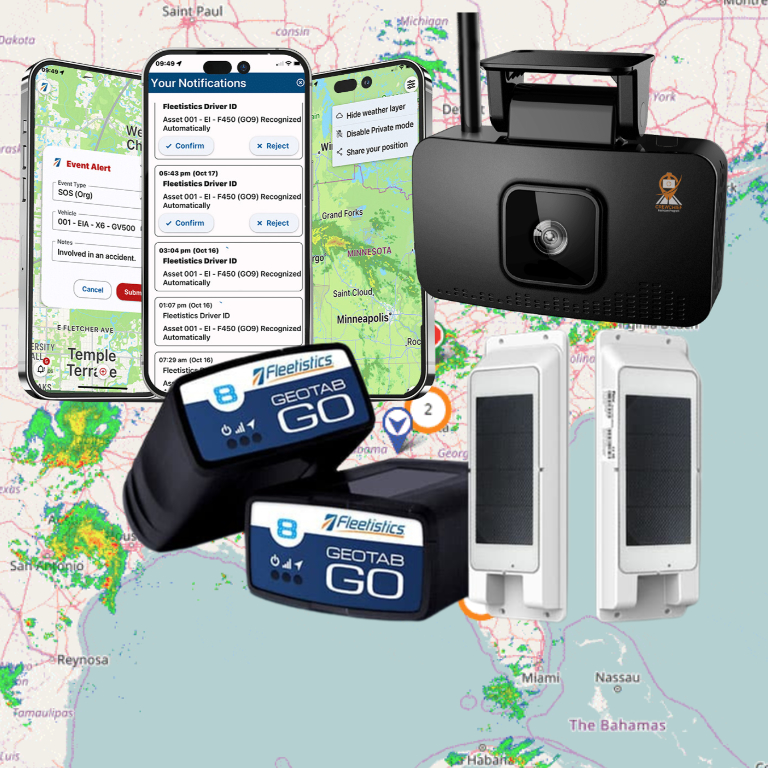
Fleetistics can bring fuel-card data into a connected fleet-management environment alongside GPS tracking, driver behavior, maintenance activity, and operational reporting. That gives managers a practical way to move from scattered card statements to an accountable fuel-management process.
Build an Exception Process That Gets Used
Alerts are only useful when someone owns the response. Sending every unusual transaction to one manager can create alert fatigue, especially in a larger fleet. Prioritize exceptions by risk and build a simple workflow around them.
A purchase that is slightly above average may need a weekly review. A fuel grade mismatch, a transaction outside the vehicle’s location, or multiple purchases within a short period deserves same-day attention. Define who reviews each category, what evidence they check, and how the outcome is documented.
Avoid treating every exception as misconduct. Drivers encounter detours, station outages, equipment failures, and customer demands that do not fit a standard schedule. Start with a factual question: what happened, and does the policy need an approved exception? A fair process protects drivers as well as the business. It also makes repeated misuse easier to identify because legitimate exceptions have been documented.
Measure More Than Total Fuel Spend
A lower fuel bill is a meaningful result, but total spend alone does not show whether controls are working. Track fuel cost per mile, gallons per engine hour for equipment, fuel economy by vehicle class, idle time, exception rates, and the number of declined transactions. Review trends by location, team, vehicle type, and driver assignment.
A rise in declined transactions may indicate attempted misuse, but it can also mean the limits are poorly configured. Frequent after-hours denials for an on-call team are a policy design problem. High fuel cost per mile may point to route inefficiency, a maintenance issue, or a vehicle that is no longer matched to its workload. The numbers need operational context.
Regular reporting also helps managers prove ROI. When a fleet can show fewer unauthorized product purchases, reduced idle time, improved miles per gallon, and less administrative effort spent reconciling receipts, fuel controls become a business improvement program rather than another software setting.
Avoid the Common Control Mistakes
The first mistake is using one policy for every vehicle. Sedans, cargo vans, bucket trucks, tractors, and off-road equipment have different fuel needs. Segmenting controls takes more setup, but it prevents both overrestriction and unnecessary exposure.
The second is relying on manual receipt reviews as the primary control. Receipts are useful for documentation, yet they are slow to review and rarely provide enough context to catch a problem before it repeats. Automated restrictions and alerts should handle routine enforcement, while managers focus on meaningful exceptions.
The third is failing to maintain the program. Cards must be reassigned or deactivated when drivers change roles, vehicles are replaced, or employees leave. Vehicle profiles need updates when a unit is transferred, modified, or taken out of service. A control program loses value quickly when its underlying data is outdated.
Finally, do not judge success only by how many transactions are blocked. A well-managed program allows legitimate work to continue while reducing unauthorized purchases, policy violations, and waste. The right target is controlled access, not maximum denial.
Turn Fuel Data Into Daily Control
Fuel is one of the few fleet expenses that occurs constantly, across locations and shifts, often without a manager present. That makes it a powerful place to improve accountability. Begin with the controls that address your highest-risk transactions, connect them to vehicle and driver data, and review the exceptions that matter most. Small policy improvements at the pump can create measurable cost control across the entire fleet.