
SMB’s Reduce fleet costs and boost efficiency
Fleet management tools use GPS tracking to reduce fleet costs by revealing hidden costs like fuel and maintenance, helping businesses to boost efficiency through data-driven insights.
Courtesy of the Geotab Team

Key Insights
- Visibility into Hidden Costs: Small and medium-sized businesses often face spiraling expenses—like fuel, maintenance, and insurance—that are difficult to track without specialized tools.
- Data-Driven Efficiency: Modern GPS tracking systems provide “complete visibility,” allowing managers to uncover operational inefficiencies and make informed decisions that save time and money.
- Optimized Performance: These smart solutions help improve fleet efficiency by monitoring driver behavior and identifying exactly where money is being spent.
Reducing fleet costs and boosting efficiency are two of the major goals for any fleet manager. Fuel can be one of the highest operational costs for any small or medium-sized business. Between fuel, maintenance, insurance, and compliance, costs can quickly spiral, often without clear visibility into where the money is going.
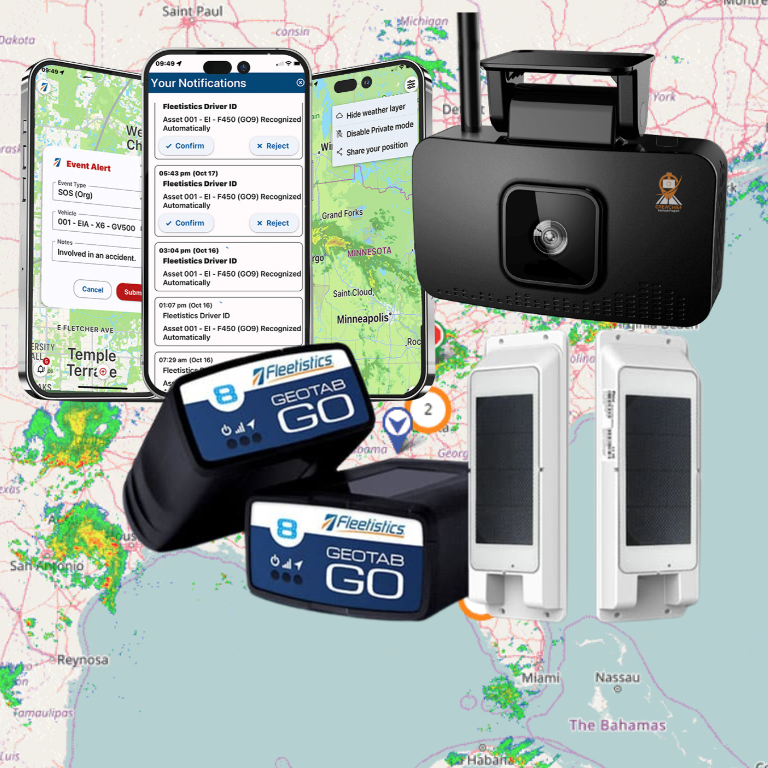
The good news? Many of these hidden expenses can be identified and reduced using smart fleet management solutions. Modern GPS tracking systems give businesses complete visibility over their vehicles, helping uncover inefficiencies, improve driver behavior, and make data-driven decisions that save both time and money.
Here are six proven ways to reduce fleet costs and improve your bottom line.
1. Reduce fuel costs through smarter fleet management
Fuel is one of the largest ongoing expenses for any fleet, and small inefficiencies add up quickly. Excessive idling, harsh acceleration, and inefficient routes all contribute to higher fuel bills.
A fleet management solution helps eliminate guesswork by tracking how fuel is being used across your vehicles. With detailed reports and live data, you can easily identify trends like excessive idling or speeding and address them through driver coaching or policy adjustments.
Businesses that use GPS fleet tracking to reduce fleet costs often report fuel savings up to 15%, simply by improving driving habits and route efficiency (1). It’s a practical, data-driven way to reduce costs while building a more sustainable fleet.
2. Coach drivers for safer, more efficient performance
Driver behavior directly affects both fuel costs and safety. Harsh braking, rapid acceleration, and speeding not only waste fuel but also increase the risk of accidents and vehicle wear.
Also, research shows that “aggressive driving is observed to create a 23% increase in fuel consumption” (2). This is a huge percentage that can negatively impact your operational costs, bottom line, and profitability.
With GPS tracking, fleet managers can identify risky driving patterns and turn real-world data into meaningful coaching sessions. Some systems even provide real-time feedback, alerting drivers when unsafe behaviours occur.
By promoting smoother, safer driving, you reduce accident risk, improve fuel economy, and extend vehicle lifespan, all while creating a safer work culture for your drivers.
3. Adopt a proactive maintenance program
Unexpected breakdowns don’t just cost money – they disrupt your operations and affect customer satisfaction. Many of these issues stem from missed service intervals or unnoticed mechanical wear.
A fleet management system helps automate maintenance tracking. It monitors engine health, mileage, and diagnostic alerts, notifying you when vehicles need servicing. This proactive approach prevents costly breakdowns, reduces downtime, and helps you plan maintenance around your business schedule.
Preventive maintenance also improves fuel efficiency. Worn tires, dirty filters, or low fluids can make engines work harder, using more fuel. By keeping your fleet in top condition, you’ll spend less on repairs and fuel, while extending the life of your vehicles.
4. Reduce fleet costs with optimized routes for better efficiency
Every unnecessary mile driven adds to your costs – in fuel, maintenance, and driver hours. Poor route planning or traffic delays can easily drain your budget and reduce productivity.
GPS fleet tracking helps you plan and optimize routes in near real-time. The system analyses live traffic conditions, driver locations, and job priorities to suggest the most efficient paths. That means less time idling in traffic, fewer detours, and faster job completion times.
Optimized routing also reduces stress for drivers and enhances customer service by improving delivery accuracy and reliability. For small and medium businesses, even small improvements in route efficiency can lead to significant long-term savings.
5. Use smart insights to drive smarter decisions that reduce fleet costs
Managing a fleet involves juggling multiple moving parts, drivers, vehicles, schedules, compliance, and budgets. Without accurate data, inefficiencies go unnoticed, and costs creep upward.
Fleet management software gives you the insights needed to stay in control. Real-time dashboards and reports show you exactly where your vehicles are, how they’re being used, and where money is being spent.
With this data, you can make confident, informed decisions – from adjusting routes and driver schedules to identifying high-cost trends before they become serious problems. Over time, these insights translate into measurable cost reductions and better operational performance.
6. Prevent unauthorized vehicle use
When company vehicles leave your premises, a great deal of trust is placed in your drivers. While most use them responsibly, unauthorized vehicle use such as personal errands or after-hours trips can quietly inflate your operational costs.
Every extra mile means unnecessary fuel consumption, accelerated wear and tear, and a higher risk of liability in case of an accident.
GPS fleet tracking gives you the visibility to monitor vehicle activity in real time. You can set alerts for out-of-hours use or off-route driving, helping ensure vehicles are used strictly for business purposes. With better oversight, you can reduce unnecessary mileage, lower maintenance costs, and protect your assets from misuse.
The road to savings starts with visibility
Fleet costs can feel unavoidable, but with the right tools, they’re entirely manageable. By combining real-time visibility, automated insights, and smart reporting, GPS fleet tracking empowers businesses to cut waste, improve safety, and boost productivity.
From preventing unauthorized use to promoting safer driving and optimizing maintenance, the return on investment is clear. Small changes powered by the right technology can lead to big savings and long-term growth.
Take the first step toward a more efficient, cost-effective fleet. Discover how a fleet management solution can help your business save money, reduce emissions, and stay ahead of the competition.
Sources:
(2)https://www.sciencedirect.com/science/article/pii/S136192092300422