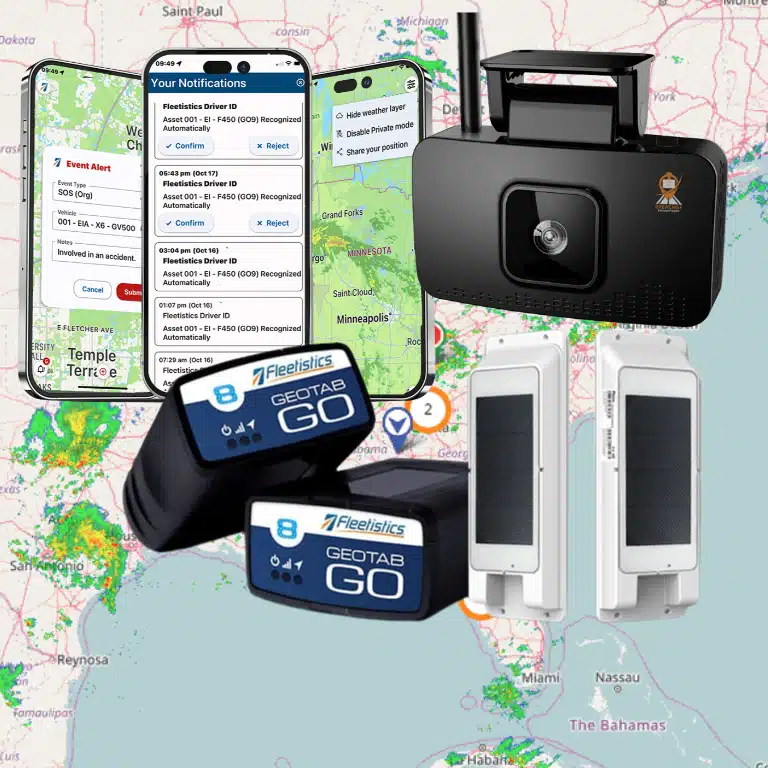

Fuel, maintenance, and insurance are three of the biggest line items in any fleet’s budget. These costs can feel uncontrollable, but you have more power to influence them than you might think. GPS tracking is a direct investment in reducing these expenses across the board. By optimizing routes, you cut down on fuel waste. By monitoring driving habits like speeding and harsh braking, you reduce wear and tear and can even lower your insurance premiums. For companies that rely on GPS tracking in Tampa, the system isn’t an expense; it’s a tool that delivers a clear return on investment. This article will break down exactly how these savings work and show you how to turn your fleet into a more profitable part of your business.
Since 2001 · Trusted Fleet Management
Stop Guessing.
Start Managing Your Fleet Smarter.
GPS tracking, dashcams & compliance tools
that cut costs and keep your drivers safe.
✔ No commitment required · ✔ US-based support · ✔ Free platform comparison
Key Takeaways
- Use GPS Data for More Than Location: A modern GPS system offers a wealth of information on driver behavior, route efficiency, and vehicle health. Use these insights to coach your team, reduce fuel costs, and make smarter operational decisions that directly impact your bottom line.
- Prioritize Transparency and Legal Compliance: In Florida, tracking a vehicle requires the owner’s consent. Protect your business by creating a clear, written GPS policy, communicating it openly with your team, and getting their signed acknowledgment before installing any devices.
- Match the Technology to Your Business Goals: The right GPS solution is one that fits your specific needs, not a one-size-fits-all product. Before buying, evaluate systems on their scalability, key features like dashcams, and how well they integrate with the other software you use.
What Is GPS Tracking and How Does It Work?
At its core, GPS tracking is simpler than you might think. It uses the Global Positioning System, a network of satellites orbiting the Earth, to pinpoint a location. A small GPS receiver installed in a vehicle or attached to an asset picks up signals from these satellites to calculate its precise coordinates. That location data, along with other information like speed and direction, is then transmitted over a cellular network to a central server. From there, you can access everything through a web-based platform or a mobile app on your phone, giving you a clear, real-time view.
But GPS tracking is much more than just a dot on a map. It’s a powerful tool that provides a constant stream of data, giving you a clear view of your operations. For businesses, this information is invaluable for improving efficiency, ensuring driver safety, and protecting expensive assets. For personal use, it offers security and peace of mind. The technology is flexible, with different types of devices and software platforms designed for specific purposes. Understanding how it applies to your unique situation is the first step toward using it effectively. Let’s look at the most common applications.
Tracking for Fleets
For businesses, GPS tracking is the foundation of modern fleet management. It provides the real-time location of every vehicle, which helps you optimize routes, provide customers with accurate ETAs, and respond instantly to emergencies or delays. But its true value comes from the data it collects. By monitoring driver behaviors like speeding, harsh braking, and excessive idling, you can coach safer driving habits, reduce fuel consumption, and lower maintenance costs. These insights allow you to make smarter decisions that directly impact your bottom line. A comprehensive fleet management solution turns this raw data into actionable reports on productivity, safety, and overall efficiency.
Tracking for Personal Vehicles
On a personal level, GPS tracking is all about security and peace of mind. The most common use is for vehicle recovery. If your car is ever stolen, a tracker can provide its exact location to law enforcement, dramatically increasing the chances of getting it back. It’s also a popular tool for parents of teen drivers. You can receive alerts for speeding, see where they are, and even set up geofences to get notified when they arrive at or leave specific places like school or home. Unlike complex fleet systems, personal trackers are typically simple, affordable, and focused on providing real-time location updates so you always know your vehicle and loved ones are safe.
Tracking for Assets and Equipment
GPS tracking isn’t just for things with engines. Many businesses rely on it to monitor valuable assets that don’t have their own power source, like trailers, containers, and heavy construction equipment. These specialized asset trackers are often built to be rugged and weatherproof, with long-lasting batteries that can operate for months or even years without needing a recharge. By attaching a small device, you can keep tabs on your equipment’s location, prevent theft from job sites, and ensure you have the right assets in the right place at the right time. This visibility is key to protecting your investments and maintaining an efficient workflow across multiple locations.
Essential Features of a GPS Tracking System
When you start looking at GPS tracking systems, you’ll quickly realize they aren’t all the same. The right system for your Tampa-based business is one that has the specific features you need to solve your unique challenges, whether that’s improving driver safety, cutting fuel costs, or just getting a better handle on your daily operations. Think of it like building a toolkit; you need the right tools for the job.
A basic system might just show you where your vehicles are on a map. But a truly effective fleet management solution goes much further. It provides detailed data and actionable insights that can fundamentally change how you manage your fleet. From real-time alerts that help you react instantly to in-depth reports that guide your long-term strategy, the features you choose will determine the value you get. Let’s walk through the essential features to look for so you can find a system that works as hard as you do.
Real-Time Tracking and Geofencing
At its core, a GPS tracking system should tell you where your vehicles are right now. Real-time tracking gives you a live view of your fleet on a map, often updating every minute a vehicle is moving. This immediate visibility is crucial for dispatching the nearest driver to a job or giving a customer an accurate ETA.
Beyond just tracking, look for a system with geofencing. This feature lets you draw virtual boundaries around specific locations, like a job site, your office, or a restricted area. You can then set up automatic alerts to notify you whenever a vehicle enters or leaves one of these zones. It’s a simple but powerful tool for confirming that drivers are on schedule, preventing unauthorized vehicle use, and improving overall security.
Driver Behavior Monitoring
Great fleet management is about more than just knowing where your vehicles are; it’s about knowing how they’re being driven. Driver behavior monitoring tracks actions like speeding, harsh braking, and rapid acceleration. This isn’t about micromanaging your team. It’s about creating a culture of safety and efficiency.
By identifying risky habits, you can provide targeted coaching to help your drivers stay safe on Tampa’s busy roads. This proactive approach not only reduces the risk of accidents but also helps you save money. Smoother driving uses less fuel and causes less wear and tear on your vehicles, leading to significant cost reductions over time. It’s a win-win for safety and your bottom line.
Dashcam and AI-Powered Accident Recording
Dashcams are one of the most valuable tools you can add to your fleet. Modern AI-powered dashcams do more than just record the road; they act as an unbiased witness in case of an accident. The video footage can help you quickly determine fault, protect your drivers from false claims, and potentially lower your insurance costs.
Advanced systems use artificial intelligence to detect risky behaviors like distracted driving or tailgating and can even provide real-time audio alerts to the driver. In the event of a collision, the system automatically saves the video clip, giving you a clear record of what happened. This technology provides peace of mind and a powerful layer of protection for your drivers and your business.
Trip History and Reporting Tools
Your GPS system will collect a ton of data, but that data is only useful if you can easily understand it. That’s where trip history and reporting tools come in. These features allow you to look back at past activity and analyze performance. You can review detailed trip histories for any vehicle, complete with animated route replays that show every stop, the duration of the stop, and any unsafe driving events that occurred along the way.
These reports help you verify work hours, analyze route efficiency, and identify opportunities for improvement. With clear, organized data, you can make smarter decisions about everything from fuel management to driver scheduling.
Mobile App Access and System Integration
As a business owner or fleet manager, you’re not always sitting at your desk. A robust mobile app is essential for managing your fleet from anywhere. Whether you’re on a job site or at home, you should be able to use your phone to check vehicle locations, review trip histories, and receive important alerts. This flexibility allows you to stay connected and in control of your operations, no matter where you are.
Equally important is how the GPS system integrates with the other software you use. Look for a provider that offers a flexible API, which allows you to share data between your GPS platform and other business systems, like payroll or accounting software.
Scalability and API Flexibility
Your business isn’t static, and your GPS tracking system shouldn’t be either. Whether you’re starting with five vehicles or managing a fleet of 500, you need a solution that can grow with you. A scalable platform can handle an increasing number of vehicles and data points without slowing down or becoming difficult to use.
As your needs evolve, you may want to integrate your tracking data with other software to streamline operations. This is where API flexibility becomes critical. A system with a strong, open API allows you to build custom connections to other tools, creating a unified ecosystem for managing your entire business. When you compare fleet management platforms, be sure to choose one that offers the scalability and flexibility to support your long-term growth.
Finding a GPS Tracking Partner in Tampa
When you start looking for a GPS tracking partner in Tampa, you’ll find plenty of options. The key is to find a provider that aligns with your specific goals, whether you’re managing a commercial fleet or looking for a personal solution. Your business needs are different from anyone else’s, so it’s important to find a partner who understands that.
For businesses focused on improving safety, productivity, and efficiency, a specialized provider is your best bet. At Fleetistics, we offer personalized consultations to discuss your fleet’s unique challenges and find the right mix of GPS tracking and dashcam services. Other local providers, like EventTone Wireless, offer the LinxUp GPS system, which is designed for simple, fast installation. Think about what you need most: a comprehensive, tailored solution or a straightforward, affordable system.
It’s also wise to understand the privacy and legal sides of GPS tracking. If you have concerns about unauthorized tracking, firms like K&R Investigative Group offer services to detect covert GPS devices and can help give you peace of mind. This brings up a critical point for anyone using a tracker: you must follow the law. In Florida, placing a GPS tracker on a vehicle without the owner’s consent is illegal and carries serious consequences. Always ensure your use of GPS technology is fully compliant with state regulations, especially when tracking employees.
How Much Does GPS Tracking Cost in Tampa?
Figuring out the cost of GPS tracking in Tampa can feel a bit like asking, “How much does a car cost?” The answer really depends on what you need it to do. Are you looking for a basic location tracker for one vehicle, or do you need a comprehensive system with AI dashcams and performance analytics for a fleet of 50 trucks? The price will naturally vary.
Think of it as an investment. The initial cost for hardware and the monthly subscription fee are balanced by the money you save through improved efficiency, lower fuel consumption, and better driver safety. Most providers use a per-vehicle, per-month subscription model, which makes it easy to scale up or down as your business changes. The key is to find a solution that provides real value and a clear return on your investment, whether you’re managing a large commercial fleet or just want to keep an eye on a personal vehicle.
Costs for Fleets and Businesses
For businesses in Tampa, GPS tracking is a tool to sharpen operations. Pricing is typically structured on a per-vehicle basis, with monthly fees that depend on the features you select. A basic plan might just include real-time location, while more advanced fleet management solutions add driver behavior monitoring, AI-powered dashcams, and detailed analytics. Companies work with Tampa businesses of all sizes, from small local services to large commercial fleets, to provide systems that improve safety and productivity. The goal is to find a plan that matches your operational needs without paying for features you won’t use.
Costs for Personal Vehicles
If you’re looking to track a personal car or a valuable asset like a boat, you’ll find that the options are generally simpler and more affordable than commercial-grade systems. Companies often offer straightforward, all-in-one devices designed for easy installation and use. These systems are perfect for keeping tabs on a teen driver, locating a stolen vehicle, or monitoring a classic car you have in storage. While they may not have the deep analytics of a fleet system, they provide the core function of real-time tracking and peace of mind at a budget-friendly price point.
Factors That Influence Price
Several key factors will influence the final price of your GPS tracking system. The first is the hardware itself; a simple plug-in tracker will cost less than an AI-powered dashcam. The second is the software subscription, where the price is tied to the features you need. Do you require customizable alerts for speeding or excessive idling? Do you need detailed reports for IFTA compliance? The more sophisticated the features, the higher the monthly fee. Finally, consider scalability. A good system should let you compare platforms and choose a plan that can grow with your business, ensuring you only pay for what you need today while having options for tomorrow.
How GPS Tracking Benefits Tampa Businesses
For any Tampa-based business with vehicles on the road, GPS tracking is about much more than just seeing dots on a map. It’s a powerful tool that delivers real-time intelligence, helping you make smarter decisions that affect your entire operation. From dealing with rush hour on the Howard Frankland Bridge to ensuring your team provides prompt service in a competitive market, GPS data gives you the visibility you need. It transforms your fleet from a major expense into a streamlined, efficient, and safer part of your business. Let’s look at the concrete ways GPS tracking can give your company a competitive edge.
Improve Driver Safety
Keeping your drivers safe is about protecting your people and your business. GPS tracking systems give you the data to build a strong safety culture. By monitoring behaviors like speeding, harsh braking, and rapid acceleration, you get a clear picture of what’s happening on the road. This isn’t about playing “gotcha”; it’s about having objective information to coach drivers, recognize safe habits, and address risky ones before they lead to an accident. When you pair this data with AI-powered dashcams, you get the full context behind any incident. This proactive approach can lead to fewer accidents, lower insurance premiums, and a reputation for safety that everyone can be proud of.
Optimize Routes and Improve Efficiency
Wasted time is wasted money, especially when your team is stuck in traffic. GPS tracking provides the real-time location data you need to plan better routes and respond instantly to delays. Imagine being able to see a slowdown on I-275 and rerouting your driver to a clearer path, ensuring they still arrive on time. This level of agility helps you fit more service calls into a day, provide more accurate ETAs to customers, and cut down on fuel spent idling. Efficient routing can save you up to 10% on fuel and operational costs, directly impacting your bottom line while also improving the customer experience.
Protect and Manage Your Assets
Your vehicles, trailers, and heavy equipment are some of the most valuable assets your business owns. GPS tracking is one of the most effective ways to protect them from theft. You can see where every asset is, 24/7. With features like geofencing, you can set up virtual boundaries around job sites or your company yard and receive an instant alert if a vehicle or piece of equipment moves outside that area after hours. This gives you a critical head start in notifying the authorities and recovering your property. For any Tampa business with high-value mobile assets, this provides essential security and peace of mind.
Reduce Fuel and Maintenance Costs
Fuel and maintenance are two of the biggest expenses for any fleet. GPS tracking helps you get these costs under control. By optimizing routes and curbing inefficient driving habits like speeding and excessive idling, you can significantly reduce fuel consumption. Furthermore, tracking helps you stay on top of preventative maintenance. Instead of guessing, you can set up alerts based on actual mileage or engine hours to schedule oil changes, tire rotations, and other essential services. This proactive approach prevents minor issues from becoming major, expensive breakdowns, keeping your vehicles on the road and out of the repair shop.
Simplify Compliance
For many commercial fleets, staying compliant with regulations from the Federal Motor Carrier Safety Administration (FMCSA) is a major challenge. GPS telematics systems make this process much simpler. They can automate Hours of Service (HOS) logging with an Electronic Logging Device (ELD), eliminating the need for unreliable paper logs and reducing the risk of violations. These systems also digitize Daily Vehicle Inspection Reports (DVIR), creating a clear and accessible record of vehicle safety checks. By automating data collection and reporting, you can face audits with confidence and avoid the steep fines that come with non-compliance, all while freeing up your team from tedious paperwork.
Is GPS Tracking Worth It for Personal Use in Tampa?
While many people think of GPS tracking as a tool for large companies, the technology offers powerful benefits for individuals and families, too. Think of it as an affordable insurance policy for your most valuable assets and, more importantly, your loved ones. For a relatively small investment, you can gain significant peace of mind, knowing you have a direct line to your vehicle’s location and a way to encourage safer driving habits. In a bustling area like Tampa, having this extra layer of security can make all the difference. From protecting your car in a crowded parking garage to keeping an eye on a new driver, a personal GPS tracker is a practical tool for modern life.
Recover a Stolen Vehicle
Vehicle theft is a stressful and costly experience. The moments after you realize your car is gone are filled with uncertainty, but a GPS tracker can completely change the narrative. Instead of waiting and hoping, you can provide authorities with the exact real-time location of your vehicle, dramatically increasing the chances of a quick recovery. This immediate information allows law enforcement to act swiftly, often recovering the car before it can be damaged, stripped for parts, or used in another crime. For a fraction of your car’s value, a tracker provides a powerful defense against theft, turning a potential total loss into a recoverable situation.
Monitor Teen Drivers
Handing the keys to a new teen driver is a major milestone, but it can also be a source of anxiety. A GPS tracker can be an incredible coaching tool that helps you build a safe, responsible driver. These systems allow you to monitor things like speeding and harsh braking, giving you concrete data to start important conversations about safety. You can set up alerts for when the car enters or leaves specific areas, like school or a friend’s house, providing reassurance without constant check-in texts. It’s not about a lack of trust; it’s about having a tool to guide them through their first years on the road, protecting them and everyone else.
Gain Peace of Mind
Ultimately, the greatest benefit of personal GPS tracking is the peace of mind it provides. Whether you’re concerned about an elderly parent who still drives, a spouse with a long commute, or simply the security of your family car parked on the street overnight, a tracker can quiet those worries. Knowing you can check your vehicle’s location at any time offers a profound sense of security. A simple and cost-effective GPS tracking solution acts as a silent guardian for your family and property. It’s a small, practical step you can take to feel more connected and secure in your daily life.
Common Misconceptions About GPS Tracking
GPS tracking technology has been around for a while, but there are still quite a few misunderstandings about what it is and how it works. These myths can prevent business owners from exploring a tool that could seriously improve their operations. Let’s clear up some of the most common misconceptions so you can make an informed decision for your business.
Myth: It’s Only for Large Fleets
It’s easy to picture GPS tracking as a tool for huge corporations with hundreds of trucks, but that’s a very outdated image. The truth is, businesses of all sizes can see major benefits from this technology. Whether you have two vans or two hundred, the core goals are the same: improving efficiency, ensuring driver safety, and protecting your assets. Modern GPS solutions are scalable and affordable, making them accessible for small and local businesses. In fact, many Tampa-based companies with smaller fleets use GPS tracking to gain a competitive edge, reduce fuel costs, and provide better service to their customers. It’s an investment in your business’s health and growth, not just an expense for the big players.
Myth: GPS Tracking is Always Invasive
This is a big one, and it’s completely understandable. No one wants to feel like they’re being spied on. However, when implemented correctly, GPS tracking is a professional management tool, not a personal surveillance device. The key is transparency. It’s about creating a clear policy and communicating with your team about why you’re using tracking, focusing on benefits like improved safety, route assistance, and protection from false accusations in an accident. It’s also important to understand the law regarding consent. Tracking company vehicles during work hours is standard practice, but using it without permission or for non-work purposes crosses a line. A good GPS policy builds trust and reinforces that the system is there to protect both the employee and the company.
Myth: All GPS Systems Are the Same
Thinking all GPS trackers are identical is like saying all cars are the same. While they might all get you from point A to point B, the features, reliability, and overall experience can be worlds apart. Some systems offer basic location pings, while others provide a comprehensive suite of tools, including real-time traffic updates, driver behavior alerts, engine diagnostics, and AI-powered dashcam footage. The right system for a long-haul trucking company will be very different from what a local plumbing business needs. Before you start shopping, it’s important to think about your specific goals. Do you need to monitor temperature for sensitive cargo? Are you focused on reducing idle time? Finding the right fleet management platform means matching the features to your unique business challenges.
Know the Law: GPS Tracking in Florida
Using GPS tracking for your Tampa-based fleet is one of the smartest moves you can make for efficiency and safety, but it comes with some important legal guidelines. Florida has specific laws designed to protect individual privacy, and as a business owner or fleet manager, it’s your responsibility to know and follow them. Getting this right from the start protects your business, builds trust with your employees, and ensures you’re using this powerful technology ethically and effectively.
Think of it this way: a clear legal framework isn’t a barrier. It’s a roadmap for successful implementation. By understanding the rules around consent, employee communication, and data security, you can confidently build a tracking program that benefits everyone. Let’s walk through what you need to know to stay compliant while managing your fleet in the Sunshine State.
Understanding Consent Requirements
The most critical rule for GPS tracking in Florida is centered on permission. You cannot legally install a tracking device on any vehicle without the owner’s clear knowledge and consent. For your business, this means you must inform your employees that company vehicles are equipped with GPS trackers. Hiding a device on a company car, even if the company owns it, can land you in serious legal trouble if the driver is unaware.
The best practice is to be completely transparent. Create a formal, written policy that details your company’s use of GPS tracking and have every employee read and sign it. This document should be part of your new-hire onboarding process and reviewed regularly. This simple step ensures you have documented proof of consent, which is your first and most important line of defense.
Risks of Unauthorized Tracking
Failing to get proper consent isn’t a minor oversight; it’s a serious crime in Florida. Illegally placing a GPS tracker on a vehicle is considered a third-degree felony. The consequences are severe and can have a devastating impact on your business and your personal life.
If you are convicted, the penalties can include up to five years in prison, five years of probation, and a fine of up to $5,000. These aren’t just abstract risks; they are real-world consequences that underscore the importance of a transparent and lawful tracking policy. The potential legal costs and damage to your company’s reputation are simply not worth cutting corners. Following the rules on unauthorized tracking is essential for any responsible business.
Staying Compliant with Employee Tracking
Compliance is about more than just getting a signature on a form. It’s about creating a culture of transparency with your team. Your employees should understand why you’re using GPS tracking. Explain that the goal is to improve safety, optimize routes for better customer service, and protect company assets from theft, not to micromanage their every move.
To ensure you are fully compliant, your GPS tracking policy should clearly outline what is being tracked, the business purpose for tracking, and how the data will be used. For example, you might specify that tracking is only active during work hours. Using a comprehensive fleet management platform can help you implement these policies consistently and manage your operations within legal boundaries, giving both you and your drivers peace of mind.
Your Data Security Responsibilities
Once you start collecting GPS data, you also take on the responsibility of protecting it. This location information is sensitive, and Florida’s laws are designed to protect people from having their privacy violated. Your duty as a business owner extends to ensuring the data you collect is stored securely and used only for legitimate business purposes.
Start by choosing a GPS provider that prioritizes data security with features like encrypted transmissions and secure cloud storage. You should also establish clear internal controls that define who within your company can access the tracking data and under what circumstances. By carefully managing this information, you not only comply with the law but also reinforce the trust you’ve built with your employees. Reviewing different platform ecosystems can help you find a solution with the security features you need.
Overcoming Common GPS Implementation Challenges
Adopting a GPS tracking system is a big step, and like any new technology, it can come with a few challenges. The good news is that these hurdles are completely manageable with a bit of planning. By thinking through potential issues like employee privacy, system integration, and how you’ll use the data, you can ensure a smooth rollout. Let’s walk through how to handle these common implementation questions so you can get the most out of your new system from day one.
Addressing Employee Privacy Concerns
It’s completely understandable that your drivers might have questions about privacy when you introduce GPS tracking. The best way to address this is with open communication and a clear, written policy. Explain why you’re implementing the system, focusing on benefits like improved safety, route efficiency, and vehicle security, not on watching their every move. This transparency builds trust and helps your team see the system as a tool for everyone’s benefit.
Remember that consent is not just good practice; it’s often a legal requirement. In Florida, for instance, it is against the law to put a GPS tracker on a vehicle without the owner’s knowledge and permission. By creating a formal policy and getting your team’s acknowledgment, you ensure you are compliant and foster a more positive and cooperative environment from the start.
Integrating with Your Current Systems
Your new GPS system shouldn’t operate in a vacuum, creating another data silo you have to manage separately. A modern tracking solution should fit seamlessly into your existing operations. Before choosing a provider, ask how their technology will connect with the tools you already rely on, whether it’s your dispatch software, maintenance logs, or payroll system. The goal is to create a single, unified workflow that makes everyone’s job easier.
Look for a partner that offers flexible platforms and free APIs, which allow different software programs to talk to each other. This integration automates data sharing, reduces manual entry, and ensures that the valuable information from your GPS system is available right where you need it. This turns your tracking solution into a central hub for your entire fleet operation.
Turning Data into Action
Collecting data is just the first step; the real value comes from using it to make smarter decisions. A flood of raw data without context is overwhelming and not very useful. The right GPS system will translate location, engine, and driver behavior data into clear, actionable insights. For example, instead of just seeing that a trip took longer than expected, you can identify the exact cause, like an inefficient route or excessive idling.
When you pair location data with video from AI-powered dashcams, you get the full story behind every event on the road. This combination provides undeniable context for everything from harsh braking incidents to accidents, allowing you to coach drivers effectively and protect your company from false claims. The ultimate goal is to use these insights to improve safety, streamline routes, and reduce operational costs.
How to Choose the Right GPS Solution in Tampa
Finding the right GPS tracking solution for your Tampa-based fleet is about more than just picking the one with the most features. It’s about finding a partner and a platform that align with your specific business goals. The best system for your company will solve your unique challenges, from improving driver safety on I-275 to managing assets at a job site. To make the best choice, you need to ask the right questions and understand the value of local expertise.
Questions to Ask Before You Buy
Before you sign a contract, take the time to vet potential providers. Start by asking if the system can grow with your business; you don’t want to be forced to switch platforms just because your fleet expands. Next, ask for a demo to see the user interface. A system with simple dashboards and intuitive features will be easier for your team to adopt and use effectively. You should also confirm that you can set up specific alerts for your needs, like notifications for speeding or unauthorized vehicle use. Finally, check how well the system works with other tools. Seamless integration with dashcams and other fleet software creates a single, powerful management hub.
The Importance of Local Support
While many GPS providers operate nationally, there’s a distinct advantage to working with a company that understands the Tampa market. A provider with local expertise can offer more tailored solutions that account for regional challenges, like hurricane season preparedness or navigating dense urban traffic. They can provide more responsive, hands-on assistance for installation and troubleshooting. When a provider has a vested interest in the local business community, you often receive a higher level of personalized service. Choosing a partner that offers a range of platforms means you can find an ecosystem that truly fits your operational needs, whether you’re a small business or a large enterprise.
Since 2001 · Trusted Fleet Management
Stop Guessing.
Start Managing Your Fleet Smarter.
GPS tracking, dashcams & compliance tools
that cut costs and keep your drivers safe.
✔ No commitment required · ✔ US-based support · ✔ Free platform comparison
Frequently Asked Questions
I only have a few vehicles. Is GPS tracking still worth it for a small business? Absolutely. In fact, for a small business, the impact of one inefficient vehicle or one accident can be even greater. GPS tracking helps you get the most out of every asset you have. It can help you reduce fuel costs, fit more jobs into the day, and provide your customers with better service, all of which give you a competitive advantage. The systems are scalable, so you can start with just a few vehicles and add more as your business grows.
How do I introduce GPS tracking to my drivers without them feeling like I’m spying on them? This is a common concern, and the best approach is transparency. Sit down with your team and explain the reasons behind the decision. Frame it as a tool for safety, efficiency, and protection. Highlight how it can help with route assistance, prove their innocence in an accident, and protect them from false claims. When you create a clear, written policy and focus on the shared benefits, it shifts the conversation from surveillance to professional management.
What’s the real difference between a basic tracker and a full fleet management system? A basic tracker will tell you where your vehicle is, which is useful for theft recovery. A full fleet management system, however, gives you the data to run your business better. It provides insights into driver behavior like speeding and idling, automates maintenance schedules based on actual usage, and generates reports on productivity. It integrates with tools like dashcams and compliance software to create a complete operational picture, helping you make smarter decisions that save money and reduce risk.
How quickly can I expect to see a return on my investment? Many businesses see a return much faster than they expect. The savings start adding up right away. You’ll likely notice an immediate drop in fuel costs from reduced idling and more efficient routing. Over a few months, you can see further savings from improved driver safety, which can lead to fewer accidents and lower insurance costs, and proactive maintenance that prevents expensive breakdowns. The investment pays for itself through operational savings.
Can the system alert me if a driver unplugs the device? Yes, professional-grade GPS systems are designed with this in mind. Most hardwired tracking devices will send an immediate alert if they lose power or are disconnected from the vehicle. This feature ensures the system’s integrity and helps you maintain a complete and accurate record of your fleet’s activity. It’s a simple but critical function that provides another layer of security and accountability for your assets.