

A driver expense management app is not just a faster way to reimburse a parking receipt. For a fleet operation, it is a control point for spending that often slips through the cracks: fuel purchases outside the fuel-card network, tolls, lodging, permits, repairs, meals, and other road expenses. When drivers use personal cards, submit paper receipts late, or code costs inconsistently, finance teams lose visibility and operations leaders lose the ability to act before small exceptions become recurring waste.
The right system puts expense data beside vehicle, driver, route, fuel, and maintenance data. That connection turns reimbursement from an administrative task into a source of operational intelligence.
Why Fleet Expense Reporting Breaks Down
Traditional expense reporting was built for office travel, not vehicles operating across states, job sites, customer locations, and service territories. A driver may buy a toll transponder reload, pay for emergency parking, purchase washer fluid, or cover a roadside repair. By the time a supervisor sees the receipt, the vehicle has completed several more trips and the opportunity to validate the purchase has passed.
Paper processes make the problem worse. Receipts get lost, handwritten descriptions are unclear, and managers spend time chasing missing documentation. Even a spreadsheet-based process can create delays when expense categories, cost centers, and approval rules are applied differently by different people.
The result is not only slower reimbursement. It is inaccurate job costing, incomplete fuel reporting, duplicate claims, weak policy enforcement, and limited accountability. For regulated fleets, missing records can also create complications when expenses overlap with IFTA reporting, driver logs, or audit requirements.
What a Driver Expense Management App Should Control
A capable driver expense management app should capture expenses at the point of purchase and route them through rules that reflect how your fleet actually operates. Drivers need a simple mobile workflow. Managers need documented approvals, exception visibility, and reports they can use without rebuilding the data in another system.
Receipt capture is the starting point, not the finish line. A driver should be able to photograph a receipt, enter the expense type, associate it with a vehicle or trip, and submit it immediately. Optical character recognition can reduce manual entry, but fleets should still require drivers to confirm critical information such as merchant, amount, and business purpose.
Policy controls are where the operational value increases. Your program may allow parking at customer sites but require approval for lodging. It may permit roadside parts purchases up to a set dollar amount while sending larger repairs to maintenance management. It may also flag a fuel receipt submitted outside the assigned fuel-card program, helping managers identify card acceptance gaps, emergencies, or potential misuse.
Look for the ability to apply rules by driver group, vehicle class, department, region, or customer contract. A field-service fleet, for example, may need job-level expense coding. A long-haul fleet may need state, trip, and load references. Government fleets may require more detailed approval trails and budget coding.
Core capabilities to prioritize
When evaluating solutions, focus on capabilities that reduce both driver friction and back-office work:
- Mobile receipt capture with required fields, date and time stamps, and image retention.
- Custom expense categories, spending limits, approval workflows, and exception alerts.
- Vehicle, driver, trip, customer, department, and cost-center assignment.
- Integration with fuel cards, GPS tracking, accounting platforms, payroll, and maintenance systems.
- Searchable reporting that supports reimbursement, audits, job costing, and trend analysis.
Not every fleet needs every control on day one. A small local operation may begin with digital receipts and manager approval. Larger or more complex fleets should prioritize integrations, automated policy checks, and the ability to map expenses to operational events.
Connect Expenses to Telematics Data
Expense reporting is more useful when it can be validated against what the fleet knows happened in the field. GPS and telematics data can confirm that a vehicle was at or near the merchant location when a purchase occurred. Trip data can show whether a toll or parking charge aligns with an assigned route. Vehicle status can help explain an emergency repair expense.
This does not mean every transaction should become a disciplinary review. Drivers need reasonable flexibility to handle real-world conditions. The goal is to identify exceptions quickly and investigate only when the data points to a genuine concern.
For example, a parking expense may be perfectly legitimate for an urban service appointment. But if the same vehicle generates repeated parking charges at locations outside its service area, the fleet has a reason to ask better questions. Similarly, a repair purchase may be justified after a roadside event, but repeated out-of-network parts purchases could indicate preventive maintenance gaps or an ineffective vendor strategy.
Connected data also improves cost allocation. Instead of recording a $42 toll as a generic travel expense, the fleet can assign it to a route, customer, project, or load. That level of detail helps operations leaders see which contracts and service areas are truly profitable.
Fuel Cards and Expense Apps Solve Different Problems
Fuel-card controls are one of the strongest tools available for managing fuel spend. They can restrict product types, limit purchases, require driver identification, and provide transaction-level reporting. A driver expense management app should complement those controls, not replace them.
The two systems address different parts of the spend landscape. Fuel cards manage authorized card transactions at participating merchants. Expense management captures approved out-of-pocket costs and provides a process for exceptions. When integrated, the fleet can see card purchases and reimbursable fuel expenses in one reporting view, making it easier to identify duplicate submissions or purchases that fall outside policy.
This distinction matters during implementation. If a fleet has weak fuel-card adoption, adding an expense app alone will not solve unauthorized fuel spend. The fleet should first define when drivers may use personal payment methods, what documentation is required, and who can approve exceptions.
Build Policies Drivers Can Follow on the Road
A policy that looks clear in a handbook can fail in the field. Drivers and technicians are often making decisions under time pressure, after hours, or far from their normal service area. Expense rules must be specific enough to control spending and simple enough to follow from a phone.
Start by separating routine, preapproved expenses from expenses that require approval. Define receipt thresholds, prohibited purchases, required job or trip references, and the deadline for submission. Explain what to do when a fuel card is declined, a vehicle breaks down, or a customer requires paid parking. Those are the moments when unplanned spending occurs.
Managers should also have clear service-level expectations. If reimbursement approvals take weeks, drivers will hold expenses until the end of the month or stop submitting them promptly. Fast review protects driver trust and gives the fleet cleaner data while it is still actionable.
Training should be brief and practical. Show drivers how to capture a receipt, choose a category, and provide the information needed for approval. Then use exception reporting to coach recurring issues. Most adoption problems are not resistance to technology. They are unclear policy, overly complicated forms, or a workflow that asks for information nobody uses.
Measure the Return Beyond Reimbursement Speed
The value of expense management is measurable, but the right metrics depend on fleet size and operating model. Finance may focus on processing time, reimbursement accuracy, and missing receipt rates. Operations may focus on spend per route, job, vehicle, or driver. Maintenance may use parts and roadside expense data to identify repeat failures.
A useful baseline includes the number of expense reports processed each month, average days to submission and approval, percentage of reports with missing documentation, and the value of policy exceptions. After deployment, compare those figures against the time spent by drivers, supervisors, and accounting staff.
Also examine trends that can drive larger savings. Are certain routes generating avoidable tolls? Are technicians paying for supplies that should be stocked through inventory controls? Are drivers using out-of-network fuel locations because card settings, route plans, or vendor coverage need adjustment? These are operational questions, not just accounting questions.
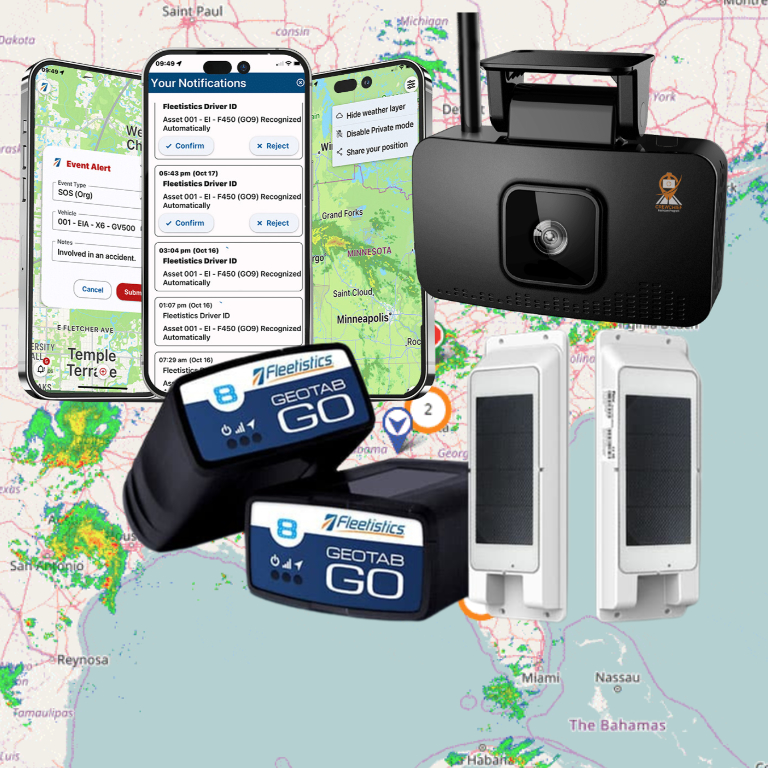
Fleetistics can help fleets connect mobile workforce workflows, telematics, fuel controls, maintenance data, and reporting in a platform built to scale from essential tracking to enterprise fleet operations. The best starting point is the one that fixes the most costly gap without forcing your team into a system they will not use.
A well-run expense program gives drivers a clear way to handle legitimate road costs and gives fleet leaders proof that every dollar is tied to the work being performed. That is real-time control with a direct path to cleaner books, stronger accountability, and better operating decisions.