
A roadside inspection is the worst possible time to learn that a driver’s log is incomplete, a vehicle assignment is wrong, or a transfer file cannot be produced. ELD compliance software for fleets should prevent those problems before the vehicle reaches the scale house. The right system gives drivers a practical way to manage hours-of-service records while giving operations and safety teams the visibility to correct exceptions early.
For fleet leaders, ELD selection is not just a compliance purchase. It affects dispatch, payroll, driver retention, maintenance planning, customer commitments, and the amount of manual work required to run the operation. A low-cost device that creates daily troubleshooting may cost more than a connected platform that helps the entire fleet work with better information.
What ELD Compliance Software Must Do
At its core, electronic logging device software records a driver’s duty status and driving time using synchronized vehicle data. For fleets subject to the FMCSA ELD mandate, the system must support the applicable technical requirements, including accurate records of duty status, edits with an audit trail, driver access to logs, and the ability to transfer required data during an inspection.
That baseline matters, but it is only the starting point. Fleet operators need software that makes compliance manageable in real operating conditions: changing routes, shared vehicles, personal conveyance requests, unassigned driving events, equipment failures, and drivers who may not be comfortable with technology.
A practical ELD program should help drivers see available hours before a violation occurs. It should alert managers to missing certifications, log edits awaiting approval, unassigned drive time, and recurring rule exceptions. It should also make it easy to locate the supporting data when an audit, customer question, or internal review requires answers.
The system needs to match the fleet’s operating model. A regional delivery operation, long-haul carrier, construction fleet, utility contractor, and government fleet may all use vehicles with different duty cycles and exemption considerations. Software configuration, rulesets, reporting, and training should reflect how the fleet actually works, not force operations into a generic template.
Choose ELD Compliance Software for Fleets by Workflow
The strongest buying question is not, “Does it have ELDs?” Nearly every option will claim that. Ask instead: “How will this system reduce the work and risk surrounding HOS compliance for our drivers, dispatchers, and managers?”
Start with the driver workflow. Drivers need a clear mobile or in-cab experience for changing duty status, reviewing logs, certifying records, and responding to inspection requests. Confusing screens and unreliable connectivity create resistance quickly. A driver who spends time calling dispatch to resolve basic log issues is losing productive time and increasing administrative workload.
Next, evaluate the manager workflow. Compliance personnel need exception reporting that identifies the highest-risk items first, rather than burying them in a large report. Dispatch needs visibility into available hours when assigning work. Safety leaders need the ability to identify patterns such as repeated HOS violations, frequent edits, or risky driving behavior that may be contributing to fatigue concerns.
Finally, consider how ELD data connects to the rest of fleet operations. Hours data becomes more useful when it sits alongside real-time vehicle location, route status, maintenance needs, dashcam events, and fuel activity. A disconnected ELD tool can meet a narrow requirement. A connected fleet platform can help operations make better decisions throughout the day.
Prioritize Reliable Vehicle and Driver Data
An ELD record is only as dependable as the data feeding it. The hardware, vehicle connection, driver assignment process, and cellular communication all need attention. A fleet with frequent vehicle swaps or team driving needs a simple process for correct driver and vehicle association. Otherwise, unassigned driving events become a recurring cleanup task.
Look for systems that help managers identify data quality issues early. That includes diagnostic alerts, malfunction reporting, missing driver records, and vehicles that stop transmitting. A compliance team should not have to discover a device issue weeks later during a records review.
Hardware deployment also deserves planning. Installation quality affects data reliability, device uptime, and driver confidence. For mixed fleets, confirm that the provider can support the vehicle types, power requirements, and installation approach required across the operation.
Make Inspections Less Disruptive
Drivers need to know what to do when an officer asks for records. Software should support a straightforward inspection mode and the required transfer process, while company training should cover how to respond professionally without guessing. The goal is not to turn every driver into a compliance specialist. The goal is to give each driver a repeatable process.
Build inspection readiness into onboarding and refresher training. Drivers should understand how to certify logs, annotate exceptions appropriately, report a malfunction, and access instructions if a device fails. Managers should have a documented escalation process for technical support and log corrections.
Features That Produce Operational Value
ELD capabilities deliver more value when they are part of a broader control system. The most useful features generally support a specific business outcome: fewer violations, less back-office labor, better asset utilization, lower fuel cost, or improved driver safety.
Real-time GPS tracking lets dispatch verify location and route progress without interrupting drivers. It can also help managers identify which vehicle is best positioned for an urgent assignment. When paired with HOS availability, dispatch can make assignments that are both operationally practical and compliant.
Electronic DVIR workflows reduce paper handling and provide a faster path from a reported defect to maintenance action. A driver-reported issue should not disappear into a clipboard or email inbox. The maintenance team needs visibility, accountability, and a record of corrective action before a small defect becomes downtime or a roadside problem.
IFTA reporting, fuel-card controls, maintenance scheduling, and route optimization can further reduce fragmented work. Not every fleet needs every module on day one. A smaller operation may begin with essential tracking, ELD, and DVIR capabilities, then add safety or maintenance tools as needs grow. Larger fleets may require enterprise reporting, custom workflows, or API connections to payroll, dispatch, ERP, and business intelligence systems.
This modular approach matters because fleets should not have to replace their technology every time operations become more complex. The platform should scale with the fleet while preserving data continuity and familiar workflows.
Build a Deployment Plan Before Devices Arrive
Technology does not fix an undefined process. Before rollout, assign ownership for driver enrollment, vehicle installation, policy setup, exception review, and support escalation. Define how often the team will review unassigned driving, log violations, malfunction notices, and DVIR defects. If no one owns the review process, the software becomes a recordkeeping tool instead of a risk-control tool.
A staged rollout is often the better choice for large or mixed fleets. Start with a representative group of vehicles, drivers, and dispatch users. Test cellular coverage, vehicle connections, driver login practices, inspection procedures, and report accuracy. Use the early group to identify training gaps before deployment reaches the full fleet.
Driver communication is equally important. Explain what is changing, why it matters, and where drivers can get help. Be direct about accountability, but also show the practical benefit: fewer paper logs, clearer available-hours information, easier DVIR reporting, and less time spent resolving avoidable errors.
Measure the Results That Matter
Track performance after deployment using operational measures, not just the number of installed devices. Useful indicators include HOS violations, unassigned driving events, log certification completion, roadside inspection outcomes, DVIR defect resolution time, administrative hours spent on compliance, and vehicle downtime tied to missed maintenance issues.
Review results by terminal, driver group, vehicle class, or operation type when appropriate. A fleet-wide average can hide a location or workflow that needs attention. The purpose is not to create a punitive scorecard. It is to find repeatable causes of compliance risk and remove them.
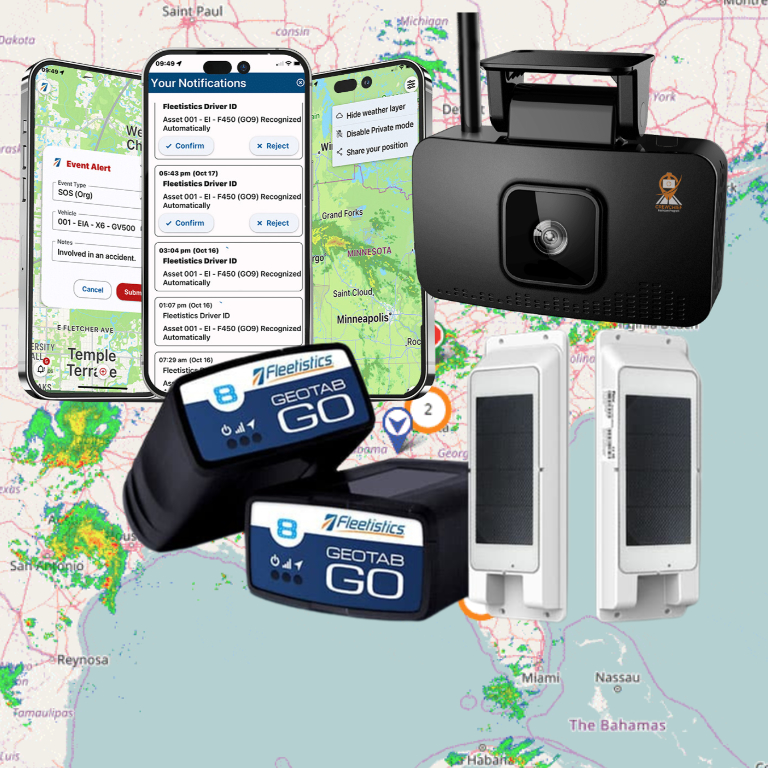
Fleetistics can help organizations connect ELD, DVIR, GPS tracking, safety, maintenance, and analytics in a platform that fits their current operating needs and future growth plans. The best configuration depends on fleet size, vehicle mix, driver workflow, and the systems already in place.
A compliant log is necessary. A fleet that can see risk early, act on exceptions quickly, and keep drivers moving with less paperwork gains something more valuable: operational control that holds up on the road and in the office.