
Choosing tracking hardware is only the first decision in a successful fleet deployment. The system also needs to fit your vehicles, support the decisions your team makes each day, connect with existing tools, and earn employee trust.
GPS tracking for fleet vehicles should give you dependable visibility, useful alerts, actionable reporting, and a practical path from installation to adoption. The right deployment matches device type and platform capabilities to each asset, then defines who can access data, how it will be used, and which outcomes matter.

Contact Fleetistics for a consultative evaluation when you are ready to map the rollout to your fleet. Start by defining what the system must accomplish, rather than beginning with a device feature list.
What should GPS tracking for fleet vehicles accomplish?
A successful deployment should make daily fleet decisions easier, not simply add another dashboard. Start by identifying the operational problems you want to solve, then select the tracking capabilities and workflows that support those outcomes. For some fleets, the priority is knowing where vehicles are. For others, it may be improving driver coaching, coordinating service, reducing manual work, or creating a more reliable record of fleet activity.
Define the decisions tracking should improve
Write down the decisions that currently depend on phone calls, spreadsheets, or incomplete information. A useful deployment may help your team answer questions such as:
- Which vehicles are available, active, delayed, or outside an expected area?
- Where are recurring route, idle-time, or utilization issues affecting productivity?
- Which vehicle conditions or driver behaviors need attention before they become larger operational problems?
- What information should dispatch, operations, maintenance, safety, and leadership see?
These questions connect GPS data to practical outcomes including visibility, safety, productivity, efficiency, and compliance. A platform that collects information without assigning it to a decision or owner can create noise rather than control.
Match the scope to your fleet and workflows
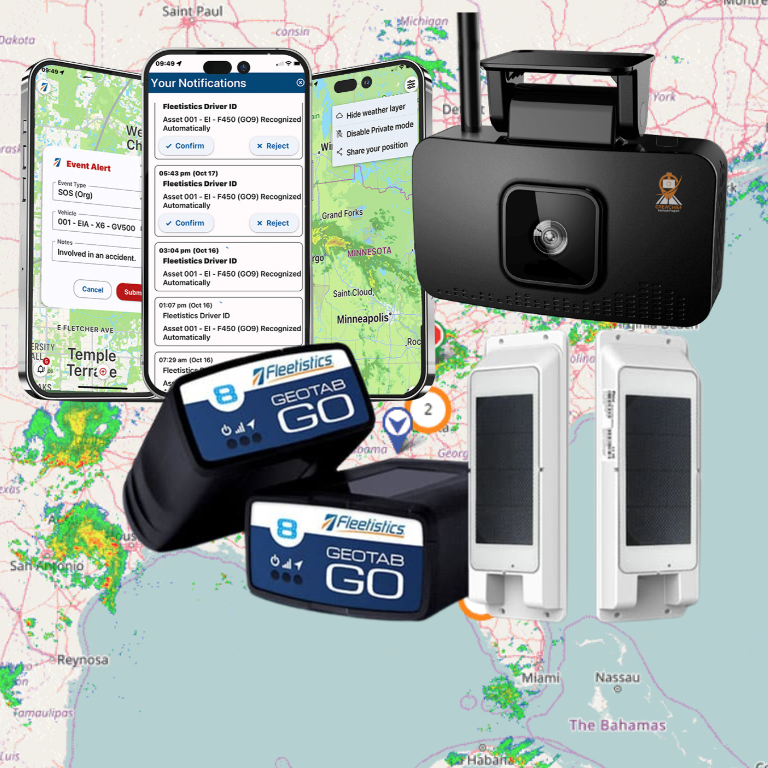
Fleet operations are rarely uniform. You may manage service vehicles, trucks, equipment, or watercraft with different duty cycles and tracking needs. A modular approach lets you match capabilities to each use case instead of treating every asset as if it needs the same device or reporting package. Fleetistics supports vehicles, equipment, and watercraft across the United States, Canada, and Mexico, with capabilities that can include live GPS tracking, diagnostics, alerts, driver behavior detection, analytics, and configurable data retention.
Review the intended scope with your implementation partner and document which assets, users, alerts, and reports belong in the first phase. Fleetistics has provided fleet management solutions since 2001, and its fleet tracking solutions can be evaluated against the specific operating model rather than a one-size-fits-all checklist.
Set measures before the dashboard goes live
Choose a small set of baseline measures before installation. Depending on your goals, these might include response time to vehicle-location questions, maintenance follow-up, route adherence, safety coaching activity, or time spent producing reports. Use fleet management analytics to turn recurring telematics signals into trend-based decisions. The goal is not to monitor every available data point. It is to establish whether the deployment is helping the people responsible for safety, service, dispatch, and cost control do their work with better information.
How do you choose tracking devices for a mixed fleet?
The right device depends on the asset, the installation environment, and the decisions your team needs to make from the data. A mixed fleet may include company cars, work trucks, trailers, powered equipment, or assets that spend part of the year in storage. Selecting one device type for every asset can create avoidable installation, data, or maintenance tradeoffs.
Match the connection to the vehicle
OBD devices are a practical fit for compatible vehicles when you want a relatively straightforward installation and access to available vehicle data. Telematics systems can collect GPS location and diagnostics from onboard diagnostic ports and transmit that information through a cellular network to a cloud platform, according to the U.S. Department of Energy. Confirm compatibility across makes, models, model years, and any vehicle-specific data requirements before standardizing on this approach.
Hardwired options connect to the vehicle’s electrical system and may suit assets where an accessible OBD port is unavailable, unsuitable, or not part of the operating plan. They can support a more concealed installation, but installation time, service procedures, and access for maintenance should be considered. Treat hardwired installation as a configuration tradeoff, not an automatic upgrade.
Use portable devices where the asset changes
Portable or asset devices can be useful for trailers, equipment, containers, and other movable assets that do not have a standard vehicle connection. They can help extend visibility beyond powered vehicles, but the deployment plan should account for mounting, battery management, charging or replacement routines, environmental exposure, and who owns device recovery when an asset changes location.
Before choosing, document the asset’s power source, operating conditions, expected movement, installation access, and required data. Then map each device to a workflow. A vehicle used for dispatch may need location, diagnostics, and driver-behavior information. A trailer may primarily need location and movement visibility. An equipment manager may prioritize utilization and recovery rather than engine data.
Compare deployment tradeoffs before standardizing
| Device approach | Best fit | Key tradeoffs to evaluate |
|---|---|---|
| OBD | Compatible vehicles with an accessible diagnostic port | Compatibility, available vehicle data, installation access, and device security |
| Hardwired | Vehicles requiring a dedicated electrical connection | Installation effort, service access, concealment, and vehicle-specific wiring considerations |
| Portable or asset | Trailers, equipment, containers, and movable assets | Power management, mounting, environmental conditions, recovery, and location needs |
Review the planned device mix with the platform and implementation team before deployment. Fleetistics provides GPS tracking hardware and modular fleet-management options, so the hardware plan can reflect how each asset is actually used instead of forcing every vehicle into the same configuration.
Which visibility, alerts, and reports matter most?
The most useful dashboard is not the one with the most data. It is the one that helps your team answer operational questions quickly: Where is each vehicle? Is a route progressing as expected? Does a vehicle need attention? Which driving patterns require coaching? Build your reporting around those decisions rather than turning every available signal into an alert.
Start with visibility your dispatch team can act on
Live GPS tracking should show current vehicle locations, route progress, stops, and unauthorized movement in a way that matches your operating rhythm. Dispatchers may need a live map during the workday, while managers may need historical routes to investigate missed appointments, excessive idle time, or customer questions. For a mixed fleet, the same view may need to include vehicles, equipment, and other tracked assets without forcing every asset into the same workflow.
Set clear expectations for what “live” means in your deployment. Update behavior depends on the selected device, connectivity, configuration, and platform. Confirm the refresh behavior that your dispatch and safety teams actually need before treating a dashboard as real-time operational control.
Use diagnostics and driver behavior as workflows
Engine diagnostics are most valuable when someone owns the next step. Route diagnostic events to maintenance staff with enough context to prioritize an inspection, document the response, and close the issue. A report that only stores fault codes without connecting them to maintenance procedures can add noise instead of reducing it.
Driver behavior data should work the same way. Configure relevant signals, such as speeding, harsh braking, or rapid acceleration, around your safety program. Review patterns over time, account for road and job conditions, and use the information for consistent coaching rather than isolated punishment. A focused fleet safety solutions program can help connect alerts to training, policies, and follow-up.
Report on trends, not just events
Daily exception reports can help supervisors respond quickly, while weekly or monthly analytics reveal recurring issues. Consider tracking alert volume by vehicle, unresolved diagnostic events, route adherence, idle behavior, maintenance follow-through, and coaching completion. Give each metric an owner and define what action follows a threshold. Configurable retention also matters because managers may need different historical views for operations, maintenance, and compliance documentation.
Keep the first alert set deliberately small. After the team proves it can review and act on those signals, expand the workflow. Contact Fleetistics to plan a practical visibility and alert workflow.
How should GPS tracking data connect to your systems?
A tracking platform creates the most operational value when its data reaches the people and systems that already run your business. Before implementation, map each important workflow from the triggering event to the person responsible for the next action. For example, a diagnostic alert may belong in a maintenance queue, while a completed route may need to update dispatch or customer records.
Choose the right data path for each workflow
Use an API when your team or software needs to request structured information on demand, such as vehicle location, mileage, diagnostics, or historical trip data. Use webhooks when an event should trigger an immediate downstream action, such as creating a work item after a fault or sending an alert when a vehicle enters a defined area. SDKs and custom integrations may be appropriate when the workflow needs a more tailored application experience.
Fleetistics describes an open API approach that includes real-time data streaming, webhooks, SDKs, and custom data integrations. That flexibility lets you connect GPS tracking for fleet vehicles to existing processes without requiring every department to work in a separate portal.
Confirm ownership, permissions, and data definitions
Data ownership should be explicit before anyone builds an integration. Decide which system is authoritative for vehicle identifiers, driver assignments, work orders, maintenance status, and customer or job records. Also document who can view location history, who can change alert rules, how long data should be retained, and what happens when a device or connection goes offline.
Do not assume that two systems use the same definition for a trip, stop, idle event, or completed job. Create a field map and identify required transformations before development begins. Role-based access is especially important when location data can be associated with employees or customer sites.
Validate the workflow before expanding it
Start with a small pilot that follows real vehicles and real operating scenarios. Test normal updates, duplicate events, missing data, delayed cellular transmissions, reassigned vehicles, and rejected records. Confirm that the receiving system logs the event correctly and that a person knows what action to take.
The Geotab Marketplace includes more than 300 partner integrations spanning categories such as ERP, fuel-card, maintenance, dispatch, accounting, and payroll systems. Treat that ecosystem as an implementation option, not a reason to connect everything at once. Begin with the workflows tied most directly to visibility, safety, productivity, or compliance, then measure adoption and data quality before adding more connections.
How do you introduce vehicle tracking to employees?
Employee adoption improves when the rollout is presented as an operational change with clear boundaries, not as a hidden surveillance program. Before devices are activated, explain what GPS tracking for fleet vehicles collects, why the business needs it, when data is reviewed, and who can access it. Connect the system to recognizable goals such as dispatch visibility, vehicle safety, maintenance planning, and faster support when a problem occurs.
Explain the purpose and the boundaries
Give drivers and supervisors a practical explanation of the deployment. Describe which vehicles or assets are included, how location and vehicle data move into the platform, and which alerts or reports the team will use. Avoid implying that every data point will be used for discipline. Define purpose limitation in plain language: collect and review information that supports the stated fleet objectives, and do not expand monitoring casually because the system makes additional data available.
Invite questions before launch and document the answers. Fleetistics’ resource on introducing GPS tracking to employees can help managers structure that conversation around transparency and buy-in.
Put governance into everyday operations
A written process makes expectations more consistent than informal promises. Establish role-based access so dispatchers, safety leaders, maintenance staff, and executives see the information relevant to their responsibilities. Set rules for account security, report sharing, retention, and escalation when a concern appears. Also clarify how managers should distinguish a coaching opportunity from a serious policy issue, and require appropriate context before drawing conclusions from a location point or driving event.
Use a written driver policy to document monitoring expectations and a company driving policy to connect those expectations to broader operating procedures. These resources are starting points, not substitutes for confirming requirements that apply to your organization and deployment location.
Coach, measure, and invite feedback
Start with a limited pilot or clearly defined rollout group. Train supervisors first so they can interpret alerts consistently, then show drivers how the information will support safer and more predictable work. Review early feedback for confusing alerts, inaccurate vehicle assignments, or workflows that create unnecessary friction. Adjust configuration and training before expanding.
Keep adoption visible through useful measures: completed training, acknowledged policies, resolved data-quality issues, coaching conversations, and employee questions. Regular feedback gives the fleet team a way to improve the program while preserving trust and keeping the technology connected to real operational needs.
What is a practical GPS tracking deployment checklist?
- Define the operating goals before selecting devices. Decide what you need to improve first: location visibility, route coordination, maintenance follow-up, driver coaching, asset protection, or reporting. Write down the decisions the system must support and the measures you will review. This keeps the rollout focused on useful workflows instead of activating every available feature.
- Map the fleet and its operating environments. Create a current list of vehicles, equipment, trailers, and other assets. Record vehicle type, make, model, primary users, operating region, and any unusual installation requirements. Match the hardware and platform tier to the asset and workflow. OBD, hardwired, and portable options can serve different purposes, so treat configuration as a fit decision rather than assuming one device belongs everywhere.
- Confirm the data path and system fit. Verify how location and vehicle data will reach the cloud platform, which users need access, and where reports will be consumed. If the rollout connects with maintenance, dispatch, accounting, fuel, or other systems, document the owner for each integration and test the workflow with representative data before launch. Fleetistics describes an open API approach with real-time data streaming, webhooks, SDKs, and custom integrations, but each connection still needs practical validation.
- Run a controlled pilot. Select a small group that represents the fleet’s actual variety, including different vehicle types, routes, supervisors, and driver workflows. Test installation, signal availability, location accuracy for your use case, alert usefulness, report readability, and administrative permissions. Ask pilot users what information helps them act and what creates noise. Resolve those issues before expanding the installation schedule.
- Prepare the launch plan and communication. Set installation dates, identify downtime or vehicle-access constraints, assign escalation contacts, and define what happens when a device does not report. Explain the purpose of tracking to employees, provide appropriate notice, and give supervisors consistent guidance for using the data. Employee understanding and buy-in are essential to adoption, especially when tracking is connected to coaching or performance discussions.
- Start with a small alert and report set. Turn on only the alerts tied to your stated goals, such as unauthorized movement, maintenance conditions, or safety events. Assign an owner and response process for every alert. Review reports with the people who will use them, then adjust thresholds, recipients, schedules, and data retention as experience reveals what is actionable.
- Train users and reinforce the workflow. Give dispatchers, managers, maintenance staff, and administrators role-specific training. Show how to find a vehicle, interpret an event, document follow-up, and protect access to operational data. Fleetistics provides 24/7 support, which can help teams address questions during rollout, but internal ownership remains important for consistent daily use.
- Review adoption and outcomes on a defined cadence. After launch, check login activity, unresolved alerts, report use, installation exceptions, and progress against the original goals. Schedule a formal review after the first operating period and refine the deployment as needs change. Fleetistics’ work with the City of Seattle’s 4,100-vehicle fleet is a documented example of a large-scale deployment, not a universal result or promise for every fleet. Contact Fleetistics to discuss your GPS tracking deployment.
Frequently Asked Questions
What should you look for in a fleet tracking device?
Start with the asset, the operating environment, and the decisions you need to make. Compare device options by installation method, vehicle compatibility, data needs, durability, and whether the same approach can extend to equipment or watercraft. OBD, hardwired, and portable devices each involve tradeoffs, so choose hardware that supports the workflow rather than selecting the most feature-heavy option.
How does real-time fleet tracking work?
A tracking device collects location data and, when supported, vehicle diagnostics or other telematics data. It transmits that information through a cellular connection to a cloud platform, where authorized users can view vehicles, configure alerts, and analyze activity. Ask how often the system updates, what happens when a vehicle loses connectivity, and whether the available visibility is sufficient for dispatch, safety, or service decisions.
How do you keep track of an entire fleet?
Use a consistent operating process, not just a map. Assign each vehicle to the correct driver, department, or route; define alerts that require action; and review reports on utilization, driving behavior, maintenance, and exceptions. Integrations can connect tracking data with dispatch, maintenance, fuel, accounting, or payroll workflows. Begin with a focused pilot, then expand after confirming that the data supports decisions your team can act on.
How should employers handle employee privacy with vehicle tracking?
Explain what is being collected, why it is collected, who can access it, and how it will be used. Provide written expectations, limit access by role, and give employees a way to ask questions before launch. Privacy and workplace-monitoring requirements can vary by location and deployment, so confirm applicable rules with qualified counsel and document a consistent governance process. Transparent notice and practical coaching usually support stronger adoption than treating tracking as a hidden enforcement tool.
Choose a fleet tracking partner that fits your operation
A successful rollout depends on more than selecting a device. Fleetistics can help you match vehicle and asset coverage, visibility, alerts, integrations, employee governance, and implementation support to your operation. The team can also help you define a practical pilot and the measures you will use to evaluate adoption.
Contact Fleetistics to discuss your GPS tracking deployment.