Successful fleet tracking starts by naming your daily fleet pains instead of just watching dots on a map. This plan ensures that your telematics spend really improves your bottom line. We have helped fleets find the right tools since 2001.
How to choose a fleet gps tracking system starts with a six step framework that looks at your main fleet needs rather than basic hardware features. You must find your biggest costs, such as fuel waste or safety risks, and match them to software tools that provide clear answers. A 2026 buyer’s guide should help you check total costs, look for open APIs, and ensure the vendor offers 24/7 support for your drivers. Based on a report from Automotive Fleet, about 98% of companies using this software see good results for their business. By following a clear picking process, you can find a flexible system that grows with you. This comprehensive guide to fleet GPS tracking helps you stay compliant with ELD and IFTA rules while driving a fast return on your spend.
Choosing the right system involves more than just a price check. You must start by looking at your fleet gaps to find the best fit. The path begins with Step 1: Define Your Fleet’s Core Problems Before You Shop.
How To Choose A Fleet Gps Tracking System: Step 1: Define Your Fleet’s Core Problems Before You Shop
Many managers rush into buying new tools. They see a long list of features and think they need them all. But the best way to start is to look at your daily hurdles. You should know exactly what you want to fix. If you do not have a clear goal, you might waste money on tools you do not use. This is the first step in learning how to choose a fleet gps tracking system that fits your needs.
Main work pain points
Common issues for fleets include high fuel costs and safety risks. Fuel waste often comes from long idle times or bad routes. When you track these habits, the savings can be huge. Most fleets struggle with these hurdles:
- High fuel spend from idling and speeding
- Safety risks from poor driving habits
- High upkeep costs from wear and tear
- Legal risks with driver hours
For example, the Michigan DOT saved $2.1 million per year by using GPS to manage their fleet. They also cut salt use by 25 percent. This shows how a clear focus on one problem can lead to big wins.
Safety is a key area to watch because habits that save fuel often make the road safer. A study by the FMCSA shows that fuel-smart driving gives real safety gains for truck fleets. When selecting fleet safety software, you should check if your drivers speed or brake too hard. These small changes can save lives and lower your insurance costs.
Top business goals
Once you find your problems, you must rank them. Some fleets need to cut idle time to save cash. Others might need to focus on local rules or driver hours. This ranking step ensures you do not buy tools you do not need. It keeps your budget safe and your goals clear.
Small firms often use tracking to lower office costs and boost work speed. Writing down your top three goals will keep you on track. It stops you from getting lost in fancy features that do not help your business. You can then judge each system by how well it fixes those three main issues.
Matching tools to needs
Every fleet is unique. A van fleet needs tools that a heavy gear shop does not. You should look for industry-specific GPS tracking features that fit your daily work. When you talk to a seller, ask how their system solves your main pain points. This simple plan helps you get the most value for your money.
Step 2: Understand the Hardware Options (OBD, Hardwired, Asset Trackers)
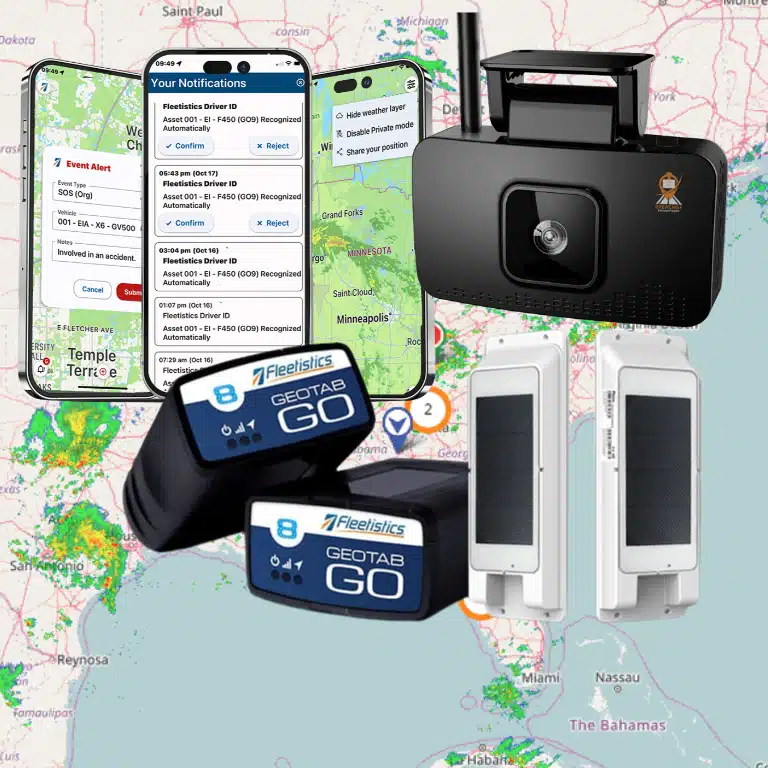
Hardware is the base of your tracking system. The device you pick sets what data you can see. It also impacts how much time you spend on setup. Most fleets choose from three main types. Each one has its own perks.
Plug-and-play OBD-II devices
These units are the top choice for cars and light trucks. You simply plug them into the vehicle port. Most cars made after 1996 have this port. It is mostly under the dash.
These devices get power from the car. They also read engine data. This includes fuel use and engine health.
Best devices give fleet telematics fundamentals through deep engine links. They go beyond simple GPS pings. You get data about high heat or low oil.
This helps you find small problems before they grow. They are great for fleets that need advanced data diagnostics to stay safe. Fleet systems often offer a 1-30 second refresh rate for data.
Hardwired trackers for heavy gear
Some vehicles do not have a standard port. This is often true for heavy trucks and work gear. In these cases, you need a hardwired unit. You mount these units behind the dash. They connect directly to the power and ignition wires.
These units are tougher than plug-in models. They are also harder to mess with or remove. They work well for long-haul trucks and work gear.
Based on the U.S. DOT, using this tech can lead to big savings. For example, some fleets save millions each year by using GPS for maintenance tasks.
Battery-powered asset trackers
Not every asset has its own power source. Trailers and shipping bins often sit alone for weeks. For these, you need an asset tracker. These run on long-life batteries. Some even use solar power.
These trackers are tough and sealed against the rain. They do not give as much engine data. But they tell you where your gear is at all times. They are perfect for recovery if an item is stolen.
Hardware Comparison Table
The table below compares the three main hardware types. Use it to see which one fits your fleet best.
| Device Type | Install Ease | Power Source | Data Refresh | Key Use Case |
|---|---|---|---|---|
| OBD-II Plug-In | Easiest | Vehicle Port | 1-30 Seconds | Light duty cars |
| Hardwired Unit | Moderate | Direct Wiring | 1-30 Seconds | Heavy gear |
| Asset Tracker | Easy | Internal Battery | Mixed | Non-powered gear |
Choose the right fit
Picking the best hardware is about balance. You must think about your budget and your goals. If you have mixed gear, you may need a mix of devices. A good provider will help you map out your needs. This ensures you get the right data at the right price.
Step 3: Evaluate Software Features That Actually Matter
With nearly 900 fleet management apps in the market today, finding the right tools for your business can feel hard. The best fleet management portal features focus on making your team safe and efficient. Most companies that use this software see real gains fast. Data shows that 62% of businesses improve their efficiency and 57% boost driver safety after they start using these systems.
Core tracking and safety tools
Real-time tracking is the base of any good system. You need to know where your trucks or vans are at all times to help customers and save time. Modern software also uses custom alerts to keep you in the loop. You can get a text or email for speeding, long idling, or when a driver leaves a set zone. These tools help you spot problems before they cost you money.
Driver scorecards are another key part of selecting fleet safety software for your team. These reports rank drivers based on how they act on the road. High fuel costs and road risks often come from bad habits like hard braking or fast starts. A federal study found that driving habits that save fuel also improve safety for large fleets.
Integration and modular growth
Your software needs to work with the tools you already have. Many fleets need more than just a map. You might want AI dashcams to record road events or weather alerts to keep drivers out of storms. Fleetistics provides fleet GPS tracking for business through modular platforms like MAP, LITE, and ONE. This lets you start small and add new features as your fleet grows.
A strong platform should also offer free API access and many ways to connect to other apps. Fleetistics offers more than 300 marketplace integrations to help you link your data to other parts of your business. This open approach makes it easy to keep track of upkeep and fuel use in one place. Using tire pressure sensors and other data can even help you save about 1.8% on fuel costs.
Maintenance and mobile access
Automated upkeep schedules help you avoid big repair bills. The software can track miles or engine hours to tell you when a truck needs an oil change or new tires. This keeps your vehicles on the road and helps them last longer. Mobile apps are also vital so you can manage your team from anywhere.
Reporting dashboards turn raw data into simple charts that you can use to make choices. Instead of looking at a long list of dots on a map, you see a full view of your fleet health. You can track IFTA miles, DVIR reports, and fuel use with a few clicks. These dashboards help you show the value of the system to your boss or team.
Step 4: Total Cost of Ownership , Hardware, Subscription, and Setup
When you choose a system, the monthly price is only one part of the bill. You must look at the total cost of ownership (TCO) to see the true impact on your budget. A cheap plan can become costly if it lacks the features you need to save money on fuel or maintenance.
Upfront hardware and setup costs
Hardware costs vary based on the tech you need. Basic units might cost nothing upfront, while advanced dashcams can reach 300 dollars per vehicle. You must also plan for setup. Professional work often runs from 0 to 200 dollars per vehicle. For some fleets, downtime during setup is a hidden cost. We help you plan this move through our 60-day Solution Evaluation Process to find the best fit before you commit.
Subscription and service fees
Monthly fees are the spine of your long-term costs. Budget brands like One Step GPS offer low rates near 13.95 dollars per month with no contracts. This is a good base for simple tracking, but larger fleets often pay 30 to 50 dollars per vehicle for deep data. Full plans give you more than just dots on a map. For example, systems that track tire pressure can boost fuel economy by 1.4 to 1.8 percent. These savings often cover the higher monthly fee.
Calculating your return on investment
The goal of a tracking system is to pay for itself. Most companies see a clear win. Data shows that 98 percent of firms report positive results from these tools. About 45 percent of fleets hit a positive return in 11 months or less. To reduce your risk, look for a comprehensive guide to fleet GPS tracking that helps you score your gain. Some vendors even offer a 100-day money-back guarantee to ensure the tech works for your team.
Step 5: Contract Terms, Support Quality, and Integration Flexibility
The way you buy a system is as vital as the hardware you pick. Many vendors push for long-term contracts that last three to five years. But the best partners offer flexible terms like month-to-month plans or short one-year deals. You should also check for early exit fees and see if you own the devices or lease them. Fleetistics provides a comprehensive guide to fleet GPS tracking that explains how these terms impact your total cost.
Support access and response times
When a driver is on the road, you cannot wait days for a fix. You need to know if the vendor offers 24/7 help or just office hours. Ask if they provide phone, chat, or email help and check their response time rules. Good support is vital for selecting fleet safety software that stays active when you need it most. Fleetistics offers 24/7 help to keep your trucks moving.
Integration with your existing tools
Your tracking system should talk to the tools you already use. This includes software for fuel, payroll, and tasks. A good platform has an open path for data to flow between systems. Fleetistics gives you free API access and works with over 300 marketplace apps. This makes it easy to link your fleet data with your fleet management portal features for better results.
Meeting rules and compliance needs
Your choice must help you follow federal laws in the USA, Canada, and Mexico. This includes rules for work hours and vehicle safety checks. Research from the Federal Motor Carrier Safety Administration shows that tracking systems help drivers stay safe and save fuel. Choosing a partner that supports these rules ensures your fleet stays legal and avoids big fines.
Why 21 Years as a Geotab Reseller Matters When You Choose
Picking a fleet partner is as vital as the tool itself. Since 2001, Fleetistics has served as the longest-running Geotab distributor in the United States. This deep history ensures you get more than just a device. You gain an expert partner that knows how to use fleet telematics fundamentals to drive real growth. Skill matters when you need to turn raw data into smart moves for your fleet.
A Scalable Open Platform
Modern fleets need tools that grow with them. The Geotab system is an open platform with over 300 marketplace apps. You can link your tracking data to fuel cards, cameras, and repair tools. Fleetistics helps you use these fleet management portal features to build a full tech stack. This path lets you scale from five vehicles to over 5,000 without a new system. It is the same tech used by the City of Seattle to manage a fleet of 4,100 maintenance vehicles and save millions in costs.
Testing for Real Results
You should not have to guess if a system will work for you. Fleetistics offers a 60-day Solution Evaluation Process to prove your ROI before you sign a long-term deal. This lets you test the tools in your daily work. You can see how they improve safety and cut fuel waste in real time. For government groups, Fleetistics also meets Sourcewell rules to make buying fast and simple. You get 24/7 support from experts who have seen every fleet challenge since the start.
Frequently Asked Questions
Does GPS fleet tracking work for mixed fleets with different equipment?
Yes, modern systems support many types of assets. You can monitor light duty trucks, heavy vehicles, and powered equipment like trailers or watercraft on a single platform. According to Fleetistics, modular solutions allow managers to track many tools and machines. This visibility helps you track and use every piece of gear in your fleet. Having all your data in one spot makes it much easier to run a complex business.
How does a GPS tracking system help improve driver safety?
These tools monitor habits like fast starts, hard braking, and speeding. When you know which drivers take risks, you can coach them to be safer. A study by the FMCSA found that driving habits that save fuel also lead to better safety outcomes. By using these facts, you can reduce the chance of crashes and lower your insurance costs. This keeps your team safe and protects your company assets.
Is GPS tracking software compliant with ELD and IFTA regulations?
Most professional systems help you meet federal rules for road safety and tax reporting. This includes logging hours of service and data for the International Fuel Tax Agreement. Fleetistics provides full support for these rules in the USA, Canada, and Mexico. Using software for these tasks saves time and reduces the risk of costly errors. It ensures your fleet stays legal while your drivers stay focused on the road.
Is GPS fleet tracking worth the investment for small businesses?
Yes, it is a smart move for small fleets. Over 98% of firms using this software report positive results. According to Merchants Fleet, 45% of fleets see a full return on their costs in 11 months or less. These systems help you save money on fuel and labor right away. This extra cash helps your small business grow faster and compete better in your local market.
Ready to find the best GPS tracking system for your fleet?
Choosing the right GPS tracking system today is a big step toward cutting your high fuel bills and keeping your drivers safe on the road. Every day you wait means more money lost to idling, poor routes, and extra wear on your best trucks and tools. You can stop the drain on your business budget this week. Build a much more solid fleet that stays ahead of all your rivals.
Ready to get better results? Call 855.300.0527 to schedule a free fleet consultation. See how much your business can save this year. Our team is ready to help you find the right tool for your fleet today.