Every piece of equipment you own is a significant financial asset. The real question is, how are you protecting that investment and ensuring it generates the best possible return? A single theft can wipe out profits, while underused machinery quietly drains your budget. This is why smart businesses are turning to gps equipment tracking. It’s a strategic tool designed to directly impact your bottom line. From preventing costly theft and reducing insurance premiums to optimizing asset use and cutting unnecessary rental fees, the financial benefits are clear. Let’s explore how this technology pays for itself and drives profitability.
Since 2001 · Trusted Fleet Management
Stop Guessing.
Start Managing Your Fleet Smarter.
GPS tracking, dashcams & compliance tools
that cut costs and keep your drivers safe.
✔ No commitment required · ✔ US-based support · ✔ Free platform comparison
Key Takeaways
- Go beyond theft prevention: While GPS tracking is your best defense against stolen equipment, its real power comes from the operational data. Use reports on asset usage and engine hours to make smarter decisions about maintenance and equipment allocation.
- Focus on the non-negotiables: A reliable system needs a few key features to be effective. Look for real-time location accuracy for quick recovery, geofencing with instant alerts to stop theft in progress, and a durable, long-lasting battery so your tracker never fails.
- Choose a partner, not just a product: Define your main goals first, like cutting rental costs or automating maintenance logs. Then, find a provider with a comprehensive platform that can track all your assets, both vehicles and equipment, on one screen and scale with you as your business grows.
What Is GPS Equipment Tracking?
Think of all the valuable equipment your business relies on every day, from heavy machinery on a job site to specialized tools in the back of a truck. GPS equipment tracking is a system that gives you a real-time view of where those assets are and how they’re being used. It’s about more than just finding a lost generator; it’s a powerful tool for protecting your investments, streamlining operations, and making smarter business decisions. Let’s break down how it works and the types of assets you can monitor.
How It Works
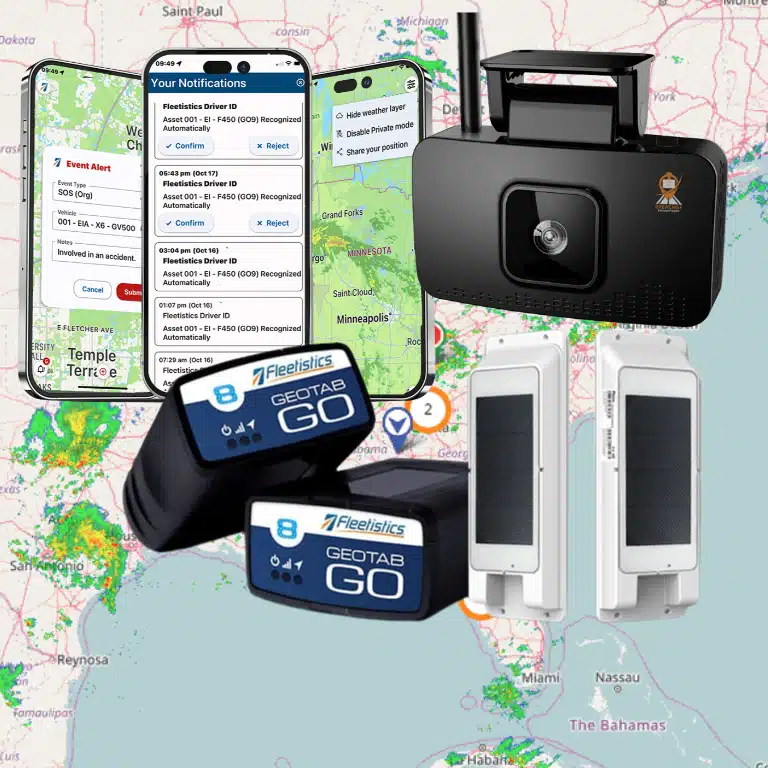
At its core, the system is simple. A small, durable tracking device is attached to your piece of equipment. This device uses the Global Positioning System (GPS) to determine its precise location. It then transmits this location data, along with other helpful information like motion detection, to a central software platform. From your computer or smartphone, you can see exactly where your assets are on a map. You can also set up automatic alerts, for instance, getting a notification if a piece of equipment moves outside of a designated area after hours. This gives you an automatic, around-the-clock watch over your most important tools.
What Kind of Equipment Can You Track?
You can track almost any asset that is critical to your business operations. This technology isn’t just for vehicles; it’s for the expensive equipment that makes your work possible. Common examples include construction machinery like excavators and bulldozers, agricultural equipment such as tractors and combines, and even smaller, unpowered assets like trailers, generators, and shipping containers. Many businesses also use trackers for high-value tools and portable equipment that can easily be misplaced or stolen from a job site. The right fleet management solutions will offer a variety of trackers designed for different asset types, power sources, and operating environments.
Who Benefits from GPS Equipment Tracking?
While almost any business with valuable mobile assets can find a use for GPS tracking, some industries see an immediate and significant impact. If your business relies on expensive, unpowered, or frequently moved equipment, you’re in the right place. From sprawling construction sites to remote agricultural fields, tracking technology provides the visibility you need to protect your investments and streamline your work. Let’s look at a few key sectors where GPS equipment tracking is a game-changer.
Construction and Heavy Equipment
On a busy job site, it’s easy to lose track of valuable machinery. GPS trackers are essential for securing high-value assets like excavators, bulldozers, and portable generators that are often left unattended. These devices act as a powerful anti-theft tool, helping you locate and recover stolen equipment quickly. Beyond theft, tracking helps you know exactly which assets are on which site, preventing delays caused by misplaced tools or machinery. By integrating this data into a central fleet management platform, you can get a complete overview of all your vehicles and equipment in one place, making project management much smoother.
Agriculture and Forestry
Managing equipment across vast, rural properties presents a unique challenge. GPS asset trackers give you the power to monitor tractors, harvesters, and forestry tools, no matter how remote their location. This technology is crucial for protecting your investments from theft and unauthorized use. You can also use the data to manage your assets more effectively, ensuring the right equipment is deployed where it’s needed most. With features like motion alerts and custom reports, you can stay informed and maintain control over your entire agricultural or forestry operation, even from a distance.
Transportation and Logistics
In the logistics world, the assets that aren’t powered are just as important as the trucks that pull them. GPS trackers are perfect for monitoring trailers, shipping containers, and other valuable cargo carriers. This visibility helps you prevent theft, reduce the time spent searching for misplaced trailers in a crowded yard, and improve overall asset utilization. By tracking usage patterns, you can also implement proactive maintenance schedules, reducing repair costs and avoiding unexpected downtime. Choosing the right tracking ecosystem ensures you can monitor every piece of your operation, from the truck to the trailer it’s hauling.
Equipment Rental Services
For companies that rent out everything from small power tools to heavy machinery, GPS tracking is non-negotiable. It provides an automated way to keep tabs on your entire inventory, whether it’s on-site with a customer or in your yard. You can accurately monitor usage hours for billing, verify an asset’s location at all times, and receive alerts if equipment leaves a designated area. This not only simplifies billing and reduces disputes but also helps you quickly recover items that aren’t returned on time. It’s a straightforward way to protect your assets and ensure your rental business runs efficiently.
The Payoff: Key Benefits of GPS Tracking
Implementing GPS tracking is about more than just seeing dots on a map; it’s a strategic move that delivers a powerful return on investment. By giving you a clear, real-time view of your valuable equipment, you can make smarter decisions that directly impact your bottom line. From tightening security and boosting efficiency to cutting operational costs, the benefits are tangible and far-reaching. Think of it as the command center for your physical assets, providing the data you need to protect your investments, streamline workflows, and grow your business with confidence. These fleet management solutions are designed to put you in control, turning raw data into actionable insights that drive real results.
Prevent Theft and Recover Assets
Your equipment is one of your most valuable investments, and leaving it unprotected on a job site is a huge risk. GPS trackers are your first line of defense, offering the peace of mind that comes with knowing exactly where your assets are at all times. You can set up virtual boundaries (geofences) around worksites and receive instant alerts on your phone if a piece of equipment moves outside of designated hours. In the unfortunate event of a theft, you can ditch the guesswork. Real-time tracking allows you to pinpoint the asset’s exact location, dramatically increasing your chances to find your equipment and get it back quickly, minimizing downtime and financial loss.
Maximize Asset Utilization
Are you getting the most out of every machine? It’s a tough question to answer without the right data. GPS tracking helps you see which assets are being used, which are sitting idle, and which might be underutilized at one site while another site is renting the same machine. By generating reports on location, usage, and operating hours, you can keep track of assets and make informed decisions about allocation. This insight allows you to optimize your existing inventory, reduce unnecessary rental costs, and ensure you have the right equipment in the right place at the right time. It’s all about making your assets work harder and smarter for you.
Get Ahead of Maintenance Needs
Unexpected equipment breakdowns don’t just lead to expensive repairs; they cause project delays and disrupt your entire workflow. GPS tracking helps you shift from a reactive to a proactive maintenance strategy. These devices do more than track location; they monitor critical operational data like engine hours, mileage, and diagnostics. You can set up automated alerts based on actual usage, ensuring that every machine receives service when it’s needed, not just when the calendar says so. This data-driven approach helps you catch small problems before they become major failures, extending the lifespan of your equipment and keeping your operations running smoothly.
Reduce Operational Costs
Every benefit of GPS tracking ultimately circles back to one crucial goal: reducing your operational costs. Preventing a single theft saves you the massive expense of replacing a high-value asset. Maximizing utilization means you spend less on renting or buying new equipment. Proactive maintenance cuts down on costly emergency repairs and extends the life of your fleet. Furthermore, by monitoring things like engine idle time, you can identify and correct habits that waste fuel. When you add it all up, the savings are substantial. GPS asset tracking provides the visibility you need to run a leaner, more efficient, and more profitable operation.
Earn Potential Insurance Discounts
Protecting your assets with GPS trackers doesn’t just give you peace of mind; it can also save you money on insurance. Many providers recognize that tracked equipment is a lower risk. These devices act as a powerful theft deterrent and significantly improve the odds of recovery, which insurers love to see. Some carriers offer noticeable discounts on premiums for businesses that have implemented robust tracking and security measures, like AI-powered dashcams. It’s always a good idea to speak with your insurance agent to see what discounts are available. It’s another way the investment in a solid tracking system pays for itself.
Must-Have Features in a GPS Equipment Tracker
Once you decide to invest in GPS tracking, you’ll find a lot of options out there. But not all trackers are built the same, and the last thing you want is a device that fails when you need it most. To make sure you’re getting a solution that truly protects your assets and improves your operations, look for a system that includes these essential features. Think of this as your checklist for finding the right fit for your business.
A great GPS tracking system is more than just a dot on a map. It’s a complete toolkit that gives you security, insight, and control over your valuable equipment. By focusing on these key features, you can choose a solution that delivers real value from day one and scales with you as your business grows.
Real-Time Tracking and Pinpoint Accuracy
The most fundamental feature of any GPS tracker is knowing where your equipment is. But you need more than a general location updated once a day. True real-time tracking gives you live, up-to-the-minute location data with pinpoint accuracy. This is absolutely critical for theft recovery. If a piece of equipment goes missing, you need to be able to direct law enforcement to its exact location immediately, not where it was six hours ago.
This live data also helps with daily operations. You can see which assets are on-site, which are in transit, and which are sitting idle, allowing you to dispatch the closest machine to a new job. When you’re evaluating options, ask about the refresh rate (how often the location updates) and look for a system that provides the precision you need to protect and manage your high-value asset tracking investments.
Geofencing and Instant Motion Alerts
Geofencing is one of the most powerful security features you can have. It allows you to draw a virtual boundary around any location, like a job site, your equipment yard, or a maintenance shop. If a piece of equipment enters or leaves that predefined area without authorization, you get an instant alert sent directly to your phone or email. This turns your tracking system from a reactive tool into a proactive security guard.
Many systems also include motion alerts. If a piece of equipment moves after hours or when it’s supposed to be stationary, you’ll know right away. These immediate notifications are your first line of defense, giving you the precious time needed to stop a theft in progress. It’s the difference between finding an empty spot in your yard tomorrow morning and stopping a thief in their tracks tonight.
Long Battery Life and Flexible Power Options
Your GPS tracker is useless if its battery is dead. For assets that don’t have their own power source, like containers, trailers, or smaller tools, a long-lasting battery is non-negotiable. Look for battery-powered devices that can last for months or even years on a single charge. This gives you reliable tracking without the constant hassle of swapping or recharging batteries.
For powered equipment like excavators or generators, a hardwired tracker that draws a tiny amount of power from the asset’s own battery is an excellent, low-maintenance option. Some of the most innovative trackers even come with solar panels to constantly recharge the battery, making them a perfect “set it and forget it” solution. The right provider will offer a mix of GPS tracking options to fit every type of asset you own.
Rugged Design and Simple Installation
Your equipment works in tough environments, and your GPS trackers need to be able to handle it all. A quality tracker should have a rugged, weatherproof casing that protects it from rain, dust, mud, and extreme temperatures. Look for devices with high IP (Ingress Protection) ratings, which tell you how resistant they are to water and solid particles. A durable design ensures your tracker keeps working no matter what the job throws at it.
Installation should also be straightforward. Complicated setups lead to unnecessary downtime for your equipment. Many modern trackers are designed for simple, discreet installation, using powerful magnets, simple wiring, or a basic bolt-on process. The faster you can get a tracker installed and activated, the sooner your asset is protected and providing you with valuable data.
Actionable Data and Reporting
A great GPS system does more than just track location; it provides data that helps you run your business better. Look for a platform that offers actionable reports on asset utilization, engine hours, and maintenance schedules. This information helps you see if you’re getting the most out of every piece of equipment. You can identify underused assets that could be sold or moved to a busier site, and you can prevent overuse that leads to premature wear and tear.
By tracking engine hours automatically, you can also set up proactive maintenance alerts. Instead of relying on manual logs, the system will notify you when an asset is due for service. This helps you prevent costly breakdowns, extend the life of your equipment, and keep your projects running on schedule.
Seamless Integration with Your Fleet Platform
If you’re already tracking your vehicles, the last thing you want is a separate, disconnected system for your equipment. The best solutions allow you to monitor your entire fleet, including vehicles, trailers, and heavy equipment, from a single screen. This unified view gives you complete operational awareness and simplifies management for your team. No more switching between different apps or websites to find what you need.
Look for a provider that offers a comprehensive fleet management platform that can integrate all your assets. Even better, a system with a free and open API allows you to share data with other software you use, like accounting or project management tools. This creates a truly connected system that streamlines workflows across your entire organization.
Breaking Down the Cost of GPS Tracking
When you’re thinking about adding GPS tracking to your equipment, one of the first questions is always, “What’s this going to cost?” It’s a fair question. The good news is that modern GPS systems are more affordable than ever, and it’s helpful to think of them as an investment that pays for itself rather than just another line item on your budget. The price can vary quite a bit, but most systems are structured around two main components: the hardware you install on your assets and the subscription for the service that makes it all work. Let’s break down what you can expect.
Hardware Costs vs. Subscription Fees
Most GPS tracking systems come with two types of costs: a one-time hardware fee and an ongoing subscription fee. The hardware is the physical tracker you attach to your equipment. Prices for these devices can range from around $50 for a simple tracker to several hundred dollars for a more advanced hub. The subscription fee, typically paid monthly or annually, covers the cellular data the tracker uses, access to the software platform, customer support, and data storage. Some providers might offer “free” hardware but roll the cost into a higher monthly subscription, so it’s smart to calculate the total cost over a year or two to get a true comparison.
How to Calculate Your Return on Investment
Instead of just looking at the price, let’s talk about the return on investment, or ROI. A good GPS tracking system should save you more money than it costs. To figure this out, think about your current expenses. How much would it cost to replace a single stolen piece of equipment? For most businesses, preventing just one theft can pay for the entire system for years. You can also calculate savings from improved asset utilization. By knowing which assets are sitting idle, you can put them to work and avoid renting or buying unnecessary equipment. Add in the savings from preventative maintenance and lower insurance premiums, and you’ll quickly see how the benefits of fleet management solutions far outweigh the costs.
Find a System That Scales with Your Business
Your business isn’t static, and your tracking system shouldn’t be either. The best solution is one that can grow with you. As you start your search, look for a provider that offers a range of hardware for different asset types. You might need a rugged, long-battery-life tracker for a bulldozer and a smaller, simpler one for a portable generator. A flexible provider can equip your entire fleet. It’s also important to choose a platform that can handle more than just location tracking. Think about your future needs. You might want to add AI-powered dashcams or other tools down the road. Choosing a comprehensive platform from the start makes it easy to add new features without having to switch providers.
How to Choose the Right GPS Tracking System
Finding the right GPS tracking system feels a lot like buying a car. You wouldn’t buy a sports car to haul lumber, and you wouldn’t choose a semi-truck for your daily commute. The best choice depends entirely on what you need it to do. With so many options on the market, it’s easy to get overwhelmed. The key is to focus on your specific business challenges and find a system that solves them, not just one that has the longest list of features.
Think of this as a partnership. You want a provider that understands your industry and offers a solution that grows with you. By focusing on your goals, planning for implementation, and looking for a comprehensive platform, you can find a system that becomes an indispensable part of your operations. Let’s walk through how to make the right choice for your fleet.
Define Your Goals Before You Shop
Before you even look at a single product, take a moment to define what success looks like for you. What specific problem are you trying to solve? Are you primarily concerned with preventing the theft of high-value assets? Or is your main goal to get a better handle on equipment utilization to avoid purchasing or renting unnecessary machines? Maybe you need to track engine hours for proactive maintenance scheduling.
Your goals will determine everything. A simple tracker might be enough for theft recovery, but for operational efficiency, you’ll need a system that provides detailed usage reports. Make a list of your must-haves versus your nice-to-haves. This simple step will help you cut through the noise and focus on the fleet management platforms that truly fit your business needs.
Plan for a Smooth Implementation
A powerful GPS system is useless if it’s too complicated for your team to install and use. As you evaluate options, think about the entire process from setup to daily operation. How easy is it to install the hardware on your equipment? Will your team need extensive training to use the software, or is it intuitive and user-friendly? A system designed for a simple setup means you can start seeing benefits faster, without frustrating delays.
Look for a provider that offers clear instructions and responsive customer support. A smooth rollout is critical for getting your team on board. If your crew finds the system helpful and easy to use, they are far more likely to embrace it as a tool that makes their jobs easier, ensuring you get the full value from your investment.
Know Which Metrics to Monitor for Success
The best GPS tracking systems don’t just give you data; they give you answers. Before you commit, you should know which key performance indicators (KPIs) you need to track. Don’t settle for just a dot on a map. You should be able to generate reports on how much your equipment is used, how long it operates each day, and where it has been.
For example, are you tracking engine hours to schedule preventive maintenance? Or are you monitoring idle time to reduce fuel costs and emissions? Knowing which metrics matter will help you measure your return on investment and make informed, data-driven decisions. These insights are what turn a tracking device from a simple security measure into a powerful business management tool.
Look for a Platform That Does More Than Track
While knowing your equipment’s location is fundamental, a modern system should offer much more. True value comes from a platform that integrates various solutions to give you a complete view of your operations. Think beyond the tracker itself and consider the entire ecosystem. Can the platform send you alerts for unauthorized movement, provide data on impacts, or monitor temperature for sensitive assets?
The most effective solutions connect asset tracking with other critical functions. For instance, integrating GPS data with AI-powered dashcams can provide context for an incident, while connecting to maintenance logs can automate service reminders. Choosing a comprehensive platform gives you a single source of truth, helping you protect your assets, streamline workflows, and manage your entire fleet more efficiently.
Related Articles
- Benefits of GPS Vehicle Tracking System – Fleetistics
- Innovative Use of GPS Trackers Goes Way Beyond Location
- GPS History – GPS tracking satellite history 1960’s to now
- Competitive Advantages of GPS Tracking and Telematics
- Low Cost Asset Tracking System – Fleetistics
Since 2001 · Trusted Fleet Management
Stop Guessing.
Start Managing Your Fleet Smarter.
GPS tracking, dashcams & compliance tools
that cut costs and keep your drivers safe.
✔ No commitment required · ✔ US-based support · ✔ Free platform comparison
Frequently Asked Questions
Can I track my vehicles and my heavy equipment on the same platform? Absolutely. The goal of a great system is to give you a single, unified view of your entire operation. You shouldn’t have to switch between different apps to see where your trucks are and then check another system for your excavators. The right platform brings all your assets, both powered and unpowered, onto one map, which simplifies management and gives you a complete picture of your business.
What happens if a tracker’s battery dies? That’s a valid concern, and it’s why choosing the right hardware is so important. For equipment without its own power source, like a trailer or container, you should look for trackers with batteries that last for years, not weeks. For powered machinery, the tracker can be hardwired to draw a tiny amount of energy from the asset’s battery. Some trackers even use solar power to stay charged, making them a truly low-maintenance solution.
How does GPS tracking actually save my business money? While preventing a single theft can pay for the system many times over, the savings go much deeper. Tracking helps you see which assets are sitting idle, so you can avoid unnecessary rental costs by using the equipment you already own more effectively. It also automates maintenance scheduling based on actual engine hours, helping you prevent expensive breakdowns and extend the life of your machinery. It’s about running a leaner, more informed operation.
Is this system going to be difficult for my team to learn and use? Not at all. A modern tracking system should make your team’s job easier, not more complicated. The hardware is designed for straightforward installation, and the software platform should be intuitive and user-friendly. The whole point is to get you the information you need without a steep learning curve. A good provider will offer a system that feels natural to use from day one.
Besides theft, what are the main operational problems this solves? Think of GPS tracking as a tool that removes operational blind spots. It helps you answer key questions like, “Is our equipment being used efficiently?” or “Are we servicing our machines at the right intervals?” By providing clear data on utilization, you can make smarter decisions about how you distribute assets across job sites. By automatically tracking engine hours, you can move from a reactive to a proactive maintenance schedule, keeping your projects on track and avoiding costly downtime.