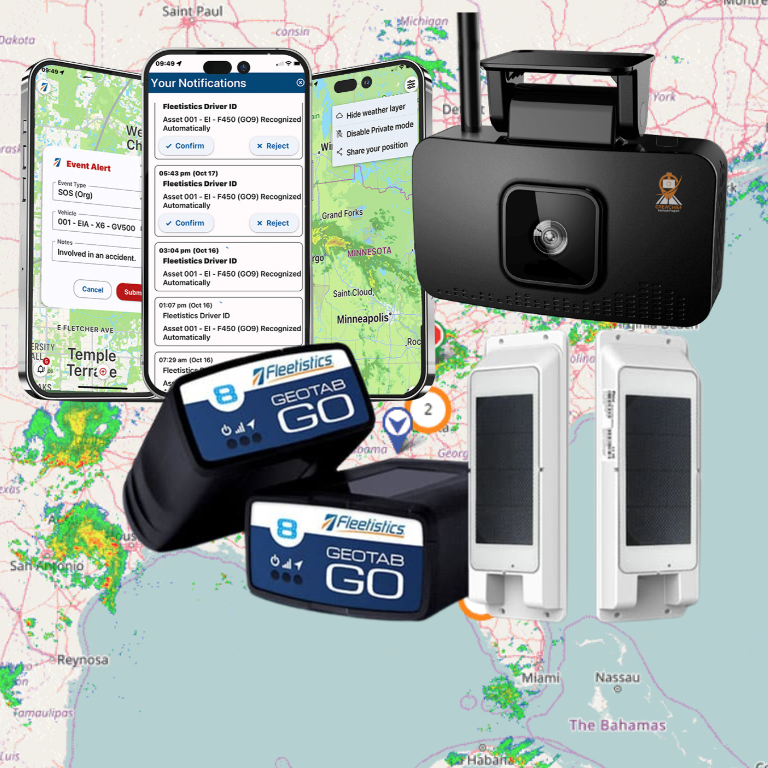


Idle minutes can look harmless on a daily report, but across dozens or hundreds of vehicles they become a recurring fuel expense. Fleet telematics turns that hidden cost into specific events managers can identify, coach, and measure.
Book a Fleetistics telematics consultation to identify avoidable idle time and build a practical fuel-saving plan.
Why fleet idling reduction starts with accurate telematics data
Fleet idling reduction uses telematics data and driver coaching to limit unnecessary engine run time while vehicles are stopped. By tracking idling events through GPS and engine data, managers can separate operational needs from avoidable waste. Set fair thresholds, coach specific drivers, and verify the resulting fuel savings.
Most fleet owners know that idling wastes money, but many do not know the full cost. Long truck idling uses about 1 billion gallons of fuel every year in the United States. This waste comes from keeping engines on when they should be off. To stop this, you must first have clear data. Good data shows where fuel goes and why. Without it, you are just guessing. You might see a high fuel bill but not know which trucks are the cause. Fleet idling reduction must start with the right tools that show the truth about your fuel waste.
Telling true from work idling
Not all idling is the same. True idling is when a truck engine runs for no good reason, such as when a driver waits for a load. Operational idling is different. It is needed for certain work tasks or to keep a cab safe in very cold or hot weather. According to the U.S. Environmental Protection Agency (EPA), cutting long idling helps lower costs and helps engines last longer. You need to know which type is happening before you can make changes.
If you just look at total run time, you might blame a driver for a job they must do. Accurate data lets you find the time that is not useful. Once you find that time, you can start to cut it out. This makes your fleet work better and saves you money on fuel and repairs. It also helps you set fair goals for your team based on real work needs.
The danger of using simple averages
Many bosses look at fleet averages to find waste, but this is often a mistake. Averages can hide the most costly habits of a few drivers. If ten trucks idle for one hour each, the average is one hour. But if one truck idles for ten hours and the others do not idle at all, the average is still one hour. You would miss the one truck that is wasting all the fuel.
Using broad data keeps you from seeing the real facts. It makes it hard to set fair rules. You might set a goal that is too easy for some and too hard for others. Instead, you need data for each truck. This lets you talk to certain drivers about their habits and help them improve. It turns a big problem into small, easy steps.
Using telematics to monitor idling metrics
Modern tools give you the power to see every stop and start. You can use these systems to monitor idling metrics and find ways to save. These systems track when an engine is on but the truck is not moving. They can even tell if the truck is at a job site or a rest stop. This helps you see if the idling was needed for the work or if it was a waste of fuel.
With this data, you can set clear rules for your fleet. You can see which drivers follow the rules and which ones need more help. Coaching drivers is much easier when you have the facts. You can show them exactly where they can save fuel. This makes your business stronger and helps your trucks stay on the road for more years.
How telematics identifies and alerts on excessive idling
Modern telematics systems do more than just show a vehicle on a map. They connect to the engine to find when a truck is burning fuel without moving. This data is the key to a fleet idling reduction plan. By tracking the engine state, managers can spot waste as it happens and take steps to stop it.
Tracking engine state through telematics
Telematics devices read data from the vehicle engine control unit. They check the engine speed, engine status, and vehicle movement. If the engine is running but the truck stays still for several minutes, the system logs this as idling. This process helps fleets separate normal stops in traffic from long periods of wasted fuel.
Many fleets lose thousands of dollars each year because of true idling. This is wasteful time when a driver leaves the engine running for no clear work reason. According to the EPA, long truck idling consumes about 1 billion gallons of fuel every year. Using telematics to find these events is the first step toward saving money and protecting engines from wear.
Customizing special alerts for your fleet
A good system lets you set clear rules for what counts as a problem. You can create special alerts based on time and location. For example, you might allow five minutes of idling for a warm-up in cold weather. But you could trigger an alert if a truck idles for more than ten minutes at a job site. This helps managers monitor idling metrics without getting too many pings.
Setting the right limits is vital to avoid alert noise. If alerts go off too often, managers might start to ignore them. You should focus on the most costly events first. Some fleets start by only alerting on idling that lasts more than 30 minutes. As drivers improve, you can slowly lower that time to push for more fuel savings.
Using data to coach drivers
Real-time alerts give managers the chance to act fast. A manager can receive a text or email the moment a driver goes over the limit. This allows for quick coaching or a simple reminder to turn off the key. Scheduled reports are also helpful for looking at long-term trends. These reports show which drivers are meeting goals and which ones need more training.
Dashboards make it easy to see how the whole fleet is doing at a glance. Most managers focus on a few key data points in their daily reports:
- Total idle time for each driver.
- Fuel spent while the truck is still.
- Where most idling events happen.
- Cost of fuel waste for the month.
This data-driven approach turns a vague goal into a clear plan. It moves the focus from guessing to knowing where the fleet can save the most money. Using these tools helps fleets stay efficient and keep their engines in good shape for years.
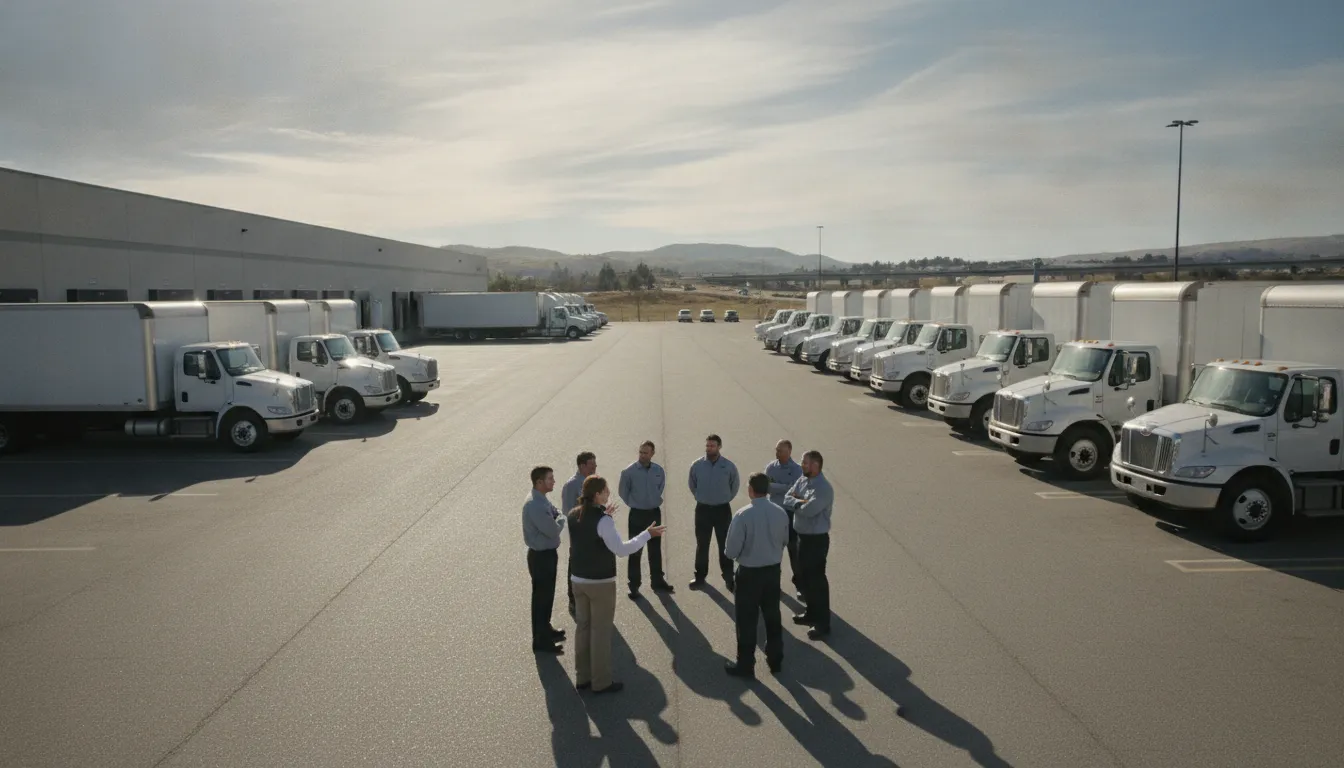
How can managers coach drivers to reduce idle time?
Helping drivers stop idling is about more than just rules. It takes a mix of good data and fair talk. When you coach your team, focus on being a partner rather than a judge. This helps build a team that wants to save fuel on their own.
Use data for fair feedback
Managers should start by looking at clear facts. A good monitor idling metrics tool shows when a truck runs for no reason. This is called true idling. It is different from when a driver must idle to do their job, which is work idling. Using facts helps avoid unfair claims. If a driver knows the data is right, they are more likely to listen and change how they drive.
Keep these talks brief and helpful. Show the driver how much fuel they used while parked. Explain that fleet idling reduction is a goal for the whole team. You can also show how too much idling can harm the engine. Some engine makers say that eco-driving helps save fuel and keeps the truck in good shape. This makes the talk about safety and keeping the truck on the road, not just about money.
Reward positive habits
Positive rewards often work better than threats. When a driver hits a goal for low idle time, give them a shout-out or a small prize. This builds a culture where doing the right thing is seen and liked. It turns a chore into a win. Drivers who see their peers getting perks will want to do better too. Common rewards include:
- Public praise in a team meeting
- Gift cards for food or fuel
- Monthly bonuses for top fuel savers
Training is also key to this plan. Show your team how to use the truck tools to stay warm or cool without the big engine. The EPA says that driver training and money rewards are both great ways to cut idle time. When drivers know how to save fuel and feel good doing it, they will stick to the plan.
Manage work and weather needs
Not all idling is bad. Some drivers must idle to stay safe in very hot or cold weather. Other times, the truck needs to run to power tools or gear. A fair fleet idling reduction plan must account for these needs. Do not punish a driver for staying safe in a storm. If you are too strict, you might lose the trust of your team.
Work with your drivers to find ways to cut idle time that don’t hurt their comfort. For example, use bunk heaters or small power units for long stops. This shows you care about their well-being. When you make the plan fit the real world, it is more likely to work for a long time. Clear rules about when to idle and when to stop will help everyone stay on the same page.
How to measure fuel savings from lower idle time
Tracking the ROI of a fleet idling reduction plan starts with good data. You cannot manage what you do not measure. Teams must first set a clear baseline for fuel use and idle hours. This shows how changes impact the bottom line over time. This step helps you find the most wasteful habits and prove the value of new fleet rules.
Create a data baseline
Start by looking at your current fleet stats for one month. Most trucks burn about 0.8 to 1.0 gallon of fuel for every hour they idle. Use your data tools to pull total idle time for all vehicles. This gives you a starting point to track how much fuel goes to waste while trucks go nowhere. You should also note the fuel price to find the total cost.
Account for duty cycles and weather
Savings can vary based on the work your trucks do. A delivery van in a city has different needs than a long-haul truck. You must also consider the season. Drivers often idle more in extreme cold or heat to stay safe. This is why you should monitor idling metrics month over month. Compare them to the same time last year. This helps you see true progress instead of just shifts in the weather.
Verify ROI and trend lines
Once you have a few months of data, look for trends. A drop in idle hours should lead to lower fuel bills and fewer engine issues. Reducing idle time also cuts maintenance costs and helps engines last longer. By tracking these items, managers can prove that their work pays off. Clear reports show the boss exactly how much the company saved in both fuel and shop time.
| Metric | Traditional Tracking | Telematics Monitoring |
|---|---|---|
| Idle Time | Estimated by driver | Real-time engine data |
| Fuel Waste | Calculated from receipts | Gallons per hour sensors |
| Driver Trends | Hard to find patterns | Daily and weekly reports |
| Engine Health | Checked during service | Automatic wear alerts |

A practical fleet idling reduction implementation checklist
Starting a program to cut down on engine run time needs a clear plan. You must find where you are now and set goals that your team can reach. Using a step-by-step path helps you reduce fleet fuel costs without hurting your daily work.
Setting the baseline
Use your current data to see how much fuel you lose each day. This start point lets you track your wins as you make changes. It also shows you which drivers or routes need the most help to improve.
Building the program
A good program uses both rules and tools. You need a written policy so everyone knows the new limits. Pairing this with fleet idling reduction technology makes it easier for drivers to follow the rules while on the road.
- Audit your current idling state. Use telematics to find your average idle time per truck. This data shows the gap between your current waste and your goal.
- Set clear idle thresholds. Define how many minutes a truck can run while parked. Many fleets find that turning the engine off after 10 seconds is more efficient than letting it run per U.S. Department of Energy research.
- Draft a formal fleet policy. Write down the rules for when to turn off the engine. Make sure to include exceptions for safety, power needs, or extreme weather to keep drivers safe.
- Launch a pilot group. Test your new rules with a small group of drivers first. This step helps you find and fix small issues before you roll out the plan to the whole fleet.
- Use driver coaching and feedback. Give your team regular updates on their progress. Both training and rewards are helpful ways to change how people work and reduce long-duration idling across the company.
- Monitor and adjust. Keep a close eye on monitor idling metrics through your dashboard. Use these reports to spot new trends and keep your fuel savings on track over time.
Exceptions and governance
Not all idling is bad. Some trucks must run to power tools or keep the cab safe in deep cold or high heat. Your rules should tell the difference between “true idling” and work that needs the engine. Being fair with these rules helps your drivers trust the new system.
Turning idle data into a sustained cost-control program
Data from fleet tracking is the first step toward a smart fuel plan. Raw numbers show where waste happens, but a real program makes the savings last. By looking at idling metrics, managers can find just which trucks stay running while parked. This turns guess work into a clear path for fleet idling reduction that helps the bottom line. To move from data to dollars, you need a plan that stays in place every day.
Set a firm baseline
You cannot fix what you do not track. Most fleets start by seeing how many hours their trucks run without moving. Many heavy trucks idle for 1,000 to 2,000 hours each year, based on data from the U.S. Department of Energy. This time costs money in fuel and engine wear. By using fuel management tools, you can see the cost of every minute. This baseline helps you set goals that people can reach.
High idle rates also lead to high fuel waste. If every car in the U.S. idled just six minutes per day, about 3 billion gallons of fuel would go to waste each year. This is according to data from Argonne National Laboratory. For a fleet, these small moments add up to big costs. Seeing the numbers in a report helps teams understand why change is needed.
Coach for long-term change
A good program needs more than just new tech. It needs clear rules that everyone knows. You should set a clear idle policy that tells drivers when to turn off the engine. Many experts say turning the key is best if you stop for more than 10 seconds. You can also use AI tools to help drivers learn better habits in real time. These driver training methods are helpful for making savings last for years.
Coaching works best when it is fair and fast. Real-time alerts can tell a driver when they have idled too long. This helps them fix the habit right then. Some fleets also use rewards to thank drivers who hit their goals. This builds a culture where everyone wants to save fuel. It turns a chore into a team win. When drivers see the data, they often take pride in how well they do their jobs.
Protect your fleet assets
Saving fuel is just the start of the win. Too much idling can strip oil from the engine’s pistons and cylinders. This causes the parts to age too fast and leads to more shop time. The American Trucking Association says idling can add $2,000 per year in extra care costs. It also adds wear equal to 64,000 miles on the engine. A steady program keeps your trucks on the road and lowers the cost of big repairs.
Clean air and local laws are also part of the plan. Today, 31 states have laws against idling that can carry big fines. By cutting idle time, you stay in line with these rules and help the world around you. The EPA notes that reducing idle time also cuts down on carbon gases. A smart cost-control program protects your trucks, your budget, and your local area all at once.
Explore Fleetistics fuel management solutions to connect idle-time reporting with broader fuel-cost controls.
Frequently Asked Questions
Why is fleet idling reduction important for fuel efficiency?
According to the EPA, long-duration truck idling wastes about 1 billion gallons of fuel every year. Reducing this time helps your fleet use less fuel and lowers your costs. When you stop engines from running for no reason, you improve your fuel efficiency right away. This change is a fast way for any fleet to save money on daily fuel use while also helping the environment.
What is the difference between true idling and operational idling?
True idling is when an engine runs without doing any real work. This often happens when a driver waits for a task or stays in the cab. Operational idling is different because the engine must run to power tools or keep the cab safe in very cold weather. Fleet managers use telematics data to find true idling patterns. This helps them cut down on wasted fuel without stopping necessary work.
Does idling really consume more fuel than restarting?
Yes, idling for more than 10 seconds usually uses more fuel than turning the engine off and on again. Modern fuel systems are very efficient during starts. Letting a truck run while parked for a long time can waste a lot of fuel. Using Fleetistics telematics to track these habits can help managers identify avoidable idle time and measure the impact of coaching.
How does excessive idling harm vehicle engines?
Excessive idling causes the engine to work at a lower heat than it should. This can lead to more soot and carbon buildup in the cylinders. Over time, this wear means you will need to pay for more repairs. Reducing idle time helps you keep your vehicles in better shape for a longer time. The EPA states that cutting idle time decreases maintenance costs and extends the life of your fleet engines.
Ready to reduce fleet idling costs?
A successful idle-reduction program starts with accurate data, fair operating rules, and consistent driver coaching. Fleetistics telematics helps managers identify avoidable events, set relevant alerts, and track progress without treating necessary operational idling as a failure.
Call 855.300.0527 to speak with a Fleetistics consultant about a practical fleet idling reduction plan.