
A technician who arrives late, without the right part, in a vehicle overdue for service creates more than one missed appointment. The result can be overtime, a repeat visit, frustrated customers, and a dispatcher forced to rebuild the day’s schedule. Field service fleet software gives operations teams the visibility and control to prevent those small failures from becoming expensive patterns.
For plumbing, HVAC, electrical, utility, construction, delivery, and government service fleets, the goal is not simply to place a dot on a map. The goal is to connect vehicle activity, technician workflows, equipment availability, maintenance status, and customer commitments in one operational picture. That is how fleet technology produces measurable returns.
What Field Service Fleet Software Should Control
Field service operations manage moving variables all day. A dispatcher needs to know which technician is closest to an urgent call, but proximity alone is not enough. The technician also needs the proper certification, available work hours, the right vehicle capacity, and access to the required tools or parts.
Effective software connects those decisions to real-time GPS and telematics data. Managers can see vehicle locations, trip progress, idling, harsh driving events, engine fault codes, and route history. Dispatch teams can use that information to assign work based on actual field conditions instead of estimates from a morning schedule.
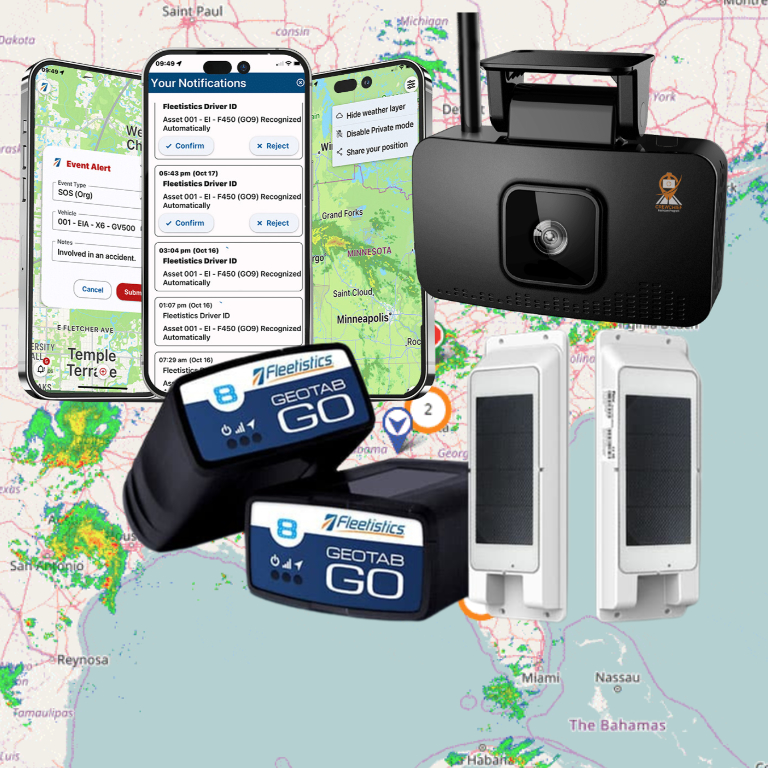
The strongest platforms also extend beyond vehicles. Asset trackers can show where trailers, generators, specialty tools, or mobile equipment are located. Mobile workforce applications can document arrival and departure times, completed work, inspections, and job status. Integrations can move fleet data into dispatch, work order, ERP, payroll, or customer systems without requiring someone to re-enter it later.
That connected approach matters because field service fleets do not lose money in one place. Costs appear in fuel, labor, vehicle repairs, callbacks, safety incidents, paperwork, and customer churn. A system that addresses only location tracking will improve visibility, but it may leave larger operational gaps untouched.
Start With the Operational Problems, Not the Feature List
Software selection is more effective when the evaluation begins with a specific operating problem. A small service fleet may need proof of arrival, driver accountability, and a faster way to recover from route changes. A larger operation may need maintenance automation, AI video, ELD compliance, fuel-card controls, and data feeds to internal systems.
Consider the questions your team repeatedly asks during a difficult service day. Where is the nearest qualified technician? Why did a vehicle spend 45 minutes idling? Which trucks are approaching scheduled maintenance? Was the vehicle at the jobsite when the customer says it was not? Which assets were left at the previous location?
Each question points to a workflow that technology should improve. This keeps the investment focused on outcomes rather than buying capabilities that never become part of daily operations.
Dispatch and Route Decisions
Route optimization can reduce unnecessary miles, but the best route is not always the shortest route. A field service route must account for service windows, traffic, job priority, technician skills, vehicle restrictions, and expected job duration. Dispatchers need the ability to make informed adjustments when an emergency call comes in or a job runs long.
Real-time location data helps teams respond without guesswork. It can also provide accurate estimated arrival times and defensible records of onsite activity. For organizations that bill by time, manage service-level agreements, or work under public-sector accountability requirements, that documentation has direct financial value.
Fuel Use and Driver Behavior
Fuel waste is often hidden in routine behavior. Long idling periods, speeding, aggressive acceleration, unauthorized use, and inefficient routing all increase operating costs. Telematics makes those patterns visible by vehicle, driver, route, or branch.
Visibility alone does not change behavior. Managers need a practical coaching process, clear standards, and reports that identify exceptions worth addressing. AI-enabled dashcams can add critical context to speeding, hard braking, distracted driving, and collision events. Instead of relying on incomplete reports, safety teams can review what happened and coach from evidence.
This is also where trade-offs matter. Overly broad alerting can bury supervisors in low-value notifications and create driver resistance. Configure alerts around the behaviors and thresholds that affect safety, cost, and service delivery. A focused program is more likely to be used consistently.
Maintenance and Vehicle Readiness
A field service vehicle is a mobile workplace. When it is unavailable, a technician may be unavailable as well. Maintenance software helps managers schedule preventive work based on mileage, engine hours, calendar intervals, or diagnostic trouble codes before a small issue becomes a roadside breakdown.
Digital vehicle inspection reports strengthen that process. Drivers can complete DVIRs from a mobile device, defects can be routed to the right team, and maintenance managers can track whether repairs were completed. The benefit is not just fewer breakdowns. It is a clearer record of vehicle condition, repair responsibility, and maintenance spending.
For fleets subject to FMCSA rules, electronic logs and inspection records can also reduce compliance risk. The right configuration depends on the fleet’s operating model, vehicle classes, drivers, and jurisdiction. Compliance tools should support established policies, not replace the need for them.
Build a Connected Fleet Program in Phases
A field service fleet does not need to deploy every module on day one. In fact, phased adoption often produces faster acceptance and a more defensible return on investment. Start with the highest-cost visibility gap, establish a baseline, and expand when the team is ready to act on more data.
A practical first phase may include GPS tracking, driver scorecards, geofences, basic maintenance schedules, and mobile access for dispatchers. These tools create immediate operational control without requiring a major change to every back-office process.
The next phase may add route optimization, dashcams, fuel-card data, asset tracking, or digital inspections. At that point, managers can begin connecting the dots between driver behavior, fuel use, vehicle condition, and service performance. Enterprise fleets may then use APIs to share data with dispatch applications, payroll systems, business intelligence tools, and custom workflows.
Fleetistics supports this type of growth through platform options that can fit a smaller fleet’s immediate needs while providing a path to enterprise controls and integrations. The right starting point is the one your team can implement, measure, and manage well.
Measure Results That Matter to the Business
A successful deployment needs more than a login and a map. Before rollout, establish baseline performance for the problems the program is intended to solve. That might include monthly fuel spend, idle time, preventable incidents, late arrivals, vehicle downtime, maintenance cost per mile, or paperwork processing time.
Then assign ownership. Dispatch may own route and arrival-time performance. Safety may own coaching and incident review. Maintenance may own inspection completion and overdue service. Operations leadership should review the combined results because field performance is interconnected.
Avoid measuring the program only by the number of alerts generated or reports viewed. Those are activity metrics. Better outcomes include fewer repeat trips, lower idle time, faster response to priority work, improved inspection completion, lower repair costs, and stronger on-time service rates.
Driver communication also determines whether the program gains traction. Explain what is being measured, why it matters, and how the information will be used. When drivers see that a system can protect them from false claims, reduce avoidable paperwork, and keep poorly maintained vehicles off the road, adoption becomes easier.
Questions to Ask Before Choosing a Platform
Technology should match the way your field teams operate, not force them into unnecessary workarounds. During evaluation, ask whether the platform can support different vehicle types, mobile equipment, trailers, and technician roles. Confirm how it handles installation, data retention, user permissions, alerts, training, and ongoing support.
Also ask how the platform will connect to systems you already use. Integration capability is especially important when dispatch, maintenance, fuel, payroll, and customer data sit in separate applications. An open API can be valuable, but only if your organization has a clear use case and the resources to manage the integration.
Finally, look beyond the monthly subscription price. A low-cost tracking tool can be a sound choice for basic location needs. But if your operation needs safety video, compliance workflows, maintenance management, asset visibility, or custom data connections, replacing an entry-level system later may cost more than choosing a scalable platform from the start.
The practical next step is to identify one field-service failure that costs your organization time or money every week, then map the data, workflow, and accountability needed to fix it. That is where fleet software stops being a tracking expense and starts becoming an operating advantage.