
Business owners often lose thousands each year because they lack real-time data on vehicle idling and fuel waste. GPS fleet tracking for business reveals that waste and helps managers protect drivers.
Book a Fleetistics consultation to build a GPS tracking solution around your vehicles, compliance needs, and operating goals.
gps fleet tracking for business combines GPS technology and on-board checks to track the location and work of trucks in real time. These systems use telematics to give fleet managers useful data on driver habits, vehicle health, and fuel use. By using this technology, companies can cut fuel use by up to 33% by stopping wasteful habits like long idling or hard braking (UMass). This software is vital for businesses that need to automate paperwork for rules while lowering insurance costs. A full tracking system includes hardware like small plug-in devices or AI dashcams that send data to a central app for easy reporting. This setup helps owners move from manual logs to a data-driven process that saves time and money.
Many fleet operators start with a simple need to see where their trucks are but soon find that the real value is in deep data. This guide covers building a data-driven fleet, from choosing hardware to finding your return on investment. The path begins with a clear look at What is GPS fleet tracking for business? and how it helps your work. Here’s how it starts.
What is GPS fleet tracking for business?
GPS fleet tracking for business is a tool that lets owners see where their vehicles are at all times. It uses satellites to find a precise spot on Earth and sends that data to a computer or phone. This tech helps companies manage their trucks, cars, and equipment from a distance. By using this data, a business can cut fuel costs and make sure drivers are safe on the road.
How GPS fleet tracking works
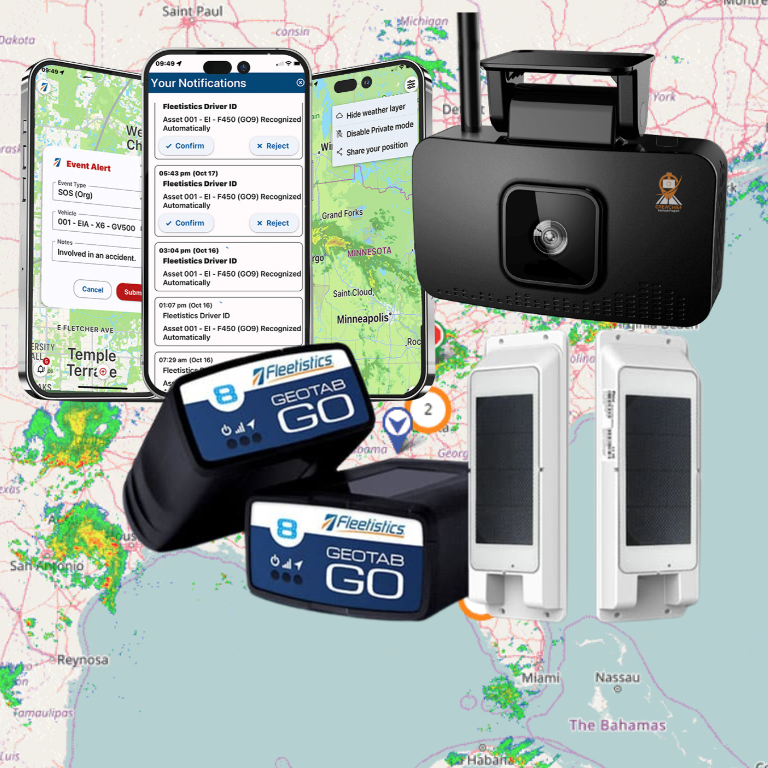
The process begins with a small hardware tool placed in each vehicle. Many of these tools plug right into the port under the dash. This device talks to the Global Positioning System (GPS) in space to find out where the car is. It also reads data from the vehicle’s own engine. This mix of data gives you a full look at how the car is doing.
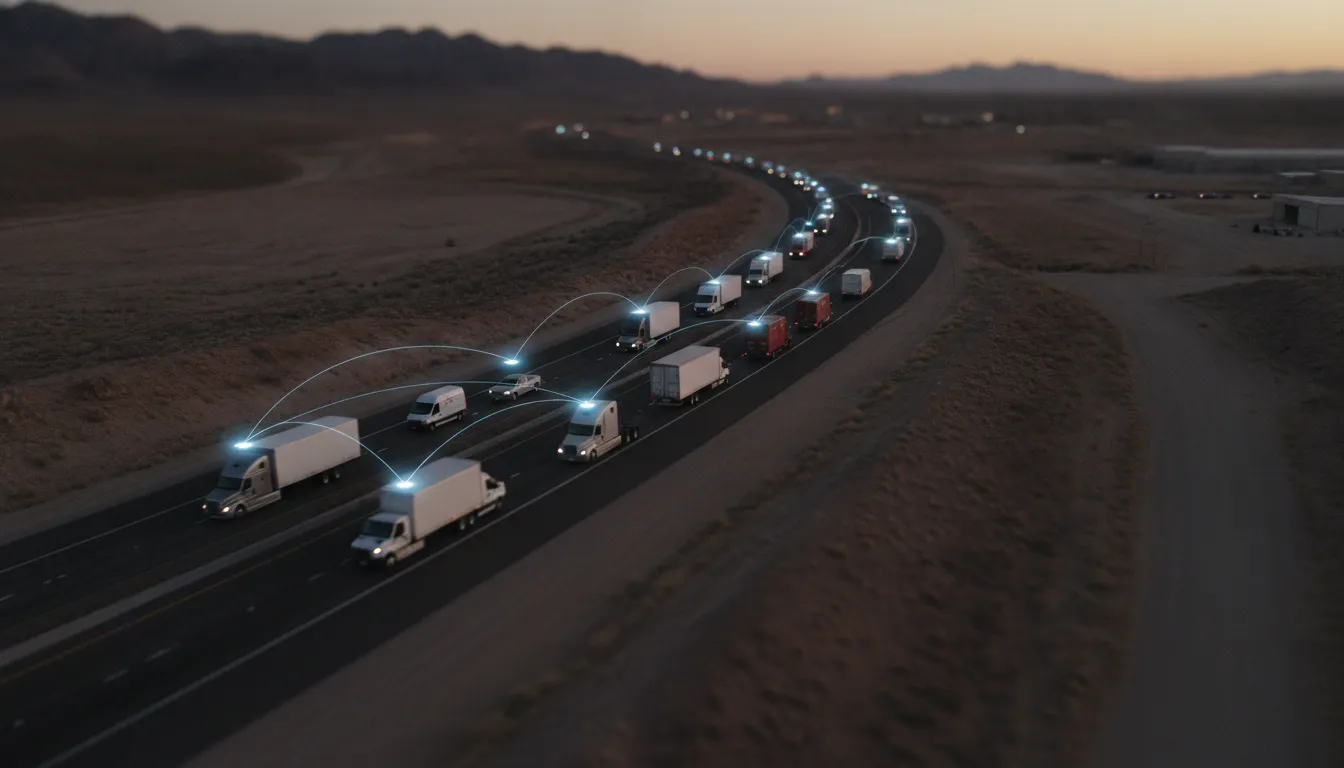
Once the device has the data, it sends it through a cellular link to a secure server. This works much like how a phone sends a text. The server then puts all that data into a web platform or mobile app. Vehicular telematics systems use this loop to monitor the location and health of whole fleets in real time. This means you do not have to call drivers to find out where they are.
The difference between tracking and telematics
Basic tracking just shows you dots on a map. While that is helpful, fleet management services do much more. These systems link with the vehicle’s brain to see things like speed, fuel use, and hard braking. This is called telematics. It is the core of a modern business fleet because it turns simple spots into deep data you can use to save money.
These platforms also help with law rules and safety. For example, modern tools can track charge levels for electric trucks and send alerts for engine repairs. They help with Driver Vehicle Inspection Reports (DVIRs) by making the paperwork digital. This stops errors and keeps your fleet in line with the law. It turns a simple tracker into a full business platform.
Building a data-driven fleet
Using a tracking system is about more than just finding a lost truck. It is about building a fleet that runs on facts. With an open system like the one from Fleetistics, you can link your data with 300 other tools you already use. This lets you see fuel costs, driver hours, and job progress all in one place. It makes your work day smoother and gives you time to focus on growth.
A good system should grow with your needs. You might start with simple location tracking to help with dispatch. Later, you could add AI cameras or tools to plan the best routes. This modular way lets you build the system you need today without paying for things you do not want yet. It is the best way to get a clear view of your business while keeping costs low.
Which GPS tracking hardware fits your fleet?
Choosing the right hardware is a key step when you set up gps fleet tracking for business. The device you pick affects what data you can see and how you install it. Most systems use small tools that plug into a port or wire directly to the battery. These tools send data about speed, place, and engine health in real time.
Plug-in devices for quick setup
Plug-in tools are popular for light vehicles like cars and vans. These devices connect to the on-board diagnostics (OBD) port under the dash. They are easy to move between vehicles, which is helpful if you have a changing fleet. Since they draw power from the port, they do not need separate batteries to work. These systems can track charge levels for battery electric vehicles and hybrids too.
Hardwired tools for heavy equipment
Large trucks and heavy machines often need hardwired devices. These tools are hidden and harder for drivers to remove. They connect directly to the power lines of the machine. This setup is great for assets that do not have a standard port. GPS asset tracking for mobile gear often uses these tough devices to keep them safe from dirt and rain.
Battery and solar options for trailers
Some gear does not have its own power source, like trailers or storage boxes. For these, you can use battery-powered or solar-powered trackers. Solar units charge themselves in the sun and can last for years. They are perfect for long trips where the trailer might be away from a truck for a long time. These tools help you find lost equipment and keep track of when gear is moved without your permission.
| Hardware Type | Best Use Case | Installation | Data Depth |
|---|---|---|---|
| Plug-In (OBD-II) | Cars and light vans | Instant | Full engine data |
| Hardwired | Heavy trucks and equipment | Expert needed | Custom sensor data |
| Battery-Powered | Trailers and containers | Mount and go | Location and movement |
| Solar-Powered | Long-term asset tracking | Mount and go | Solar location pings |
Before you buy, think about your data needs. If you want on-board diagnostics to see engine alerts, a plug-in or hardwired unit is best. If you just need to see where a box is once a day, a simple battery unit works well. Fleetistics consultants can help you pick the best mix of tools for your business goals.
How much does GPS fleet tracking cost?
Pricing for a GPS fleet tracking system often depends on the size of your fleet and the tools you need. Most plans mix up-front costs for gear with monthly fees for software access.
While base services can start at a low price point, businesses should look at the full cost over time. This gives you a clear view of the real cost. A true budget includes gear, data plans, and the labor needed to manage the system.
Up-front gear and software fees
The first part of the cost is usually the gear itself. You will need a device for each vehicle or asset you want to track. Some devices plug into a port, while others may need a more complex setup.
Costs can range from a small fee per unit to a large one-time buy. This depends on the tech level and tools like AI-powered cameras or sensors for fuel levels.
Software fees are the second part of the cost. These are usually charged per vehicle on a monthly or yearly basis. For a basic plan, you can expect to pay a steady fee to access data on the web or through an app.
Fleetistics offers flexible options that can start for less than one dollar per day. This makes it easy to scale as your business grows without big up-front risks.
You may also face extra costs for more high level tools. These include:
- ELD and IFTA tools to stay compliant in heavy trucks.
- AI-powered safety dashcams to track driver habits.
- Asset trackers for gear like trailers that lack a power source.
- Special tools to track charge levels for electric vehicle fleets.
- Mobile apps for team management and digital forms in the field.
Total cost to own the system
Beyond the price tag, you should consider the total cost to own the system. This includes the time spent on setup, training, and support. Some vendors charge for help, but choosing a partner with 24/7 support can save you money. Expert fleet management services often give better value by helping you use data to cut waste.
Linking tools is another factor that impacts the total price. If you want your tracking data to talk to your payroll or repair software, you may need an open platform.
Modern systems use free APIs to link with hundreds of other tools. This avoids the cost of manual data entry. It also helps your team work faster without extra steps or the need for custom code.
ROI test framework
To see if the cost is worth it, businesses use a system to track savings. The biggest wins often come from fuel and repairs. For instance, finding and fixing wasteful driving habits can reduce fuel usage by up to 33 percent over time.
These habits include idling too much, hard braking, and fast starts. Routine repair alerts can also help you save up to 9 percent on fuel.
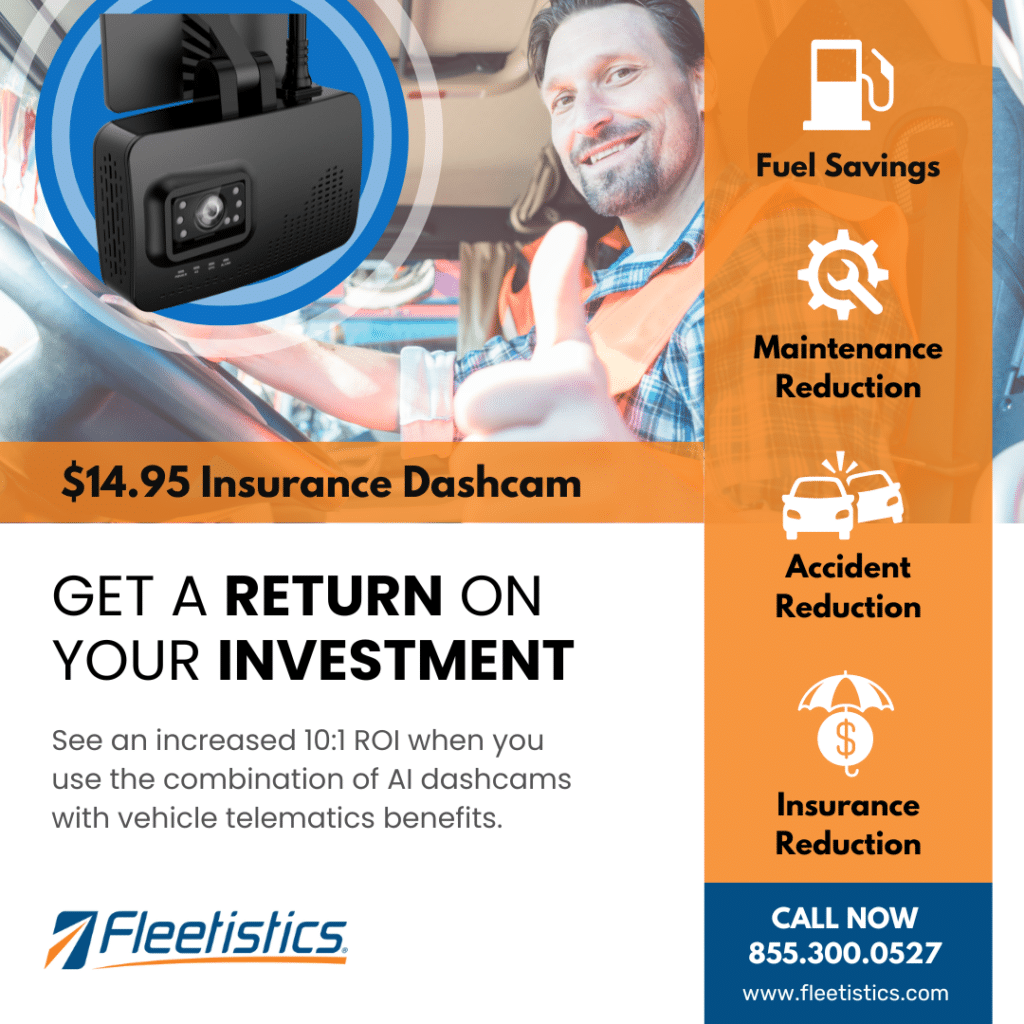
Safety is also a major area to save money. AI dashcams can help lower crash rates by nearly 75 percent in some fleets. Fewer accidents mean lower repair costs and fewer insurance claims.
Many insurance firms even give discounts to fleets that use telematics to lower risk. This helps the system pay for itself through direct savings on bills and by keeping your team safe on the road.
Fleetistics provides a 60-day Solution Evaluation Process to help you prove the value before you commit to a long-term plan. This expert approach lets you measure real-world gains in your own fleet. By tracking key data like idle time and route speed, you can see exactly how gps fleet tracking for business impacts your bottom line.
How to implement GPS tracking across your fleet
Setting up gps fleet tracking for business needs a clear plan. You must move from picking a tool to using it every day. A smooth start helps your team accept the new tech. It also ensures you see a return on your investment fast.
Set goals and talk to your team
Before you buy gear, define what you want to do. Many fleets aim to lower fuel use or improve safety. For example, tracking tools find driving habits that waste fuel. This can cut fuel use by up to 33% in some cases. Clear goals help you choose the right settings for your software.
Honesty is key to building trust with your drivers. Explain how the system works and why you use it. Focus on how it protects them. It can prove they were not at fault in a crash. You should also update your company rules to include how you use the data. This keeps everyone on the same page.
Roll out the tracking system
Follow these steps to get your fleet tracking system up and running. A firm path helps you avoid common mistakes during the setup phase.
- Select your hardware: Pick devices that fit your vehicles. Some plug into a port, while others need a pro to set them up. Use a fleet safety software checklist to help you choose the best tools for your needs.
- Run a pilot test: Start with a small group of vehicles. This lets you test the gear and software without affecting the whole fleet. Use this time to fix any bugs and learn how the data flows.
- Install the devices: Once the pilot ends, put the trackers in the rest of your fleet. Make sure to record which device goes into which vehicle. This step is vital for accurate reports.
- Set up the software: Log in to your dashboard and create accounts for your staff. Set up alerts for things like speeding or long idling. You can also turn on reminders for maintenance to help keep your vehicles in top shape.
- Train your staff: Show your drivers and office staff how to use the system. Drivers should know how the mobile app works. Managers need to know how to read reports and act on the data.
- Measure and adjust: Check your data after the first month. Look for trends that match your original goals. Change your alerts or training if you do not see the results you want.
Check data and improve safety
Once the system is live, focus on the data it gives. You can use reports to find which drivers need more help. This leads to fewer crashes and lower costs for repairs. Using digital records also saves time. It removes the need for manual paperwork like inspection reports. This lets your team focus on more vital tasks.
Keep your drivers involved by sharing wins. If fuel costs go down, let the team know their hard work paid off. Some fleets use games or prizes to reward the safest drivers. This builds a culture of safety that lasts long after the first setup is done.
What should you know about compliance and privacy?
When you use gps fleet tracking for business, you must handle data with care. Most companies use these tools to meet road rules and stay safe. The law often requires records of how long people drive. A good system helps you keep these logs without extra work. It can also help you follow rules for fuel taxes and truck safety checks.
Meeting federal road rules
A top goal for many fleets is meeting the Electronic Logging Device (ELD) rule. This rule helps track driving hours to prevent fatigue. These telematics systems use GPS and engine data to track vehicle status in real time. Using a digital log reduces the chance of errors on paper forms. This makes it easier to pass roadside safety checks and audits.
Meeting laws also covers fuel tax reporting through the International Fuel Tax Agreement (IFTA). The software tracks where your trucks travel and how much fuel they use. It then creates reports that show what you owe each state or province. This saves your office team hours of manual math every month. You can also use tools like Driver Vehicle Inspection Reports (DVIRs) to track truck health.
Digital DVIRs let drivers report issues with a few taps on a phone. The repair team gets the info right away to plan the fix. This keeps your fleet ready for work and within safety laws. It also creates a clear paper trail that shows you care about truck safety. This proof is vital if you ever face a DOT audit or an insurance claim.
Keeping your data safe
Data privacy is a big concern for both owners and drivers. You should have a clear policy on how you use the data you collect. Most systems let you set who can see certain maps or reports. This helps you protect driver privacy while still getting the facts you need. Good fleet safety software should offer strong data protection to keep your records safe.
It is best to tell your team what you track and why. Most drivers find the data helpful if you use it for coaching or safety. You might track things like speed, seat belt use, or hard stops. When drivers know the rules, they are more likely to support the plan. This builds trust and keeps your business running well. Clear rules help prevent many issues with driver buy-in.
Data management is another key part of your privacy plan. You must decide who owns the data and how long you will store it. Some firms keep data for years to help with long-term trends. Others delete it more often to reduce risk. Your provider should help you set these rules based on your exact business needs.
Smart questions to ask
Before you pick a system, ask about their data safety rules. Find out where they store your data and how long they keep it. You should also check if they meet big safety standards like SOC 2 or GDPR. Ask if you own the data or if the vendor does. This ensures you can take your logs with you if you ever change plans.
You also need to know how the vendor helps with audits. A good partner will help you pull reports if an official asks for them. They should also offer updates as new laws come out. This keeps your business safe from fines and legal issues. Choosing a vendor with deep skill helps you stay ahead of these changes.
Lastly, ask about the safety of the hardware itself. You want devices that are hard to mess with or hack. The link between the truck and the cloud must be safe and coded. A safe system protects your business from data leaks. This is just as vital as the rules you follow on the road.
How do you measure GPS fleet tracking ROI?
You need to know if your tech pays for itself. Tracking the ROI of your gps fleet tracking for business helps you see the real value. You should use a simple scorecard to track your progress.
This card looks at more than just cash in and out. It tracks how your team works and stays safe. A good review plan makes sure you keep seeing gains long after you start.
Save on fuel and idle time
Fuel is a huge cost for any fleet. High fuel bills often come from bad routes or too much idling. Modern GPS tools show you fully how much fuel each truck uses.
You can see which drivers leave their trucks running while they are parked. This data gives you a clear path to save money every day.
Research shows that fixing bad driving habits can cut fuel use by up to 33 percent. These ways include hard stops and fast starts. When you see these trends, you can coach your team to do better.
Cutting idle time by even a small amount adds up fast. You should look at your fuel bills from last year as a start point. Then, compare them to your new data each month to track your wins.
Lower safety and insurance costs
A safe fleet is a cheap fleet. Crashes lead to high bills to fix trucks and lost time. GPS tools help you find risky drivers before a wreck happens.
You can track speeding and sharp turns in real time. This data helps you build a team where safety comes first. When drivers know you are watching, they tend to take more care on the road.
Some tools use AI cams to watch the road. These systems can help lower crash rates by nearly 75 percent. When you have fewer wrecks, you pay less for fixes.
Many insurance firms also offer lower rates for firms that use fleet management services. They see the tech as a tool that lowers their own risk. You should ask your agent about these deals to see your direct savings.
Improve care and worker speed
Sudden fixes can stop your work in its tracks. Paper logs are hard to keep and easy to lose. Smart software sends you alerts when a truck needs care.
It uses data from the engine to tell you when to change oil or fix brakes. This means you fix small issues before they become big, costly breakdowns. Good care can boost fuel use by up to 9 percent and helps your trucks stay in service longer.
You should also track how many jobs your team completes each day. Better routes help them reach more stops without working more hours. This leads to happy buyers and better reach times in the field. A solid scorecard should track these key areas:
- Fuel used per mile
- Idle time per truck
- Safety events like speeding
- Maintenance costs and uptime
- Jobs completed per driver
- Team use of the GPS tools
You can use a 60-day trial to see how these small gains turn into big profits. You should hold a review meeting every three months to look at your scorecard.
This keeps your team focused on the goals that drive ROI. Constant review helps you find new ways to use the data to grow your business.
Frequently Asked Questions
How much does gps fleet tracking for business cost?
The cost for GPS tracking changes based on the tools you need. Basic monthly service plans mostly start between $12 and $15 per truck. Hardware costs are usually on their own. The price depends on if you choose easy tools or systems that must be wired in. Some firms offer custom rates based on fleet size. Most firms get their money back fast through fuel savings and lower costs for insurance.
Is it legal to use gps fleet tracking for business vehicles?
Yes, it is legal to track business cars in the United States. Owners of firms have a right to track their own property for safety and work. But firms should be clear with drivers about these tools. Some states have set rules on how to tell staff they are being tracked. It is smart to put these rules in your handbook. This helps keep everyone in the loop and ensures you follow the law.
Can gps fleet tracking for business help with maintenance scheduling?
Yes, tracking tools help you stay on top of truck care. They can read engine data to find issues early. Systems can send alerts when a truck needs an oil change or new tires. Per research, these alerts let you plan repairs in advance. This helps you avoid big breakdowns and saves you money. Keeping trucks in top shape can also boost fuel use by up to 9 percent.
Do I need ELD compliance with gps fleet tracking for business?
Many fleets must follow Electronic Logging Device rules. These rules help track how many hours a driver works to keep them safe. GPS tools can do this work to save time. Per the Umass Fact Sheet, digital records get rid of slow forms like driver logs. This helps your team focus on driving while staying within the law. Most modern tracking systems come with these tools built in.
Ready to book your fleet tracking consultation with us today?
Every day you wait to set up a new tracking system, your business loses money to high fuel waste, long idle times, and poor routes. Without the right data, you cannot see where your trucks are or how your drivers act while they are out on the road. This lack of sight makes it hard to keep your team safe, meet road rules, and grow your bottom line in a tough market. The longer you delay, the more you leave your fleet at risk and your profits on the table.
Ready to book a fleet tracking consultation? Call 855.300.0527 to speak with a pro consultant today and stop losing money to waste.