

Filing fuel tax reports by hand leads to math errors that trigger expensive state audits. To avoid fees, you must maintain correct records for both IFTA and ELD compliance for fleet operators.
Knowing how to file ifta quarterly fuel tax involves tracking all fleet miles and fuel purchases for your qualified vehicles. You must report these totals to your home state or province under the International Fuel Tax Agreement (IFTA), which simplifies fuel tax compliance across North America. According to the California Department of Tax and Fee Administration, you must submit this return even if your fleet did not operate during the period. Managing these paper files by hand is slow, takes valuable time, and often leads to costly math mistakes on your reports. Using GPS tracking helps you automate these records so you can file on time, avoid expensive late fees, and protect your business.
This guide shows you how to manage your quarterly filings without the stress. First, you must understand the basics of this tax system and see if your trucks are required to participate. We will cover what IFTA is and which fleets must file, the quarterly deadlines, and the exact steps to calculate and submit your return.
Request a free IFTA fleet compliance consultation
What Is IFTA and Which Fleets Must File?
What is IFTA and how does it work? The International Fuel Tax Agreement (IFTA) is an agreement among U.S. states and Canadian provinces to make fuel use tax reporting simple. Before this pact, trucks that crossed state lines had to buy tax permits for every state they entered. Now, fleets only file one tax return to their own state or province each quarter.
The base jurisdiction concept
To file under this pact, you must sign up in your base jurisdiction. Your base jurisdiction is the state or province where your qualified motor vehicles are licensed and where you file your tax returns. This office handles your records and splits the tax money among all the states where your vehicles traveled. This helps your fleet follow the law without sending checks to many different government offices.
Qualified motor vehicle rules
Not every truck in your fleet needs an IFTA license. Only those that meet the rules for a qualified motor vehicle must report fuel taxes. Vehicles that fall below these weights are non-qualified and do not need IFTA reporting. Smaller delivery vans and service trucks do not need to register.
Under the agreement rules, a vehicle is qualified if it travels across state lines and meets one of these standards:
- It has two axles and a gross weight or registered weight that is more than 26,000 pounds.
- It has three or more axles, no matter how much the vehicle weighs.
- It is used in a combination of vehicles, and the total weight is more than 26,000 pounds.
Managing these rules can be complex for growing businesses. Many fleets use GPS tracking and telematics to track miles and fuel use. This tracking software ensures correct logs during audits. This data also helps with other fleet needs, such as tracking ELD compliance for fleet operators.
Exemptions for recreational vehicles
The fuel tax pact excludes some heavy vehicles from reporting. For example, recreational vehicles like motor homes or pickups with campers are exempt if you use them only for personal pleasure. But if you use the vehicle for a business, it is not recreational. You must then track its fuel and file quarterly tax returns like any other truck.
IFTA Quarterly Filing Deadlines and Penalties for Late Filing
You must keep a close eye on the calendar when you file fuel taxes. Missing a deadline leads to high costs and extra stress. If you operate qualified vehicles, you must submit a tax return four times a year. This simple task keeps your fleet in good standing.
Quarterly filing dates
The tax year is split into four equal parts. Each part has a strict due date on the last day of the next month. Your tax reports must be sent by these dates to avoid fees. According to the Virginia DMV, your IFTA quarterly returns are due on April 30, July 31, October 31, and January 31.
Sometimes a filing date lands on a weekend or a legal holiday. In these cases, you get a small break. The IFTA filing deadline is extended to the next business day. Even so, you should always try to file early to prevent mistakes.
These dates are the same for all member states and provinces. You only file one return for your entire fleet. This single form covers all the miles your trucks traveled in every area. Keeping good fuel logs during the quarter makes this job much easier.
| Quarter | Reporting Period | IFTA Due Date |
|---|---|---|
| Quarter 1 (Q1) | January 1 – March 31 | April 30. |
| Quarter 2 (Q2) | April 1 – June 30 | July 31. |
| Quarter 3 (Q3) | July 1 – September 30 | October 31. |
| Quarter 4 (Q4) | October 1 – December 31 | January 31. |
Late fees and penalties
What happens if you miss a due date? The costs start to add up fast. Under Texas law, the penalty for late IFTA filing is $50 or 10 percent of the tax you owe, whichever amount is greater. You must pay this fine even if your report is only one day late.
Fines are just the first step in a late filing. The state will also charge monthly interest on any unpaid fuel tax. If you ignore these past bills, the state can suspend your IFTA license. This stop can pull your entire fleet off the road.
If your license is cut off, you cannot operate. To get your permit back, you must pay all tax debt, penalties, and interest. You will also have to pay a $50 fee to reinstate your suspended IFTA permit. Using tools like ELD compliance for fleet operators helps you gather the exact miles you need to file on time.
Do not let late returns disrupt your daily work. Running a business takes a lot of care, and a suspended license can ruin your plans. Setting up simple alerts or calendar alarms is a smart way to keep your fleet safe. When you stay on top of these deadlines, you protect your profits.
How to File IFTA Quarterly Fuel Tax Step by Step
Filing fuel taxes does not have to be hard. If you know the right steps, you can finish your return fast. This guide walks you through the whole filing process. You will learn how to get your fleet records and file them on time.
Getting your fleet data ready
Before you log in to any tax portal, you must gather your fleet data. You will need to check your mileage logs and fuel receipts for the past quarter. Modern electronic logs simplify how you track miles and fuel. This tracking is a big part of ELD compliance for fleet operators. Gathering this data early prevents last-minute stress and errors.
Many fleets find that manual entry takes too much time. Drivers often lose paper receipts or forget to log their miles. This can lead to costly errors on your quarterly tax return. Using a digital solution can help you avoid these mistakes.
You must keep track of all miles driven by every qualified motor vehicle. You also need to track every gallon or liter of fuel you buy. This data must be correct. If you have gaps in your logs, you could face an audit from your state tax office.
The online filing process
Once you have all your fleet records, you are ready to file. Most states use online systems to make this easy. Follow these six steps to calculate and submit your return.
- Find your base jurisdiction. You must file your return with the state or province where your fleet is licensed and managed. This is your base jurisdiction, as outlined in the California Department of Tax and Fee Administration tax return instructions.
- Gather mileage data. You need to find the total miles driven during the quarter. This includes both taxable and nontaxable miles traveled by every qualified vehicle in your fleet.
- Compile fuel purchases. You must find the total gallons or liters of fuel bought during the quarter. This refers to the fuel placed in the tank of every qualified vehicle in your fleet.
- Combine your data into one return. You do not need to file a form for each state. You only file one combined quarterly return for your whole fleet, covering all member jurisdictions.
- Use your local e-filing portal. Log into your state or province tax portal. Many offices use systems like the Virginia DMV online tax system. These online tools will find your tax once you enter your fuel and mile numbers.
- Submit your return even with no driving. You must file on time even if you did not drive any miles this quarter. Under Virginia DMV tax rules, you must file even if you do not receive the blank form.
After you file, you must save all your logs and receipts. IFTA rules require you to keep these records for four years. If you are audited, you must show these papers to prove your numbers are correct.
How Fleet GPS Tracking Automates IFTA Mileage Reporting
Filing fuel tax requires precise numbers. If you still use paper logs to track your trucks, you face a heavy burden. Every mile and fuel receipt must match up.
Making a small error can lead to costly fines or audits. Many fleet managers spend days trying to fix errors before deadlines. This is where modern telematics can help.
The challenge of manual records
To stay compliant, you must track and report trips across all member jurisdictions. Under state rules, keeping exact records of miles and fuel is critical for compliance. You must file one report for your whole fleet each quarter.
Drivers must write down odometer readings at every border. Doing this by hand is slow and error-prone. Missing a single trip sheet can ruin your quarterly tax reports and lead to fines. These errors can lead to audit flags and costly fines.
Automated GPS mileage tracking
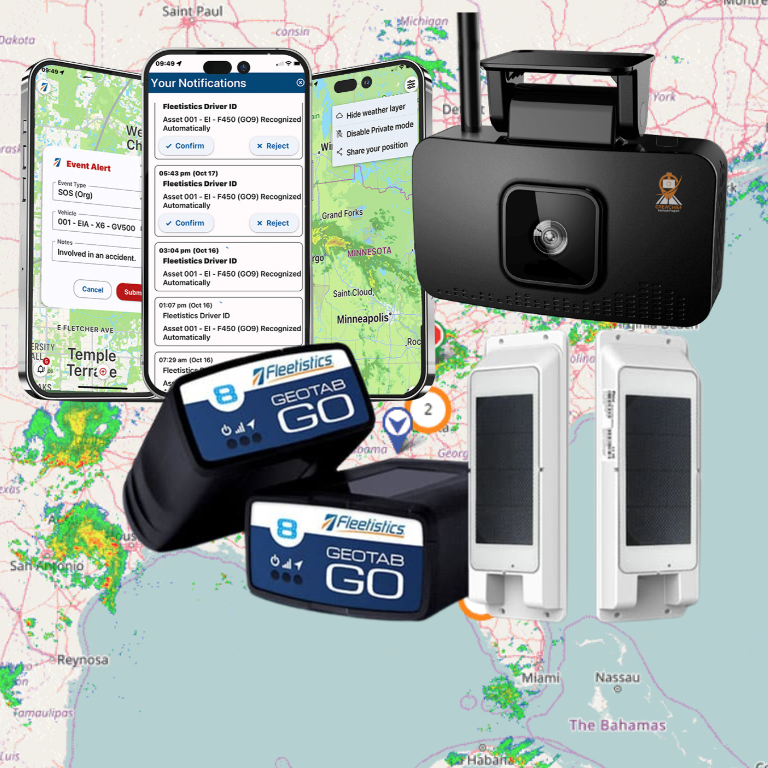
GPS tracking units remove the guesswork. When a vehicle crosses a state line, the GPS unit logs the exact spot and time. Instead of trusting drivers to log miles, the system tracks every trip in real time. This gives you precise and sound distance data.
A secure dashboard helps you track fuel consumption for IFTA reporting across all vehicles. The software groups the mileage data by state on its own. This ensures you know exactly how many miles were traveled in each area. This system saves hours of office work and cuts down on stressful paperwork.

Audit-ready fuel and distance data
Using GPS data also prepares your business for future state audits. Audits can hit any fleet at any time. When audited, you must show clean, dated logs. Automated GPS records from Fleetistics provide the solid, clear proof that auditors look for.
Fleetistics uses the Geotab platform to send this data. As a Gold Geotab reseller, Fleetistics serves as your advocate. We do not just sell software and walk away. We help you set up systems and ensure your data is correct.
You can also use a driver-managed tax reporting tool to make fuel tracking even easier. This mobile app lets drivers snap pictures of fuel receipts while on the road. The system links these receipts right to the mileage records. This prevents lost paperwork and keeps your team compliant.
Common IFTA Audit Triggers and How to Avoid Them
Filing your tax return is just the first step in compliance. If your data does not look right, you may face a costly state audit. Under IFTA rules, state offices check fleet logs for errors. To keep your business safe, you must know what triggers an audit and how to avoid them.
What Causes an IFTA Audit?
Most audits start with simple mistakes in your quarterly reports. State tax offices look for gaps between your reported miles and actual operations. Under the rules, one quarterly return must cover all fleet miles in all member jurisdictions. If you omit a vehicle or leave out a state, the agency will flag your return.
Another major trigger is leaving out crucial data points. Your quarterly return must report both total miles and total fuel used, including both taxable and non-taxable travel. But total fuel also means every gallon or liter put into their tanks. If you leave these numbers blank or guess, you will face a swift audit.

How to Keep Audit-Ready Fleet Records
To avoid audits, your business must keep complete, accurate logs of all trips. Accurate distance and fuel records are critical for compliance, and a single missing receipt can fail a manual audit. While small fleets with under 5,000 miles in a 12-month period may file annually, most fleets must file quarterly. For these larger fleets, using automated tools is the only way to stay safe.
Using GPS tracking is the best way to keep your logs safe. Automated tracking tools allow you to track fuel consumption for IFTA reporting without manual paperwork. This tech removes human error and makes sure your math is correct. Drivers can also use a driver-managed tax reporting tool to log fuel purchases on the road.
These automated systems make it much easier to learn how to file ifta quarterly fuel tax without errors. For complete peace of mind, you should combine automated logs with strong ELD compliance for fleet operators. Verifiable records are your best defense against audits, and they keep your business moving forward. Accurate logs protect your cash flow and keep your trucks on the road.
Contact Fleetistics to book a free IFTA and fleet compliance consultation
Frequently Asked Questions
When are IFTA quarterly fuel tax filings due?
You must file your tax returns four times a year. The due dates are April 30, July 31, October 31, and January 31. According to the Virginia DMV, if a due date falls on a weekend or a holiday, you get until the next business day to file. You must send your report on time to keep your license in good standing.
What happens if I file my IFTA report late?
Filing your tax report late leads to penalties and interest. Under rules posted by the Texas Comptroller, the late fee is fifty dollars or ten percent of your tax bill, whichever is greater. If you do not pay, your base state can suspend your license. You must then pay fifty dollars to reinstate it.
Do I need to file an IFTA report if I had no miles?
Yes, you must file a tax return even if you did not drive any miles in the quarter. This is often called a zero report. According to the California CDTFA, you must submit a report whether or not you receive the paper form. Failing to file can result in a late fee.
How do I file my IFTA return online?
Most states and provinces have secure portals for online tax filing. To file your return, you must log in to your home state portal and type in your total miles and fuel use. According to the Virginia DMV, electronic systems then calculate how much tax you owe. GPS tracking software makes this step easy by logging your miles.
Ready to Simplify Your Fleet’s IFTA Quarterly Fuel Tax Filing?
Filing your quarterly fuel taxes late or making mistakes on your tax returns can lead to costly audits, license suspension, or heavy penalty fees. If you wait until the last minute to collect your vehicle logs, your team will waste days on manual paperwork and slow down your work. You can protect your business and improve your bottom line by setting up our simple GPS tracking platform to manage your mileage records starting today.
Ready to get started? Our team will guide you through a simple 60-day Solution Evaluation Process to make sure your vehicles are set up for success. Contact Fleetistics to book a free IFTA and fleet compliance consultation, or call (855) 300-0527 to protect your fleet today.