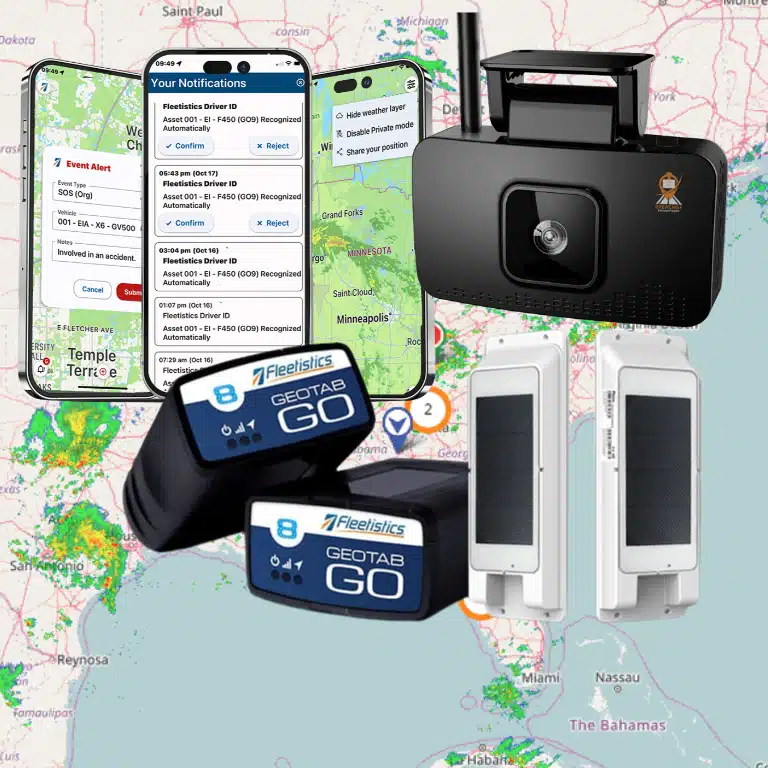

You might think GPS tracking is only for massive corporations with hundreds of trucks, or that it’s just a simple anti-theft device. These common myths can cost your business money. Believing them means you could be missing out on significant savings and powerful management tools, no matter the size of your fleet. A modern tracking system does so much more than just locate a stolen vehicle; it helps you coach safer drivers, slash fuel waste from idling, and provide customers with accurate arrival times. Finding the Best GPS tracking system starts with separating fact from fiction. In this guide, we’ll debunk the biggest misconceptions and show you how this technology can become an indispensable asset for your daily operations.
Key Takeaways
- Choose the right tool for the job: While personal trackers are fine for finding lost items, a business fleet needs a professional-grade system. Fleet trackers are built for durability and offer essential features like driver analytics, route optimization, and maintenance alerts that go far beyond a simple dot on a map.
- Look at the complete price, not just the hardware: The true cost of a GPS system includes the device and a recurring subscription that covers data and software access. When comparing options, ask about the total cost of ownership, including any activation or cancellation fees, to find a transparent plan that fits your budget.
- Turn data into action, legally and ethically: A tracker’s real power is using its data to coach safer driving, create efficient routes, and automate maintenance. To do this effectively, establish a clear, written tracking policy and communicate it to your team to build trust and ensure you are compliant with all regulations.
What Defines a “Best-in-Class” GPS Tracker?
When you start looking at GPS trackers, you’ll quickly realize they aren’t all the same. The market is filled with options, from simple personal devices to sophisticated fleet management systems. So, what separates a basic tracker from a truly “best-in-class” solution for your business? It comes down to a handful of key characteristics that directly impact reliability, usability, and the value you get from your investment.
A top-tier tracker is more than just a dot on a map. It’s a powerful tool that delivers precise, real-time data through a reliable connection. It’s powered in a way that suits your specific vehicles or assets, and it offers features that go far beyond simple location pings. Understanding these core components will help you cut through the noise and identify a system that provides actionable insights, improves safety, and protects your bottom line. Let’s break down exactly what you should be looking for.
Demand Pinpoint Accuracy and Real-Time Updates
The first thing to check is how quickly and accurately a tracker reports its location. “Real-time” can mean different things to different providers. While many trackers update every 15 to 60 seconds, premium devices can refresh as often as every 5 to 10 seconds. For a fleet in motion, that faster update rate provides a much clearer and more accurate picture of vehicle activity, stops, and routes. You should also look for a system that sends instant alerts for key events. These notifications for things like a vehicle starting, moving after hours, exceeding a speed limit, or idling for too long are what turn raw location data into a powerful management tool.
Choose the Right Power Source: Hardwired, OBD-II, or Battery
How a GPS tracker gets its power is a critical decision that affects installation, discretion, and reliability. There are three main options:
- Hardwired: These trackers are connected directly to the vehicle’s electrical system. They are the most reliable and discreet option since they are hidden from view and never need charging. This is the standard for professional fleet management.
- OBD-II: These devices plug directly into the On-Board Diagnostics port found on most vehicles made after 1996. They are incredibly easy to install but are also easy to see and unplug.
- Battery-Powered: Perfect for assets without a constant power source, like trailers or equipment, these trackers run on long-life batteries. The trade-off is that they eventually need to be recharged or replaced.
Decide on Connectivity: Cellular vs. Satellite
A GPS tracker determines its location using satellites, but it uses a cellular network to send that information back to you. That’s why most trackers require a data subscription. Make sure any device you consider uses a modern 4G LTE network, which ensures reliable and fast communication across broad coverage areas. If your fleet operates in extremely remote locations with no cell service, you may need a satellite-based tracker. While more expensive, satellite connectivity is the only option for true off-grid tracking. For most businesses, a robust cellular plan is the right choice, so always verify the provider’s coverage map matches your service areas.
Go Beyond Location with Geofencing, Alerts, and Driver Monitoring
The best GPS tracking systems do much more than report a vehicle’s location. They offer a suite of tools that help you manage your fleet more effectively. Geofencing is a standout feature, allowing you to create virtual boundaries around job sites, customer locations, or restricted areas. You can then receive an alert whenever a vehicle enters or leaves a designated zone. Paired with advanced driver monitoring from AI-powered dashcams, you can also get alerts for harsh braking, rapid acceleration, and sharp cornering. These features are essential for improving driver safety, verifying service calls, and preventing unauthorized vehicle use.
Understand the True Cost: Subscriptions, Devices, and Hidden Fees
Finally, it’s important to understand the complete pricing structure. The price of the tracker itself is just the beginning. Because these devices use cellular data to transmit information, nearly all real-time trackers require a monthly subscription fee. This fee typically covers the data plan and access to the software platform where you view your fleet’s activity. When comparing options, ask about the total cost of ownership. Watch out for hidden costs like activation fees, long-term contracts with steep cancellation penalties, or extra charges for premium features. A great fleet management platform should be intuitive, reliable, and included in a transparent pricing plan.
Choosing the Best GPS Tracker for Your Needs
The “best” GPS tracker isn’t a one-size-fits-all device. The right choice depends entirely on what you need to track and why. A system designed to monitor a commercial fleet has vastly different features than a simple tag you toss in your luggage. Understanding your specific goals is the first step to finding a solution that delivers real value, whether you’re managing a team of drivers, protecting expensive equipment, or just keeping an eye on your personal car. By breaking it down by use case, you can zero in on the features that matter most to you.
For Fleet Vehicles
When you’re managing a fleet, you need more than a dot on a map. The best GPS systems for fleet vehicles provide a comprehensive overview of your entire operation. Look for trackers that integrate with a robust fleet management platform, allowing you to see every vehicle in real time. These systems go beyond location to offer critical data on driver behavior, such as harsh braking, rapid acceleration, and speeding. This information is invaluable for coaching safer driving habits and reducing wear and tear. Detailed trip histories, idling reports, and fuel consumption analytics also help you identify inefficiencies and cut operational costs, turning your tracking system into a powerful business tool.
For Assets and Equipment
Tracking valuable assets like trailers, containers, or heavy machinery presents a unique set of challenges. These items often don’t have their own power source and may sit idle for long periods. For this reason, you’ll want a GPS tracker with a long-lasting battery and a durable, weatherproof casing that can withstand harsh conditions. Discreet placement is also key for theft prevention and recovery. The ideal asset tracker reports its location at set intervals, like once or twice a day, to conserve power but can be switched to a more frequent tracking mode if an asset is reported stolen. This gives you peace of mind knowing your valuable equipment is protected.
For Personal Use
For personal use, like keeping tabs on your own car or a new teen driver, simplicity and ease of use are the main priorities. Many personal trackers are plug-and-play devices that connect to your car’s OBD-II port in seconds. According to a review by Car and Driver, top consumer devices offer user-friendly mobile apps with helpful alerts for things like impact detection, geofence boundaries (like arriving at school), or curfew violations. For simply finding a lost item, even simpler trackers like an Apple AirTag can do the trick without any monthly fees. While great for individual needs, these trackers lack the deep analytics and multi-vehicle management capabilities required for business operations.
Breaking Down GPS Tracker Pricing
Figuring out the cost of a GPS tracking system can feel a bit like assembling a puzzle. The price isn’t just a single number; it’s a combination of the hardware itself and the ongoing service that makes it work. For your business, understanding this breakdown is the key to finding a solution that fits your budget without sacrificing the features you need to manage your fleet effectively. Many business owners get stuck here, comparing apples to oranges because different providers structure their pricing in unique ways.
Think of it this way: you have the upfront cost for the physical device that goes in your vehicle, and then you have a recurring subscription fee that gives you access to the real-time tracking data and software platform. Some providers might offer “free” hardware but lock you into a long, expensive contract. Others might have a higher device cost but a lower monthly fee. We’ll walk through each piece so you can see the full picture and avoid any surprises down the road. Making a smart investment starts with knowing exactly what you’re paying for and the value you’re getting in return.
The Upfront Cost of the Device
The first expense you’ll encounter is the hardware itself. For basic consumer trackers you might find online, this cost can be quite low, sometimes around $39 per device. While tempting, these trackers are typically designed for personal use, like keeping tabs on a backpack or a single car.
For a business fleet, you need something more durable and reliable. Professional-grade hardware is built to withstand the daily demands of commercial use, from constant vibrations to extreme temperatures. These devices often have more powerful antennas for better accuracy and may include inputs for connecting to other vehicle systems or sensors. While the initial investment might be higher than a consumer gadget, you’re paying for longevity, reliability, and features that are essential for managing a fleet.
What Do Monthly Subscription Fees Include?
Most real-time GPS trackers require a monthly subscription because they use cellular networks to send location data back to you, just like your smartphone. For consumer devices, these fees can range from about $6 to $25 per month. This fee typically covers the cost of the cellular data plan, access to the software platform where you view your vehicles, data storage, and customer support.
The price often changes based on how frequently the tracker updates its location. A device that pings every 30 seconds will usually cost more per month than one that updates every five minutes. The subscription tier also determines which features you can use, such as geofencing, speed alerts, or detailed reporting. When you compare different platforms, you’ll see how these features are bundled into various service plans.
Are No-Subscription GPS Trackers Worth It?
You’ve probably seen trackers advertised with “no monthly fees.” These are usually Bluetooth-based trackers, like an Apple AirTag, that rely on a nearby network of other devices to report their location. You buy the device once, and that’s it. They are fantastic for finding your keys or locating a misplaced suitcase at the airport.
However, for tracking a fleet of vehicles, they fall short. Their reliance on a crowd-sourced network means you won’t get the consistent, real-time updates you need for professional operations. They can’t provide the rich data that a true fleet management system offers, such as driver behavior analytics, engine diagnostics, or route history. While the one-time cost is appealing, these devices simply aren’t built for the demands of business fleet management.
Watch Out for These Hidden Costs
When you’re comparing pricing, the sticker price isn’t always the final price. Some providers have hidden costs that can catch you by surprise. Be sure to ask about activation fees for setting up new devices or cancellation fees if you’re locked into a long-term contract you need to end early.
Also, look closely at what the subscription includes. A low monthly fee might mean you have limited access to your own data history or that you have to pay extra for reports. Some companies will advertise a base price but charge more for essential features like alerts or after-hours support. The best approach is to find a provider that offers transparent, comprehensive fleet management solutions so you know exactly what you’re getting from day one. Always ask for a detailed quote that lists every feature and fee.
Why Businesses Need More Than a Personal Tracker
If you’re running a business with vehicles on the road, you might be tempted to grab a cheap personal GPS tracker from an online marketplace and call it a day. While that might help you find a stolen car, it’s like using a simple calculator when you really need a full accounting software suite. A personal tracker gives you a dot on a map; a professional fleet management solution gives you the tools to run a safer, more efficient, and more profitable operation. It’s the difference between seeing a problem after it happens and preventing it from happening in the first place.
Think of it this way: a personal tracker is reactive, but a fleet system is proactive. It’s not just about knowing where your vehicles are right now. It’s about understanding how they’re being used, identifying opportunities for improvement, and protecting your assets, your drivers, and your brand reputation. Investing in a system designed for commercial use moves you from simply monitoring to actively managing your entire fleet. This is a fundamental shift that provides a clear return on investment by cutting fuel costs, improving productivity, and reducing risk. The right fleet management solutions don’t just track vehicles; they drive smarter business decisions.
Invest in Fleet-Grade Features
When you manage a fleet, you need equipment that can keep up with the daily grind. Personal trackers are designed for casual use, but fleet-grade devices are built for the demands of a commercial environment. They are more durable, more reliable, and offer consistent performance through vibrations and temperature changes. Most importantly, professional systems operate on robust cellular networks with subscriptions that ensure you have real-time coverage wherever your vehicles go. This isn’t just an extra fee; it’s the engine that powers the constant, reliable communication between your vehicles and your office, something a basic consumer device simply can’t guarantee for business-critical operations.
Protect Your Fleet with AI Dashcams and Driver Monitoring
A dot on a map doesn’t tell you the whole story. Was that sudden stop to avoid an accident or the result of distracted driving? This is where professional systems truly shine. By integrating AI-powered dashcams, you get the full context behind every event on the road. These smart systems can automatically detect and flag risky behaviors like harsh braking, rapid acceleration, and phone use, sending you immediate alerts. This allows you to provide targeted coaching to your drivers, creating a stronger safety culture and reducing your liability. It’s about protecting your team and your business with clear, objective video evidence when you need it most.
Leverage Historical Data and Trip Analytics
A professional GPS tracking system is a powerful data-gathering tool. It doesn’t just show you a vehicle’s current location; it records detailed trip histories, including routes taken, stop durations, idle times, and speed patterns. You can use this historical data to generate insightful reports and analyze trends over time. Are certain routes consistently taking longer than they should? Are vehicles idling for excessive amounts of time and wasting fuel? By digging into these analytics, you can uncover hidden inefficiencies in your daily workflow and make data-driven decisions to improve your operations and reduce costs across the board.
Streamline Operations with Route Optimization
One of the biggest advantages of a fleet management system is the ability to streamline your daily schedules. Instead of having drivers figure out their paths on the fly, route optimization software can plan the most efficient multi-stop routes for your entire fleet in seconds. It considers factors like traffic, delivery windows, and vehicle capacity to save you significant time, fuel, and money. This means your drivers can complete more jobs in a day, your customers get more reliable and predictable service, and your vehicles experience less wear and tear. It’s a feature that directly contributes to higher productivity and greater customer satisfaction.
Integrate with Your Fleet Management Platform
A standalone tracker gives you one piece of the puzzle, but a true fleet solution brings all the pieces together in a single, integrated platform. From one central dashboard, you can see vehicle locations, driver safety scores, maintenance schedules, and compliance data. This holistic view is critical for effective management. Furthermore, the best systems offer free APIs that allow you to share this data with other business software you already use, like your accounting or dispatch programs. This integration eliminates redundant manual data entry and ensures all your business tools are working together seamlessly, creating a more efficient and connected operation.
Stay Ahead of Repairs with Maintenance Alerts
Unexpected vehicle downtime can bring your operations to a grinding halt, costing you revenue and frustrating customers. Professional GPS trackers help you stay ahead of repairs by monitoring vehicle health. By connecting to the vehicle’s onboard diagnostics (OBD-II) port, the system can track mileage, engine hours, and diagnostic trouble codes. You can then set up automated alerts for routine maintenance like oil changes and tire rotations, ensuring your vehicles are serviced on time. This proactive approach prevents costly emergency breakdowns, extends the life of your valuable assets, and keeps your fleet on the road where it belongs.
5 GPS Tracking Myths That Could Cost You
When you’re running a business, every decision matters. Choosing the right technology can make a world of difference, but sometimes, common misconceptions can hold you back from finding the best tools for the job. This is especially true with GPS tracking. Believing outdated or inaccurate information about how these systems work can lead you to miss out on major savings in fuel, maintenance, and insurance costs. Even worse, it could leave your fleet vulnerable to theft and inefficiency.
Let’s clear the air and tackle five of the most common myths about GPS tracking. We’ll look at everything from where they work and who they’re for, to how they affect your vehicles and what they can actually do for your business. By separating fact from fiction, you can make a more informed choice and find the right fleet management solutions that will protect your assets, support your drivers, and help your business grow. Getting this right means you stop leaving money on the table and start making smarter, data-driven decisions for your entire operation.
Myth #1: “GPS trackers work absolutely everywhere.”
It’s easy to assume that a GPS tracker can pinpoint a vehicle’s location no matter where it is, but that’s not quite the full picture. Most GPS tracking devices rely on 4G LTE cellular networks to transmit location data back to your dashboard. This works perfectly in most cities and towns, but if your vehicles operate in very remote areas with spotty or nonexistent cell service, a standard tracker might not be able to send real-time updates.
For fleets that travel through deserts, mountains, or rural dead zones, a satellite-based tracker is a more reliable option. While these tend to have higher hardware and subscription costs, they provide coverage where cellular networks can’t. Understanding your fleet’s typical routes is key to choosing from different tracking platforms and ensuring you have the right coverage.
Myth #2: “GPS tracking is only for huge fleets.”
This is one of the biggest misconceptions out there. You don’t need a fleet of hundreds of trucks to see a return on investment from GPS tracking. In fact, the benefits are just as impactful for small businesses, sometimes even more so. For a small fleet, the loss of a single vehicle to theft or a major repair from poor driving habits can be a huge financial blow.
GPS tracking provides security and peace of mind for any business with vehicles on the road. It helps you hold drivers accountable, find more efficient routes to save on fuel, and provide customers with accurate arrival times. Whether you have two vans or two hundred, tracking technology is a scalable tool that helps you manage your assets effectively and operate more professionally.
Myth #3: “A GPS tracker will drain my vehicle’s battery.”
The thought of a dead battery leaving a driver stranded is a valid concern, but with modern GPS trackers, it’s an unlikely scenario. Reputable, professional-grade devices are designed with energy efficiency in mind. They often feature a “sleep mode” that automatically activates when the vehicle’s ignition is off. In this low-power state, the tracker draws a tiny amount of energy, just enough to wake up if the vehicle is moved but not enough to drain a healthy battery.
This is a key difference between a cheap, consumer-grade gadget and a robust fleet management device. When you invest in a quality system, you can trust that the hardware is built for professional use and won’t interfere with your vehicle’s basic functions or reliability.
Myth #4: “Tracking is only good for theft recovery.”
While recovering a stolen vehicle is a powerful benefit of GPS tracking, it’s just the tip of the iceberg. Thinking of a tracker as only an anti-theft device means you’re missing out on its most valuable features for day-to-day operations. A comprehensive tracking system is a powerful management tool that gives you deep insights into your fleet’s performance.
You can monitor driving habits like speeding, harsh braking, and excessive idling to coach safer, more fuel-efficient behaviors. Many systems integrate with AI-powered dashcams to provide video evidence and protect your drivers from false claims. You can also use the data to optimize routes, verify timesheets, and automate maintenance schedules. It’s about managing your entire mobile operation, not just finding a lost asset.
Myth #5: “All GPS trackers are difficult to install.”
If you’re picturing a complicated installation that requires a mechanic and hours of vehicle downtime, you’ll be pleasantly surprised. While some hardwired trackers do require a professional installation for a more tamper-proof setup, many modern devices are incredibly easy to install yourself. The most popular option is the OBD-II plug-in tracker.
Found in most vehicles manufactured after 1996, the OBD-II port is usually located under the dashboard. You simply plug the device into the port, and it starts working immediately, drawing power directly from the vehicle. The entire process takes less than a minute and requires no tools. This simple, plug-and-play approach makes it easy to get your fleet up and running with GPS tracking without any hassle.
Staying Compliant: The Legal Side of GPS Tracking
GPS tracking is an incredible tool for managing your fleet, but it’s important to handle it responsibly. The laws around tracking can feel a bit tangled, but they generally come down to a few key principles: transparency with your team, respecting privacy, and knowing the specific rules for your area. Getting this right from the start protects your business, builds trust with your drivers, and ensures you’re using your fleet management solutions effectively and ethically. Let’s walk through what you need to know to stay on the right side of the law.
Know the Rules for Tracking Company Vehicles
When it comes to vehicles your company owns, you generally have the right to install and use GPS trackers. After all, they are company assets you need to protect and manage. The most important step is to be completely transparent with your employees. Create a clear, written policy that explains you are using tracking devices, what data you’re collecting, and how you’re using it to improve safety and efficiency. According to legal experts, having a formal policy that employees acknowledge is the best way to avoid misunderstandings and potential privacy disputes. This simple act of communication builds trust and reinforces that the goal is to support the team, not just watch them.
Understand the Laws on Tracking Personal Vehicles
Tracking an employee’s personal vehicle is a different story and requires much more care. This often comes up in “bring your own device” (BYOD) situations where employees use their own cars for work duties. The key here is consent. You must get clear, explicit permission from the employee before placing a tracker on their personal vehicle. Without it, you could run into serious legal trouble related to privacy rights. The American Civil Liberties Union (ACLU) emphasizes that tracking a personal vehicle without the owner’s consent is a major legal risk. Always get it in writing and be clear about when the tracking will be active, for instance, only during work hours.
Be Aware of State-by-State Differences
GPS tracking laws aren’t the same everywhere; they can change quite a bit from one state to another. For example, states like California and Texas have very specific rules about electronic monitoring of employees and vehicles. Some states might require consent from everyone in the vehicle, while others may have different standards. Because your fleet might cross state lines, it’s crucial to understand the regulations in every state where you operate. The National Conference of State Legislatures maintains a helpful overview of state laws on GPS tracking. Still, it’s always a smart move to consult with a legal professional to ensure your company’s tracking policy is fully compliant everywhere you do business.
Frequently Asked Questions
How do I choose between a hardwired, OBD-II, and battery-powered tracker? The best choice really depends on what you’re tracking and how you plan to use it. A hardwired tracker is the professional standard for fleet vehicles because it’s connected directly to the vehicle’s power, making it reliable and discreet. An OBD-II tracker is incredibly easy to install (you just plug it in), but it’s also visible and can be unplugged. For assets that don’t have their own power source, like trailers or construction equipment, a long-life battery-powered tracker is the perfect solution.
Why do I have to pay a monthly fee for a GPS tracker? Think of the monthly fee as the service that makes the hardware work. The tracker uses a cellular network, just like your phone, to send its location and other data back to you in real time. The subscription fee covers that cellular data plan, access to the software platform where you see all your fleet information, data storage, and customer support. Without the service, the tracker is just a piece of hardware that can’t communicate.
Is GPS tracking worth the investment for a small fleet? Absolutely. In fact, for a small business, the impact of a single stolen vehicle or a major accident can be devastating. GPS tracking provides security and helps you manage your risks. It also gives you the same tools larger companies use to find fuel savings, improve customer service with accurate arrival times, and ensure your employees are driving safely. The savings on fuel, maintenance, and insurance often mean the system pays for itself very quickly, no matter the size of your fleet.
What can a professional tracker tell me besides just the vehicle’s location? A professional system goes far beyond a dot on a map. It gives you a full picture of your fleet’s health and performance. You can see driver behaviors like speeding, harsh braking, and excessive idling, which helps you coach a safer team and save on fuel. You can also get automated alerts for scheduled maintenance, use historical data to plan more efficient routes, and verify that service stops were completed on time. It turns raw data into actionable insights that help you run your business better.
What’s the most important thing to know about the legality of tracking employee vehicles? The most important rule is to be transparent. For vehicles your company owns, you generally have the right to install trackers. However, you should always have a clear, written policy that you share with your employees explaining that you use tracking and why. When it comes to an employee’s personal vehicle used for work, you must get their explicit, written consent before installing any tracking device. It all comes down to clear communication and respecting privacy.