Knowing where your trucks are on a map is only the start. Most small fleet owners reach a point where simple location dots no longer solve their biggest costs. To grow, you need to see deep into your vehicles.
Fleet telematics for small fleets is a system that collects data from your vehicles to help you manage your business. While basic GPS only shows where a truck is, telematics looks at engine health, fuel use, and driver safety. These tools send data through cellular networks to a secure cloud platform so you can see it in real time. According to the Department of Energy, these insights help fleets improve how they work and reduce costs. Small owners often upgrade when they need to follow federal rules for ELD or IFTA compliance. You can also use these tools to set up maintenance alerts and check for speeding. This data helps you make smarter choices that protect your assets.
Choosing to move from a simple tracker to a full platform is a big step. You must decide if the extra data will help you save money and keep your drivers safe. We can help you understand what changes when basic GPS tracking is no longer enough. The path begins with
Fleet Telematics For Small Fleets: What changes when basic GPS tracking is no longer enough?
Basic GPS tools are often the first step for many small fleets. They help you see where your trucks are right now. This is great for simple jobs. But as you grow, you will find that a dot on a map is not enough. You need to know why things happen. You might see high fuel bills but not know the cause. This is when you should look at fleet tracking software and telematics tools for your team.
Moving past dots on a map
Most basic tools show where a truck is right now. They tell you when a driver arrives or leaves a site. This helps you plan your routes. But it does not tell the whole story. You need to know how the truck is being used. GPS tracking for small to medium business should be about more than just dots. It should help you run your firm with facts. This makes your daily work much smoother.
Data for better fleet choices
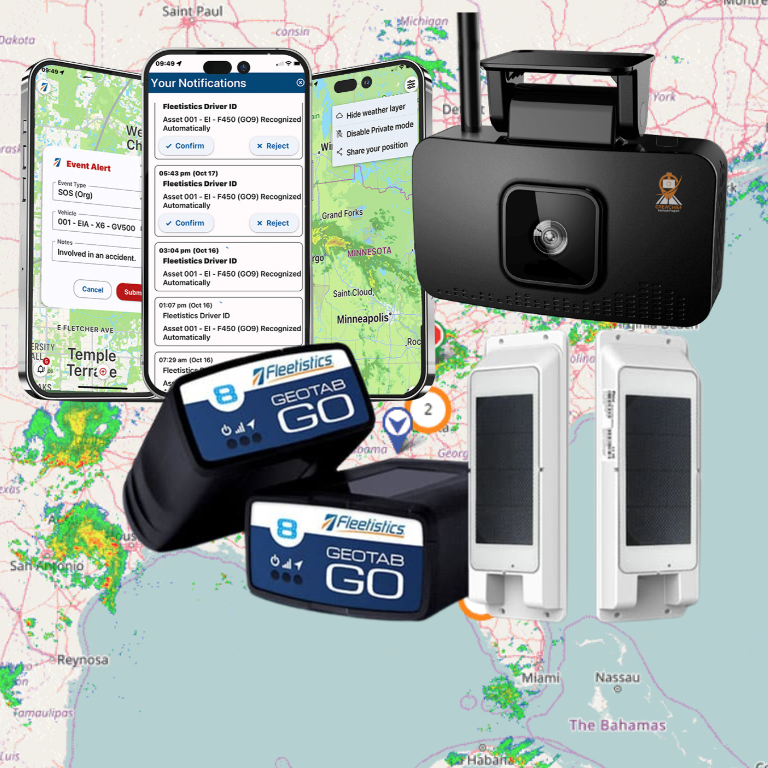
Fleet telematics systems help daily work by gathering and sending vehicle data in near real-time. This data moves through cell networks to a secure site in the cloud. As stated by the U.S. Department of Energy, these facts help fleets cut costs and boost driver safety. You get a deep look at how your trucks run. This includes fuel use, idle time, and engine health codes.
Getting facts from the truck engine is a big shift. Most basic trackers do not link to the vehicle engine port. Telematics tools do. They read engine codes to find small issues before they become big repairs. This helps you plan for shop time and keeps your trucks on the road. It also makes it easy to follow federal rules for logs and taxes. If you need fleet telematics for small fleets, you should pick a system that reads this data.
| Feature | Basic GPS Tracking | Fleet Telematics Platform |
|---|---|---|
| Core Data | Live Location | Engine Health and Safety |
| Driver Tools | None | Safety Scores and Feedback |
| Rules | Basic Logs | Full ELD and IFTA Support |
| Business Link | App Only | Free API for Other Apps |
| Shop Time | Based on Miles | Real Engine Fault Codes |
When to upgrade your fleet system
When should you make the switch? Many owners look at new tools when they must meet federal rules. This includes ELD or IFTA laws. Others want to use AI dashcams to keep their drivers safe. If you find yourself asking why fuel costs are up, it is time for a change. You can use the Fleetistics 60-day test to check the value of new tech. This ROI check helps you see how the tools pay for themselves before you sign a deal.
Safety risks are becoming harder to manage
Running a fleet is not just about knowing where your trucks are. For many owners, keeping drivers safe is the main goal. Road risks are on the rise, and simple maps cannot tell the whole story. Using smart fleet tracking software and telematics solutions helps you see the risks before they lead to a crash.
Watch harsh driving and speeding
Speeding and harsh braking are clear signs of risk. When drivers are in a rush, they often make mistakes that cost money and lives. Using GPS tracking for small to medium business lets you set alerts for these events. This allows you to see who is driving safely and who needs more help.
Modern tools collect data from the truck to show how it is being used. These systems help enhance driver safety by tracking patterns that lead to wear or crashes. Instead of waiting for a bill from a shop, you can find the problems now. This is why fleet telematics for small fleets is a key tool for growth.
Add context with AI dashcams
Data tells you that a driver hit the brakes hard, but it does not tell you why. Maybe a car pulled out in front of them. AI dashcams give you the facts you need to be fair to your team. These cams can spot if a driver is looking at a phone or if they are tired. You can use these clips to show drivers just what went wrong during a trip.
Common safety triggers you can track include:
- Extreme speeding over the posted limit.
- Harsh cornering that could tip a load.
- Tailgating or following too close to other cars.
- Sudden stops that suggest a lack of focus.
Move to active driver coaching
Many bosses are stuck in a late loop. They only talk to a driver after a crash or a ticket happens. This is a slow way to run a firm. Active coaching uses daily data to train drivers before a big event occurs. You can use scorecards to turn safety into a game where the best drivers get praise.
By using these tools, you reduce the time you spend on forms and repairs. You build a team that takes pride in being safe on the road. This shift helps you save on insurance and keeps your trucks moving. It turns safety from a cost into a real way to protect your bottom line.
Compliance work is consuming too much time
Running a fleet means dealing with many rules. For many owners, the paperwork feels like it never ends. Small teams often find that these tasks eat up hours of their week. This is time they could spend growing their business. Using fleet tracking software and telematics solutions can help shift this work from people to software.
Common compliance tasks for small fleets
There are several rules that fleet owners must follow to stay safe. The Electronic Logging Device (ELD) rule is one of the biggest. It tracks driving hours to make sure drivers stay alert. Drivers also need to fill out Daily Vehicle Inspection Reports (DVIR). These checks show that a truck is safe to be on the road. Then there is the International Fuel Tax Agreement (IFTA). This rule asks you to track fuel use and miles in every state you enter.
All of these rules need clear and right records. If you miss a report, you could face high fines. Fleet tools help by automating reporting and tracking how you use your trucks. This makes it much easier to follow the law without spending all day at a desk. You get the facts you need with less effort.
The hidden cost of using paper
When you track these things by hand, small slips can happen. Paper logs can get lost, stained, or torn. Writing down miles for IFTA is slow and often leads to math errors. These small mistakes can turn into big risks if you ever face an audit. Manual work also keeps your best staff stuck in the office instead of helping customers.
By using fleet telematics for small fleets, you can get rid of the paper trail. The system pulls data straight from the engine of the truck. This means you do not have to guess about fuel use or drive times. It also helps you find safety issues before they lead to a fine or a crash. This smart way of working saves both money and stress.
All your data in one spot
A good system puts all your facts in one place. You can see your ELD logs, DVIR status, and IFTA data on a single screen. This helps you find what you need in just a few seconds. Instead of looking through stacks of files, you can run a clean report with a few clicks. This speed is very helpful when a state agent asks for proof that you are following the rules.
New tools also offer GPS tracking for small to medium business fleets. These tools show exactly where your vans go and how your team uses them. Having all your data in one spot gives you peace of mind. You can trust that your records are solid and ready for any review at any time.
Maintenance is still reactive
Many small fleets still wait for a truck to break before they fix it. This is called reactive care. It is a costly way to run a business. When a van fails on the road, the job stops. You pay for a tow and a rush repair. You also lose the trust of your client. Using fleet tracking software and telematics solutions helps you move past this cycle. You can start to fix things before they break down. This keeps your team on the move.
Read engine health data
A good system for GPS tracking for small to medium business does more than show a dot on a map. It pulls data from the truck’s computer. This has the odometer and engine hours. You can see how much use each van gets. This data lets you set a plan for oil changes and tire care based on real use. Fleet telematics for small fleets gets this data through the on-board port. It sends facts straight to your screen.
The Department of Energy says these systems provide near real-time diagnostics. This makes it easy to stay on top of daily work. You won’t have to guess when a truck needs service. You will have the facts to make a smart plan and drive smarter decisions. You can book the shop before the truck stops working.
Stop ignoring fault alerts
Modern trucks use sensors to watch for engine trouble. When a sensor finds a bug, it sets a fault code. These are known as diagnostic trouble codes or DTCs. Often, a driver might ignore a small light on the dash. With a smart system, you get an alert right away. You can see the code and know if it is a small fix or a big risk. Fixing a small fault now prevents a big break later. It keeps your trucks safe and on the road.
You can see alerts for:
- Engine heat spikes
- Low oil pressure
- Brake system faults
- Battery health drops
Lower the cost of downtime
Downtime is a big cost that many owners do not track. It includes lost sales and the cost of the repair. It also includes the pay for a driver who cannot work. By planning repairs, you can choose a slow time for the shop visit. This keeps your team busy when there is work to do. It helps you stay lean and avoid big bills. You can keep your promises to your clients.
You can use the data to see which trucks cost the most to keep. Some older trucks might need more work than they are worth. Having these facts helps you pick when to buy a new truck. This keeps your fleet ready to grow. Smart care keeps your costs low and your gains high. It is the best way to protect your tools.
Reporting and disconnected tools are slowing decisions
Managing a fleet often involves many tasks. When data sits in different files, it is hard to see the big picture. Many owners use basic tools to track their vehicles. But as a business grows, manual work takes too much time. You may find that your staff spends hours just to update one sheet. This delay makes it hard to act fast when a problem occurs.
The cost of manual data entry
Small teams often rely on office apps to track fuel and time. This manual way of working can lead to errors. It also slows down your team. When tools do not talk to each other, you lose visibility. You might not know a truck needs a repair until it breaks down. This can hurt your bottom line and slow your growth.
By using fleet tracking software and telematics solutions, you can see all your data in one spot. This helps you find ways to save money right away. You no longer have to wait for a weekly report to see what happened. Instead, you get the facts you need to make smart choices today.
Connecting your business tools
One big plus of a modern system is how it works with other apps. High-quality fleet telematics for small fleets can link to your current business tools. This is often done through a free API. This link lets data flow from your trucks to your billing or payroll apps without extra work. It removes the need for data entry and lowers the risk of mistakes.
A good platform can also automate your reporting. This means your staff can focus on more important tasks. You can set up alerts for safety or fuel use. These alerts give you the power to fix issues before they grow. This level of insight is key for any fleet that wants to stay ahead of the pack.
Better visibility for smarter plans
When you have a clear view of your fleet, you can plan for the future. You can see which vehicles are used the most and which sit idle. This helps you decide when to buy new trucks or sell old ones. It also helps you see if your routes are as short as they can be. Better plans lead to lower costs and happier clients.
With all your data in one place, you can see the true cost of your work. You can track parts, fuel, and labor in real time. This makes it easy to see where you are making a profit. It also shows where you might be losing money. Having this view gives you the confidence to grow your small business with less risk.
How should a small fleet plan the upgrade?
Moving to a full telematics system is a big step for any small business. Most owners start with basic tools but find they need more as the fleet grows. You might see new signs that it is time to move up. These signs include adding more drivers, using other types of assets, or moving into new areas.
Find your growth triggers
A growth trigger is a clear sign that your business needs better tools. For many, this happens when they add their fifth or tenth truck. Handling a few drivers is easy with a phone or a simple map.
But as you add more, you lose sight of fuel costs and driver safety. You may also start to use other assets like vans, trucks, and trailers to meet customer needs. Each asset has its own needs for care and tracking.
Fleet telematics systems help you manage these needs by sending near real-time data to a secure cloud. This data goes far beyond simple location tracking. It gives you the full picture of how your team works every day.
You can see how long stops take and if drivers follow the best routes. This is the first step in using fleet tracking software and telematics tools to run a tighter ship. To grow, you must move past simple tracking.
Build repeatable processes
You need ways to work that stay the same every time. This means using data to make smart choices about repairs, routes, and safety. Telematics lets you set up clear rules for your drivers.
You can track high speed, hard braking, and long idling times. These metrics help you coach your team to drive safer and save fuel. When you have these rules in place, your business becomes more stable.
You no longer guess when a truck needs an oil change or new tires. Instead, you use the vehicle’s own data to plan work before a breakdown happens. This approach is key to choosing the best GPS tracker for small business as you scale.
Steps to evaluate and roll out telematics
Using real data helps you meet compliance rules and keeps your trucks on the road longer. Follow these steps to ensure a smooth switch to a full telematics platform.
- List your current pain points like high fuel use or missed stops to see what features you need most.
- Check your current assets to ensure the new devices will work with all your vehicle makes and models.
- Choose a system that offers modular options so you can start small and add new features as you grow.
- Start with a trial like the 60-day Solution Evaluation Process to check the return on your investment.
- Train your drivers on how the new system will help them stay safe and reach their stops on time.
- Review the data after the first month to find the top three ways to save money right away.
How do you evaluate ROI before committing?
Before you invest in new tech, you need to know it will pay for itself. You can build a clear business case by looking at your current fleet costs and finding where you lose money. Most small fleets find that fuel waste, idling, and high maintenance are the biggest gaps. By setting a baseline with your current data, you can see how much a fleet tracking software and telematics solutions provider might save you each month.
Find your baseline metrics
Start by tracking your core costs for thirty days. Look at fuel use, vehicle wear, and labor hours per job. These numbers give you a starting point to measure future gains. Telematics systems can help you simplify fleet management by showing you exactly how your trucks are used. When you have these facts, you can set small goals like cutting idle time by ten percent. This makes the return on your investment easy to see and track.
Use a small test run
You do not have to put a device in every truck on day one. A small test run lets you try the tools on a few vehicles first. This helps you find out how your drivers will react and what data is most useful. Fleetistics offers a 60-day Solution Evaluation Process to help you validate your return on investment before you make a full plan. This low-risk start shows you if the tech fits your work style and saves you money as expected.
Plan for driver use and growth
New tools only work if your team uses them. Talk to your drivers about how the data keeps them safe and makes their jobs easier. Show them how the tech helps with driver logs and safety rules. As you see results, you can grow your GPS tracking for small to medium business at your own pace. This step-by-step path keeps costs low while you grow your fleet’s output.
Frequently Asked Questions
What is the difference between telematics and GPS tracking?
While basic GPS tracking only shows a vehicle’s current position, a telematics system provides much deeper data. According to the Department of Energy, these tools collect engine diagnostics, fault codes, and driver patterns. This data travels over cellular networks to a secure cloud platform. This allows small business owners to see how their trucks are used rather than just where they are parked.
How can fleet telematics improve my small business?
Telematics technology helps small fleets gain efficiency by automating tasks like billing and reporting. It also tracks vehicle use to help managers make better choices about when to buy new trucks. These systems can even monitor driver safety and help fleets follow ELD or IFTA rules. Using these tools often leads to lower costs and better productivity for companies that need to protect their mobile assets and drivers.
When should a small fleet owner upgrade to telematics?
Owners should consider an upgrade when they need more than just location data. If you need AI dashcams for safety, ELD compliance, or advanced maintenance tracking, simple GPS is not enough. Fleetistics suggests that even small teams with five vehicles can benefit from these professional tools. Many owners start an upgrade when they want to lower fuel costs or integrate fleet data with their other business software.
Is fleet telematics affordable for small businesses?
Modern telematics systems are very scalable and cost much less than older tools. Some modular plans start for about one dollar per day for each vehicle. This low price point allows small fleets to use the same advanced technology that large firms use. To help manage risk, a 60-day evaluation process can prove the value of the system before you make a long-term commitment.
Ready to Upgrade Your Small Fleet to a Full Telematics System?
Running a small fleet means you must watch every cent to keep your firm on the right path. Every day you wait to move to a full system is a day you lose cash on fuel. Extra wear on your trucks also adds up fast when you do not have good data. Small fleets that do not use these tools often fall behind as fuel prices rise. If you act today, you can see clear gains in your funds before the month ends. You will save more each year than what the new tools cost to start. You can learn more on our page about GPS tracking for small to medium business.
Ready to get started? Call 855.300.0527 to speak with a fleet management consultant and find out how you can start saving on your fleet costs today.