
Most fleet owners do not start their search for tracking tools because they want to watch dots on a map. Instead, they look for a way to solve people-management problems. Fleet gps tracking driver accountability is the top reason businesses invest in these systems. Owners need a way to verify that their team follows safety rules and stays productive throughout the work day, without creating a culture of mistrust.
How Does GPS Tracking Improve Driver Accountability Without Micromanaging?
GPS tracking builds accountability by giving drivers objective proof of their performance and managers the data they need to coach effectively. When drivers know that speeding, hard braking, and idling are measured consistently across the whole fleet, they self-correct without being told. The data speaks for itself, which removes the perception of favoritism or guesswork from performance reviews.
Closing the visibility gap
When a truck leaves your shop, you lose sight of how the work gets done. Without clear data, you cannot tell if a driver is working efficiently or struggling with route challenges. This gap often leads to stress for managers who must guess at what is happening on the road. GPS tools provide the facts you need to see the truth without calling for constant updates. A balanced approach starts with the right fleet GPS tracking system for business that pairs location data with behavioral insights.
A lack of data also makes it hard to plan for the future. If you do not know how long a stop takes or why a route was slow, you cannot fix the issue. Tracking gives you the proof to make changes that help your team work faster. It takes the guesswork out of fleet operations and puts you in control of your daily tasks.
Preventing vehicle and fuel misuse
For small fleets, side jobs and extra trips can drain profits very fast. A driver might use a company van for personal errands or take a long route to get more overtime. These choices raise your fuel costs and increase crash risk. Data from the Centers for Disease Control and Prevention (CDC) shows that motor vehicle crashes are a top cause of work-related deaths. Monitoring habits helps you find these risks before they lead to high costs or legal exposure.
Liability is another concern for fleet owners today. If a driver has a crash while using a company truck for a side job, your business may face a lawsuit. Using GPS to stop off-limits use protects your bottom line and your brand. It ensures that your trucks are only on the road for the work you have assigned.
Building a culture of trust
Tracking should not feel like a trap for your team members. The best approach focuses on clear rules rather than catching every small slip. When you show your team that the data helps keep them safe, they are more likely to support the new system. You can use these tools to reward high scores and offer help where it is needed most. This shift moves your fleet from a culture of doubt to one of shared goals.
Good drivers often like having GPS on board because it proves they are doing a great job. It protects them from false claims about missed stops or bad driving habits. By using data to highlight success, you create a workplace where hard work is seen and valued.
What Driver Behaviors Does GPS Telematics Actually Track?
Modern GPS tracking goes far beyond knowing where a vehicle is parked. Fleet gps tracking driver accountability systems collect a rich set of behavioral data points every second the engine runs. The table below summarizes the core behaviors tracked and why each one matters for safety and cost control.
| Behavior | How It Is Measured | Business Impact |
|---|---|---|
| Speeding | GPS logs every over-limit event with duration and severity | Higher crash risk, fuel waste, liability exposure |
| Harsh braking / rapid acceleration | Accelerometer detects aggressive driving events | Increased fuel consumption, drivetrain wear, accident risk |
| Hard cornering | Lateral G-force sensors flag unsafe turns | Rollover risk, cargo damage, tire wear |
| Excessive idling | Engine-on, motionless time tracked per stop | 14-20% fuel waste, unnecessary emissions, overtime costs |
| Unauthorized vehicle use | After-hours engine starts and route deviations | Legal liability, theft risk, insurance complications |
From raw data to driver scorecards
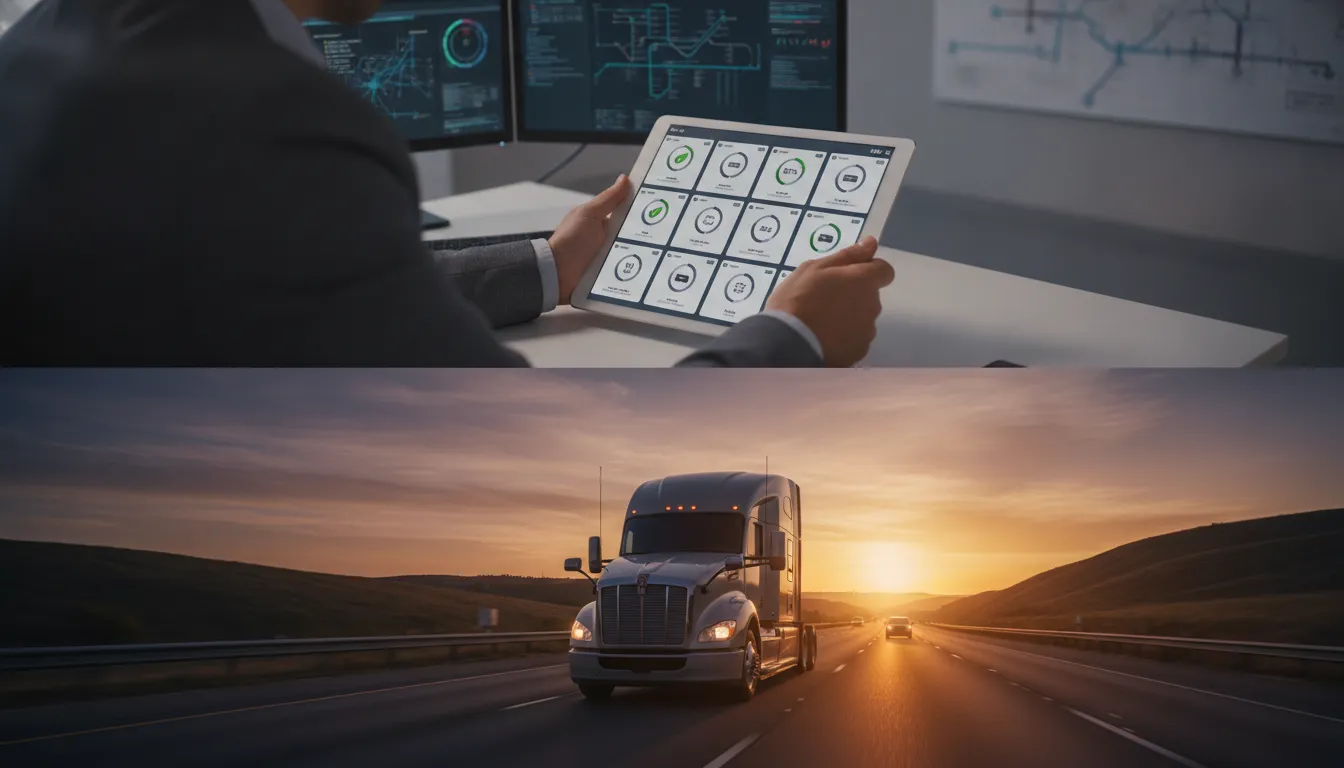
The real power of telematics data is in aggregation. Raw events like “hard brake at 10:32 AM” become meaningful when compiled into telematics driver scoring reports. These scorecards rank drivers across multiple dimensions: safety score, fuel efficiency, compliance adherence, and productivity. Drivers see their own scores and can compare against fleet averages, creating healthy competition.
Scorecards also reveal patterns that single events miss. A driver who has three minor speeding incidents per week may not seem problematic, but over a quarter that driver accounts for 15% of the fleet’s total speed violations. That pattern is a coaching opportunity. Fleetistics driver scorecard best practices help managers turn raw data into structured improvement plans that drivers understand and buy into.
How Do You Set Fair Tracking Policies Without Eroding Trust?
Many drivers worry that fleet gps tracking driver accountability is a tool for spying, fearing a system that watches their every move. This worry can hurt morale and push good drivers away. But a well-run program is not about surveillance; it is about giving your team the tools and support to do their work well and stay safe while doing it.
The Fleetistics approach treats tracking data as a coaching resource, not a disciplinary weapon. Instead of guessing about what happened during a trip, you can use objective data to identify training needs and recognize strong performance. This reframing turns a potentially negative system into a professional development tool that drivers can get behind.
Core rules of a fair tracking policy
To keep trust, you must be clear about what you track. A fair plan starts with a written set of rules that everyone can read. This document should tell drivers exactly what data you collect, such as speed or idle time, and how you use it to evaluate performance.
It is also smart to follow FMCSA safety regulations to make sure your plan stays compliant. Fairness is the heart of fleet gps tracking driver accountability. Rules must apply to every person on the team in the same way. If you only watch some drivers or let others break rules, trust will break down quickly.
Involve your drivers in the process from the start. Ask for their input on how the data can make their jobs easier. This makes them feel like part of the solution, not just targets of a monitoring system.
Coaching over punishment
Fleetistics focuses on introducing GPS tracking to drivers without “gotcha management.” This means you do not use data just to find and punish small mistakes. Instead, use the facts as a base for coaching. When a system flags a hard braking event, treat it as a chance to talk about road safety rather than an opportunity to write someone up.
This approach helps the driver learn and shows that you care about their well-being. Long-term trust leads to a better workplace for everyone. When drivers feel supported, they take more pride in their work and see the data as a way to improve their own habits.
Automated Coaching Alerts vs Manager-Driven Reviews: What Works Best?
Automated alerts give drivers fast feedback while they are on the road. A fleet driver coaching program can alert a driver about a safety risk the moment it happens. When the in-cab speaker emits a tone, the driver can fix the error right away, before it becomes a pattern or leads to an incident.
Using automated training makes this process even more effective. The system analyzes driving data to find habits that need work, then assigns short lessons based on each driver’s safety score. This method saves time for the fleet manager and keeps the driver focused on continuous improvement.
Using data to improve driver habits
Automated coaching works by monitoring every mile. When a driver exceeds the speed limit, the system sends a nudge. This nudge helps the driver self-correct in real time. This type of fleet gps tracking driver accountability builds ownership without the need for constant manager oversight.
The value of manager-led performance reviews
Manager-led reviews focus on the big picture of fleet safety. Instead of a single event, the manager looks at trends over many weeks. They use driver scorecards to see how a person performs over time. These meetings are a good opportunity for deep discussions about safety goals. A manager can address complex issues that automated alerts might miss.
These reviews build trust between the team and the office. When a manager shows they care about a driver’s growth, the driver feels valued. The goal is to use data to help, not to punish. This personal touch is needed for a strong safety culture.
| Dimension | Automated Coaching Alerts | Manager-Driven Reviews |
|---|---|---|
| Response time | Instant in-cab feedback | Scheduled monthly meetings |
| Driver engagement | Tactical, event-based | Strategic, goal-based |
| Data requirements | Real-time telematics | Historical scorecard reports |
| Implementation | Medium (hardware installation) | Low (process-driven) |
| Primary goal | Fix habits immediately | Build long-term safety culture |
A balanced approach to fleet safety
The best safety programs use both methods together. Automated alerts act as the first line of defense. They give the instant feedback needed to stay safe on the road. At the same time, manager reviews provide human insight and relationship building. This balance is key to keeping a fleet running safely and efficiently. Fleets using comprehensive safety programs can reduce accidents by up to 40% according to FMCSA industry benchmarks.
What Is the ROI of Better Driver Behavior for Insurance, Fuel, and Incidents?
When you focus on fleet GPS tracking driver accountability, the results show up on your bottom line. Improving how your team drives is not just about safety, it is a smart financial move that cuts waste and lowers risk. Most fleets see a fast return on their investment by tackling three main cost drivers: insurance, fuel, and accident-related expenses.
Lower insurance premiums and claims
Data-backed safety programs can measurably reduce accident frequency. Insurance companies recognize fleets that use telematics and proactive driver coaching, often offering premium discounts for monitored fleets. When you can demonstrate a measurable safety improvement with verifiable data, you have leverage to negotiate better rates at renewal. If a crash does happen, dashcam evidence and GPS logs help prove fault, reducing liability exposure and protecting your business from costly lawsuits.
Fuel and maintenance savings
Bad driving habits like speeding and excessive idling waste significant fuel. Fleetistics customers typically see 14-20% fuel savings by reducing idle time and smoothing driving behaviors. Better route planning can save another 10% on mileage. The City of Seattle used these tools to save $2M in fuel costs across its 4,100-vehicle fleet. Beyond fuel, smoother driving means less wear on tires, brakes, and transmissions. This leads to fewer repairs and less vehicle downtime, keeping your trucks on the road generating revenue.
Fewer incidents and less downtime
Every minor incident costs your business time and money. Beyond the repair bill, you face lost work hours, vehicle downtime, increased workers compensation claims, and potential DOT compliance issues. High driver accountability helps your team self-correct before an incident happens. Real-time in-cab alerts tell drivers when they are speeding or braking too hard, enabling immediate correction. Over time, this builds a safety culture where incident rates drop steadily. With Fleetistics, you can test these tools with a 60-day risk-free evaluation. Systems start at under $1 per day with lifetime hardware warranty on PRO and ONE platforms.
Building a Driver Accountability Program Step by Step
Creating a driver accountability program that works without creating resentment takes thoughtful planning. The best programs follow a structured approach that prioritizes transparency, clear goals, and driver support. Here is a proven process using the Fleetistics Geotab platform.
- Assess your current state. Before adding technology, evaluate what data you already collect and where your gaps are. Do you know your fleet’s accident rate per mile? Your average idle time? Your top three driver safety risks? This baseline helps you choose the right metrics to track.
- Define your key metrics. Pick 3-5 driver behaviors that matter most to your operation. Common choices include speeding events per 1,000 miles, idle time percentage, harsh braking count, and on-time arrival rate. Focus on behaviors your drivers can control and improve.
- Write the policy. Create a clear, written GPS tracking policy that explains what data is collected, who has access, how it will be used, and the consequences of unsafe behavior. Share it with all drivers before implementation.
- Choose the right platform tier. Fleetistics offers multiple platform levels from basic GPS tracking to comprehensive fleet management, so you pay only for the features your fleet needs. Each tier includes driver behavior monitoring, with higher tiers adding AI coaching and advanced analytics.
- Launch with transparency. Hold driver meetings before flipping the switch. Explain the why: GPS tracking keeps them safer, protects them from unfair blame, and helps the company run more efficiently. Demonstrate the actual dashboard and scorecards.
- Automate coaching. Configure the Fleetistics platform to send real-time alerts for critical events. The Fleetistics safety solutions include an in-cab coaching speaker and automated training modules based on each driver’s performance data.
- Review and iterate monthly. Schedule monthly check-ins to review scorecards, recognize top performers, and develop improvement plans. The Geotab platform’s 300+ integrations and free API allow you to connect this data with payroll, dispatch, and HR systems.
Frequently Asked Questions About GPS Tracking and Driver Accountability
Can GPS tracking be used to monitor employees without being invasive?
Yes. The key is transparency. When you clearly communicate that GPS tracking is used to improve safety and recognize good driving rather than punish mistakes, drivers see it as a coaching tool. Setting clear policies about what data is collected builds trust.
What driver behaviors can GPS tracking detect?
GPS tracking detects speeding, harsh braking, rapid acceleration, hard cornering, excessive idling, unauthorized vehicle use, and route deviations. Many systems also track seat belt usage and integrate with AI dashcams for visual confirmation.
How do you introduce GPS tracking to drivers without resentment?
Involve drivers in the process. Share the benefits: reduced accidents mean safer roads, optimized routing reduces overtime, and data-driven coaching helps drivers improve their scores. Frame it as a professional development tool, not surveillance.
What is the ROI of driver accountability programs?
Fleets with data-driven accountability typically see 14-20% fuel savings from reduced idling, up to 40% fewer accidents through targeted coaching, and lower insurance premiums from verifiable safety improvements. The City of Seattle saved $2M in fuel costs using telematics-driven accountability.
How does GPS tracking help with insurance costs?
Insurance companies often offer premium discounts for monitored fleets with verifiable safety data. When a crash does happen, dashcam evidence and GPS logs help prove fault, reducing liability exposure and legal costs.
Ready to Build a Fairer Driver Accountability Program?
Fleet GPS tracking driver accountability does not have to mean constant surveillance or eroding driver trust. When implemented with transparent policies, automated coaching, and data-driven reviews, it becomes a powerful tool for improving safety, cutting costs, and retaining your best drivers. The Fleetistics platform gives you everything you need to get started, from basic tracking to AI-powered coaching, backed by 24/7 support and a 60-day risk-free evaluation.
Call 855.300.0527 to speak with a Fleetistics consultant and start building a driver accountability program your team will support.