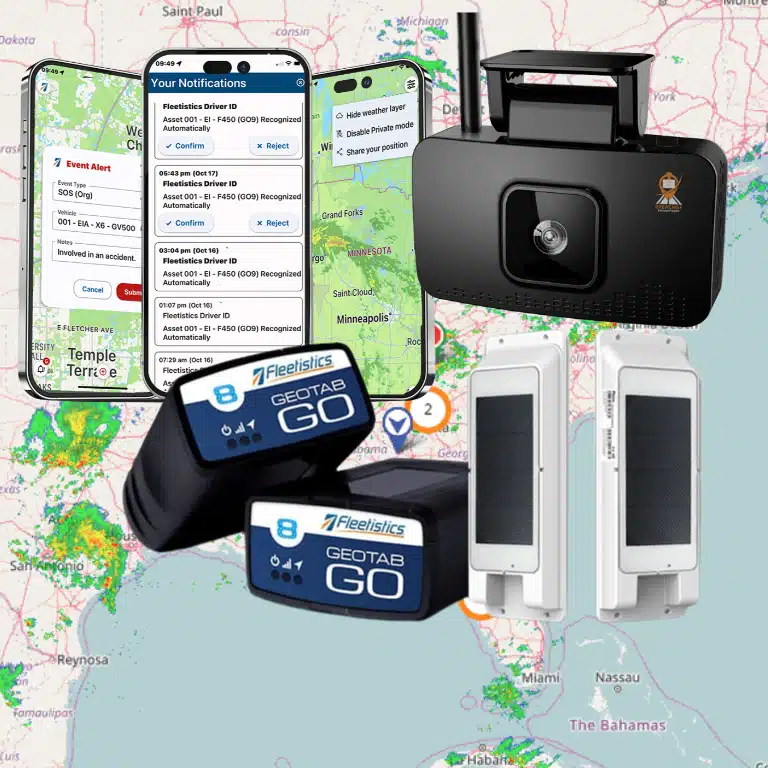

Managing a business fleet without real-time data leads to wasted fuel and high maintenance costs. Modern fleet managers use digital tools to see just where their vehicles are and how they perform. This clear sight helps cut waste and keeps drivers safe on the road.
What is fleet telematics and how does it work for business fleets? It is a technology that links GPS tracking and engine data to watch your entire business fleet in real-time from one secure and central office. These systems gather details like speed, location, and fuel use through a small tool that plugs into a vehicle port and sends facts to a site. The Department of Energy says these tools help firms cut costs by providing deep insights into vehicle work, fuel waste, and driver safety every day. This data-driven approach gives managers the clear facts they need to improve how they work, reduce risk, and keep every vehicle and driver safe on the road.
You might feel that these high-tech systems seem complex at first glance. However, learning the basic parts of the technology is the first step toward better fleet control. What Is Telematics? A Plain-English Definition for Fleet Managers will help you see how it all fits together. The path begins with
What Is Fleet Telematics: What Is Telematics? A Plain-English Definition for Fleet Managers
Telematics is a word that combines “telecommunications” and “informatics.” It describes the tech that sends data over long distances to help businesses manage their assets. For fleet managers, it is the key to knowing where your vehicles are. It also shows you how they work at any moment.
This tech serves as a bridge between your vehicles and your office. It turns raw data into useful facts you can use to run your business. Instead of guessing where a driver is, you get a live view of your whole fleet on one screen.
A blend of tech and data
The term comes from two separate fields. Telecommunications involves sending info through phone lines or cellular networks. Informatics is the science of processing data. When you put them together, you get a system that captures vehicle info. It sends that data to a secure cloud platform. This allows you to see location and health data from any device with a web link.
At its core, what is fleet telematics exactly? It is a way to monitor cars, trucks, and equipment. It works by combining GPS tracking with on-board diagnostics. This setup gives you a clear view of your fleet work in real-time. Since 2001, Fleetistics has helped companies use these tools as the longest-running Geotab partner in the United States.
The digital nervous system of your fleet
Think of telematics as a digital nervous system for your business. Just as your nerves send signals to your brain, sensors in your vehicles send data to your software. These signals tell you about engine health, fuel use, and driver habits. This flow of info helps you make smart choices that save money and keep people safe.
Many managers start with basic tracking but soon need more depth. You might want to see why an engine light is on. You may also want to know how much fuel a truck idles away each day. If you need the right tools for your business, our guide to buying fleet GPS and telematics offers a clear path. We focus on simple tiers so you only pay for the features you need.
Why fleet telematics matters now
Modern fleets face high costs and strict rules. You need to track vehicle use to stay strong. You also need to stay on top of upkeep. A good system does more than just show dots on a map. It helps you find ways to cut waste. It also improves safety across your whole team.
Using a platform that grows with you is vital. We provide an open system that works with over 300 different apps and tools. This setup ensures you get the exact data you need to run a smooth operation. Whether you manage ten vans or a large public fleet, the right data makes your job much easier. Our team has decades of skill helping fleets in the USA, Canada, and Mexico find success with these systems.
How Does a Fleet Telematics System Work? (Hardware + Software + Network)
Fleet telematics uses a blend of hardware and software to track vehicles and equipment. This tech lets you monitor assets in real-time. By connecting your vehicles to the cloud, you can find ways to save money and keep drivers safe.
The core components of telematics
A full system needs three main parts. First is the device in the truck. Next is the network that moves data. Last is the software where you see the maps and charts. Each part must work fast to give you fresh data on how fleet telematics systems function.
The step-by-step data flow
Telematics turns raw signals into useful facts. It works in a clear loop from the engine to your screen. Follow these steps to see how a telematics system works in action.
- Data capture at the source. A small device plugs into the OBD-II or CAN-bus port of your vehicle. It reads engine codes and GPS signals every second.
- Local edge processing. The device filters the raw data on the spot. It looks for events like harsh braking or speeding that need quick action.
- Cellular data transfer. The device sends the data through a cellular network. It uses secure links to move the facts from the road to the cloud.
- Secure cloud processing. Server clusters receive and store the data. They check the facts against your fleet rules to spot any risks or waste.
- Software dashboard display. You view the final results on a web map or app. The system shows live locations and sends alerts if a driver needs help.
- Insight and reporting. The platform saves the data for later use. You can use telematics-powered fleet analytics to plan maintenance or track fuel costs.
Why hardware matters
Good hardware is the base of the whole system. The device must be tough and secure. It should use signed firmware to stop any hacking. This keeps your data safe while it moves from the truck to your office.
GPS Tracking vs Telematics: What Is the Difference?
Many people use the terms GPS tracking and telematics to mean the same thing. But there is a big gap between them. GPS tracking shows you where a truck is on a map. Fleet telematics is a much larger system. It blends GPS data with engine info and wireless tools to help you run your whole business. It gives you more than just a spot on a screen.
Gap in data collection
GPS tracking is the base for most fleet tools. It uses satellites to find the spot of a vehicle or piece of gear. You can see the speed and route of your drivers in real time. This helps you give customers better drop-off times. It also keeps your assets safe from theft. But GPS by itself only tells you where a truck is right now. It does not tell you how the engine is doing.
How telematics provides more
When you look at how fleet telematics systems function, you see it is more complex. It pulls data straight from the engine computer. It can track fuel levels, tire pressure, and brake wear. These tools also watch how people drive. You can see if a driver slams on the brakes or speeds. This data helps you save money on repairs and fuel. It turns a dot on a map into a full picture of fleet health.
Key tools side by side
Telematics gives you the “why” behind every mile driven. It uses a small device that plugs into the vehicle port. This device sends info over cell networks to a safe cloud site. You can then use telematics-powered fleet analytics to make smart plans. The table below shows how these two tools stack up against each other.
| Points. | GPS Tracking. | Fleet Telematics. |
|---|---|---|
| Hardware. | Battery or simple wire. | Engine port plug-in. |
| Main Data. | Spot and speed. | Engine health and habits. |
| Safety. | High-level routes. | Harsh braking and speed. |
| Rules. | Basic trip logs. | Full tax and law reports. |
| Outcome. | Find your assets. | Improve your whole fleet. |
Choosing the right tool depends on your needs. If you only need to find a lost trailer, simple GPS works well. But if you want to lower costs and keep drivers safe, you need full telematics. These tools help you find new ways to save. They give you the power to see every detail of your work in one place. You can then make better choices for your team.
What Data Does a Telematics System Collect?
Telematics tools gather many types of data from your trucks and cars. This tech uses GPS and a small device to monitor your fleet. The device plugs into the vehicle and reads the computer inside. It pulls facts about the engine and how the driver acts on the road. Most units send this data through cell networks to a secure cloud site. This process is part of what is fleet telematics for modern businesses. You can then see all this info in one place to make better choices.
Engine health and diagnostics
A main job of these tools is to track how well your trucks run. The system reads facts like fuel levels, battery life, and engine hours. It also finds fault codes as soon as they pop up in the vehicle computer. This data helps you fix small issues before they lead to a full break down. Fleet managers use these details to set up upkeep tasks on a clear schedule. This helps you avoid big repair bills and keeps your vehicles on the road for a longer time. You can use telematics-powered fleet analytics to spot trends in engine health across your whole fleet.
Tracking the odometer and engine hours also helps with resale value. When you know the exact wear on a vehicle, you can prove its state to a buyer. These sensors also help you find trucks that use too much gas. This lets you see if a truck needs a tune-up or if it is time to buy a new one. By using this data, you can keep your costs low and your fleet in top shape for years.
Driver behavior and vehicle safety
The sensors also track how your team drives while they are on the clock. You can see when a person goes over the speed limit or brakes too hard. The tools also watch how long a truck sits with the engine running. This is called idling, and it wastes a lot of gas. By tracking these habits, you can coach your staff to drive with more care. You can learn more about how fleet telematics systems function to keep your drivers safe. Some fleets have saved big sums by cutting down on bad driving habits.
Better driving does more than just save gas. It also cuts down on the risk of crashes. High-tech dashcams can even see if a driver is looking at a phone or if they are too tired to drive. The system can play a sound in the cab to warn the driver to stay alert. This real-time coaching helps prevent accidents before they happen. Safer drivers mean lower insurance rates and less time lost to repairs.
Real-time location and weather alerts
GPS tracking gives you the exact spot of every asset you own. You can see your trucks on a map in real time. This helps you give customers better arrival times and find the best routes. Many systems let you set up geofences, which are virtual lines on a map. You get an alert if a truck enters or leaves a set zone. This keeps your team on the right path and helps stop theft. If a truck moves when it should be parked, you will know right away.
Some high-end tools also show the weather. This lets you warn drivers about storms or ice before they reach a dangerous area. Using these alerts helps you stay ahead of delays and keeps your team safe in bad weather. Fleet managers value this data because it helps them manage risks they cannot control, like the wind or snow. Knowing where your trucks are and what they face helps you run a smoother business every day.
How Much Does Fleet Telematics Cost? (Overview)
The cost to start and run a telematics program depends on a few things. Most systems have three parts: hardware fees, monthly service costs, and setup fees. While the first costs vary, the long-term gains often outdo the spend. On average, fleet telematics can lead to a 14% drop in fuel costs and a 14% cut in repair bills.
Hardware and Setup Costs
Most telematics tools use small units that plug into a truck’s engine port. You can buy these tools or lease them. Some firms offer a $0 device deal if you sign a long-term plan. You also need to think about how to set up fleet telematics systems in your trucks. You might plug them in yourself, or you might pay a pro to do it for you. Some new trucks come with these tools already built in at the factory.
Monthly Service Tiers
Once your hardware is in place, you pay a monthly fee to use the software. This fee covers data and the tools you use to track your fleet. Many firms offer tiers to fit your needs. A simple plan might just show where your trucks are on a map. A top plan could include telematics-powered fleet analytics, engine health alerts, and safety tools. These plans often start at less than $1 per day for each vehicle.
Return on Investment
It is best to view these costs as a way to save in the long run. The data from these systems helps you find ways to cut waste. For example, some fleets have saved $3 million by monitoring vehicle idling time with care. Better routes and driver tips also help to lower the risk of wrecks. By tracking how you use your trucks, you can make sure each one is doing its job well.
What Are the Core Benefits of Fleet Telematics for Business Owners?
Fleet telematics helps companies run their vehicles with better data and lower costs. By using GPS and onboard tools, owners get a clear view of how their trucks and cars move. This insight leads to big wins in safety, savings, and work speed. For those asking what is fleet telematics, the answer lies in its power to change how you manage your mobile assets.
Lower fuel and upkeep costs
One of the biggest perks is the ability to cut daily spend. Data shows that monitoring vehicle idling can lead to huge returns. For example, some groups have saved $3M by watching idle time more closely. When drivers spend less time with the engine running while parked, your fuel bills drop fast.
Better tracking also keeps your vehicles on the road longer. Telematics can lower fuel costs by up to 14% through smarter driving and route choices. These systems also give maintenance alerts to help you fix small issues before they turn into costly breakdowns. This keeps your fleet healthy and cuts your total cost of ownership.
Better driver safety and habits
Safety is a top priority for any fleet owner. Telematics tools track habits like fast driving, hard braking, and seat belt use. This allows you to coach drivers on how to stay safe on the road. High-quality data helps you find risks and act on them before a crash occurs.
Real-world studies show how well these systems work. A Missouri DOT study found that using telematics improved seat belt use by 99.3% among their drivers. The same report showed that speeding events fell by nearly 100%. These changes lower your risk and help keep your staff safe while they work.
Higher productivity and compliance
Telematics also helps you get more done in less time. Better routing and dispatching mean your drivers take the best paths to every job. This boosts your daily output and keeps customers happy with on-time arrivals. It also helps you stay in line with rules like ELD and IFTA through automated logs.
Using real-time tracking allows you to adjust to changes on the fly. If a new job comes in, you can find the closest driver and send them there fast. This cuts down on dead miles and ensures your team stays busy. It also takes the stress out of paperwork by keeping digital records of every trip.
Frequently Asked Questions
What are the primary benefits of fleet telematics for businesses?
Fleet telematics offers many ways to help modern business fleets. Companies use this data to get more work done through better routes. It also helps with driver safety and repair needs. According to Samsara, these systems help teams follow rules and use less fuel. By tracking how trucks are used, managers can make better choices and lower their total costs. These tools allow teams to run much more smoothly and avoid common delays.
How does fleet telematics improve driver safety?
Telematics systems track how staff drive and find risks like speeding or hard braking. This data lets managers give better tips to help drivers avoid crashes. For example, a Department of Transportation report showed that using these tools improved seat belt use by over 99 percent. It also cut speeding events by nearly 100 percent in some fleets. By focusing on safe habits, businesses can protect their staff and reduce the cost of insurance and repairs.
What is the difference between standard telematics and video telematics?
Standard telematics collects data from the vehicle computer like location and engine health. Video telematics adds dashcams to this mix to capture video from the road. This helps managers see exactly what happened during a safety event. According to Geotab, combining data with video can lead to 40 percent fewer crashes. It gives a clear view of both driver habits and the area around the truck to better protect the fleet from false claims.
Can fleet telematics help reduce fuel and repair costs?
Yes, telematics can lower fuel and repair costs a lot. Managers can track idling time and routes to find ways to save gas. Data from Geotab shows that these systems can reduce fuel costs by up to 14 percent. They also send alerts for engine issues, which can cut repair bills by the same amount. Fixing small problems before they lead to big breakdowns helps fleets keep trucks on the road longer and saves money each year.
Are you ready to find out how fleet telematics can help your business grow?
Every day you wait to add these tools, high fuel costs and hidden repair needs drain your cash flow and hurt your bottom line. Running your team without data means you might miss big risks like driver fatigue or speeding until it is too late to fix them. When you start using telematics today, you gain a clear view of your fleet work in real time so you can cut out waste. Most businesses see real savings and better driver safety in just a few weeks, which lets you make smart choices based on facts.
Ready to improve your fleet telematics? Speak with a Fleetistics consultant today.