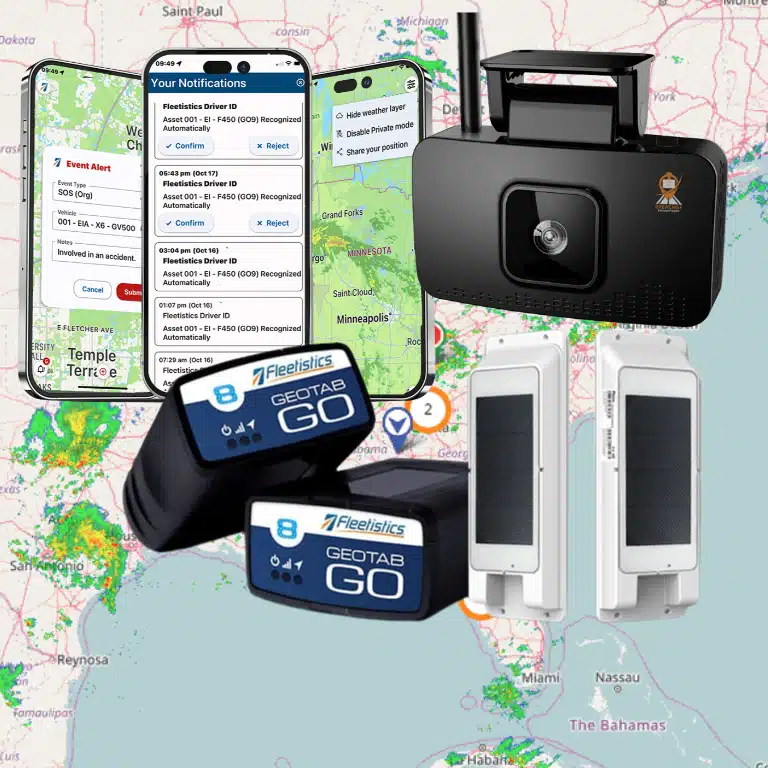

Fuel purchases can look ordinary on a monthly statement while waste quietly grows across the fleet. Excessive idling, avoidable miles, card misuse, and declining vehicle efficiency often hide in separate data sources. Connecting those sources gives managers the context needed to find the cause and take action.
Fuel management systems track purchases, consumption, costs, and exceptions across fleet vehicles and equipment. When connected with telematics, they compare each transaction with vehicle location, engine activity, mileage, routes, and driver behavior. That shared view helps fleets reduce idle time, optimize routes, reconcile fuel cards, investigate suspicious activity, and measure whether corrective actions are working.
The difference is context. A fuel-card record shows that a purchase happened, but telematics can show whether the assigned vehicle was at the station. How much fuel it could accept, and what happened afterward. Instead of reviewing disconnected spreadsheets after costs rise, managers can use alerts and reports to address waste sooner. Here is how fuel management systems and telematics work together.
How fuel management systems and telematics work together
Modern fleet tools go far beyond simple truck tracking. By linking fuel management systems with telematics data, firms create one source of truth for their work. This linked approach helps you see how driving habits, route choices, and truck health really affect your costs. You no longer have to guess why fuel costs vary from month to month. Instead, you can look at the data to see the direct link between driver habits and fuel waste.
What is a linked fleet system?
A linked system pulls data from both the truck engine and outside sources like fuel cards. While GPS tracking tells you where a truck is, telematics tools give more context by checking idling, speed, and fuel use. When you merge this with data from fuel management systems, you get a full view of every gallon used. This lets you review logs for cost-saving steps and a clear picture of your fleet costs. It turns raw numbers into plans you can use to improve your business and save time on tasks.
How each data source helps
Each part of the system brings its own facts. Fuel management systems focus on the sale. They track when, where, and how much fuel a driver buys. On the other hand, telematics data shows how that fuel is spent on the road. For example, fleet software lets bosses track fuel use with idling time and miles. This helps you find which drivers need coaching or which routes are too slow. By matching fuel card swipes with the truck’s place, the system can spot fuel theft or wrong use in real time. It gives you peace of mind that your trucks are used in the right way.
Practical benefits for fleet owners
When these tools work together, they solve many common fleet problems. For instance, you can set alerts that trigger if a fuel card is used while the truck is miles away. This stops fuel theft before it drains your budget. You can also see which trucks are idling for too long and set goals for your drivers to reduce that time. According to the Department of Energy, cutting the idling of heavy trucks is a simple way to save fuel. These small changes add up to big savings across a large fleet over a year.
Using a lone fuel card or GPS tool often leads to data gaps. A fuel card alone cannot tell you if a truck was at the pump when a swipe happened. Simple GPS tracking cannot show you if a truck is wasting fuel through too much idling. When these tools work together, they close the gaps that lead to waste and fraud. This joint view helps you find and fix bad habits across your fleet. It ensures every dollar spent on fuel helps move your business forward. You gain a full system that supports growth and keeps costs low.
Reduce idle time with engine data and targeted coaching
Too much idling is a major source of waste for most fleets. In fact, research shows that idling can account for as much as 40% of a fleet’s fuel costs. By using built-in fuel management systems, you can gain a clear view of when and where your vehicles are running without moving. This data allows you to spot trends and take action to reduce fuel waste across your entire team.
Spot hidden waste with telematics
Modern telematics tools give you a clear look at engine status. You can see the difference between a truck stuck in traffic and one parked with the engine on. Some systems even provide alerts for wasteful idling trends in real time. This means you can find low-hanging fruit to improve fuel use and cut down on exhaust from heavy-duty trucks.
Set a baseline for idle time
You cannot manage what you do not measure. Start by looking at your current data to see your average idle time per vehicle. Most fuel management systems allow you to track and check vehicle use and idling time. Use this info to set a fair goal for your team. Once you have a baseline, you can track progress and show your drivers the impact of their habits.
Steps to start a coaching plan
A structured approach helps you turn data into savings. Follow these steps to build an idle-reduction process for your fleet:
- Find high-idle events. Use your fleet software to find the drivers or routes with the most idle time each week.
- Review engine data. Look for patterns, such as long warm-up times or idling during lunch breaks, to find the root cause.
- Set up real-time alerts. Use your telematics platform to notify managers or drivers when a vehicle idles past a set limit.
- Start driver coaching. Talk to drivers about the costs of idling and give them clear tips on when to turn off the engine.
- Reward top performers. Use your fuel management metrics to find and reward the drivers who meet your idle reduction goals.
Coach for long-term habits
Data alone will not change your fleet. You need to use the info from your fleet management software to coach your team. Focus on why reducing idle time matters for the business and the environment. When drivers understand how their actions affect fuel use, they are more likely to stick to the new rules. This leads to a more efficient and strong fleet over time.
Cut unnecessary miles through route optimization
Driving fewer miles is the fastest way to lower your fuel costs. When drivers take long paths or get lost, your fuel budget suffers. Modern integrated fuel management systems use data to find the best paths for every trip. This helps your fleet stay on track and avoid wasting gas on extra turns.
Reduce miles and fuel use
Route tools help you plan trips that use the least amount of fuel. By picking short paths and avoiding heavy traffic, your vehicles spend less time on the road. This change directly cuts the amount of gas or diesel you need to buy each week. It also keeps your fleet running on a tight schedule without extra stops.
Better planning does more than save fuel. It also reduces wear on your trucks and vans. Fewer miles means your parts last longer and you spend less on repairs. Using fuel saving tips with smart routing creates a strong plan for long-term savings and fleet health.
Real-time dispatch changes
Work days often change after a driver starts their route. A new job might pop up or a road might close. Smart dispatch tools let you send new stops to the closest driver. This stops drivers from criss-crossing the city and keeps their total daily miles low. It makes your team much more efficient during the shift.
Tracking fuel use in real time helps you see which routes cost the most. You can look at data to find wasteful patterns and fix them quickly. As the U.S. Department of Energy notes, software helps managers track fuel use and vehicle use to find these savings. This visibility is key for any modern business.
Better paths for heavy trucks
Large trucks need special routes to stay safe and save fuel. They cannot always take the same short cuts that cars use because of weight or height limits. Mapping tools for trucks help them avoid steep hills and busy city centers. This keeps the engine running at a steady pace and prevents gas-wasting stops and starts.
Choosing the right path is a simple way to improve fleet safety. Drivers who know exactly where to go are less likely to make risky turns or get stuck in tight spots. This focus on clear paths helps you build comprehensive fleet management systems that protect both your drivers and your fuel budget.
Reconcile fuel card transactions against vehicle activity
Linking fuel card data to vehicle activity is a key part of fleet work. This helps you see exactly where and when you spend your fuel budget. Using connected integrated fuel management systems lets you match every card swipe to a truck. This detail makes it easy to find waste and keep costs low.
How matching works
The process works by linking your fuel card with your GPS platform. When a driver uses a card, the system logs the time and place of the sale. It then checks this data against the truck’s GPS spot at that exact moment. If the truck was not at the pump, the system flags the deal as a risk.
Good systems also track tank size and mileage for every vehicle in your fleet. This lets you check if the fuel bought fits in the tank. It also helps find fuel management metrics like miles per gallon for every trip. These facts help you find trucks that need repair or drivers who need help.
Detecting fraud and errors
Fuel theft and card abuse can drain your budget fast. Many fuel card analytics tools help teams find risky buying habits. These tools find cases where a card is used for a personal car or a side job. By catching errors early, you can stop leaks before they become big losses.
Managers can also set up alerts for specific red flags. These auto notes tell you when something looks wrong so you can act fast. Common alerts include:
- Buying fuel many times in one day for the same truck.
- Buying fuel that does not match the truck’s engine type.
- Buying more fuel than the truck’s tank can hold.
- Using cards late at night or on weekends without a set route.
Fleet workflow benefits
Hand-typing data is slow and leads to errors that cost you money. Auto-checking saves time by doing the math for you. It gives a clear view of total costs without the need for messy charts. This helps your team focus on bigger goals like safety and on-time trips.
If you want to see how this works for your business, we can help. Our team can help you find the best fit for your needs and budget. You can speak with an expert or start a 60-day trial process. This trial lets you see the value and ROI before you make a long-term plan.
Turn fuel exceptions into timely action
Spotting fuel waste and fraud
Modern fuel management systems do more than just record logs. They act as a watchdog for your fleet budget. By setting up smart alerts, you can find waste the moment it happens. This lets you stop loss before it grows. These tools look for gaps between card use and truck location. If a card is swiped but the truck is miles away, you get a ping.
Alerts also help you reduce fuel waste from bad habits. For example, too much idling can account for up to 40% of a fleet’s fuel costs. Managers can use software to track fuel use and vehicle idling time to find these trends. High-quality fleet management tools let you see just where your fuel goes each day. This data helps you coach drivers and save money on every trip.
Cutting the idle time of heavy-duty trucks is a great way to save. It is an easy way to make the fleet work better. Research from the U.S. Department of Energy shows that this can also lower emissions. By watching these trends, you make your fleet green and save money. Even small changes in idle rules can lead to big savings over a year.
Top fuel alerts for managers
Choosing which alerts to track is a key part of fuel management systems. Not every alert needs a call to the driver, but some are red flags. Theft and fraud are the most urgent. You should also watch for trends that show a truck needs a mechanic. A sudden drop in MPG often means a part is failing. This helps you fix small issues before they lead to a breakdown on the road.
The table below shows how to react to common fuel events. These signals help you keep your full fuel management systems running well. They turn raw data into steps your team can take. You can set up these rules in your software to run without your constant watch.
| Exception Type | Data Signal | Manager Step |
|---|---|---|
| Fuel Theft | Card swipe with no truck nearby | Lock card and check driver logs |
| Odd Fuel Volume | Fill-up exceeds tank size | Review pump video or driver notes |
| Off-Hours Use | Night or weekend fueling | Confirm site work or block card |
| Falling MPG | Miles per gallon drop over 10% | Schedule a maintenance check |
| Long Idling | Engine on for 30+ minutes | Coach driver on idle rules |
| Route Changes | Miles between fills too high | Check for personal use or gaps |
Using alerts to drive ROI
Alerts are only helpful if you use them to make changes. Many fleets see a quick return when they start using fuel management systems. For instance, the State of Georgia uses fuel card tools to find risky acts. They look at trends over time to find where rules are broken. This clear view of fleet habits leads to better costs and safe work.
When you act on these pings, you build a culture of care. Drivers know you are watching fuel data closely. This often leads to better driving without you saying a word. You can also share these reports with your team to show where you can all do better. It turns fuel data into a team goal rather than just a cost to cut.
In the end, these alerts protect your profit. They ensure every gallon you buy moves your business forward. Using these tools is a smart way to manage costs in a tight market. It gives you peace of mind that your budget is safe. By staying on top of these events, you keep your fleet on the road and on budget.
Use reports to prove savings and improve every day
Data is a helpful tool for any fleet manager. It turns a guess into a solid plan. When you use fuel management metrics, you can see where every dollar goes. This helps you find waste and stop it. You can track items like idle time, fuel economy, and cost per mile to see how your fleet works each day.
Tracking key fuel metrics
You need to know which numbers matter most to your bottom line. Idle hours are a big deal. High idle time can use up to 40% of your total fuel costs. By watching these trends, you can find which drivers leave their trucks running too long. You should also watch for wrong fuel use or theft. Good tools give you alerts for these events the moment they happen.
Fuel card data adds more detail to your view. You can link your cards to your tracking system to see if the fuel bought matches the miles driven. This makes it easy to find risky spending patterns and stop card abuse. You can also look at cost per mile for each truck. This shows you which vehicles need a tune-up or a new truck.
Building a baseline for ROI
To prove that your integrated fuel management systems work, you must start with a baseline. A baseline is just a snapshot of how you use fuel right now. It shows your costs before you make any changes. Once you have this, you can set real goals for the next month. This makes it easy to show the ROI to your team or your boss.
Look for easy wins to start your path to savings. For example, many fleets reduce the idling of heavy-duty trucks to save fuel right away. You can also check for route changes. This means seeing if drivers take longer paths than they should. If you find a better way to get from point A to point B, your fuel bills will drop. These small wins build up into big gains over time.
You should also split your results by group or vehicle type. Not all trucks work the same way. A heavy truck will use more fuel than a light van. When you split your data, you can see which parts of your fleet are doing well and which need help. This leads to better decisions for your whole business.
Creating a routine for progress
Checking your reports once a year is not enough to stay on track. You should have a clear daily cadence. This is just a simple routine to check your data. Look at your fuel reports every week. This helps you spot new trends fast. If costs go up on one route, you can find out why and fix it before the month ends.
You can also reduce fuel waste by sharing data with your drivers. When they see their own idle time or speed, they often start to drive in a better way. This creates a culture of saving across your firm. Use your software to build custom views for each group. This keeps everyone focused on the same goals. With a clear routine, you can make sure your savings grow every single year.
What should fleets look for in a connected fuel management system?
Choosing the right tech to track fuel is a big move for any fleet. A good system does more than just show how much gas you buy. It helps you find waste, stop theft, and save money every day. When you look at different integrated fuel management systems, you should focus on how they fit into your current work. The best tools give you clear data that you can use right away to change how your team drives.
Easy data and tools
You need a system that plays well with other tools. This means it should connect your fuel card data with your connected telematics systems. When these two talk to each other, you can see if the fuel bought matches where the truck was at that time. This helps you catch card abuse or errors fast. Also, look for an open API. This lets you move your data into other software you already use, like for repairs or pay.
Good data is the key to seeing how your fleet really acts. Tools that show trends over time help you find patterns that cost you money. For example, some government groups use fuel card analytics tools to get a clear view of their total costs without doing the math by hand. This makes it much easier to see which vehicles cost the most to run and why.
Alerts and clear reports
You shouldn’t have to hunt for waste. The system should tell you when something is wrong. Look for alerts that flag long idling or fuel theft in real time. Since idling can take up 40% of a fleet’s fuel budget, knowing when it happens is vital. These alerts let you talk to drivers about how to reduce fuel waste before the bill gets too high at the end of the month.
Reports should be simple to read. You want a dashboard that shows your main fuel management metrics at a glance. You should be able to see mpg for each truck and driver without clicking through many screens. If a system is too hard to use, your team won’t use it. Pick a modular tool that lets you start small and add more features as you grow.
Support and the right fit
The best tech still needs good support. Look for a team that acts like a partner, not just a seller. You want a group that offers a consultative approach to help you set up the system the right way. Ask if they have a trial period to see if the tool fits your fleet. A 60-day evaluation process is a great way to check if the data helps you make better choices before you sign a long contract.
Frequently Asked Questions
How do fuel management systems help fleets reduce waste?
Fuel management systems track data to find where you lose money. A major source of waste is engine idling. This can account for 40 percent of a fleet’s fuel costs. These systems give managers the tools to see these trends in real time. By knowing which drivers idle too long, you can change their habits. This reduces fuel use and lowers wear on your trucks.
How do fuel management systems integrate with telematics?
These systems connect to a vehicle’s engine with a small tool. This link allows for real-time tracking of fuel levels. According to Fleetistics, this data often syncs with fuel card logs to check every purchase. By matching fuel card spend with where the truck is, fleets can find gaps. This process helps stop fraud and ensures that every gallon bought goes into a company truck.
Can fuel management systems prevent fuel theft?
Yes, these systems are very good at spotting fuel theft. They monitor fuel levels in the tank and send alerts if there is a sudden drop. Tracking data also helps by showing if a truck was at the pump when a fuel card was used. These fuel management systems help managers find theft fast. This saves money and keeps your work running well without big losses.
Are there cost-effective fuel management systems for small fleets?
Small fleets can find low-cost tools that provide a high return on investment. Many new tools use a modular plan, so you only pay for what you need. Using data to cut idle time and improve routes can save more than the system costs each month. For example, some government groups have used these tools to reduce emissions and save fuel. This makes the tech a smart choice for fleets of any size.
Ready to stop wasting fuel in your fleet?
Disconnected fuel-card and GPS data can hide preventable costs. When these systems do not talk to each other, managers may miss fuel theft or idling as it happens across the fleet. Manual checks also consume time and can overlook important exceptions. By linking these tools, you get a clearer view of how your fleet uses fuel through integrated fuel management systems. A structured evaluation can help your team confirm the workflow and measure potential ROI before a wider rollout.
Ready to book a demo? Call 855.300.0527 to talk to an expert.