
Electronic Signature Defined
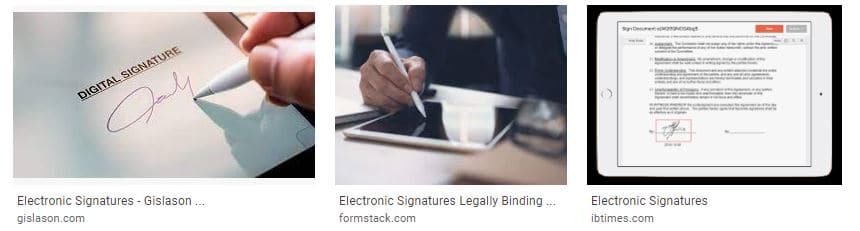
An electronic signature or e-signature, according to Wikipedia, refers to data in electronic form, which is logically associated with other data in electronic form and which is used by the signatory to sign. This type of signature has the same legal standing as a handwritten signature as long as it adheres to the requirements of the specific regulation under which it was created.
E-Signing Saves You Time & Money
In the fast-paced environment we do business in today, many providers are competing for the services you offer. When engaged with a prospect that is excited about what you have just told them, you can close the deal on the spot with an electronic form and signature. Documents remain secure and with the quote, order, and signature electronically connected and stored online, accessing the documents when you need them becomes much easier.
How are they regulated?
Unlike a Digital Signature which is verified by a certification authority, e-signatures are not protected by cryptography and can be as simple as a name added to an electronic document. The laws that govern their use and validity are The Electronic Signatures in Global and National Commerce Act (ESIGN) and the Uniform Electronic Transactions Act (UETA) in the United States, the Electronic Identification and Trust Services Regulation (eIDAS) in the European Union.
To use encrypted digital signatures you must subscribe to a service like DocuSign, HelloSign, or Signaturit. DocuSign’s marketing website specifically says “when e-signatures are combined with tamper sealing, strong authentication, world-class security, and an audit trail, they can be more enforceable than wet signatures because of the court-admissible evidence they contain.” In contrast, electronic signatures can be easily generated in common software like Microsoft Word, Adobe PDFs, and Google Docs. If you are unsure what best suits your business, consult with your legal advisor.
What does an e-signature look like?
DifferenceBetween.net has posted a great graphic to answer that question and compare them to digital signatures. The bottom line is an electronic signature can be almost anything. A numeric value, a text value, or an image could be used. As an example, in our Fleetistics order forms, we ask for a 4 digit numeric entry as an electronic signature. That number is captured along with the IP address and username of the user completing the order form.
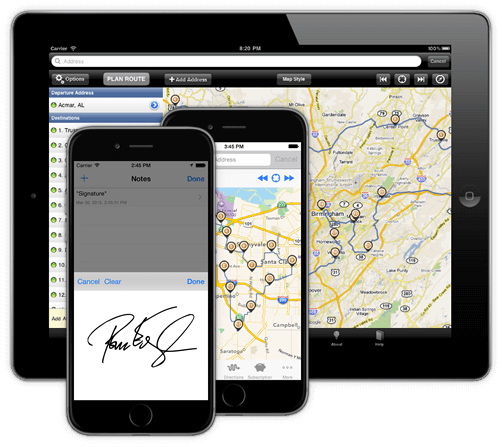
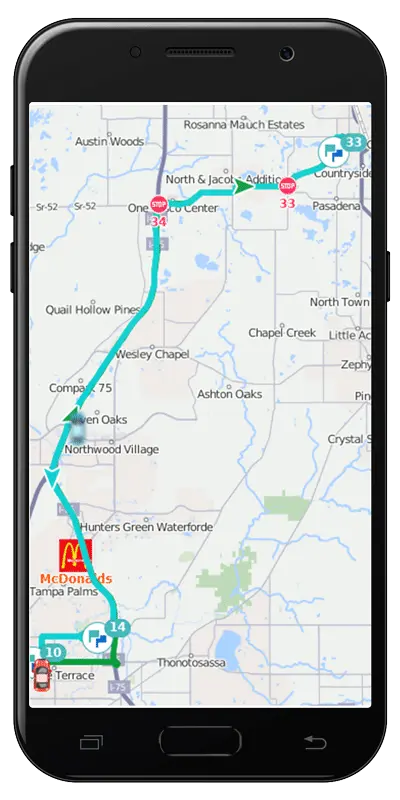
Many of our partners incorporate electronic signatures in the products they offer as well. This is another great example of connecting the different aspects of your business electronically. The planned route, the GPS coordinates of the stop, time-stamped for accountability, and the signature of the customer are all accessible from the app.
What are the benefits of e-signatures?
Speed and clarity are the obvious wins, but there’s more under the hood:
If you need a stronger proof trail, many platforms keep comprehensive audit trails showing each step of the electronic process. That’s helpful for internal controls, disputes, and compliance. It also reduces the “who changed what” argument because the system can keep the record consistent from start to finish.
For teams that move quickly, e-signatures also reduce delays caused by printing, scanning, and chasing paper. Done right, it becomes the default path for approvals, not a special workflow you only use sometimes.
What are the different types of electronic signatures?
When people talk about the types of electronic signatures, they’re usually describing levels of assurance:
- simple electronic signatures: Click-to-sign, typed name, basic acknowledgment.
- advanced electronic signature: Stronger identity checks and data integrity controls.
- qualified electronic signature: Highest assurance level, typically backed by a qualified certificate and stricter identity validation.
If you operate across regions or industries, your “right level” depends on risk, policy, and what your partners expect.
Should you be using e-signatures?
At Fleetistics we are not just concerned with your fleet. With over 21 years in business, we want to use our expertise to help you grow your business and be more efficient in all areas. And the truth is, you probably already use e-signatures and online signatures more than you realize.
As a result of the COVID 19 pandemic, electronic signing is becoming more common all the time. Many restaurants now have a digital screen right on the table to capture a signature for your credit card payment. What about your vendors? Like Fleetistics, many may have incorporated a digital signature into their ordering process.
If your business uses an app on a tablet or smartphone to manage work orders and dispatch your drivers, you may be asking your customers to sign on the tablet when accepting the order. If not, we have several partners that offer that capability integrated with your GPS tracking for even better visibility. Any process that you can automate or accomplish electronically rather than physically is going to provide a significant return on investment.
Frequently Asked Questions
What is considered an electronic signature?
An electronic signature is any electronic method that shows intent to sign and ties that intent to a record. That could be a typed name, a click-to-sign action, or a drawn signature, as long as the record stays accessible and attributable.
Is typing your name an electronic signature?
How do I do an electronic signature?
Most tools let you create an electronic signature in a few clicks. You upload the document, add a signature field, invite the signer, and the platform records the action. If you need higher assurance, look for verification methods that confirm the signer’s identity and store audit details.
What are the three types of electronic signatures?
In most conversations, people mean three levels: simple electronic signatures, advanced electronic signature, and qualified electronic signature.
Fleet Tracking and Telematics
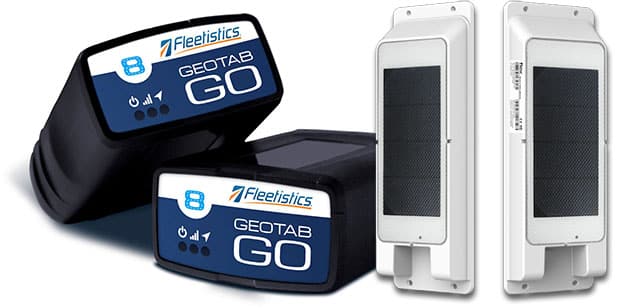
Fleet Management
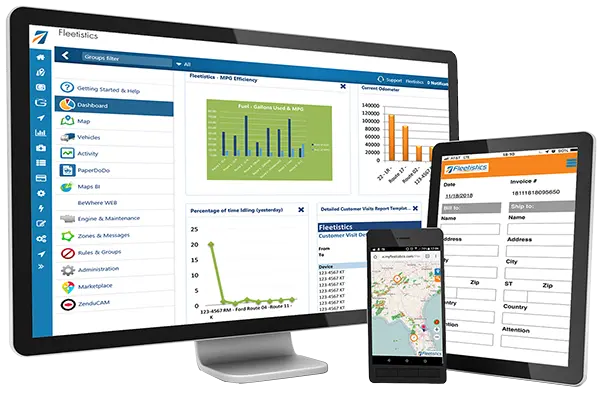
Mobile Tracking Apps
Fleet Safety