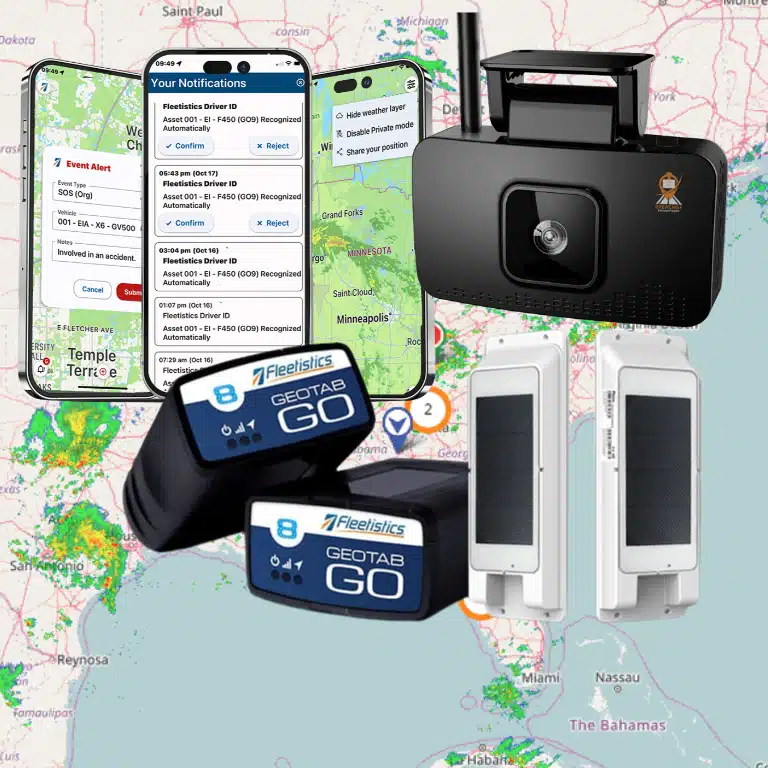

If you think your fleet is just the vehicles on the road, you might be missing the bigger picture. Your company relies on a wide array of mechanical equipment, and it all plays a role in your success. This includes not only your trucks and vans but also the non-powered assets like trailers, the material handling tools like forklifts, and even the HVAC systems that keep your facilities running. Each of these items is a valuable asset that contributes to your bottom line. Adopting a holistic management approach to all your mechanical equipment ensures nothing gets overlooked, helping you reduce loss, optimize usage, and protect your investments across the board.
Since 2001 · Trusted Fleet Management
Stop Guessing.
Start Managing Your Fleet Smarter.
GPS tracking, dashcams & compliance tools
that cut costs and keep your drivers safe.
✔ No commitment required · ✔ US-based support · ✔ Free platform comparison
Key Takeaways
- Expand your definition of a fleet: Your business relies on more than just vehicles; recognize that everything from forklifts to generators are valuable mechanical assets. Managing all your equipment with a unified approach is key to saving costs and improving efficiency.
- Prioritize prevention over reaction: Waiting for equipment to break is a costly strategy. Instead, focus on a preventive maintenance schedule and calculate the total cost of ownership for new purchases to extend asset life and avoid expensive, unplanned downtime.
- Let technology track the details: A modern fleet management platform is your key to proactive management. Use GPS and telematics to get real-time data on equipment health, automate maintenance schedules, and turn those insights into lower operational costs.
What Is Mechanical Equipment?
When we talk about “mechanical equipment,” it sounds technical, but the concept is pretty straightforward. It covers a huge range of tools and machinery your business relies on every day. Think of it as any piece of equipment with moving parts that uses a motor or human power to get a job done. This includes everything from the vehicles in your fleet to specialized machinery on a job site, like generators or air compressors. Essentially, if it has an engine or complex moving parts that do work, you’re likely dealing with mechanical equipment. Understanding what falls under this umbrella is the first step to managing these valuable assets with the right fleet management platform.
What Makes Equipment “Mechanical”?
So, what’s the dividing line between a simple tool and a piece of mechanical equipment? The answer is usually a motor. Equipment gets the “mechanical” label when it has motorized parts or is powered by an engine. This is what separates a complex machine like a backhoe from a simple tool like a shovel. While both are used for digging, the backhoe uses a mechanical system of hydraulics and an engine to do the heavy lifting. This reliance on a power source and moving parts is the key distinction. It’s the difference between a hand cart and a powered forklift.
Key Features of Mechanical Equipment
Beyond just having a motor, mechanical equipment shares a few core features. First, there’s always a system for transferring energy. Think about how an engine’s power is used to turn wheels, lift a forklift’s payload, or spin a generator’s turbine. Second, these machines are built with specific functions in mind, from transportation to heavy lifting. This includes wheeled machines that are either motorized or human-powered. These features are what make them powerful tools for your business, but also what makes them require careful fleet management solutions to track, maintain, and protect.
Common Examples of Mechanical Equipment
The term “mechanical equipment” can feel a bit vague, but it simply refers to machines with motorized or moving parts that help you get work done. While your fleet vehicles are an obvious example, you might be surprised by the wide range of assets that fall under this umbrella. Understanding the full scope of your mechanical equipment is the first step toward managing it effectively. From the systems that keep your buildings running to the heavy machinery on a job site, each piece plays a role in your operations.
Thinking about all these assets holistically can change how you approach management. Instead of just focusing on your trucks, you can start to see opportunities to improve efficiency and reduce costs across the board. Whether it’s a stationary pump or a mobile forklift, every piece of mechanical equipment represents an investment. Keeping track of these assets, monitoring their health, and ensuring they are where they need to be is crucial for a smooth operation. Let’s break down some of the most common categories of mechanical equipment you’ll encounter.
HVAC Systems and Cooling Towers
It’s easy to forget about the equipment working behind the scenes, but the systems that run your facilities are critical mechanical assets. This includes your heating, ventilation, and air conditioning (HVAC) units, as well as related components like ductwork, fans, and cooling towers. These systems are the mechanical heart of a building, ensuring a safe and comfortable environment for your team and protecting sensitive inventory. While they aren’t mobile, they require regular maintenance and monitoring to prevent costly downtime. Thinking of your building’s HVAC as part of your overall equipment inventory helps you prioritize its upkeep just like any other valuable machine.
Pumps, Compressors, and Heat Exchangers
In many industries, especially manufacturing, energy, and water treatment, you’ll find a variety of specialized mechanical equipment. Pumps, compressors, and heat exchangers are the workhorses that keep industrial processes moving. Pumps move fluids, compressors handle gases, and heat exchangers transfer thermal energy. For fleets that service or operate in these sectors, this equipment is central to daily operations. Managing their performance and scheduling maintenance is essential for preventing failures that could shut down an entire job site or production line. These components are often high-value and critical to your company’s output.
Industrial Machinery and Power Tools
Beyond large vehicles, your business likely relies on a wide range of industrial machinery and power tools. This category includes everything from generators and air compressors to powered carts and heavy-duty drills used on job sites. While smaller than a truck or a crane, this equipment is often valuable, mobile, and essential for your crews to do their jobs. Because they move between sites and are handled by different teams, these assets can easily get misplaced or left behind. Implementing a system to track your assets ensures you always know where your tools are, helping to reduce loss and improve utilization.
Material Handling: Forklifts, Cranes, and Conveyors
If your business involves a warehouse, construction site, or shipping yard, then material handling equipment is a huge part of your mechanical fleet. Forklifts, cranes, boom lifts, and conveyor systems are all designed to move materials efficiently and safely. These machines are often in constant use and represent a significant investment. Managing them effectively means monitoring their usage to optimize workflows, tracking their location to ensure they are deployed effectively, and staying on top of maintenance to prevent unexpected breakdowns. Proper management of this equipment is key to maintaining a productive and safe work environment.
Vehicles and Fleet Assets
Finally, we get to the most familiar category for any fleet manager: the vehicles themselves. Your cars, vans, trucks, and trailers are all prime examples of mechanical equipment. This also extends to specialized fleet assets like construction vehicles, agricultural machinery, and even watercraft. These are your core mobile assets, and their performance directly impacts your bottom line. Using a comprehensive fleet management platform allows you to see everything in one place, from real-time location and driver behavior to engine diagnostics and maintenance schedules. This holistic view helps you make smarter decisions that improve the efficiency and longevity of your entire fleet.
The Role of Mechanical Equipment in Key Industries
Mechanical equipment is the backbone of so many industries. From the massive cranes that shape our city skylines to the complex machinery that produces life-saving medicine, these assets are what make modern business possible. Understanding the specific role your equipment plays is the first step toward managing it effectively. When you know just how critical a piece of machinery is to your operation, you can make smarter decisions about its maintenance, tracking, and replacement. Let’s look at how mechanical equipment drives success across several key sectors. By seeing the bigger picture, you can better appreciate the value of every asset in your fleet and the importance of keeping it running smoothly.
Construction and Engineering
On any construction site, mechanical equipment does the heavy lifting. Assets like excavators, bulldozers, and cranes are fundamental for moving earth, digging foundations, and raising structures. Without them, projects would take exponentially longer and be far more dangerous for workers. The right equipment not only improves productivity but also ensures the job gets done safely and on schedule. In fact, the Construction Industry Institute notes that using advanced mechanical equipment can significantly shorten project timelines and improve overall efficiency. For fleet managers in this sector, keeping these high-value assets in top condition is directly tied to project profitability and success.
Transportation and Logistics
In transportation and logistics, the entire supply chain runs on mechanical equipment. Trucks, forklifts, and conveyor systems are the workhorses that keep goods moving from warehouses to doorsteps. The reliability of this equipment is non-negotiable. A breakdown can cause major delays, disrupt schedules, and lead to unhappy customers. According to the American Trucking Associations, trucks are responsible for moving more than 70% of all freight in the United States. This statistic alone shows just how essential dependable trucks are to our economy. Efficiently managing these assets, from routing to maintenance, is key to maintaining a fluid and profitable supply chain.
Manufacturing
The manufacturing floor is a carefully orchestrated dance of mechanical equipment. Machinery like CNC machines, robotic arms, and assembly lines are integral to producing goods with speed and precision. These systems handle repetitive tasks, ensure consistent quality, and allow for high-volume production that would be impossible to achieve manually. The National Association of Manufacturers points out that integrating advanced mechanical equipment can result in major cost savings and higher product quality. For managers overseeing a manufacturing fleet, maximizing equipment uptime is the primary goal, as every minute of operation contributes directly to the bottom line.
Oil, Gas, and Energy
In the demanding oil, gas, and energy sectors, specialized mechanical equipment is essential for exploration, extraction, and processing. Heavy-duty assets like drilling rigs, pumps, and compressors operate in harsh conditions and are critical for both operational efficiency and worker safety. A failure in this environment can be catastrophic, making reliability a top priority. The International Association of Oil & Gas Producers reports that ongoing advancements in mechanical technology have led to safer and more efficient extraction methods. Managing these complex assets requires a proactive approach to maintenance and monitoring to prevent costly downtime and ensure compliance with strict safety standards.
Food Processing and Healthcare
Mechanical equipment plays a vital role in industries where safety and hygiene are paramount, such as food processing and healthcare. In food processing, machines like industrial mixers, ovens, and packaging systems ensure products are made and sealed according to strict quality standards. The Food Processing Suppliers Association highlights that modern equipment is crucial for enhancing food safety and minimizing waste. Similarly, in healthcare, devices such as sterilizers, diagnostic machines, and patient lifts are essential for providing effective care and maintaining a sterile environment. For fleets in these fields, meticulous maintenance and tracking are necessary to protect public health and ensure operational integrity.
What’s New in Mechanical Equipment?
The world of mechanical equipment is constantly evolving. Staying on top of the latest trends isn’t just about having the newest gear; it’s about finding smarter ways to improve safety, efficiency, and your bottom line. From robots on the factory floor to AI-powered analytics, these innovations are changing how fleets operate. Understanding these shifts can help you make more strategic decisions for your team and your assets. Let’s look at some of the most significant changes happening right now and what they mean for you as a fleet manager.
Automation, Robotics, and Smart Tech
Automation is no longer a far-off concept; it’s a practical tool that’s reshaping the industry. Integrating robotics and smart technology into your operations can lead to major gains in productivity and significant reductions in labor costs. Think of automated systems handling repetitive tasks in a warehouse or robotic arms assisting with manufacturing. This shift allows your skilled team members to focus on more complex work while reducing the risk of human error and improving overall safety. As technology advances, the future of work will likely involve even greater collaboration between humans and machines, making operations smoother and more efficient.
IoT Integration and Real-Time Data
The Internet of Things (IoT) is all about connecting your equipment to the internet, giving you a constant stream of valuable information. By placing sensors on your machinery, you can gather real-time data on everything from engine performance and fuel consumption to location and operating hours. This data is the foundation of predictive maintenance, allowing you to spot potential issues before they cause a breakdown. According to Deloitte, IoT-enabled devices are key to reducing downtime and making smarter, data-driven decisions. This is where telematics platforms become so powerful, turning raw data into actionable insights that keep your fleet running smoothly.
A Focus on Energy Efficiency and Sustainability
Sustainability has become a major focus in equipment design, and for good reason. It’s not just about meeting environmental regulations; it’s also about cutting operational costs. Modern mechanical equipment is being built with energy efficiency as a top priority. Simple energy efficiency improvements can lead to a substantial drop in energy consumption, which translates directly to savings on fuel and electricity bills. Adopting these greener technologies helps you build a more resilient and cost-effective operation for the long term while also protecting your company’s brand image as a responsible business.
Advanced Materials and 3D Printing
Innovations in manufacturing are making mechanical equipment stronger, lighter, and more sustainable. The use of advanced composite materials can extend the life of your assets, while 3D printing is changing how we approach repairs and part replacements. Instead of waiting weeks for a specific part, you could potentially print one on-demand. This technology also dramatically reduces waste. Studies show that 3D printing can cut material waste by up to 90% compared to traditional methods. For fleet managers, this means faster repairs, less downtime, and a more sustainable supply chain for the parts you need most.
How to Choose the Right Mechanical Equipment
Picking the right mechanical equipment can feel like a high-stakes decision, because it is. The right choice can streamline your operations for years, while the wrong one can become a constant source of headaches and expenses. This isn’t just about buying a new tool; it’s about making a long-term investment in your fleet’s productivity, safety, and overall financial health. Getting it right means your team has the resources they need to perform their best, your maintenance schedule is predictable, and your budget isn’t being drained by unexpected repairs or inefficient performance. Getting it wrong can lead to costly downtime, frustrated employees, and even safety incidents that put your people and your brand at risk.
Instead of getting overwhelmed by the sheer number of options, you can simplify the process by breaking it down into a few key steps. A methodical approach helps you move past the sticker price and focus on what truly matters: value. By first understanding your specific operational requirements, you can create a clear set of criteria to measure each potential purchase against. From there, you can evaluate factors like build quality, safety compliance, and the total cost of ownership over the equipment’s entire lifecycle. This framework will empower you to look beyond the sales pitch and make a confident, data-driven decision that serves your fleet well for the long haul.
Assess Your Operational Needs
Before you even start looking at models and manufacturers, take a step back and define exactly what you need the equipment to do. What specific tasks will it perform? Who will be operating it, and what are their daily challenges? Consider the environment it will be used in, whether it’s a climate-controlled warehouse or a rugged outdoor job site. Talk to your team on the ground, including operators and maintenance staff. They have firsthand experience and can offer practical insights you might miss. Create a simple checklist of “must-have” features versus “nice-to-have” perks. This simple exercise will give you a clear blueprint to guide your search and prevent you from overspending on features you don’t actually need.
Prioritize Efficiency and Build Quality
The cheapest option on the market is rarely the most cost-effective one in the long run. A lower upfront price can often hide future expenses like high fuel consumption, frequent breakdowns, and costly repairs. Instead, prioritize build quality and operational efficiency. Look for equipment from reputable manufacturers known for their durability and performance. Check for energy efficiency ratings and ask for data on fuel or power consumption. A machine that costs more initially but saves you money on energy every day can deliver a much better return on your investment. Investing in quality equipment means more uptime for your operations and a healthier bottom line. It’s a shift from thinking about a one-time cost to understanding long-term value.
Evaluate Safety Features and Compliance
In any fleet operation, safety is paramount. When evaluating new equipment, make its safety features a top priority. Look for built-in protections like emergency shut-offs, safety guards, and clear, intuitive controls. Ensure the equipment meets or exceeds all Occupational Safety and Health Administration (OSHA) standards and any other industry-specific regulations that apply to your business. Don’t forget to consider how technology can enhance safety. For your mobile assets, tools like AI-powered dashcams can provide an invaluable layer of security by monitoring operations and encouraging safe behavior. Verifying that a piece of equipment is fully compliant from day one protects your team and your business from preventable accidents and potential fines.
New vs. Used: Which Is Right for You?
The decision between buying new or used equipment depends heavily on your budget, your needs, and your tolerance for risk. New equipment comes with the latest technology, a full manufacturer’s warranty, and the peace of mind that you’re its first owner. You know its complete history because you’re creating it. Used equipment, on the other hand, can offer significant upfront savings. However, it may come with a shorter lifespan, unknown maintenance history, and no warranty. If you’re considering a used machine, it’s absolutely essential to have it thoroughly inspected by a qualified professional. Ask for detailed maintenance records to get a clear picture of its condition. A great deal isn’t so great if it leads to constant downtime and repair bills.
Calculate the Total Cost of Ownership
The sticker price is just the beginning of the story. To make a truly smart financial decision, you need to calculate the total cost of ownership (TCO). This includes the initial purchase price plus all associated costs over the equipment’s entire lifespan. Think about expenses like fuel or energy, routine maintenance, insurance, operator training, and potential repair costs. Also, investigate the availability and cost of spare parts. An obscure brand might be cheaper to buy, but if parts are expensive or hard to find, your equipment could be out of commission for weeks. Using a fleet management platform to track these variables can give you a clear, data-backed view of what your assets truly cost to run, helping you make better purchasing decisions in the future.
Why You Can’t Ignore Mechanical Equipment Maintenance
An unexpected breakdown is more than just an inconvenience; it’s a disruption that can derail an entire day’s schedule, disappoint a client, and eat into your profits. While it’s impossible to prevent every issue, a strategic approach to maintenance can get you pretty close. Thinking of maintenance as a core part of your operational strategy, rather than a background task, is the key to running a smooth, reliable, and profitable fleet. It’s about shifting from a mindset of fixing what’s broken to one of keeping things from breaking in the first place.
Preventive vs. Reactive Maintenance
Think of your maintenance strategy in two ways: are you playing offense or defense? Reactive maintenance is defense; it’s the scramble to fix equipment after it has already failed. This approach leads to unplanned downtime, stressful emergencies, and unpredictable costs. Preventive maintenance, on the other hand, is all offense. It involves keeping equipment in good working order through regular servicing to stop problems before they start. A balanced approach that emphasizes preventive maintenance can significantly reduce downtime and extend the lifespan of your mechanical equipment, giving you more control over your schedule and your budget.
The High Cost of Poor Maintenance
Putting off routine service might seem like a way to save a little money today, but it’s a gamble that rarely pays off. Neglecting maintenance can lead to costly repairs and serious operational inefficiencies that hurt your bottom line. A single unexpected failure can trigger a domino effect: a vehicle is out of commission, a job is delayed, a client is unhappy, and you’re paying for emergency repairs and overtime. Beyond the immediate repair bill, poorly maintained equipment often consumes more fuel and is more likely to fail safety inspections. Prioritizing maintenance isn’t an expense; it’s an investment that protects your assets, your reputation, and your profitability.
Tools to Help Schedule Maintenance
Manually tracking service intervals for an entire fleet using spreadsheets and sticky notes is a huge challenge. It’s easy for an oil change or inspection to get missed, leading to the exact problems you’re trying to avoid. This is where technology becomes your most valuable player. Modern fleet management platforms use telematics data, like mileage, engine hours, and diagnostic codes, to automate the entire process. These systems can send you alerts when a specific vehicle is due for service, allowing you to schedule maintenance proactively and efficiently. This ensures your equipment gets the attention it needs on time, every time, without you having to track it all by hand.
How Fleet Tracking Helps Manage Mechanical Equipment
Managing your mechanical equipment effectively means knowing more than just its location. It’s about understanding its performance, health, and usage patterns. Modern fleet tracking solutions give you the data you need to make smarter decisions, cut costs, and keep your operations running smoothly. Whether your equipment is powered, non-powered, on the road, or at a job site, the right technology provides a complete picture of your assets.
This visibility allows you to move from a reactive management style to a proactive one, addressing small issues before they become costly problems. By integrating GPS tracking and telematics, you can extend the life of your equipment, improve productivity, and protect your investments. Here’s a closer look at how these tools help you manage your most important mechanical assets.
Use GPS to Track Mobile Equipment
Knowing exactly where your mobile equipment is at all times isn’t just for peace of mind; it’s a direct path to greater efficiency. GPS tracking provides real-time location data that helps you optimize routes, dispatch the nearest asset to a job, and verify service calls. This level of control allows you to cut down on unnecessary travel and reduce idle time, which directly impacts your bottom line. By ensuring your equipment is used more efficiently, you not only improve daily productivity but also extend the operational lifespan of your valuable assets. Better routing and less idling can significantly reduce fuel costs and wear and tear over time.
Monitor Equipment Performance with Telematics
Think of telematics as a health monitor for your machinery. These systems go beyond location to collect critical performance data, including engine hours, fuel consumption, fault codes, and maintenance needs. This information gives you a clear view of how your equipment is actually being used in the field. Instead of waiting for a breakdown to happen, you can use this data to schedule proactive maintenance. A study from the American Transportation Research Institute found that this approach can lead to a notable reduction in maintenance costs. By staying ahead of repairs, you minimize unexpected downtime and keep your equipment reliable and ready for work.
Track Your Non-Powered Assets
Your valuable assets aren’t just the ones with engines. Trailers, containers, generators, and other non-powered equipment are just as critical to your operations, but they can be easy to misplace. Fleet tracking solutions aren’t limited to vehicles; you can use durable GPS or RFID tags to monitor these assets, too. Attaching a tracker allows you to see an asset’s last known location, set up alerts if it moves outside a designated area, and improve your inventory management. This visibility is key to preventing loss and theft, which can deliver significant cost savings. More importantly, it ensures your non-powered assets are always accounted for and ready to be deployed when needed.
Meeting Safety and Compliance Standards
Keeping your equipment running is one thing; making sure it runs safely and legally is another. Staying on top of safety and compliance standards is non-negotiable for any fleet manager. It protects your team, your equipment, and your company’s reputation. While the web of rules can seem complex, it all comes down to creating a safe working environment and operating responsibly. With the right tools and knowledge, you can manage compliance confidently instead of just reacting to problems.
Key Regulations to Know
Keeping up with regulations can feel like a full-time job, but a few key agencies set the standards you’ll encounter most often. The Occupational Safety and Health Administration (OSHA) sets the rules for workplace safety, and you can find their safety and health regulations online to ensure your equipment and operator training are up to par. Meanwhile, the Environmental Protection Agency (EPA) has its own set of rules, particularly concerning vehicle emissions under the Clean Air Act. And for commercial vehicles, you’ll need to be familiar with the Department of Transportation’s FMCSA regulations, which govern safe operation.
How Telematics Improves Safety and Compliance
This is where your telematics system becomes your best friend. Instead of manually tracking everything, telematics gives you real-time data on vehicle performance and driver behavior. You can use AI-powered dashcams to identify risky habits and provide targeted coaching before an incident occurs. These systems also streamline compliance by automating reports for things like hours of service (HOS) and vehicle inspections (DVIR). This reduces the administrative burden and ensures your records are accurate and accessible. By choosing the right fleet management platform, you can turn compliance from a chore into a seamless part of your daily operations.
How to Reduce Long-Term Equipment Costs
The initial price of a piece of equipment is just one part of its total cost. To truly get a handle on your budget, you need to think about the entire lifecycle of your assets. Smart financial planning combined with proactive management is the key to keeping long-term costs in check and maximizing the value of every machine in your fleet. By looking beyond the purchase price, you can uncover significant savings in maintenance, fuel, and replacement expenses down the road. It’s about making strategic decisions today that will pay off for years to come.
Understand Your Financing Options
Making the right financial moves upfront can save you a lot of money. The first big question is often whether leasing vs. buying equipment is the better choice for your business. Leasing can offer lower initial costs and predictable monthly payments, while buying gives you equity in the asset. Many dealers also provide financing plans to spread out the cost. Don’t forget to consider the tax benefits. For example, Section 179 of the tax code allows businesses to deduct the full purchase price of certain equipment, which can be a huge advantage. Talking with a financial advisor can help you figure out the best path for your company’s specific situation.
Use Smart Management to Lower Costs
Once the equipment is yours, how you manage it directly impacts your bottom line. A proactive approach is always better than a reactive one. Implementing a schedule for preventive maintenance is one of the most effective ways to prevent expensive breakdowns and extend the life of your machinery. You can also use technology to your advantage. The right fleet management platform with telematics gives you real-time data on equipment performance, helping you spot inefficiencies and reduce fuel consumption. Finally, remember the human element. Proper training ensures your team operates equipment correctly, reducing wear and tear and promoting a culture of care that protects your investment.
Related Articles
- Fleet Vehicle Maintenance Software & Solutions – Fleetistics
- Low Cost Asset Tracking System – Fleetistics
- Construction Fleet Tracking Software – Fleetistics
- 52 Fleet Management Tips for Success from Fleetistics
- Construction Equipment Tracking – Vehicle and Asset tracking
Since 2001 · Trusted Fleet Management
Stop Guessing.
Start Managing Your Fleet Smarter.
GPS tracking, dashcams & compliance tools
that cut costs and keep your drivers safe.
✔ No commitment required · ✔ US-based support · ✔ Free platform comparison
Frequently Asked Questions
My business only has a few vehicles, but we use a lot of other machinery like generators and forklifts. Does this advice still apply? Yes, absolutely. The term “fleet” isn’t just about your trucks. It includes all the valuable mechanical assets your business relies on, from material handling equipment like forklifts to job site machinery like generators and compressors. Thinking of all these pieces as a single, manageable system allows you to apply the same principles of tracking, maintenance, and cost analysis across the board for better efficiency and control.
What’s the most important factor when choosing new equipment: price, quality, or features? While the initial price is tempting to focus on, the true cost-effectiveness comes from looking at the total cost of ownership. A cheaper machine that uses more fuel or breaks down frequently will cost you far more in the long run through downtime and repairs. It’s best to prioritize build quality and operational efficiency first. Then, consider the specific features you truly need to get the job done. This approach ensures you invest in long-term value, not just a low sticker price.
Preventive maintenance sounds great, but how do I actually keep track of it for all my different assets? Trying to manage service schedules with spreadsheets or calendars is a recipe for missed appointments and unexpected downtime, especially as your business grows. The most effective way is to use a fleet management platform that automates the process. These systems can use data like engine hours or mileage to send you automatic alerts when service is due, so you can schedule work proactively without having to manually track every single asset.
How can tracking technology help with equipment that doesn’t have an engine, like a trailer or a large tool container? That’s a great question. For assets without their own power source, you can use durable, battery-powered GPS trackers. These devices can be attached to trailers, containers, or any other valuable non-powered equipment. They allow you to see the asset’s last known location, get an alert if it moves unexpectedly, and conduct faster inventory checks. It’s an effective way to prevent loss and ensure you always know where your equipment is.
Besides breakdowns, what are the hidden costs of not maintaining my equipment properly? The most obvious cost is an emergency repair bill, but the hidden expenses are often more damaging to your budget. Poorly maintained equipment almost always uses more fuel, which adds up quickly across your fleet. It also poses a greater safety risk to your operators and can lead to failed inspections and costly fines. Over time, this neglect shortens the equipment’s useful life, forcing you to replace a valuable asset much sooner than planned.