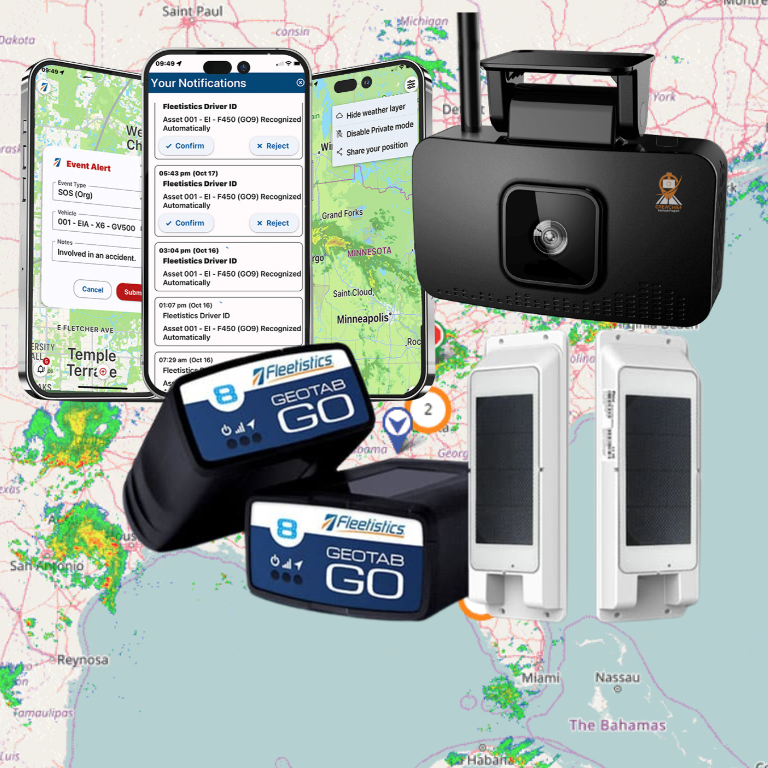



When most people think of GPS tracking, they picture a single dot moving across a map. For a business, that dot is just the beginning of the story. The real value isn’t just knowing where your vehicles are, but understanding how they’re being used. Are your drivers operating safely? Is a truck idling for too long and wasting fuel? Is a piece of equipment due for maintenance? The best GPS vehicle tracking systems answer these questions by turning simple location data into powerful business insights. This article will walk you through the essential features that separate a basic tracker from a true fleet management solution that can transform your operations.
Since 2001 · Trusted Fleet Management
Stop Guessing.
Start Managing Your Fleet Smarter.
GPS tracking, dashcams & compliance tools
that cut costs and keep your drivers safe.
✔ No commitment required · ✔ US-based support · ✔ Free platform comparison
Key Takeaways
- Match the Tracker to Your Goal: Determine your primary need before choosing a device. A simple tracker is great for personal car security, while a comprehensive fleet management system is necessary for handling business operations, safety, and compliance.
- Look Beyond the Device to the Software: The best hardware is only as good as the software that supports it. Prioritize a system with an intuitive dashboard, real-time alerts, and detailed reporting that turns location data into actionable business insights.
- Calculate the True Cost and Confirm Legality: Remember to factor in both the upfront hardware price and the ongoing monthly subscription fee. For business use, tracking company-owned vehicles is legal, but you must inform your employees with a clear, written policy.
How Does GPS Vehicle Tracking Work?
You see the dot moving across your screen, but what’s the magic happening behind the scenes? It might sound complicated, but the technology is actually pretty straightforward once you break it down. At its core, a GPS vehicle tracking system has three main parts working together to give you the information you need.
First, there’s the tracking device itself. This small piece of hardware is installed in your vehicle. It contains a GPS receiver that communicates with the Global Positioning System (GPS), a network of satellites orbiting the Earth. By receiving signals from multiple satellites, the device can calculate its precise location, speed, and direction of travel with incredible accuracy.
Next, the device needs a way to send that information back to you. It uses a built-in cellular modem, much like the one in your smartphone, to transmit its location data over a mobile network to a secure server. This happens automatically at regular intervals, often every few seconds, giving you a near real-time view of your vehicle’s activity.
Finally, that data is organized and presented to you in an easy-to-use software application. This is the part you interact with, whether it’s a web-based dashboard on your computer or a mobile app on your phone. These fleet management platforms translate the raw data into a live map, historical reports, and custom alerts, turning simple location points into powerful business insights. So, in just a few steps, information travels from space, to your vehicle, and directly to your screen.
What to Look for in a GPS Vehicle Tracker
Choosing the right GPS tracker can feel overwhelming with so many options on the market. But when you know what to look for, you can cut through the noise and find a solution that fits your fleet perfectly. The best device for your business isn’t just about finding a dot on a map; it’s about getting reliable data that helps you make smarter decisions, improve safety, and run a more efficient operation.
Think of it as a checklist. A solid GPS tracking system should offer a combination of real-time visibility, powerful alerts, and user-friendly software. It also needs to be tough enough to handle the demands of your daily work and scalable enough to grow with your business. Let’s break down the essential features you should have on your list.
Live Location & Pinpoint Accuracy
The most fundamental job of a GPS tracker is to tell you where your vehicles are, and for fleet management, “close enough” doesn’t cut it. You need a system that provides live, real-time location updates with pinpoint accuracy. This allows you to see your entire fleet’s movements as they happen, not where they were ten minutes ago.
This real-time visibility is critical for efficient dispatching, providing customers with accurate ETAs, and quickly recovering a vehicle in case of theft. A quality fleet management solution will not only show you a vehicle’s current location but also provide detailed trip histories and driving reports, giving you a complete picture of your daily operations.
Custom Alerts and Geofencing
A great GPS system does more than just track; it actively monitors your fleet for you. Custom alerts are your secret weapon for managing driver safety and vehicle health. You can set up notifications for specific events like speeding, harsh braking, rapid acceleration, or excessive idling. These alerts let you address risky driving habits before they lead to accidents or wasted fuel.
Geofencing takes this a step further by letting you create virtual boundaries around important locations, like job sites, customer locations, or your main yard. You can receive an alert the moment a vehicle enters or leaves a designated area. This is perfect for verifying service calls, automating timesheets, and ensuring your vehicles aren’t being used for unauthorized trips after hours.
Battery Life & Power Options
How a tracker gets its power is a crucial detail. You’ll generally find three types: OBD-II plug-ins, hardwired units, and battery-powered devices. OBD-II trackers are easy to install by plugging them directly into a vehicle’s diagnostic port. Hardwired trackers are connected to the vehicle’s electrical system, making them a more permanent and tamper-resistant option.
Battery-powered trackers offer the most flexibility. Since they don’t need a connection to the vehicle, you can place them on any asset, like trailers, containers, or expensive equipment. The trade-off is that you’ll need to manage their battery life. Look for devices with long-lasting batteries and low-battery alerts to ensure you don’t lose track of your valuable assets.
Built to Last: Durability and Weatherproofing
Your vehicles and equipment work in the real world, which means they face everything from rain and snow to dust and extreme temperatures. Your GPS trackers need to be just as tough. Look for devices built to withstand harsh conditions. A key feature to check for is an IP (Ingress Protection) rating, which tells you how resistant the device is to dust and water.
For trackers used on trailers or outdoor equipment, a durable, weatherproof casing is non-negotiable. Many asset trackers also come with powerful magnets, allowing you to easily and securely attach them to any metal surface. A tracker that fails when the weather turns bad is one you can’t rely on, so don’t overlook durability.
An Easy-to-Use App and Dashboard
The most advanced hardware in the world won’t do you any good if the software is a nightmare to use. The mobile app and web dashboard are where you’ll spend your time, so they need to be intuitive, clear, and fast. A good user interface allows you to see your entire fleet at a glance on a clean map, then easily drill down for more details on a specific vehicle.
You should be able to generate reports, set up alerts, and review trip histories without needing a user manual. Before committing, ask for a demo of the software. The right fleet management platform makes it easy to find the information you need, helping you manage your fleet more effectively.
Tracking Multiple Vehicles & Integrating Systems
If you’re managing more than one vehicle, you need a system designed for fleets, not for tracking a single car. Your platform should allow you to view and manage all your vehicles and assets from a single account. You should be able to group vehicles by type, location, or team to keep your operations organized as your business grows.
Even better, look for a system that can integrate with other software you already use. The most powerful solutions offer APIs (Application Programming Interfaces) that allow your GPS data to flow into other business tools, like dispatching, payroll, or maintenance software. This integration eliminates manual data entry and creates a truly connected, streamlined workflow for your entire operation.
Choosing Your Tracker Type: Pros and Cons
GPS trackers aren’t a one-size-fits-all solution. The right hardware for your fleet depends on your specific goals, vehicle types, and how you plan to use the data. The three main categories are plug-in, hardwired, and battery-powered trackers. Each has its own set of benefits and drawbacks related to installation, security, and power. Thinking through these differences is the first step in building a tracking system that truly works for your business, giving you the insights you need without the headaches you don’t.
OBD-II Plug-In Trackers
If you’re looking for the quickest and easiest setup, an OBD-II tracker is your answer. These devices plug directly into the On-Board Diagnostics port found in most vehicles made after 1996. Installation takes seconds, and the tracker draws power directly from the vehicle, so you never have to worry about charging it. The main downside is that they are just as easy to unplug as they are to install, making them less secure if you’re concerned about driver tampering or theft. They are a great starting point for small businesses or for fleets where you need the flexibility to move trackers between vehicles without a complicated installation process.
Hardwired GPS Trackers
For a more permanent and secure solution, hardwired trackers are the industry standard. These devices are wired directly to the vehicle’s electrical system and can be completely concealed, making them nearly impossible for a driver or thief to find and disable. Because they have a constant power source, they are always on and reporting. The trade-off is that installation is more complex and may require a professional, which adds to the initial setup time and cost. Hardwired trackers are the best choice for managing business fleets, protecting high-value assets, and ensuring you have a reliable, long-term fleet management solution.
Battery-Powered GPS Trackers
When you need maximum flexibility or have to track assets without a constant power source, battery-powered trackers are perfect. You can place these compact devices almost anywhere, making them ideal for trailers, containers, and heavy equipment. They can also be moved between vehicles as needed. The key consideration here is battery life. These trackers need to be recharged periodically, and the battery will drain faster if you require frequent location updates. They are an excellent option for tracking assets that may sit idle for long periods or for any situation where a wired installation just isn’t practical.
A Head-to-Head Comparison of the Best GPS Trackers
Choosing a GPS tracker can feel overwhelming, but it really comes down to what you need to accomplish. Are you trying to keep an eye on a personal car, or are you managing a full fleet of business vehicles? The right tool for a family car is very different from what a commercial fleet needs. While many trackers offer basic location data, the differences in hardware, software, and features are significant. Some are simple plug-and-play devices perfect for a single vehicle, while others are comprehensive systems designed to streamline an entire business operation. Let’s walk through some of the most popular options on the market to see how they stack up and help you find the perfect fit for your specific situation.
1. Fleetistics
While many trackers are designed for a single vehicle, Fleetistics offers a complete system built for the demands of a business. This isn’t just about seeing a dot on a map; it’s a comprehensive solution designed to manage an entire fleet. You can choose from several fleet management platforms that integrate everything from real-time GPS tracking and AI-powered dashcams to ELD compliance and maintenance scheduling. The real strength is how all the pieces work together, giving you a single dashboard to monitor driver safety, reduce fuel costs, and streamline operations. It’s built for businesses that need more than just location data and want a scalable system that grows with them.
2. Bouncie
Bouncie is a fantastic all-around choice for personal vehicle tracking, often praised for its simple plug-and-play setup. According to tests by Car and Driver, its user-friendly app makes it easy to check on fuel levels, engine diagnostics, and battery health right from your phone. It also sends helpful alerts for things like speeding or hard braking, which is great for keeping tabs on a family car or a new teen driver. With an affordable monthly subscription, it provides a lot of insight for everyday use without being overly complicated. It’s a solid starting point for anyone new to GPS tracking.
3. Trak-4
If you need flexibility, the Trak-4 is a standout option. It comes in both a hardwired model and a battery-powered version, making it adaptable for different needs. The portable model is especially impressive, with a battery that can last over a year on a single charge, depending on your settings. This makes it perfect for tracking assets that don’t have their own power source, like trailers, equipment, or even a classic car stored for the winter. As noted by Trak-4, its low device cost and flexible monthly plans make it an accessible choice for tracking your most valuable items without a long-term commitment.
4. LandAirSea 54
For those who just want the basics done right, the LandAirSea 54 is a simple and reliable tracker. It’s a compact, waterproof device with a strong internal magnet, so you can easily attach it to any vehicle or asset. The app is straightforward, providing essential alerts for speed limits, battery life, and geofencing, which notifies you when the tracker enters or leaves a specific area you’ve defined on the map. It’s a no-fuss device that delivers core tracking features effectively. If you don’t need detailed engine diagnostics or complex reports, this is a durable and dependable option for simple location monitoring.
5. Tracki 4G Mini
The Tracki 4G Mini proves that good things come in small packages. This tiny tracker is incredibly versatile and affordable, making it a popular choice for a wide range of uses. Because it’s so small, you can easily tuck it into a car, a backpack, or a piece of luggage. It offers reliable 4G LTE tracking with global coverage, so you can monitor your assets almost anywhere in the world. With a low upfront cost for the device and budget-friendly monthly plans, the Tracki is an excellent entry-level option for anyone who needs a discreet and portable way to keep an eye on their valuables.
6. BrickHouse LiveWire Volt
If you’re looking for a “set it and forget it” solution, the BrickHouse LiveWire Volt is one of the best hardwired options available. This tracker connects directly to your vehicle’s battery, so you never have to worry about it running out of power or needing a recharge. It’s built to be tough, with a waterproof design that can handle exposure to the elements. The LiveWire Volt provides reliable real-time tracking and a variety of custom alerts. It’s an ideal choice for anyone who needs a permanent, low-maintenance tracking device that they can count on to be working 24/7, no matter the conditions.
How Much Does GPS Vehicle Tracking Cost?
When you start looking at GPS trackers, the pricing can feel a bit all over the map. That’s because the total cost is usually split into two parts: the upfront price for the hardware itself and an ongoing subscription fee for the tracking service. What you’ll pay depends entirely on the features you need and the number of vehicles you’re tracking. A simple tracker for one car will have a different cost structure than a comprehensive system for a commercial fleet.
The key is to look at the total cost of ownership, not just the sticker price of the device. Some trackers have a low upfront cost but a higher monthly fee, while others are the opposite. For businesses, it’s also important to consider how the tracker fits into your overall operations. A good provider will offer different platforms that scale with your needs, ensuring you only pay for the features that actually benefit your bottom line. This approach helps you avoid overspending on capabilities you won’t use while giving you the flexibility to add more advanced tools as your business grows. We’ll break down the costs so you know exactly what to expect.
The Upfront Cost of Hardware
First, you’ll have the one-time cost of the tracking device. For consumer-grade trackers you might find online, this price can range from around $45 to $90. For example, a popular device like the CARLOCK 4G Car Tracker typically sells for about $50, while others can be closer to $90. This initial investment gets you the physical unit that you’ll place in your vehicle.
The price often reflects the tracker’s features and build quality. A simple plug-in device will generally cost less than a durable, weatherproof, hardwired unit designed for heavy machinery. For business fleets, some providers may offer hardware leasing options or discounts on bulk purchases, which can lower the initial expense. When comparing options, think about whether you need a basic location pinger or a more robust device with advanced sensors and AI-powered dashcams.
Ongoing Subscription Fees
Nearly all real-time GPS trackers require a monthly subscription. This fee is what keeps your device connected and transmitting data. For most consumer trackers, you can expect to pay between $6 and $25 per month. This service plan is similar to a cell phone plan and covers the cellular data the tracker uses to send location updates to the server.
This recurring fee also grants you access to the provider’s software, whether it’s a mobile app or a web-based dashboard where you can view your vehicle’s location, set up alerts, and review trip history. The price of the subscription often corresponds to the level of service you get. A basic plan might offer location updates every few minutes, while a premium plan could provide second-by-second tracking, more detailed reports, and longer data storage.
Hidden Costs to Watch For
To get a true picture of the cost, it’s smart to ask about any potential fees beyond the hardware and subscription. Some companies charge a one-time activation fee to get your device up and running. If you’re choosing a hardwired tracker, you may also need to factor in the cost of professional installation, as these units connect directly to the vehicle’s power source for more discreet and reliable operation.
Also, be sure to clarify the terms of the service agreement. Are you signing up for a long-term contract? If so, find out if there are early termination fees. It’s also a good idea to ask what features are included in the standard plan versus what might cost extra. Things like advanced analytics, API access for system integration, or specialized compliance reports can sometimes come with additional charges.
Finding the Right Tracker for Your Needs
The “best” GPS tracker is simply the one that fits your specific situation. A device that’s perfect for recovering a stolen car might not have the detailed reporting a small business needs. And a simple tracker for keeping an eye on a family vehicle won’t have the compliance tools a commercial fleet requires. To find the right fit, think about your primary goal. Are you focused on security, safety, or business operations? Let’s walk through some common scenarios to help you decide which features matter most to you.
For Personal Cars & Theft Recovery
If your main concern is protecting your car from theft, you’ll want a tracker focused on security and quick recovery. Having a GPS device can dramatically increase the chances of getting your vehicle back if it’s ever stolen. Look for trackers that provide real-time location updates and send instant alerts to your phone if your car moves unexpectedly. Some devices even let you set up a “geofence” around your home or office, notifying you the moment your vehicle leaves that designated safe zone. This gives you immediate information so you can act fast and contact the authorities.
For Monitoring Teen & Family Drivers
For parents of new drivers, a GPS tracker can offer incredible peace of mind. These devices go beyond simple location tracking to provide insights into driving habits. You can receive alerts for things like speeding, sudden braking, or rapid acceleration, which opens the door for constructive conversations about safe driving. Many trackers also allow you to see trip histories, so you know your loved ones are sticking to approved routes. It’s less about spying and more about having a tool to help coach your teen into becoming a confident and responsible driver on the road.
For Small Business & Fleet Management
When you’re managing vehicles for a business, your needs become much more complex. A consumer-grade tracker just won’t cut it. You need a system designed for fleet management that offers detailed reports on driver behavior, fuel consumption, and vehicle health. Hardwired trackers are often the best choice here, as they are tamper-resistant and draw power directly from the vehicle. The right fleet management platform will also integrate with other tools, helping you manage everything from maintenance schedules to driver safety programs in one place. This comprehensive view is key to improving efficiency and protecting your bottom line.
Beyond the Basics: Fleet-Grade vs. Consumer GPS Trackers
When you start looking at GPS trackers, you’ll quickly notice they fall into two main camps: simple consumer devices and comprehensive fleet management systems. While a basic tracker is great for knowing where your personal car is, a business with multiple vehicles needs a whole lot more. Think of it this way: a consumer tracker is like a single security camera giving you peace of mind, while a fleet-grade system is the complete command center for your entire operation.
Consumer GPS trackers are designed with a single user in mind. They answer one simple question: “Where is my car?” They offer security through real-time location updates and basic driving reports, which is perfect for finding a stolen vehicle or checking in on a family member. But for a business, tracking is just the beginning. You need tools that not only show you where your vehicles are but also help you improve safety, reduce costs, and streamline your daily workflow. Fleet management solutions are built from the ground up to tackle these business challenges, integrating tracking data with powerful software for analytics, maintenance, compliance, and more. It’s about moving from simply monitoring a vehicle to actively managing your fleet as a valuable business asset.
Advanced Safety & Driver Monitoring
Consumer trackers are helpful for personal security, offering alerts for things like speeding or if the car is moved. But when your brand reputation and employee safety are on the line, you need a more proactive approach. This is where fleet-grade systems pull ahead. They go beyond simple location pings to provide in-depth driver behavior monitoring. These systems track patterns of harsh braking, rapid acceleration, and sharp cornering to create driver scorecards.
Many professional systems also integrate with AI-powered dashcams that can detect distracted driving or tailgating in real time and provide in-cab audio alerts to help drivers self-correct. This focus on coaching and prevention helps build a stronger safety culture, reduce accidents, and lower insurance premiums. It’s about creating a safer environment for your drivers and everyone else on the road.
Smart Analytics & Maintenance Tools
A consumer GPS tracker might show you basic vehicle health information like fuel level or battery status through a simple app. While that’s useful, a fleet-grade system turns this data into actionable business intelligence. Instead of just seeing a check engine light, you get specific diagnostic trouble codes sent directly to your fleet manager, allowing you to diagnose issues remotely and schedule repairs before they lead to a breakdown.
These platforms also offer predictive maintenance scheduling based on actual mileage or engine hours, not just a date on the calendar. You can analyze detailed fuel reports to spot inefficiencies like excessive idling, which directly impacts your bottom line. The goal of these tools isn’t just to see what’s happening; it’s to understand why it’s happening and how you can operate more efficiently to reduce downtime and control costs.
Simplified Compliance (ELD, IFTA & More)
For commercial fleets, staying compliant with government regulations is a major challenge that consumer trackers simply aren’t designed to solve. Fleet management platforms are essential for simplifying complex rules like the ELD mandate for Hours of Service (HOS), IFTA fuel tax reporting, and pre-trip Driver Vehicle Inspection Reports (DVIRs). These tasks can be a huge administrative burden when done manually.
A professional fleet system automates the entire process. It logs driving hours automatically, calculates the miles driven in each state for IFTA, and digitizes vehicle inspections. This creates a clear, easily accessible record that makes audits much less stressful and helps you avoid costly fines. For any business operating commercial vehicles, this built-in compliance management is a non-negotiable feature.
Smarter Routes & Seamless Integration
While any GPS can give you directions, fleet management platforms offer true route optimization. This isn’t just about finding the fastest way from A to B; it’s about planning the most efficient multi-stop routes for your entire fleet. The software can account for traffic patterns, delivery windows, vehicle capacity, and other variables to create schedules that save time, fuel, and labor costs.
Furthermore, a key advantage of professional systems is their ability to integrate with the other software you use to run your business. Using free APIs, you can connect your fleet data with payroll, billing, dispatch, and accounting systems. This creates a seamless flow of information across your organization, eliminating manual data entry and ensuring everyone is working from the same playbook. This ability to choose from different platforms and integrate them turns your fleet tracker from a standalone device into the central hub of your operations.
Is GPS Vehicle Tracking Legal?
This is a big question, and the short answer is yes, GPS vehicle tracking is legal, but there are important rules you need to follow. The legality really comes down to who owns the vehicle and whether you have permission to track it. Using a GPS tracker on a car you don’t own without the owner’s consent is generally illegal and can lead to serious legal trouble.
For business owners, this is a critical area to get right. You’re not just protecting your assets; you’re also managing your relationship with your employees and staying on the right side of the law. The good news is that the rules for company fleets are fairly straightforward, as long as you prioritize transparency.
Tracking Company-Owned Vehicles
When it comes to vehicles your company owns, you have the right to install GPS trackers. However, the most important step is to be upfront with your team. You must inform your employees that tracking devices are in use on company vehicles. This is often handled by creating a clear, written policy that every employee signs. This transparency isn’t just a courtesy; it’s a key part of ensuring your tracking program is compliant with legal standards. By being open about how and why you’re using GPS, you build trust and avoid potential disputes down the road.
Understanding State Laws and Privacy
While tracking company property is generally accepted, specific GPS tracking legal issues can pop up, especially concerning privacy. Laws can vary from state to state, with some having stricter regulations about tracking employees, particularly during non-working hours. It’s always a smart move to review the specific laws in your jurisdiction. As experts at Car and Driver note, it is legal to track your own vehicle, and as a business, those fleet vehicles are your property. Just be sure your policy clearly defines when tracking occurs to respect employee privacy and keep your business protected.
Related Articles
- Discover the 5 Best GPS Tracker Features for Your Fleet Needs
- Benefits of GPS Vehicle Tracking System – Fleetistics
- GPS Tracking FAQs – How GPS Tracking Works
- GPS Fleet Tracker for Fleet Vehicle Management – Fleetistics
- GPS Fleet Tracker for Fleet Vehicle Management – Fleetistics
Since 2001 · Trusted Fleet Management
Stop Guessing.
Start Managing Your Fleet Smarter.
GPS tracking, dashcams & compliance tools
that cut costs and keep your drivers safe.
✔ No commitment required · ✔ US-based support · ✔ Free platform comparison
Frequently Asked Questions
Can I just use a cheap consumer tracker for my business vehicles? It’s a tempting thought, especially when you see the low prices. But for a business, a consumer tracker often creates more problems than it solves. They are designed to answer one question: “Where is my car?” A business needs answers to questions like “Why is my fuel bill so high?” or “How can I make my drivers safer?” Professional fleet systems provide detailed analytics, driver behavior reports, maintenance alerts, and compliance tools that a simple consumer device just doesn’t have. Think of it as an investment in your entire operation, not just a security gadget.
What happens if an employee unplugs or tampers with the tracker? This is a valid concern and a key reason why many businesses choose hardwired trackers over simple plug-in models. An OBD-II plug-in tracker is easy to install, but it’s also easy to remove. A hardwired unit, on the other hand, is installed discreetly and connected directly to the vehicle’s power, making it nearly impossible for a driver to find or disable without it being obvious. Many systems will also send an immediate alert if a device loses power or is disconnected, so you know the moment it happens.
How complicated is the installation process? The difficulty really depends on the type of tracker you choose. A plug-in OBD-II tracker is incredibly simple; you just plug it into the port under the dashboard, and you’re done in seconds. Battery-powered trackers are even easier, you just place them on the asset. Hardwired trackers are more involved because they connect to the vehicle’s electrical system. While this can be a do-it-yourself job for someone with experience, we generally recommend professional installation to ensure it’s done safely and securely for a permanent, worry-free solution.
Do I need a separate plan for every single vehicle? Yes, each tracking device requires its own service plan to cover the cellular data it uses to transmit information. However, a proper fleet management platform is designed to handle this seamlessly. You don’t have to manage dozens of separate accounts. Instead, all of your vehicles, each with its own device, report back to a single, unified dashboard. From that one screen, you can see your entire fleet, run reports, and manage alerts for all your assets at once.
Besides location, what other business problems can this solve? This is the most important question to ask. A good GPS tracking system does so much more than show a dot on a map. It can directly help you reduce fuel costs by identifying and curbing excessive idling or inefficient routes. It improves safety by providing data on speeding and harsh driving, allowing you to coach your team. It also streamlines maintenance by tracking engine hours and sending diagnostic alerts, helping you fix small problems before they become expensive breakdowns. It turns raw data into real-world savings and a safer, more efficient operation.