


What is the best gps tracker?
The best GPS tracker is the one that provides the largest ROI over a long-field service life. This may be from improved maintenance, accountability, productivity, efficiency, or profitability. An ROI under 90 days is achievable and best in class save about $2500 annually per truck.
The Best GPS Tracker to Achieve Fleet Management Goals for the Lowest Investment
In today’s fast‑paced and highly competitive business environment, efficient fleet management is no longer optional—it’s essential. Companies that rely on transportation, delivery, service vehicles, or logistics operations must find ways to reduce costs, improve productivity, and maintain safety standards. One of the most effective and affordable tools for achieving these goals is a high‑quality GPS tracker.
The best GPS tracker empowers businesses to streamline operations, monitor vehicle activity in real time, and make data‑driven decisions that directly impact profitability. This comprehensive guide explores how GPS tracking technology works, the benefits it brings to fleet operations, and how to choose the right solution for your business—all while keeping investment costs low.
Understanding GPS Tracking Technology
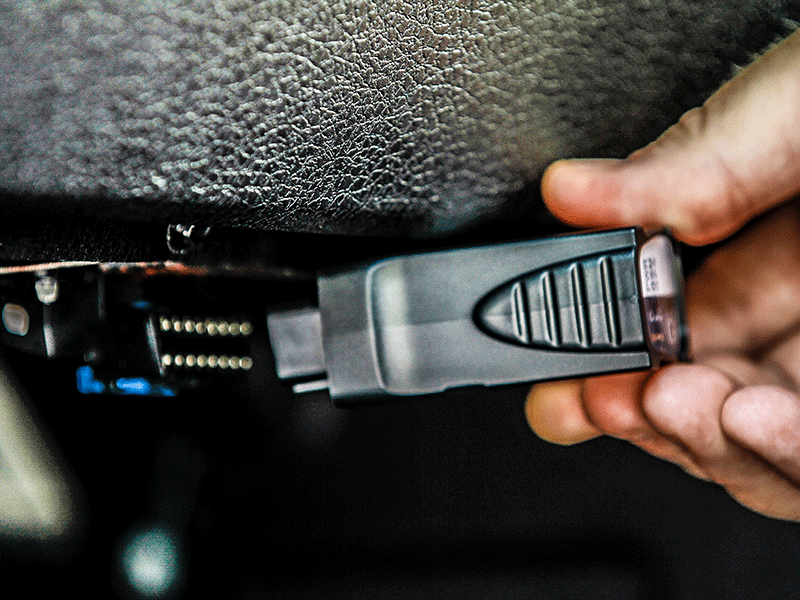
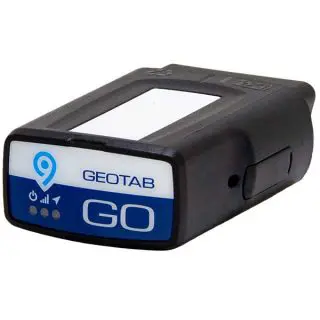
GPS (Global Positioning System) tracking technology uses a network of satellites to determine the precise location of a vehicle or asset. Modern GPS trackers transmit this information to a central platform, allowing fleet managers to view real‑time data from any internet‑connected device.
How GPS Tracking Works
- Satellite Communication: GPS satellites send signals to the tracking device installed in a vehicle.
- Data Transmission: The device relays location, speed, direction, and other metrics to a cloud‑based platform.
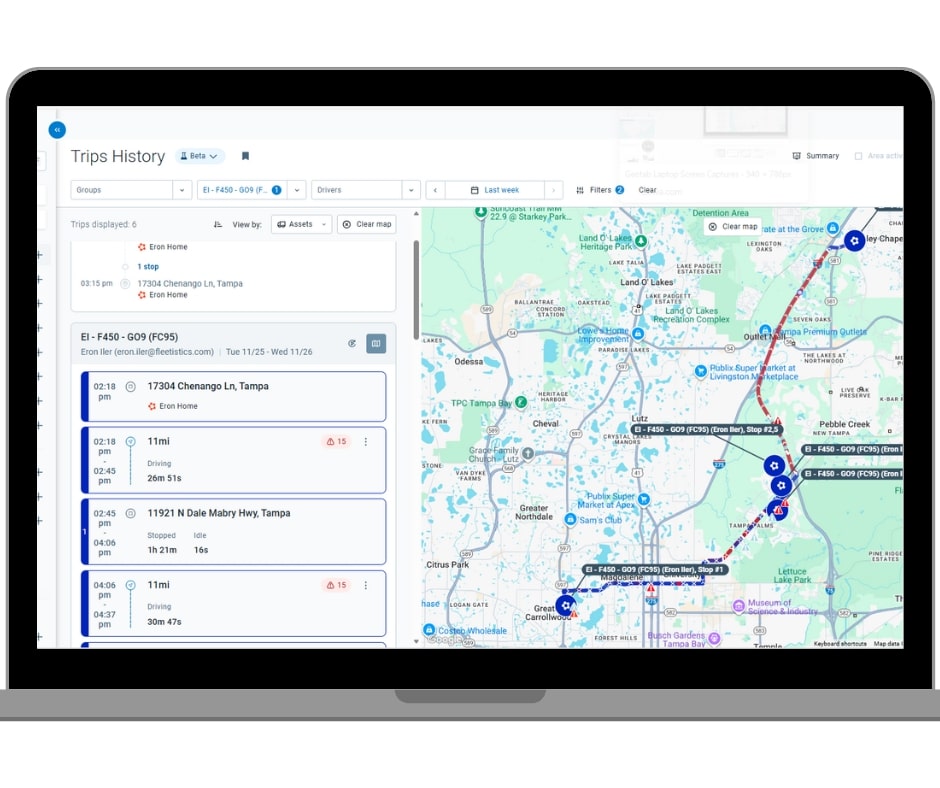
- Fleet Management Dashboard: Managers access this data through a web or mobile interface, enabling real‑time monitoring and historical reporting.
This technology forms the backbone of modern fleet management, offering insights that were once impossible to gather manually.
Benefits of the Best GPS Tracker for Fleet Management
A reliable GPS tracker delivers a wide range of advantages that directly support business growth and operational excellence. Below are the key benefits that make GPS tracking an indispensable tool for fleet‑dependent organizations.
1. Enhanced Productivity
Productivity is one of the most immediate and measurable improvements businesses experience after implementing GPS tracking.
Real‑Time Vehicle Monitoring
Knowing where every vehicle is at any given moment allows fleet managers to:
- Reduce idle time
- Assign jobs more efficiently
- Respond quickly to unexpected delays or emergencies
This level of visibility ensures that drivers stay on schedule and that resources are used effectively.
Automated Reporting and Driver Insights
GPS trackers generate detailed reports on:
- Driver behavior
- Route efficiency
- Time spent at job sites
- Start and stop times
These insights help identify areas where productivity can be improved, such as reducing unnecessary stops or optimizing dispatching procedures.
2. Improved Vehicle Utilization
Maximizing the use of every vehicle in a fleet is essential for controlling costs and improving ROI.
Usage Pattern Analysis
The best GPS tracker provides data on:
- Mileage
- Trip frequency
- Vehicle downtime
- Peak usage hours
This information helps businesses determine whether they have too many vehicles, too few, or if certain vehicles are being overused.
Maintenance Scheduling Based on Actual Use
Instead of relying on estimated maintenance intervals, GPS tracking allows managers to:
- Schedule maintenance based on real mileage
- Prevent breakdowns
- Extend vehicle lifespan
- Reduce repair costs
This proactive approach ensures that vehicles remain in optimal condition and downtime is minimized.
3. Cost Reduction
One of the most compelling reasons businesses adopt GPS tracking is the significant cost savings it delivers.
Fuel Savings Through Route Optimization
Fuel is often one of the largest expenses in fleet operations. GPS tracking helps reduce fuel consumption by:
- Identifying shorter or faster routes
- Reducing idle time
- Monitoring speeding or aggressive driving
Even small improvements in fuel efficiency can lead to substantial savings over time.
Lower Operational Costs
GPS tracking reduces costs associated with:
- Unauthorized vehicle use
- Excessive overtime
- Inefficient dispatching
- Poor route planning
The initial investment in GPS technology is typically recovered quickly through these ongoing savings.
4. Enhanced Safety and Compliance
Safety is a top priority for any fleet‑based business. GPS tracking plays a crucial role in promoting safer driving habits and ensuring compliance with industry regulations.
Monitoring Driver Behavior
GPS trackers can detect:
- Speeding
- Harsh braking
- Rapid acceleration
- Unauthorized routes
By addressing these behaviors, businesses can reduce accidents, lower insurance premiums, and protect their drivers.
Regulatory Compliance
Accurate digital records help companies comply with:
- Hours‑of‑service regulations
- Maintenance requirements
- Safety audits
This reduces the risk of fines and ensures that the fleet operates within legal guidelines.
5. Data‑Driven Decision Making
Modern fleet management relies heavily on data. GPS tracking provides the insights needed to make informed decisions that improve efficiency and profitability.
Real‑Time and Historical Data
Fleet managers can analyze:
- Long‑term trends
- Seasonal patterns
- Driver performance
- Route efficiency
This data supports strategic planning and helps businesses adapt to changing conditions.
Improved Forecasting and Planning
With accurate data, companies can:
- Predict maintenance needs
- Plan staffing levels
- Optimize delivery schedules
- Identify opportunities for cost reduction
Data‑driven decisions lead to smarter operations and better long‑term outcomes.
Choosing the Best GPS Tracker for Your Fleet
Not all GPS trackers are created equal. To maximize value and minimize investment, businesses should consider the following factors when selecting a GPS tracking solution.
1. Cost‑Effectiveness
Look for a GPS tracker that offers:
- Affordable hardware
- Low monthly service fees
- Essential features without unnecessary add‑ons
The goal is to achieve maximum functionality at the lowest possible cost.
2. Scalability
Your GPS tracking solution should grow with your business. Choose a system that allows you to:
- Add more vehicles easily
- Upgrade features as needed
- Integrate with other fleet management tools
Scalability ensures long‑term value and flexibility.
3. User‑Friendly Interface
A simple, intuitive dashboard is essential for:
- Quick onboarding
- Efficient daily use
- Reducing training time
The best GPS tracker should be easy for both managers and drivers to understand.
4. Reliable Customer Support
Strong customer support ensures that:
- Issues are resolved quickly
- You get the most out of your system
- Downtime is minimized
- Training
- Assist with installation project
Look for providers with responsive support teams and comprehensive training resources.
Conclusion
Investing in the best GPS tracker is one of the smartest decisions a fleet‑based business can make—especially when the goal is to improve efficiency while keeping costs low. GPS tracking technology provides real‑time visibility, enhances productivity, improves vehicle utilization, and supports safer driving practices. It also empowers businesses to make data‑driven decisions that lead to long‑term operational success.
As the demand for efficient fleet management continues to grow, companies that adopt the right GPS tracking solution will gain a competitive edge. With the right system in place, businesses can reduce expenses, improve customer satisfaction, and achieve their fleet management goals with the lowest possible investment.
If you’d like help refining this further—adding SEO keywords, creating a landing page layout, or tailoring it to a specific industry—I’d be happy to help.
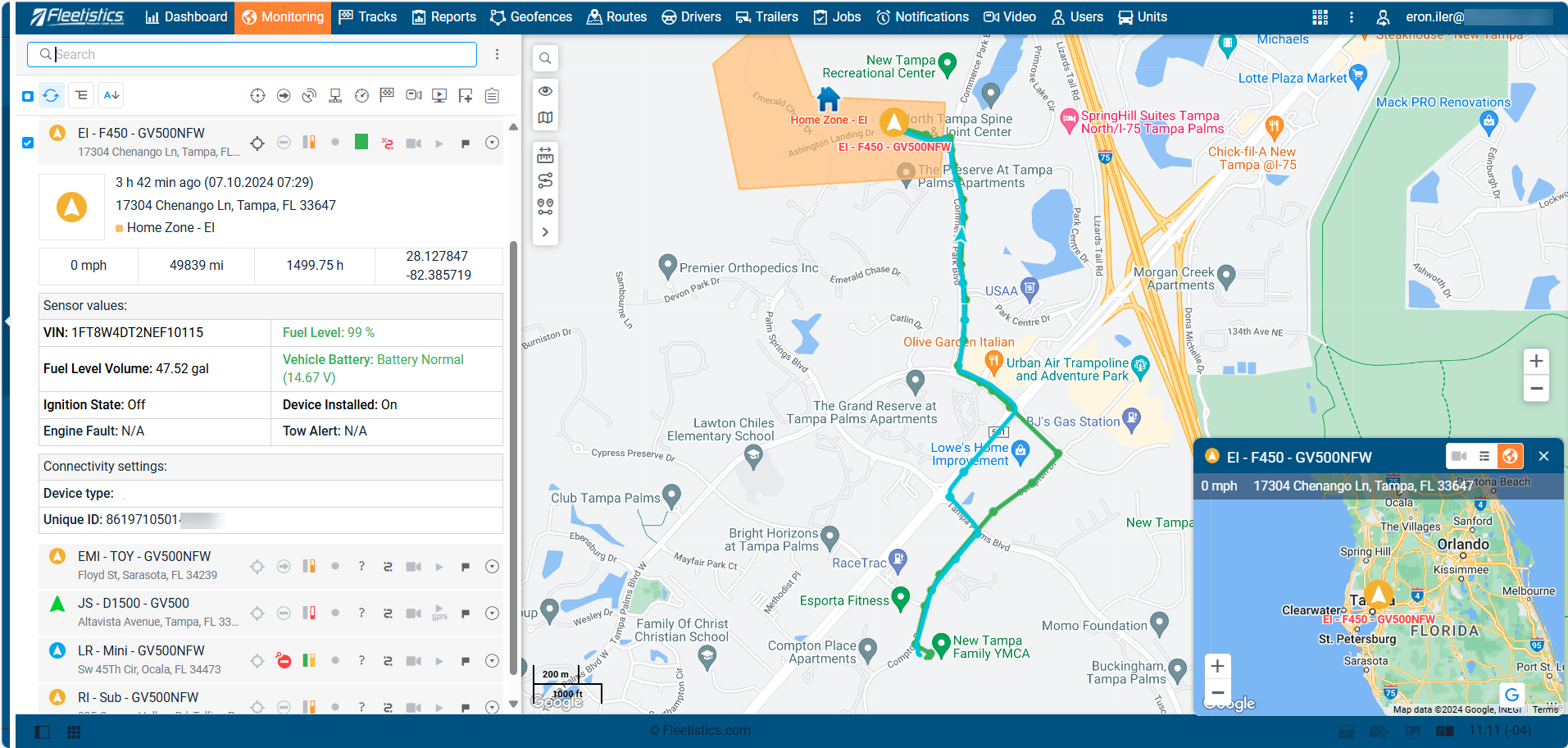
GPS Tracking
A complete line of GPS Tracking devices for trucks, cars, equipment and assets.
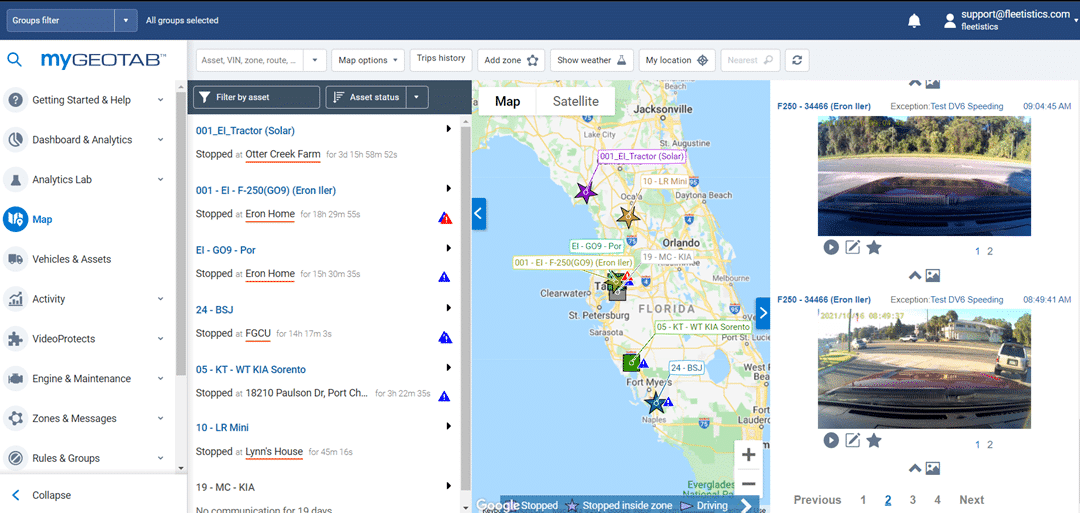
Fleet Management
A robust eco-system for advanced fleet management requirements with over 200 3rd party integrations. Options for ELD, IFTA, DVIR, DTCs, towing, APIs, routing, and more.
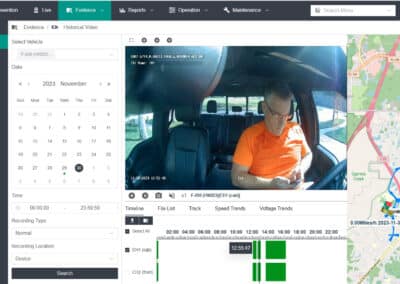
Dashcams
Power dashcam video solutions ranging from affordable insurance cameras, to AI driven advanced fleet safety systems. Options for 1 to 5 cameras.
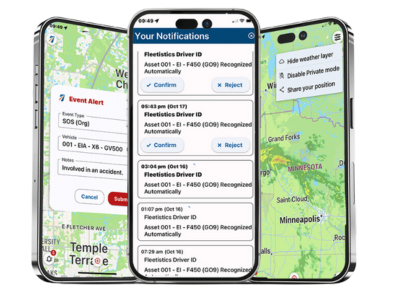
Mobile App Solutions
Multiple mobile app solutions including app tracking, lone worker, DVIR, messaging, SOS, waypoints, off-road trips, and accident reporting.