
First, What is GPS Fleet Tracking All About?
Many fleet owners understand there is value in GPS vehicle and asset tracking technology but they don’t know where to begin nor do they understand the overall technology. What is GPS technology in general and how can it be applied in your business is the root question you need to answer. By not knowing what to ask or look for, a fleet manager is subject to a sales person’s perspective, featured product, guidance or personal twist on a solution to stated fleet problems.
How GPS fleet tracking works
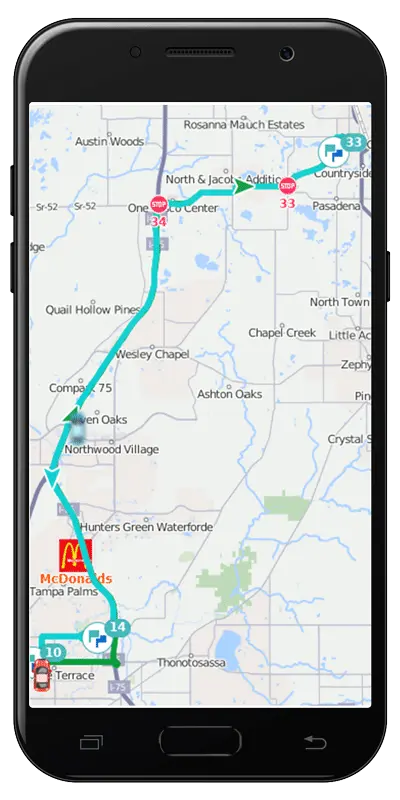
At a basic level, global positioning systems use satellites to help a gps tracking device calculate position. That location gets sent through a network to your management system, where you can see vehicle location updates, trips, stops, and exceptions in one place.
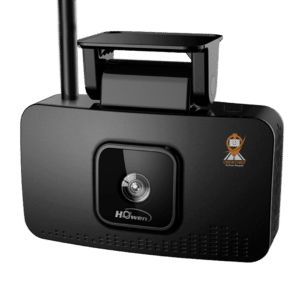
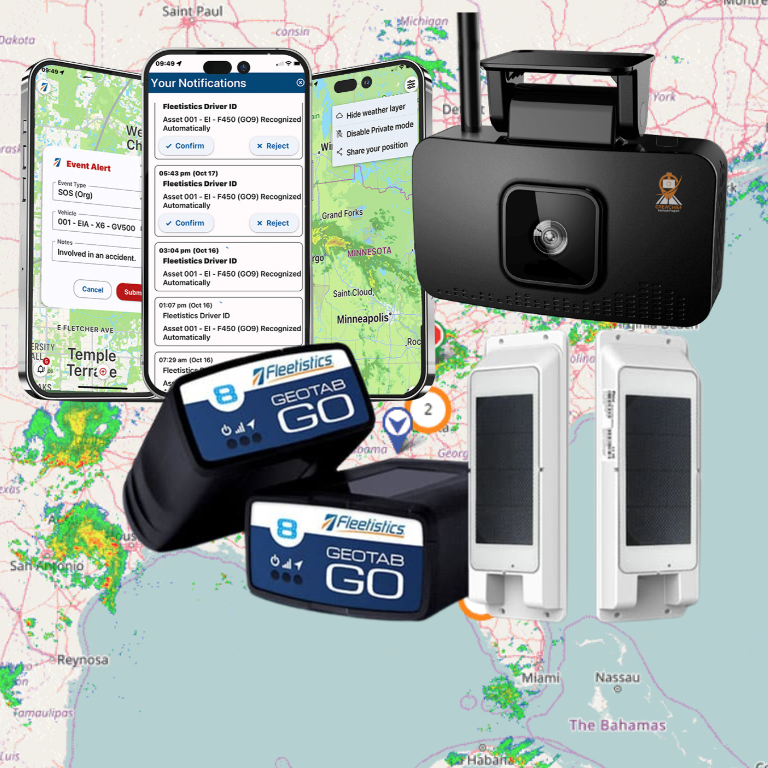
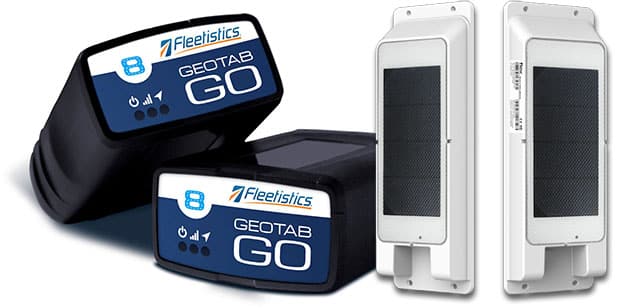
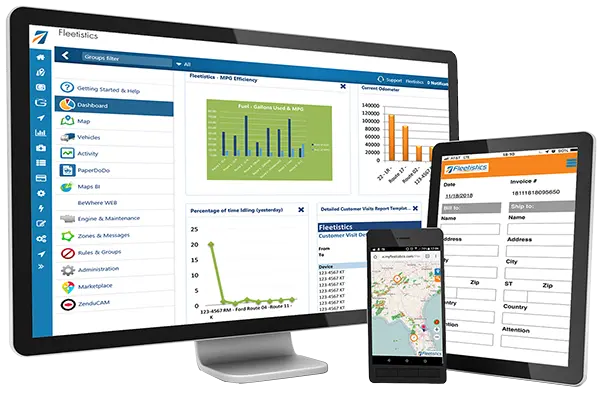
In a real operation, a GPS fleet tracking system is not just “a dot on a map.” It is the combination of a GPS fleet tracking device installed in your vehicles or on equipment, plus GPS tracking systems and software that turn raw pings into something useful. Depending on what you choose, your gps fleet tracking software can pull diagnostics, support add-ons, and surface patterns that matter day to day. That is where a full gps fleet tracking solution starts to earn its keep.
The benefits of GPS fleet tracking
The biggest win is visibility you can actually act on. With GPS fleet tracking, you get a clear view of where your fleet vehicles are, how long they sit, and how routes play out in real life. That improves operational efficiency because dispatch decisions get faster and less emotional, and you do not have to chase updates all day.
You also start to connect behavior to cost. When you monitor driving events and build a habit of reviewing them, driver behavior monitoring becomes a coaching tool, not a “gotcha.” That helps improve driver safety and reduce wear from habits like harsh turns and poor stop patterns. Many teams also find the fuel story fast: idling, routing decisions, and speed variability show up in fuel usage, and over time you can bring down fuel consumption without guessing.
Finally, GPS supports accountability that feels fair. Instead of debating “where were you” calls, you rely on the fleet tracking record and move on with your day. It helps fleet tracking work in a way that supports both managers and drivers.
Types of GPS fleet tracking
Not every fleet needs the same setup. Some operations start with a simple gps tracker to cover basic vehicle tracking. Others need a more capable gps tracking device paired with fleet tracking software for deeper reporting, add-on options, or industry-specific requirements. If you have mixed use cases, you can blend a light fleet tracking system for some assets and a more advanced setup for high-priority vehicles.
Industry-specific GPS fleet tracking applications
GPS is flexible, so use cases vary. Service fleets often focus on response times and route accuracy. Logistics fleets focus on dwell time and asset movement. Equipment-heavy operations may use a tracking device to reduce loss and keep utilization honest. Across them all, fleet tracking solutions help you standardize visibility, even when jobs, routes, and schedules change daily.
How to Choose the Right System
We’ve all heard education is power but it is also money. If you are not educated and make a bad investment, it will cost you and your company money. As in most industries and situations, there may be 3 or 4 ways to resolve a fleet issue with a GPS technology solution. In every industry there are low end, low-cost solutions all the way to expensive and complete solutions. Understanding what you need, understanding the technology and being clear on a process will ensure you get the right solution for the lowest investment.
A Free Learning Opportunity!
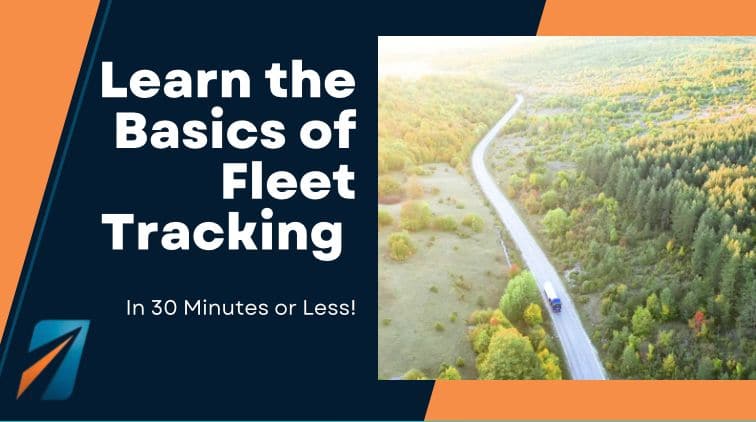
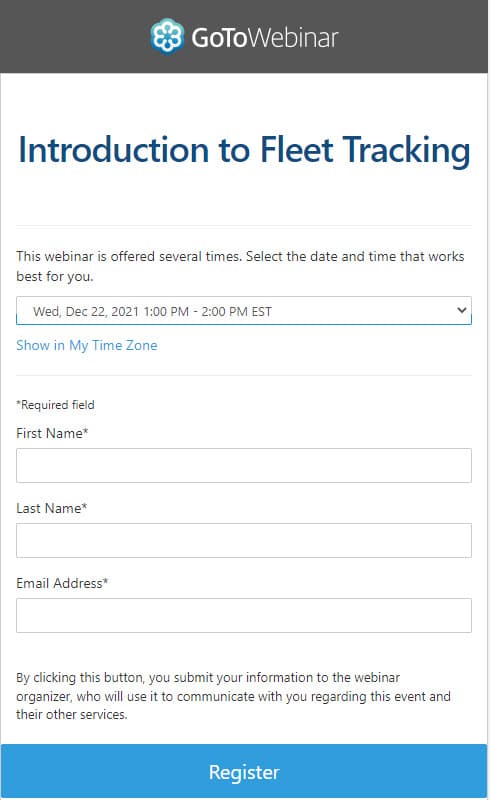
Fleetistics provides a free introductory webinar to answer those questions. We give you the knowledge and framework to determine what kind of GPS technology and which provider is going to be the best fit for you. So learn the basics of fleet tracking in 30 minutes or less, any Wednesday at 1PM.
Frequently Asked Questions
What is fleet GPS tracking?
GPS fleet tracking is the use of a gps fleet tracking system to monitor fleet vehicles and assets through location updates, trip history, and reporting. It gives fleet tracking visibility that supports dispatch, service validation, safety coaching, and smarter decisions across the operation.
What are the three types of tracking?
Most fleets see three common categories: vehicle-based GPS tracking for daily routing and service, asset-based tracking for equipment and trailers, and higher-resolution telematics that adds more context. The best option depends on how you want gps fleet tracking work in your environment and what outcomes you need.
What is an example of a fleet vehicle?
A fleet vehicle can be a service van, delivery truck, pickup, utility vehicle, or any business-owned unit used for work. Once you connect it to fleet tracking systems, you can see vehicle location data and understand real-world utilization patterns.
What is the purpose of GPS tracking?
The purpose is simple: better decisions with less guesswork. gps tracking helps fleets reduce wasted time, tighten routes, improve safety habits, and control costs. Done right, the gps fleet tracking features you choose support measurable gains in consistency, service, and overall efficiency.
Fleet Tracking and Telematics
Fleet Management
Mobile Tracking Apps
Fleet Safety