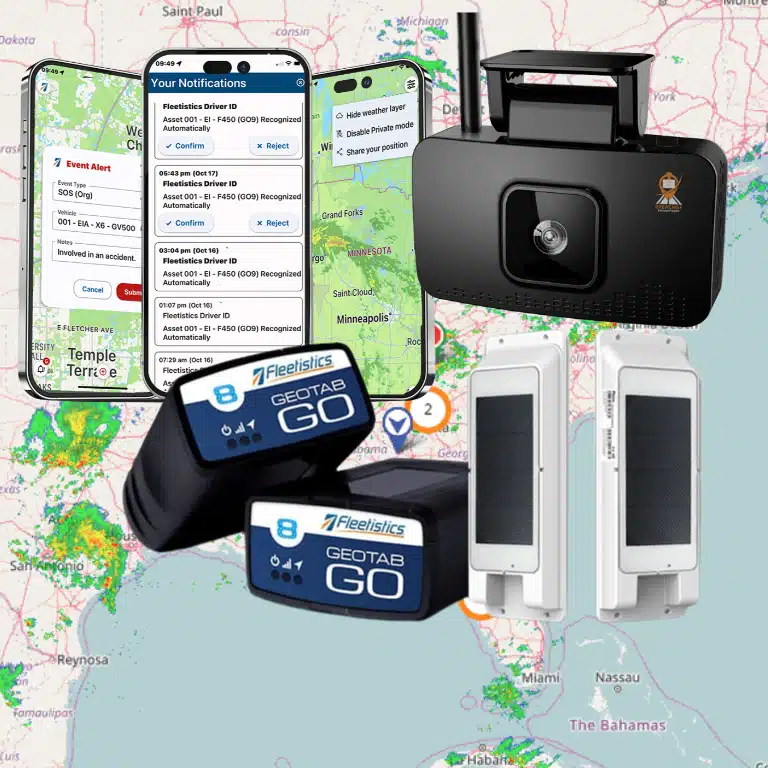


Speed monitored by GPS location is the most accurate record of speed in systems logging frequent data points. While there are certain times that speed is needed, what may really be needed is speed management for improved driver safety. And while there are various ways to determine speed, monitoring speed accurately by GPS is here and now and even the wave of the future.
In our modern times, technology has advanced to using satellites for GPS tracking, which measures the time and distance between points on the ground and calculates the speed taken to move from point A to point B.

More Accurate Speed Monitored by GPS
But the real benefit of vehicle speed monitored by GPS is the lack of moving parts which can wear out such as tires, cables and tire pressure. Speed management must look at factors such as vehicle type, function, location, road conditions, weather, environment, and more.
This is what makes GPS speed more accurate than the OEM speedometer found standard in most vehicles, as well as older vehicles. However, GPS speed, sometimes, can be flawed, as it is dependent on satellite signals. If reception is blocked, speed calculations can be flawed or skewed, which, in turn, affects the data you will receive on your vehicles or entire fleet.
Test Speed Monitored by GPS for Yourself
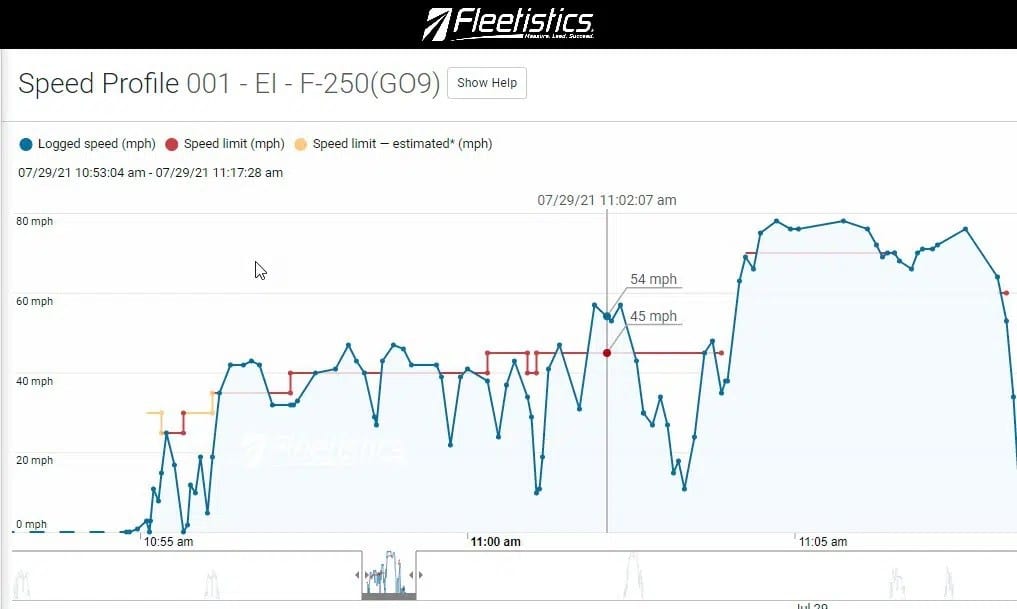
Therefore, if there are no extenuating circumstances, especially no blocked signal, vehicle speed monitored by GPS is more accurate than an OEM speedometer. Factors such as tire pressure and wear affect the OEM speedometer reading so much so that you can easily compare the two. Just use a smart phone to monitor the GPS speed while looking at the OEM speedometer in the dashboard. You will often see a 3 MPH difference between these two devices.
Take Speed Management to the Next Level
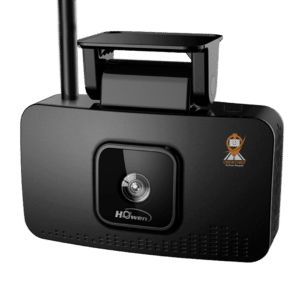
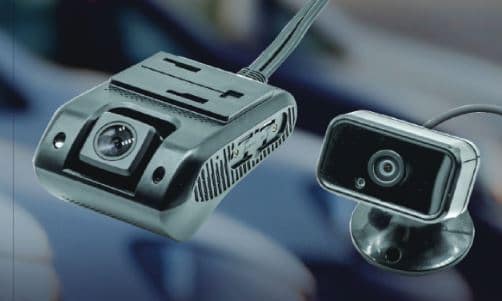
If you’re looking to see an improvement in speed management, adding dashcams to your GPS tracking and telematics takes it to the next level. Dashcams bring a visualization to the circumstances in which speed is an important variable. Dashcams can help answer questions such as: Was a vehicle driving too fast for the weather conditions? Did the driver accelerate to run the yellow light? With dashcam video information, fleet managers can better evaluate a situation to determine the best course of action to improve driver behavior. Although fleet dashcams are an optional expense, many insurance companies are now requiring them to combat false accident claims and improve driver safe driving habits.
Frequently Asked Questions
Does GPS track your speed?
Yes. Most devices used for gps monitoring can calculate speed from satellite positioning and report it as part of normal vehicle activity. Fleets often pair speed data with rules so managers can see when drivers exceed a speed limit or a posted speed limit on a given road.
How is vehicle speed monitored by GPS?
A tracker records location points over time and calculates speed based on movement between points. Some platforms also compare that speed to a posted speed limit database and trigger speed alerts when a driver goes over the threshold. This is especially useful for coaching patterns tied to excessive speeds, not just one-off spikes.
Does GPS speed monitoring work in all vehicles?
In most cases, yes. You can monitor speed on passenger units and commercial vehicles as long as the tracker has power and a reliable signal. Results can vary in tunnels, dense urban corridors, or places with limited sky view, but the data is typically dependable for day-to-day monitoring and reporting.
Can GPS speed monitoring help reduce speeding?
Yes, when it is paired with clear expectations and follow-through. Real-time speed alerts help drivers correct behavior in the moment, and trend reports help supervisors coach repeat issues before they become incidents that affect a safety rating and put other drivers at risk.
Fleet Tracking and Telematics
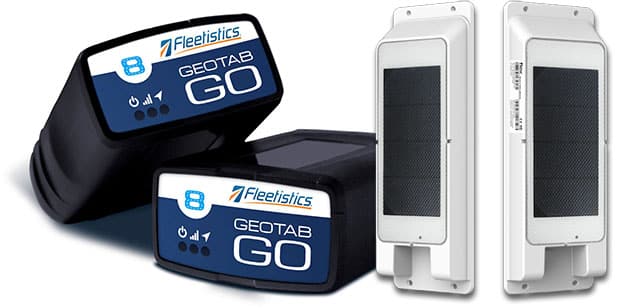
Fleet Management
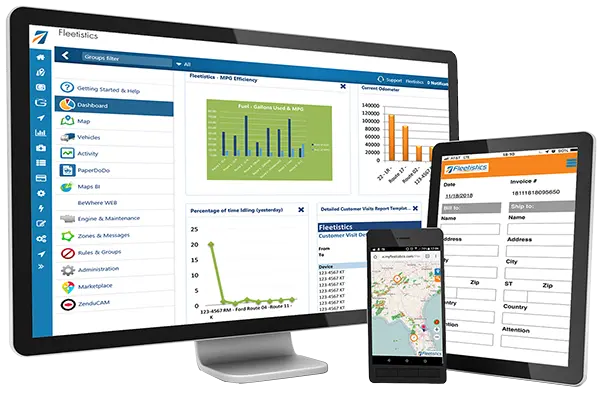
Mobile Tracking Apps
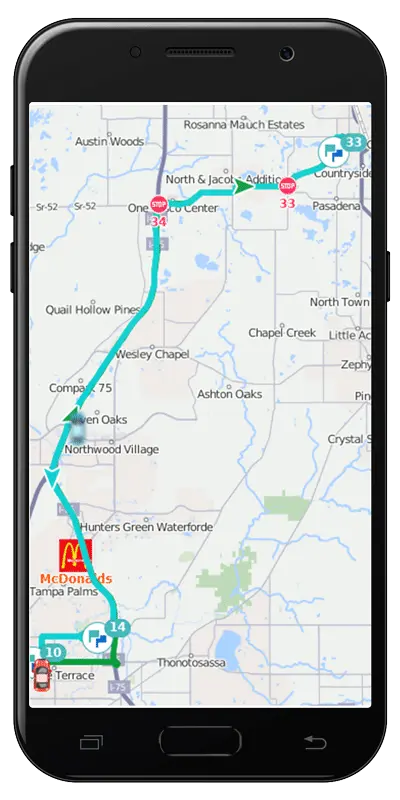
Fleet Safety