
Select A Low Cost Asset Tracker
Same price for any device
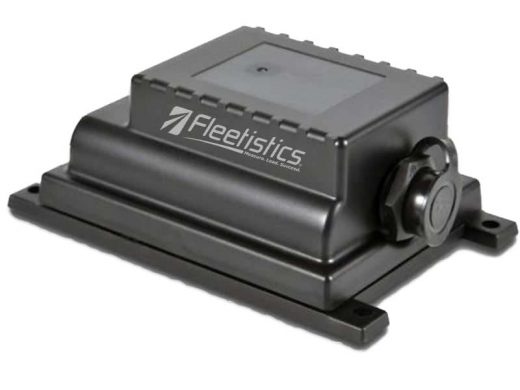
Low Cost Asset Tracker
- 4G LTE CAT-M1
- AT&T
- Compact
- Easy to hide
- Low power draw
- 3-wire
- Backup battery
- IP-68, Waterproof
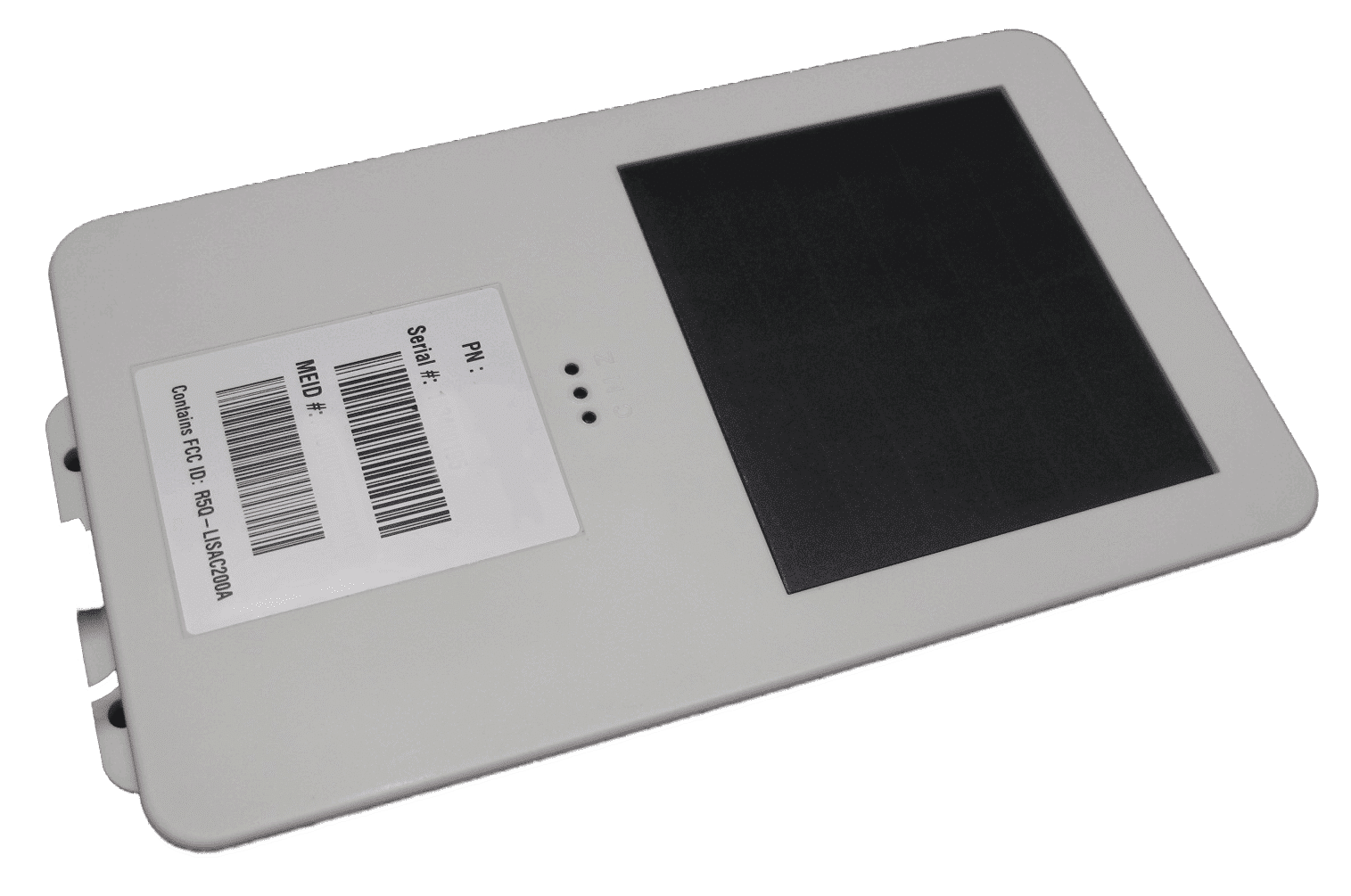
Low Cost Solar Tracker
- 4G LTE CAT-M1
- AT&T
- $0 install
- Long standby time
- Rechargeable batteries
- IP-68, Weatherproof
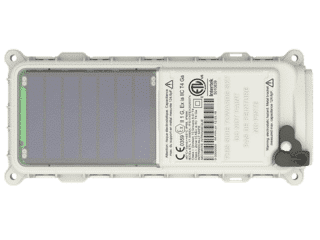
Low Cost Satellite Tracker
- Global satellite communication
- Globalstar network
- Compact
- 10 year field life
- Rechargeable batteries
- IP-68, Waterproof, MilSpec,
- Intrinsically Safe
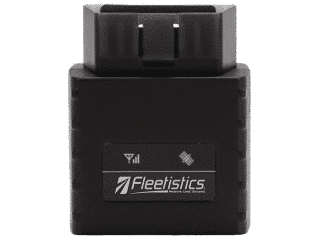
Low Cost Vehicle Tracker
- 4G LTE CAT-M1
- AT&T
- Plug-&-Play
- “Last gasp” battery
- Indicator lights
- Y-Harness available
Select Your Low-Cost Asset Tracker and Service
*Year 1 Includes the GPS Tracker*
Update 1x Daily
Year 1: $248.40
Year 2: $ 119.40
- 1 position update daily
- 1 year warranty against defects
- Upgrade over the air
Update 2x Daily
Year 1: $270.40
Year 2: $ 155.40
- 2 position updates daily
- 1 year warranty against defects
- Upgrade over the air
Update 3x Daily
Year 1: $282.40
Year 2: $167.40
- 3 position updates daily
- 1 year warranty against defects
- Upgrade over the air
Basic Tracking
Year 1: $285.00
Year 2: $120.00
- 10 minute updates in motion
- 1x daily stationary
- Road map
- Basic reports
- 1 year warranty against defects
- Upgrade over the air
Pro Tracking
Year 1: $345.00
Year 2: $180.00
- 2 minute updates in motion
- 1x daily stationary
- Robust mapping
- Complete reports
- Limited lifetime warranty
- Upgrade over the air
Requirements
- Annual payment due on order
- ACH or Check Payment over $1,000.00
- 10 unit minimum order quantity
- $10 plan upgrade fee after shipping, if required
- S&H, activation and taxes are not included
$0 Activation
No Minimum Quantity
Try Geotab
Step up to the Geotab total fleet management ecosystem for trucks, vehicles, equipment and electric vehicles. Although the Geotab platform is not included in the deep discounts above, some fleet operators may need more flexibility and capabilities. Geotab is a global leader in telematics with over 1,500,000 GPS trackers on the road every day and hundreds of Geotab Marketplace integrated partners. Fleetistics is an authorized Geotab reseller and has been since 2001.
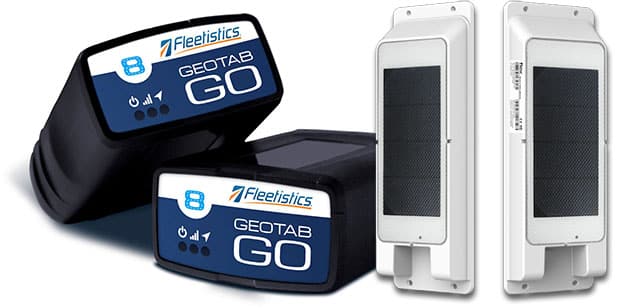
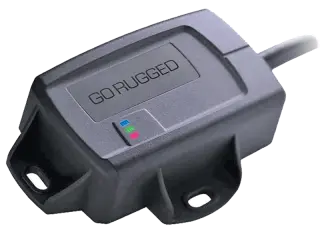
Geotab Equipment
- Most advanced GPS device on the market
- OBD, J-Bus & EV from one device
- Engine diagnostics
- Telematics data
- Accident reconstruction
- 60,000 message memory
- Multiple cell carriers
- IOX accessories like driver ID
- Hardware integrations
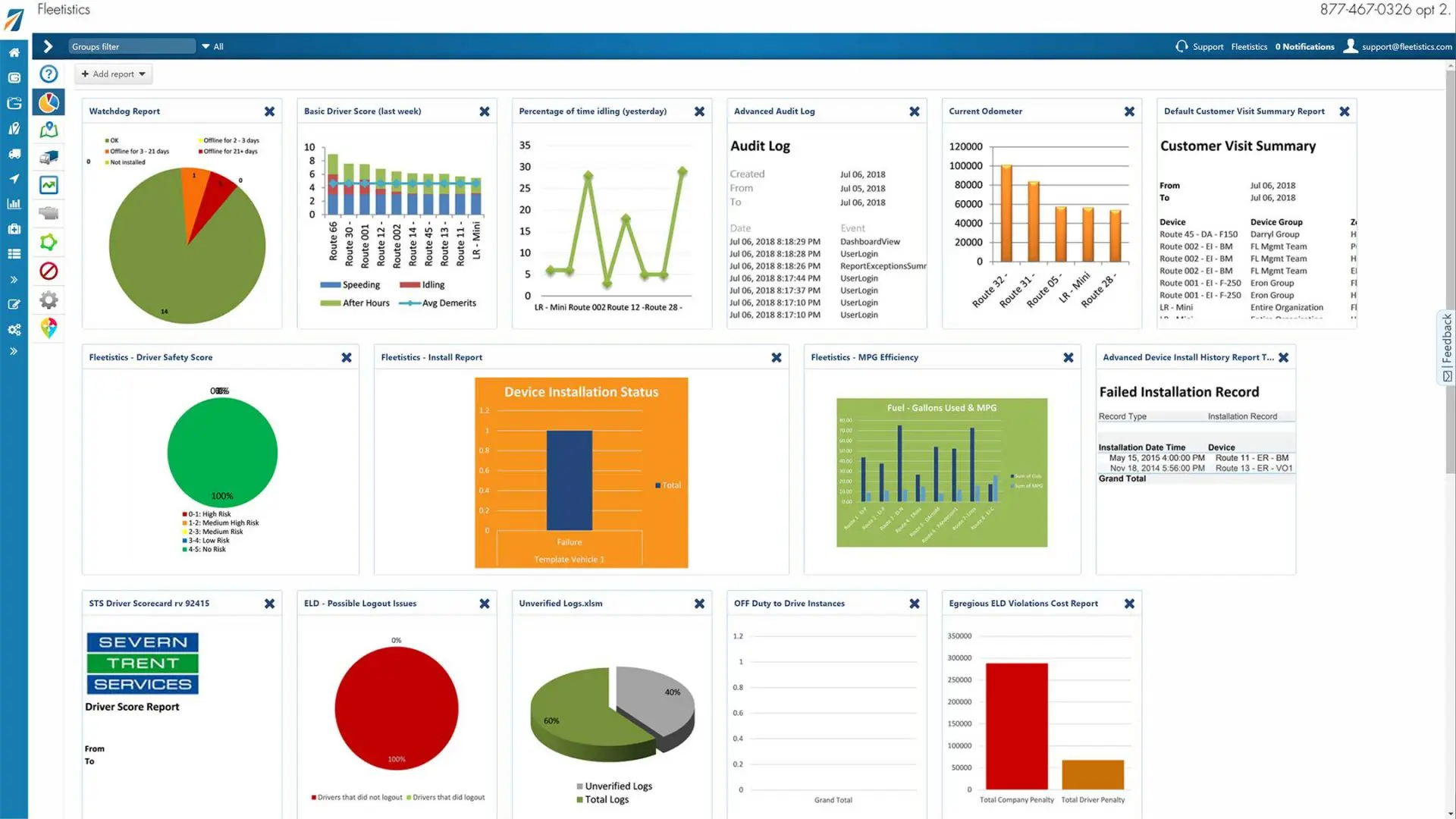
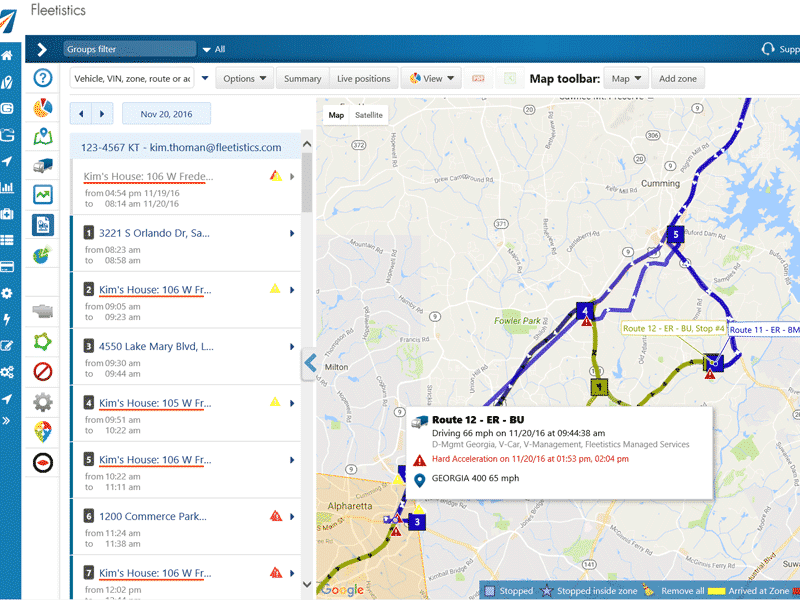
Geotab Platform
- Robust mapping + ESRI option
- ELD, DVIR, IFTA
- Standard and custom reports
- Extensive exceptions
- Designed to scale for large fleets
- Highly secure. DHS approved
- Cloud based for easy acces
- 150+ partner integrations
- APIs and SDK for data sharing
What is Asset Tracking?
Asset tracking is the simple act of knowing where your equipment is, when it moved, and whether it is available to use. In a low cost setup, the goal is not to drown you in dashboards. It is to give you dependable location tracking and clear location data so you can track assets across yards, shops, routes, and job sites without constant check-ins. Asset tracking commonly uses GPS and cellular connectivity, but many organizations also use barcodes, rfid technology, or hybrid approaches depending on what they need to monitor.
If you manage multiple assets like trailers, pumps, generators, and tools, a lightweight asset tracking system helps prevent “lost in the shuffle” moments. That is where a low cost system shines. You get the basics that protect margin: daily updates, movement notifications, and a clean view of what is on-site versus in the field. This supports better asset management without forcing a full overhaul on day one.
Benefits of GPS Asset Tracking
GPS tracking brings clarity to work that moves. When you can see your valuable assets on a map, you can make faster calls on dispatching, utilization, and recovery. That visibility often leads to improved asset utilization because idle equipment stops hiding in plain sight. It also drives operational efficiency because teams stop burning hours driving to check inventory or calling multiple crews to locate a unit.
A low cost model still delivers meaningful cost savings. You can reduce duplicate rentals, avoid unnecessary purchases, and catch misuse early. Even basic real time asset tracking alerts can protect against after-hours movement or equipment that drifts offsite. When you are managing a lot of gear, those small wins stack into better business performance.
Fleet leaders often pair equipment tracking with vehicle tracking so they can see the relationship between trucks and what they tow or haul. That makes it easier for fleet managers to plan pickup and drop-off cycles, reduce wasted trips, and boost productivity without adding headcount.
Types of GPS Asset Tracking Devices
Not every tracker needs to behave the same way. A practical approach is to match device type to asset value, usage patterns, and risk.
Battery-powered GPS trackers work well for unpowered equipment and seasonal gear. Hardwired trackers fit powered equipment where you want frequent updates. Solar options can work for assets that live outdoors and need longer life without service visits.
Some businesses use asset tags and rfid tags for tight inventory environments like warehouses, tool cribs, and staging areas. RFID systems use RFID technology to identify items quickly, often without line-of-sight scanning, which helps when you need fast counts or rapid check-in and check-out.
In many real-world fleets, the best setup is a blend. GPS handles offsite visibility and theft risk. RFID and tag-based workflows handle dense on-premise inventory. Together, they create a more comprehensive solution without forcing every asset into an expensive tracking tier.
Why Use GPS Asset Tracking Solutions?
The value is simple. You want one place to see what you own, where it is, and whether it is earning its keep. A low cost asset management solution helps you manage assets without building a new process from scratch. Most modern systems run on a cloud platform so the office, field, and management team all see the same status updates.
That shared visibility also helps you streamline operations. Instead of chasing down equipment, you can plan the day around availability and utilization. You also save time when tracking replaces manual spreadsheets and repeated phone calls.
Asset tracking is not only for heavy equipment. Many organizations need visibility into its assets like laptops, tablets, networking gear, and licensed devices that move between locations. When you can track assignment and status, you protect your tech stack and reduce losses.
To keep adoption high, usability matters. A straightforward mobile app gives field teams a fast way to confirm asset status, check last-seen locations, and act on instant alerts without waiting in the office. This is where the “low cost” system becomes a daily tool instead of a report you check once a month.
Frequently Asked Questions
How does asset tracking work?
Asset tracking works by attaching tracking hardware to equipment, then sending location data to software that organizes updates by asset, site, and activity. Depending on the setup, you might receive daily pings, movement notifications, or more frequent updates for higher value equipment.
What is asset tracking software?
Asset management software and tracking tools help you view locations, history, and activity in one interface. Tracking focuses on location and movement, while broader asset management systems cover lifecycle processes like assignment, utilization, and planning. A low cost system typically centers on location and alerts first, then expands as you grow.
Why do we track assets?
You track equipment to reduce loss, cut wasted trips, improve utilization, and protect revenue. When you can monitor asset usage and see asset usage patterns, you can allocate gear with confidence, avoid idle inventory, and support better decisions across job sites and yards.
What are the advantages of Fleetistic's asset tracking software?
The practical advantage is simple visibility without the overhead. You can track high value assets and other valuable assets across multiple locations, use alerts to react quickly, and keep a clear record of where equipment has been. When software and devices work together as hardware and software, teams can act faster, make more informed decisions, and keep operations moving.