
Fleet Dashcam Solutions for Management & Tracking
If you manage vehicles long enough, you learn a frustrating truth: the moment you need clarity most, you usually have the least of it. A driver calls in after a close call. A customer forwards a complaint. A claims adjuster asks for details you cannot pull from memory. Everyone wants an answer now.
That is where a well-run fleet dashcam program earns its keep. It gives you the “what actually happened” view, so you can respond fast, protect your drivers, and keep the rest of the day from spiraling. Not every fleet needs the same setup, but every fleet benefits from having facts instead of assumptions.
Protect Your company & drivers
Video evidence is often the only way to reduce or avoid liability in an accident. Commercial vehicles are targeted by scammers and attorneys. Dashcams protect your company and drivers from false accusations or inform you when it is time to settle quickly.
Enquire Now
Fleet Dashcam Solutions
If you are looking for a dashcam system that is designed specifically for low-usage fleets and insurance requirements, the CrewChief Solution is the perfect solution for you.
Pay-as-you-go pricing
Reduces insurance costs
Protects drivers and assets
Spot check driver activity
Loop recording
Download video
Document incidents
Identify vehicle tampering
Select your view
Choose between forward, interior, or both cameras. Additional exterior cameras are also available.
External Dashcam
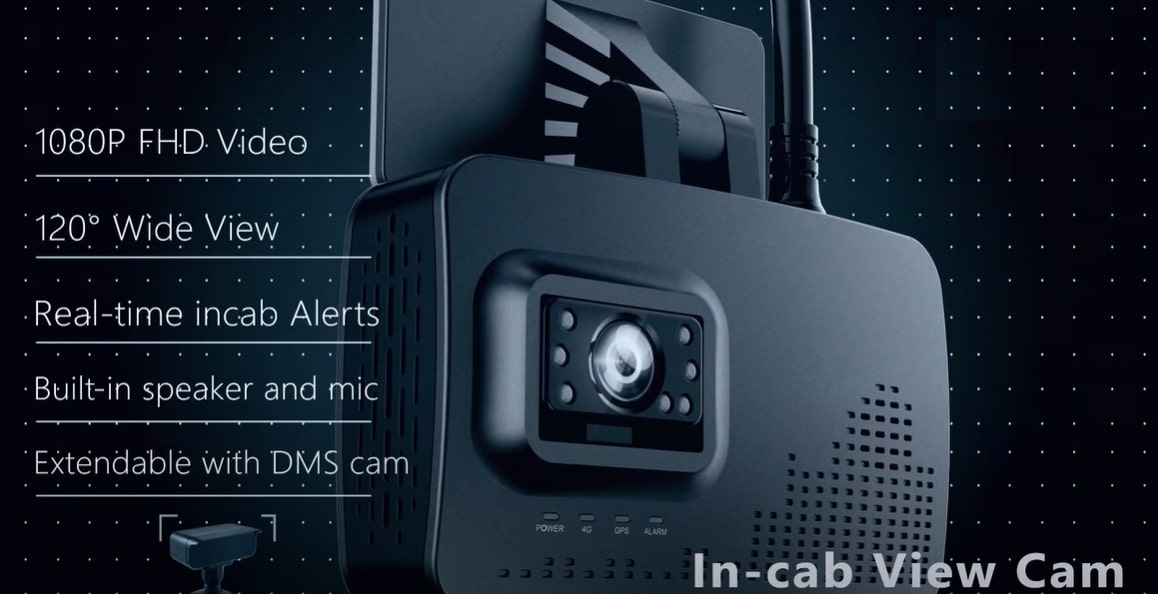
Internal Dashcam
What Are Fleet Dashcam Solutions?
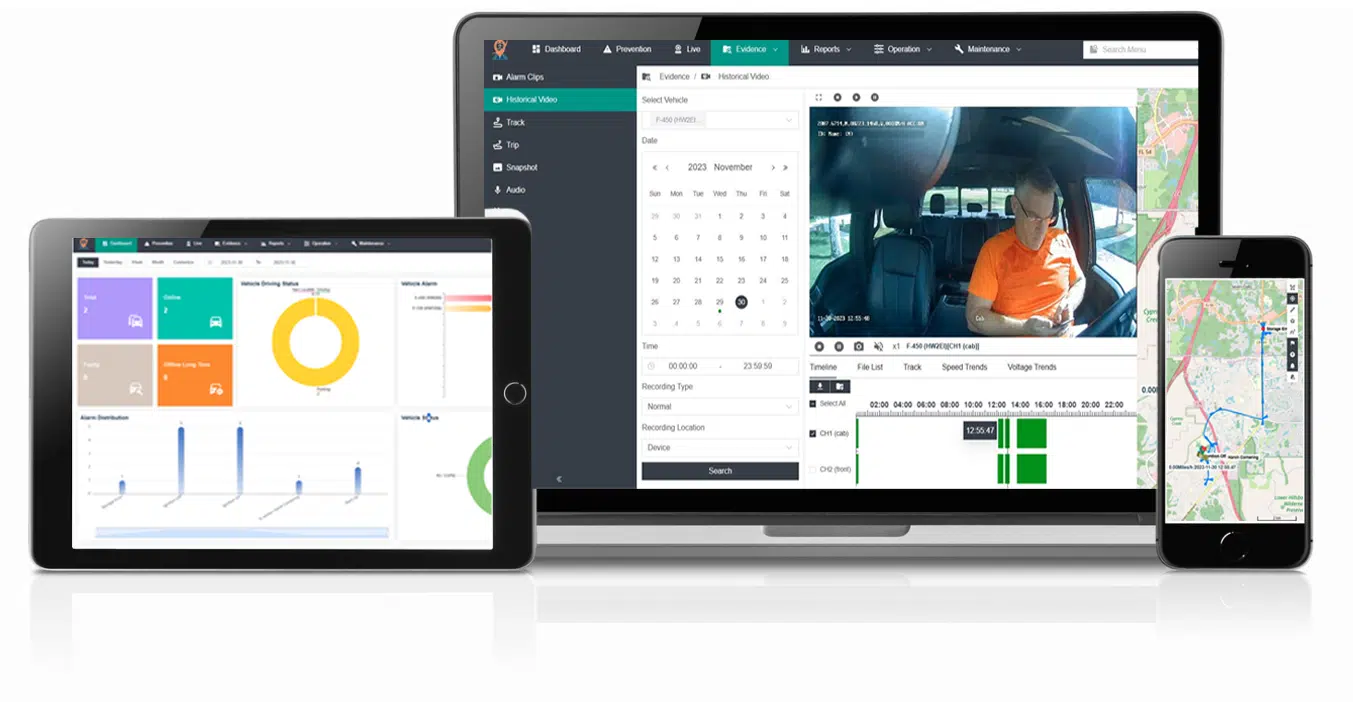
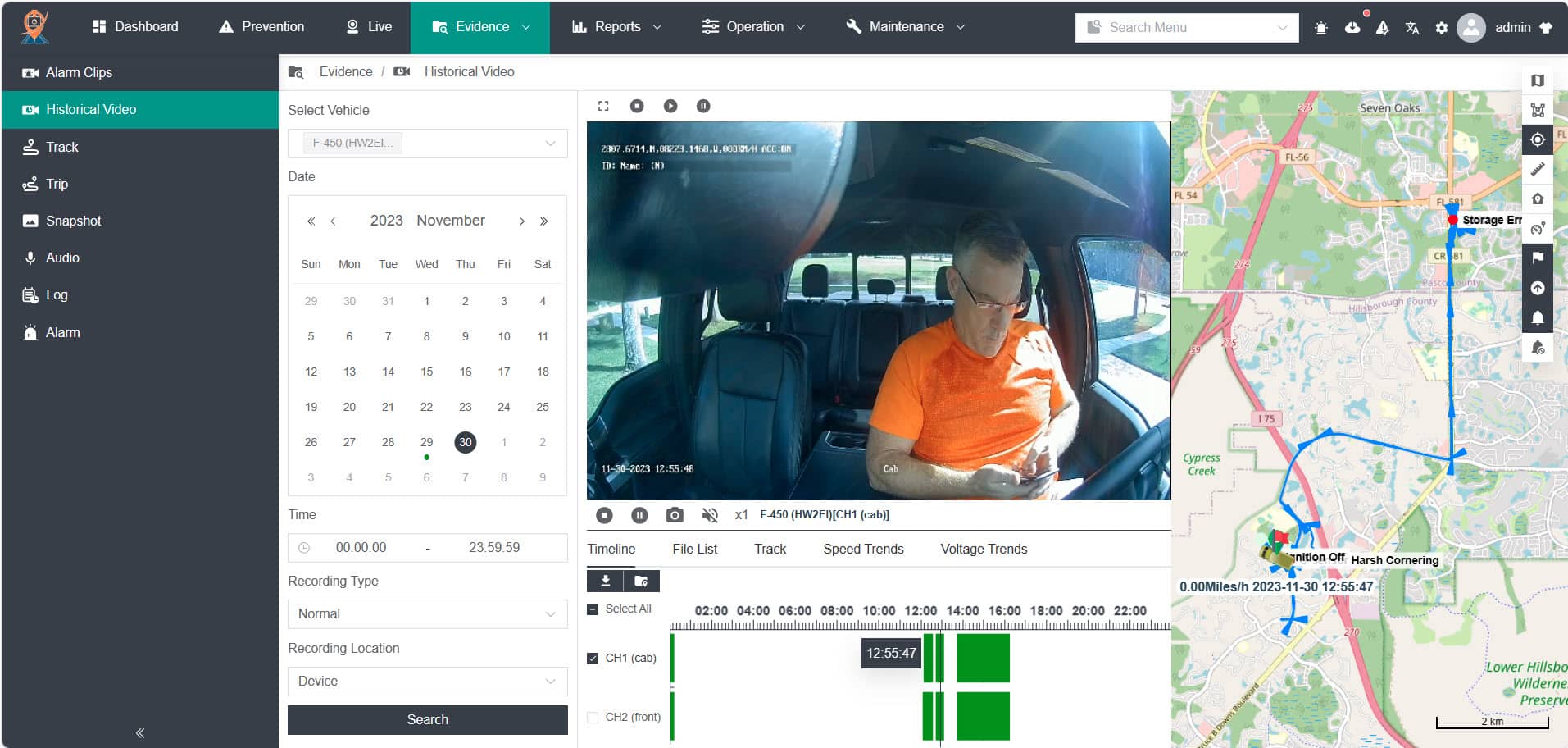
Fleet dashcam solutions are the hardware, storage, and review tools that let you capture footage and find the right clip without turning your office into a video studio. A solid fleet dashcam system typically records the road ahead, stores key events, and gives you a practical way to search by vehicle, time, and trigger.
This is not about collecting random footage “just in case.” It is about building a simple process you can repeat. When you can pull video quickly, you stop losing hours to phone calls and guesswork. You also stop putting drivers in the position of having to defend themselves with nothing but their word.
Fleet Dashcams for Real-Time Safety & Visibility
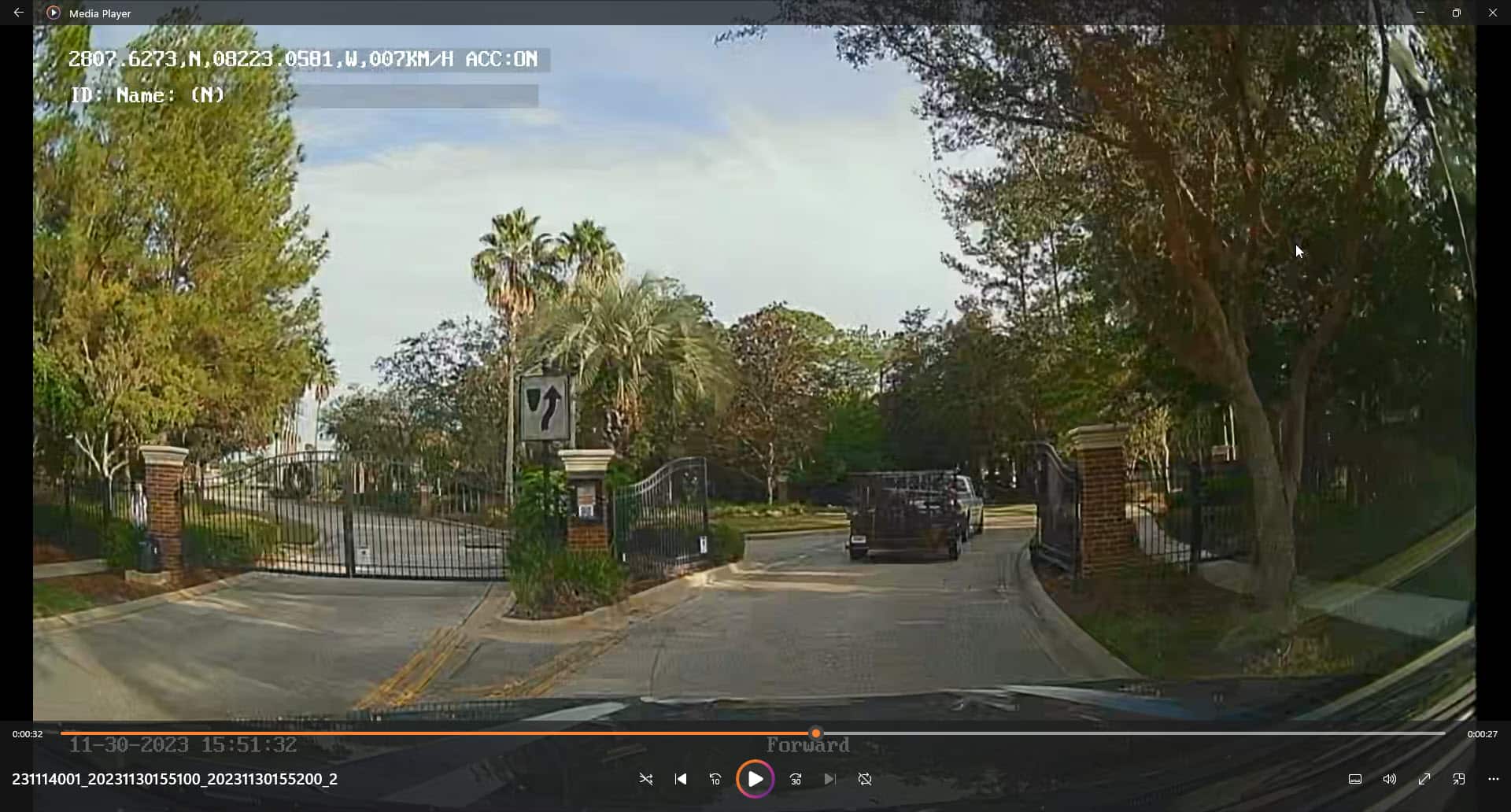
Most fleets start with a forward view because it answers the biggest question first: what did the vehicle run into, and what was happening around it? That forward-facing dashcam view covers merges, sudden stops, tight turns, and the moments that create disputes.
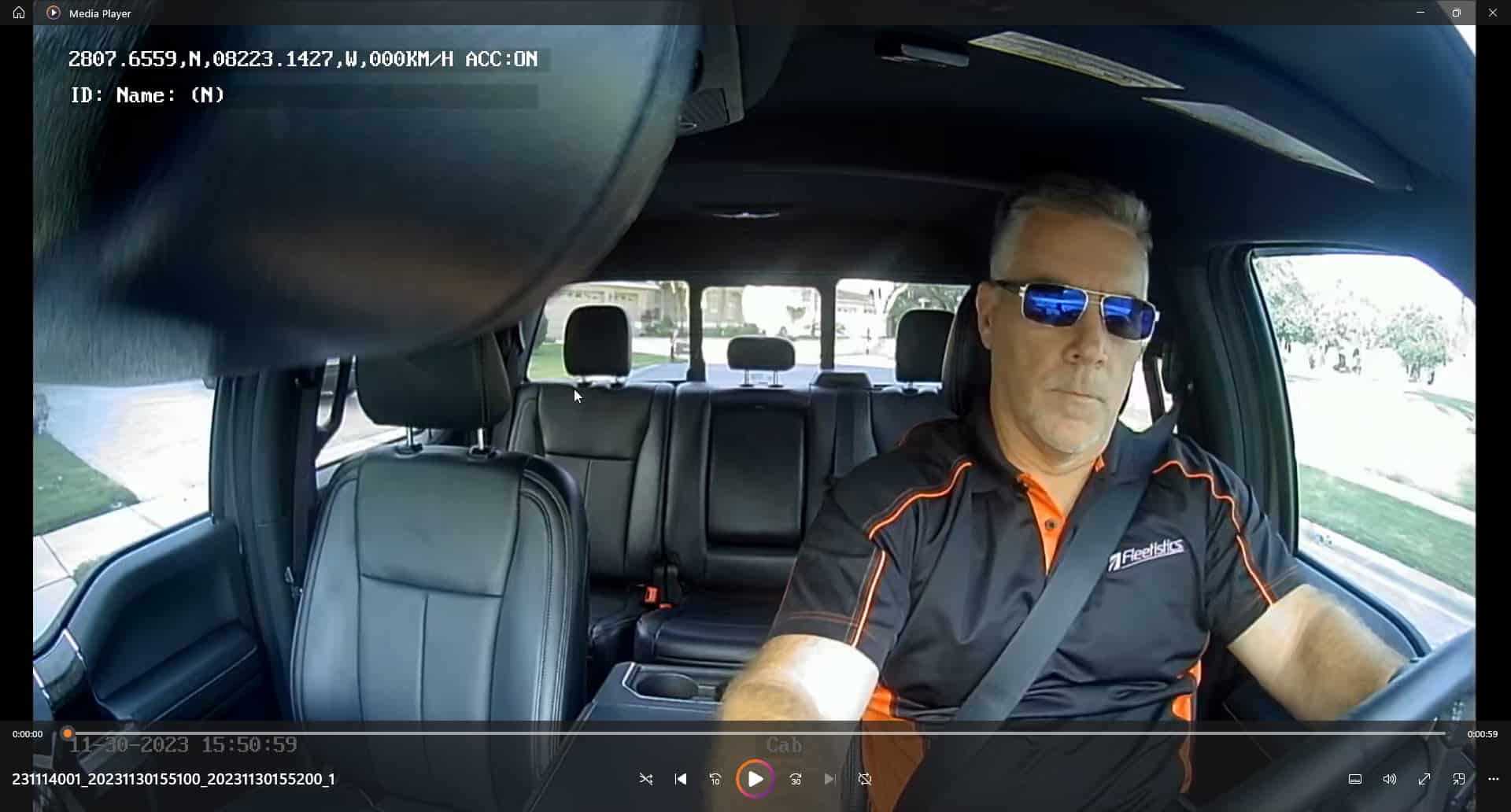
From there, you match the view to how your team operates. Some dashcams add a cab-facing camera for coaching and accountability, especially where risk runs higher. Others stay focused on forward video and keep the program simple.
The key is not the camera alone. The key is what you do with it. When you build a routine around review and follow-up, your fleet safety program stops being reactive. It becomes part of daily operations, and your team sees it as normal, not as a surprise audit.
Crew Chief Fleet Dashcam Options
CrewChief fits fleets that want a practical approach and do not want to pay for features they never use. If you have a mix of vehicles, seasonal work, or assets that move less often, this can be a clean path to video without overbuilding the program.
It also gives fleet managers room to grow. You can start with the essentials, then add capability later when you know what you actually need. That is how most programs succeed. They start small, stay consistent, and expand when the workflow is already working.
Insurance
Plan
- Dashcam service
- Lowest monthly service fee
- Upgrade service or platform without replacing cameras
- Live view and download video
- Looping memory
- Add basic GPS location for $5/mo
PRO
Plan
- All the advanced features such as telematics, diagnostics, fuel level, battery level, street view, and more.
- Add robust dashcams
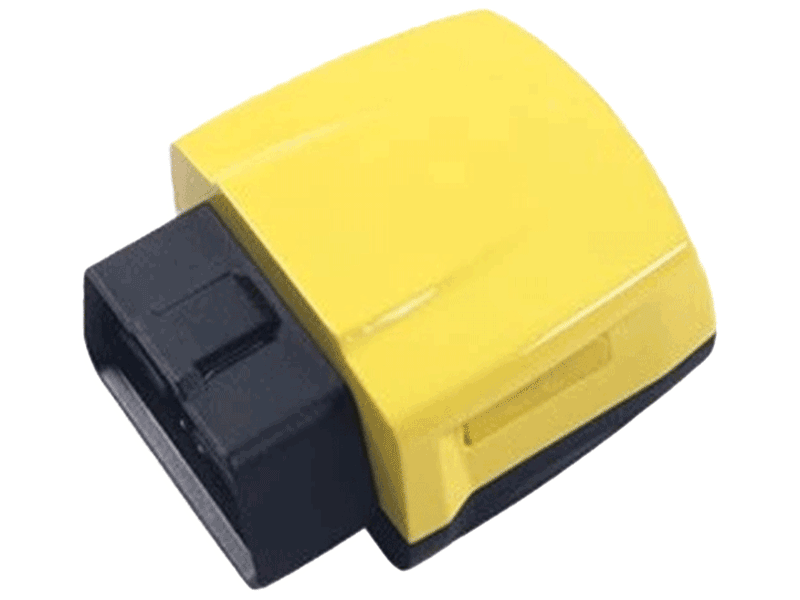
- GPS & telematics option
- Driver mobile app tracking
- Supervisor mobile app
GEOTAB –
GO FOCUS PLUS
- Full integration with Geotab platform
- AI detecting yawning, phone use, seatbelt use, etc.
- Uses Geotab rules
- Live view
- Looped recording
- GPS & telematics option
Easy Deployment & Scalable Fleet Dashcam Solutions
Most deployments fail for the same reason: fleets treat it like hardware first, policy second. Flip that. Start with the basics.
Decide what you record, how long you retain it, and who can access it. Define what triggers review. Set a coaching standard supervisors can follow without improvising. Then install the cameras.
A fleet camera system works best when you run it like a routine, not a project. Review severe events quickly. Review a small sample weekly. Look for patterns monthly. That is enough to keep your program alive without overwhelming staff.
As your fleet grows, you can add features that match your goals. Many fleets add real time alerts so the right person sees high-risk events quickly. Others align video and coaching with an advanced driver assistance system mindset, where prevention matters more than documentation.
The biggest sign you built it right is simple: your team keeps using it after the first month.
Industries That Benefit from Fleet Dashcam Solutions
If your fleet drives in busy areas, interacts with the public, or runs tight schedules, video helps almost immediately. Delivery fleets, service fleets, construction support, utilities, and public sector operations all deal with situations where a small incident can trigger a big question.
Low-light driving is another common pain point. A camera with night vision helps when routes start before sunrise, end after dark, or run through poorly lit roads. Clear footage is not a “nice to have” when the details matter.
Fleets with frequent disputes also see value fast. Video can clarify what happened and protect drivers when accusations do not match reality.
Why Choose Our Fleet Dashcam Solutions
AI powered dashcams reduce the number of false positives as they learn from your feedback as well as other dashcam customers. By reducing false positives, or digital noise, managers are more efficient at focusing on real threats to safety and productivity. When time is spent viewing hundreds of meaningless clips leads to a data and system avoidance. AI dashcams help avoid this.
Video also helps address false claims. It is one thing to say “our driver did not do that.” It is another to show what happened. That can reduce time spent in disputes and help your team stay focused on the work.
Many fleets choose AL powered dashcams because they want less manual sorting and more targeted review. When the system flags key events, supervisors spend time on coaching instead of hunting for clips.
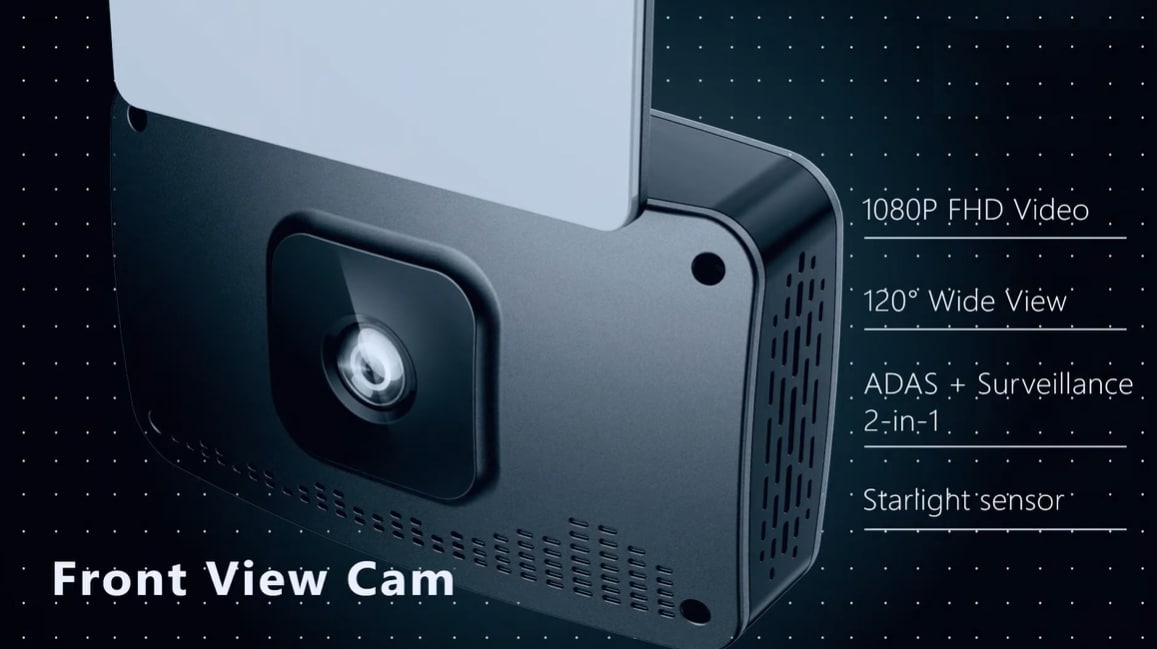
Quality matters too. HD video makes it easier to see lane position, timing, and surrounding traffic. When details matter, clarity matters.
Over time, a consistent program supports better outcomes you can actually track, including fewer repeat issues and improved safety metrics. It also supports operational efficiency because your team spends less time reconstructing events, chasing statements, and replaying the same incident conversations. If you manage a lot of vehicles, that time adds up quickly.
CrewChief Dashcam Benefits
The Crew Chief dash camera provides real-time video and optional GPS insights into your fleet’s performance. Real-time video presents fleet operators with a first hand understanding of the challenges encountered by fleet vehicles. Fleet operators can reduce risk and insurance claims while improving safety and productivity.
Highly Integrated Design
The Crew Chief CC00T2 utilizes a dual-camera form factor. Two cameras are integrated into a single unit that provide forward facing recording of the road and a rear facing camera to observe driver dynamics.
Emergency Button
In the event of an accident, the driver can request help with a single click, increasing the speed and efficiency of rescue response. The Crew Chief CC00T2 DashCam improves driver safety.
Driver’s Behavior Analysis
The Crew Chief CC00T2 improves driver safety and behavior by reporting behavior such as aggressive driving providing data-driven coaching opportunities.
Event Based Video Uploads
The Crew Chief CC009 automatically uploads videos of harsh events, collisions, near misses, and distracted driving events. This provides managers with actionable information within minutes of an incident.
Features will vary by dashcam and service selected.
Frequently Asked Questions
How do dashcams work?
A dashcam records video while the vehicle is in operation. Most systems use loop recording, which continuously overwrites older footage unless a trigger event occurs. When an event such as harsh braking, impact, or unsafe driving is detected, the relevant video clip is securely uploaded to the internet, where it can be reviewed and evaluated for further action, including driver coaching, safety analysis, and compliance purposes. This ensures attention stays on critical incidents rather than hours of routine footage.
What features should I consider when choosing a fleet dash camera?
Start with video quality, field of view, framerate, data retention policy, and how quickly you can find footage. Then look at how the camera supports coaching and reporting. A good fleet dash camera setup should be easy to install, use and fit your workflow, not fight it. If you want stronger context during review, pairing video with telematics and gps tracking can help.
Do dashcams record while the vehicle is parked?
Some dash cameras support parked recording, depending on the hardware and power setup. If parked recording matters for your fleet, confirm how it affects battery draw, retention, and policy requirements. Parked recording can help, but only when it aligns with how you operate.
What are the best practices for implementing dashcam systems in fleets?
Write clear employee policies, train supervisors to coach consistently, and run a review cadence you can maintain. Use footage to address risky driving behaviors with fairness and consistency. When you treat video as a safety tool, not a gotcha tool, adoption improves. The program becomes part of modern fleet management, not a side project. Adding an automated coaching service which is integrated with the dashcam service, improves behavior changes and consistent follow through.
If you want a practical, scalable fleet dashcam program, start with the coverage that matches your risk profile, run a steady review rhythm, and expand only when the next feature truly supports your workflow.